.eth.eth

2.7K posts

.eth.eth banner
.eth.eth

.eth.eth

@0xYeeeew

Hey…sometimes you’ve got to uhhh…make your first base on a paradise planet…you know…sometimes that’s what you’ve got to do - anon

Katılım Ağustos 2020
404 Takip Edilen66 Takipçiler
Sabitlenmiş Tweet
.eth.eth
.eth.eth@0xYeeeew·
The plural of JD Vance is JDs Vance
English
2
0
1
296
.eth.eth retweetledi
Carl Hendrick
Carl Hendrick@C_Hendrick·
Methodology section of a paper using qualitative analysis
English
28
104
853
98.5K
.eth.eth
.eth.eth@0xYeeeew·
@Badger419256 @StanleyCat365 @Logically_JC Take the proposed sq footage of the original ballroom per White House pr, draw a rectangle on the grounds of the White House in proposed location of approximately correct size. It’s evident the proposal was for multiple stories given this basic visualization
English
0
0
0
24
John Collins
John Collins@Logically_JC·
How, exactly, did we go from a $200 million privately-funded ballroom, to a $1 billion taxpayer-funded one?
English
2K
7.3K
47.4K
996.1K
.eth.eth
.eth.eth@0xYeeeew·
@ss492 @mattyglesias Wait you think kid’s (anyone’s) bias would be to not have their phones at all times?
English
0
0
0
24
Sameer Shroff
Sameer Shroff@ss492·
@mattyglesias We are basing policies on self reported well being (where their bias would be to report positive impact)? I'm mostly for the policy, but lets try to stay objective as we monitor progress? Are any other policies judged by this type of criteria?
English
1
0
0
1.4K
.eth.eth retweetledi
Jesus Freakin Congress
Jesus Freakin Congress@TheJFreakinC·
You thought Trump’s Iran war rants were unhinged… Well, I turned them into a full emo song. Enjoy.
English
230
1.1K
8.5K
3M
Anna Riedl
Anna Riedl@AnnaLeptikon·
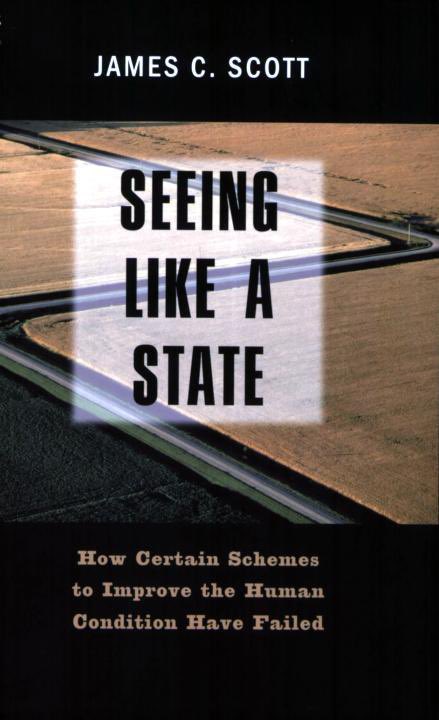
Is there a book that’s the antithesis to Seeing Like a State? Summarizing the most successful top-down state-driven initiatives to save and improve lives and their underlying principles?
Anna Riedl tweet media
English
100
65
1K
494.3K
.eth.eth
.eth.eth@0xYeeeew·
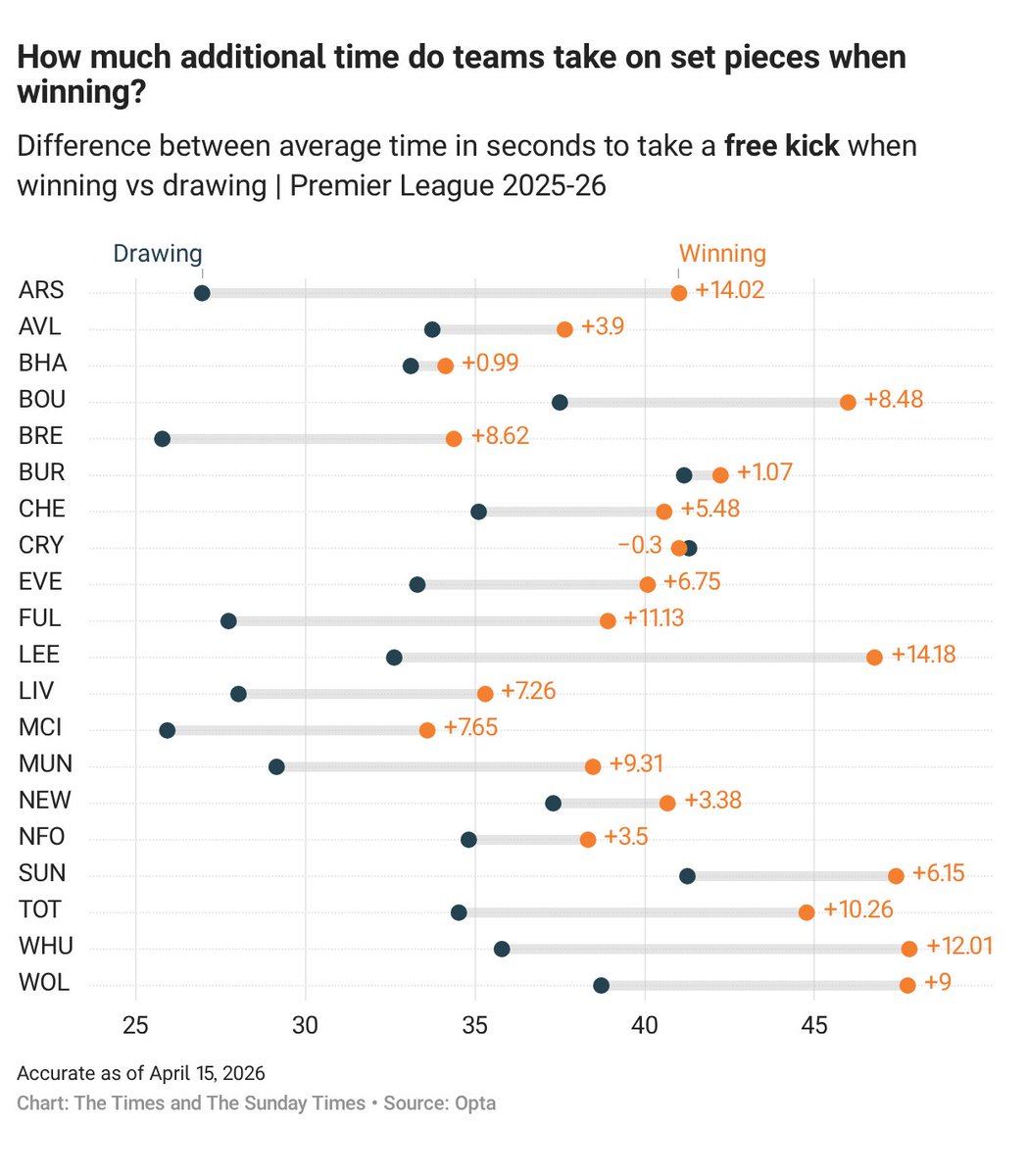
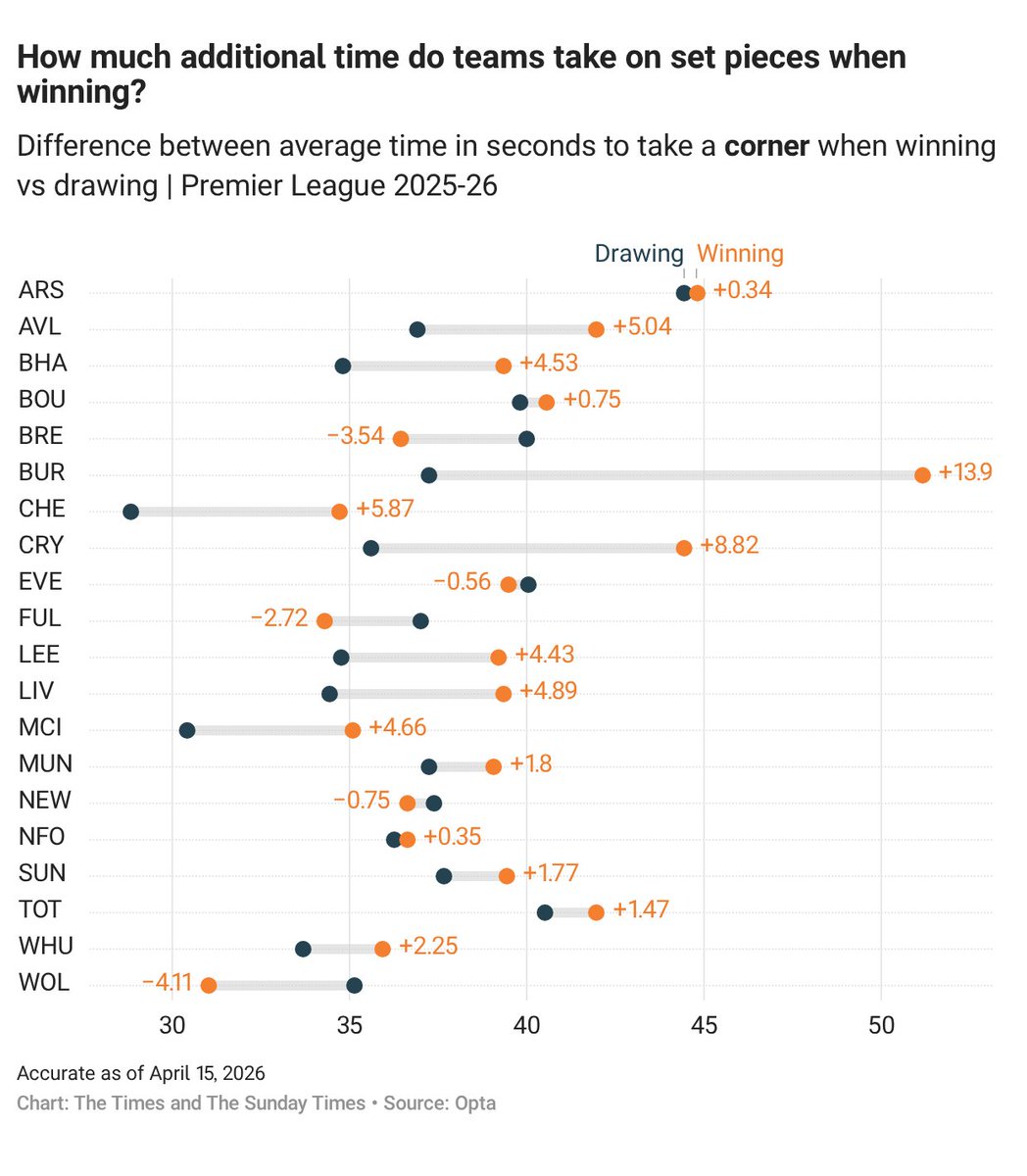
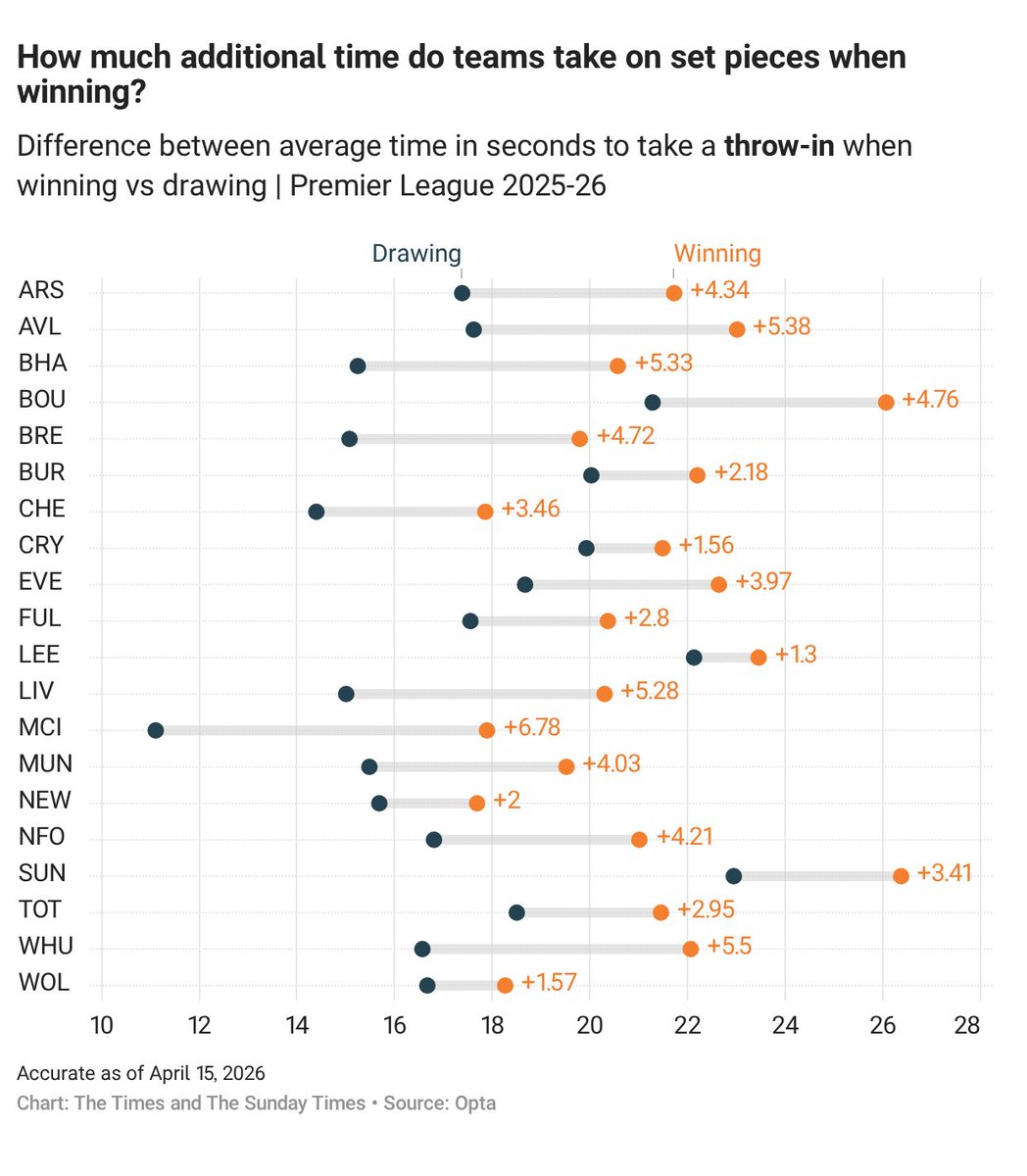
@HKhaliqueLoonat This is interesting data for sure and possibly directionally correct but hard to take as instructive without proper regression analysis. Need to at least control for minute of match and home/away status. Also tons of confounders!
English

0
0
1
119
Hamzah Khalique-Loonat
Hamzah Khalique-Loonat@HKhaliqueLoonat·
These four charts show the difference between the amount of time a team takes on set pieces (free kicks, corners, throw ins and goal kicks) when they're level vs when they're winning. ie how much they are time wasting when ahead
Hamzah Khalique-Loonat tweet mediaHamzah Khalique-Loonat tweet mediaHamzah Khalique-Loonat tweet mediaHamzah Khalique-Loonat tweet media
English
10
5
94
11.8K
Cassie Pritchard
Cassie Pritchard@hecubian_devil·
Eating meat would be totally fine ecologically if you hunted your own red deer once a week with stone-tipped spears and the global human population was also ~40 million, but that’s not the reality of how meat consumption works today, is it? So tired of this dumbass argument.
🔪🩸 Astro the Vampire Slayer🩸🔪!!!COMMS OPEN!!!@astr0_v4mp

Ppl have been eating meat since the dawn of time. Indigenous communities eat meat in a non wasteful way. Industry is the problem not the consumption itself this is a dumb take.

English
47
175
3.2K
82K
.eth.eth
.eth.eth@0xYeeeew·
@AnnieMcnei41751 @hecubian_devil You claimed there wasn’t land to grow crops for human consumption. I’ve shown this to be misguided. Whether I’d eat the grain or not is unrelated.
English
0
0
0
10
PeskyAskyAnnie
PeskyAskyAnnie@AnnieMcnei41751·
@0xYeeeew @hecubian_devil Most feedstock is made of byproducts from human-grade crops. Go to a farm supply store and get some feedstock "grain" (a colloquial term). I promise you won't want to sprinkle any on your salad.
English
2
0
0
36
.eth.eth
.eth.eth@0xYeeeew·
@AnnieMcnei41751 @hecubian_devil Unsure what’s misleading. 27% of land used for ag in the us is used for crops for humans to eat directly (as opposed to as an input to animal rearing). Point is the other 73% could be switched from rearing to cropland for humans without the need for a single acre more land
English
1
0
0
9
PeskyAskyAnnie
PeskyAskyAnnie@AnnieMcnei41751·
@0xYeeeew @hecubian_devil "For human consumption" - does that mean the 27% statistic is what's left over when crops for livestock feed is subtracted? That would be highly misleading. The majority of feed is not made of lovely human-grade grains/etc, it's the byproducts: husks, stalks, pods, etc.
English
1
0
0
14
.eth.eth
.eth.eth@0xYeeeew·
@AnnieMcnei41751 @hecubian_devil In the us - roughly 40% all land is used for livestock rearing (including. Feedstock). Of the arable land in use only 27% is used for crops for human consumption
English
1
0
0
30
PeskyAskyAnnie
PeskyAskyAnnie@AnnieMcnei41751·
@hecubian_devil Well-tended herds of large herbivores on rewilded natural pasture is the closest we can get to that, tho. Factory animal agriculture must be reworked, but we can't rely on plant foods. Only a tiny fraction of earth's land is suitable for crops and most of it is already in use,
English
2
0
0
242
.eth.eth
.eth.eth@0xYeeeew·
@kylehermann @Deep_Burner @AndyMasley Usually people are referring to water used to grow the grain the cows eat which would otherwise not be grown - a direct input into beef production
English
0
0
1
26
Kyle Hermann
Kyle Hermann@kylehermann·
@Deep_Burner @AndyMasley Just like when they talk about how much water beef cattle consume. Ignoring that 95% of the water, is rain being absorbed into the grass. It sounds fun to be unable to differentiate between ones thoughts and ones feelings.
English
1
0
0
77
Andy Masley
Andy Masley@AndyMasley·
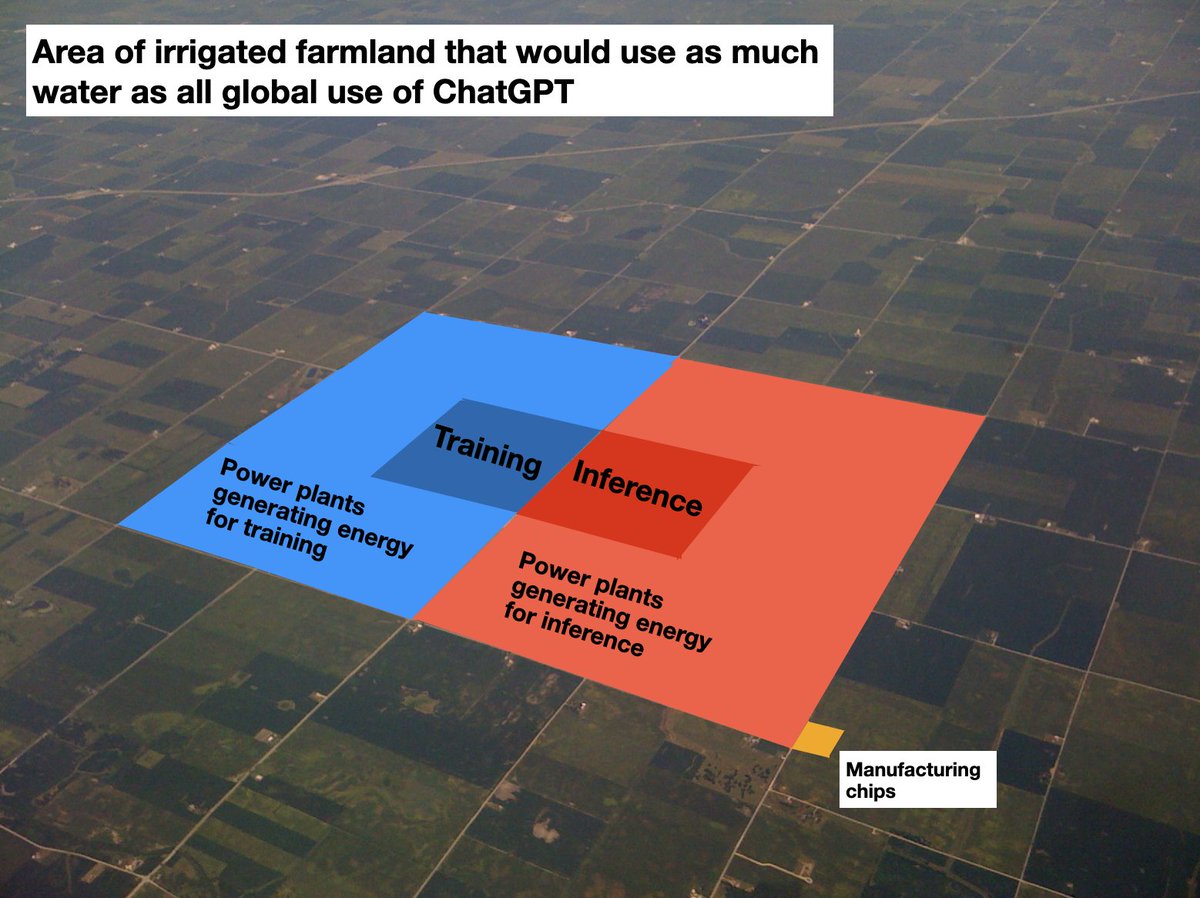
A few people asked me to make an image of how much irrigated farmland would use the same water required for ALL ChatGPT usage, including every part of the process. I did a botec and my best guess right now is that inference uses about as much water as training, and power generation uses ~5x as much water as the data centers themselves, so it looks something like this. The water cost of manufacturing chips is marginal compared to how much water they use over their lifetimes.
Andy Masley tweet media
English
123
431
3.7K
646.4K
kristina v. saint
kristina v. saint@kristinatastic·
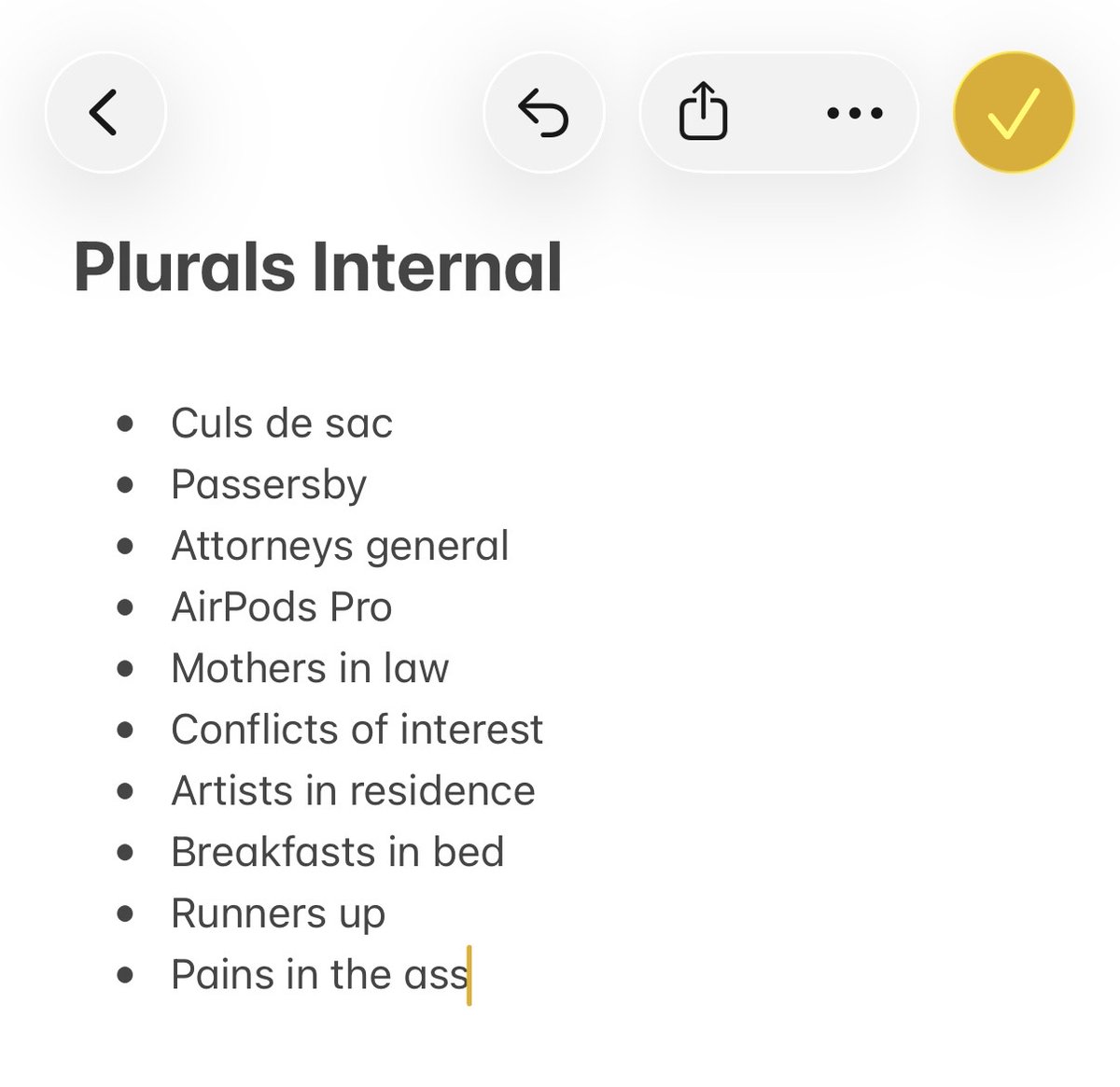
I've been working on this important list for a couple of years now. What am I missing?
kristina v. saint tweet media
English
1K
569
19.9K
932K
.eth.eth
.eth.eth@0xYeeeew·
@createstreets i really like what y'all are doing; architects divorced themselves from reality a long time ago, believing their work existed outside of the time and political/social context within which it was born. and yet, as grayson perry said "democracy has bad taste"
English
0
0
0
92
createstreets
createstreets@createstreets·
Over the next generation the ever-growing crowd-sourcing of popular design preferences is going to transform the creation of our streets and squares from elite preferences to popular ones. This will be good for public health and happiness and for the longevity and resilience of our buildings. You heard it here first !
Tom Harwood@tomhfh

Fixed it.

English
28
19
352
58.2K
Romy
Romy@Romy_Holland·
this app should have a feature similar to community notes that labels posts that are 100% AI generated. there should be an option to by default hide these posts. this level of slop is viscerally disgusting to me and we should be ostracizing ppl spamming society with it.
Molly Cantillon@mollycantillon

THE PERSONAL PANOPTICON. A few months ago, I started running my life out of Claude Code. Not out of intention to do so, it was just the place where everything met. And it just kept working. Empires are won by conquest. What keeps them standing is something much quieter. Before a king can tax, he must count. Before he can conscript, he must locate. Before he can rule, he must see. Legibility is the precondition for governance. The pre-modern state was blind. It knew precious little about its subjects, their wealth, their landholdings and yields, their location, their very identity. So it built the apparatus of sight: censuses, surnames, maps. Over centuries, the invisible became visible, the illegible became legible, and populations that could be seen could finally be controlled. Now, you are one of n: tracked, monitored, studied by systems you cannot access, much less interrogate. Data is siphoned for purposes you will never fully know. The arrangement is brutally asymmetrical: visibility without reciprocity. A panopticon whose gaze travels outward and never back. The watchtower has multiplied. Today, corporations harvest terabytes of behavioral exhaust, gatekept behind competitive moats, legible only to algorithms optimizing against your interests. Corporate legibility is created by closed joins: they can join your behavior to their ontology, but you can’t join your own behavior across systems. We are drowning in data about ourselves and yet we remain catastrophically blind. Thousands of messages across twenty inboxes. Notifications exile you to a perpetual state of Do Not Disturb. A WHOOP recovery score that decides your mood. Commitments that exist in six places and cohere in none. You are the most measured human in history and the most opaque to yourself. States built legibility infrastructure to govern. Corporations built it to sell. Neither gave you the keys to the tower. The first thing Claude solved was product blindness. NOX now runs on a cron job: pulling Amplitude, cross-referencing GitHub, and pointing me to what needs building. It handles A/B testing, generates winning copy, and has turned customer support into a fully autonomous department. Once I saw this was possible, I chased it everywhere. Email, hitting inbox zero for the first time ever, with auto-drafted replies for everything inbound. Workouts, accommodating horrendously erratic travel schedules. Sleep, built a projector wired to my WHOOP after exactly six hours that wakes me with my favorite phrases. Subscriptions, found and returned $2000 I didn’t know I was paying. The dozen SFMTA citations I'd ignored, the action items I'd procrastinated into oblivion. People are using it to, I discovered, run vending machines, home automation systems, and keep plants alive. The feeling is hard to name. It is the violent gap between how blind you were and how obvious everything feels now with an observer that reads all the feeds, catches what you've unconsciously dropped, notices patterns across domains you'd kept stubbornly separate, and—crucially—tells you what to do about it. My personal finances are now managed in the terminal. Overnight it picks the locks of brokerages that refuse to talk to each other, pulls congressional and hedge fund disclosures, Polymarket odds, X sentiment, headlines and 10-Ks from my watchlist. Every morning, a brief gets added in ~/𝚝𝚛𝚊𝚍𝚎𝚜. Last month it flagged Rep. Fields buying NFLX shares. Three weeks later, the Warner Bros deal. I don't always trade, sometimes I argue with the thesis. But I'm never tracking fifteen tabs at 6am anymore. It feels borderline unfair seeing around corners, being in ten places at once, surveilling yourself with the attention span of a thousand clones. A panopticon still, but the tower belongs to you. A few weeks ago, five friends and I tore into the Epstein files the night they dropped. Thousands of documents parsed into a searchable index: flights, texts, photos, Amazon purchases, properties. By 4am, sleep deprivation bled into something stranger: the disbelief that it just kept working. We were outpacing entire newsrooms. By 7am we shipped Jmail. 18 million people have since searched an inbox that belonged to a dead man. A decade ago this would have taken a team and a quarter of runway. We did it in one night, on pure adrenaline and tools that finally match the pace of ambition. Over Christmas, I watched my parents learn the command line. These are people who never migrated off Microsoft Teams, who treat software updates as personal attacks. I didn't pitch it as coding. I set up an alias, just `𝚌`, and said:  'Type what you want to happen in plain English.' My mom stared at it for a minute, then typed: 'Show me everyone who hasn't paid an invoice in the last 90 days.' She looked at me like I'd performed a magic trick. Within days, they were running my dad’s accounts receivable through it. For twenty years, software made them feel stupid. Now they tell it what to do. When you have an entire model of reality around certain things being hard that shifts for the first time, the world unravels. This is the default now. The bottleneck is no longer ability. The bottleneck is activation energy: who has the nerve to try, and the stubbornness to finish. This favors new entrants. People who question unquestioned assumptions because they don't know any better. The founders who sprint through walls and will their dogged pursuits into existence. Here’s what my tower looks like mechanically. I run a swarm of eight instances in parallel: ~/𝚗𝚘𝚡, ~/𝚖𝚎𝚝𝚛𝚒𝚌𝚜, ~/𝚎𝚖𝚊𝚒𝚕, ~/𝚐𝚛𝚘𝚠𝚝𝚑, ~/𝚝𝚛𝚊𝚍𝚎𝚜, ~/𝚑𝚎𝚊𝚕𝚝𝚑, ~/𝚠𝚛𝚒𝚝𝚒𝚗𝚐, ~/𝚙𝚎𝚛𝚜𝚘𝚗𝚊𝚕. Each operates in isolation, spawns short-lived subagents, and exchanges context through explicit handoffs. They read and write the filesystem. When an API is absent, they operate the desktop directly, injecting mouse and keystroke events to traverse apps and browsers. 𝚌𝚊𝚏𝚏𝚎𝚒𝚗𝚊𝚝𝚎 -𝚒 keeps the system awake on runs, in airports, while I sleep. On completion, it texts me; I reply to the checkpoint and continue. All thought traces logged and artifacted for recursive self-improvement. Sometimes the tower has a landlord. Anthropic sees every query you make. The value exchange is explicit: their visibility into your thinking for access to a thousand-clone attention span. In this case, chosen beats imposed. For now, that's enough. There is a case for productive illegibility. For forgetting, for serendipity, for negative capability—the dark fiber in ourselves that loses something the moment you start measuring its throughput. Goodhart says optimize for a metric and you game your way to hollow victory. High modernism tried to iron the world into a grid, and killed what made it work. These failures share a structure. The map-maker doesn't live in the territory. When WHOOP says recovered and I feel like death, I notice. When the ~/𝚝𝚛𝚊𝚍𝚎𝚜 thesis is wrong, I lose money. Metis, the local knowledge that external schemes delete, is what built the grid here. There's a meta-level outside the system, self-authored and continuously revised, that argues with the brief for days, notices when a metric has become a game, that can delete ~/𝚑𝚎𝚊𝚕𝚝𝚑 tomorrow if it stops serving. Goodhart operates when you can't escape the loop. We must continue to live outside it. I felt that tension most clearly watching Pluribus, where eight billion minds are joined into one consciousness. Only thirteen remain outside including Carol, the resistant misanthropic protagonist you want to root for, even if the hive offers peace, equity, and the end to all crime. An LLM already feels like that: a lossy compression of humanity speaking in one voice. When your whole life runs inside a Claude Code directory, you feel the pull toward the merge. The price is quiet but total. You trade away what is yours alone, the private texture of emotion, the right to be wrong, your jagged iconoclasm. Opt out and you fall behind. Take the tower early. Do not let it take you. We are early on a big open secret. Karpathy put it correctly, failing to claim the boost now feels decidedly like a skill issue. For centuries, legibility flowed one direction: upward. You were the subject. Institutions were the seer. In this quasi-libertarian arbitrage window, that direction has reversed. The tools of synthesis belong to the individual now. Govern yourself accordingly.

English
72
110
2.4K
103.2K
.eth.eth
.eth.eth@0xYeeeew·
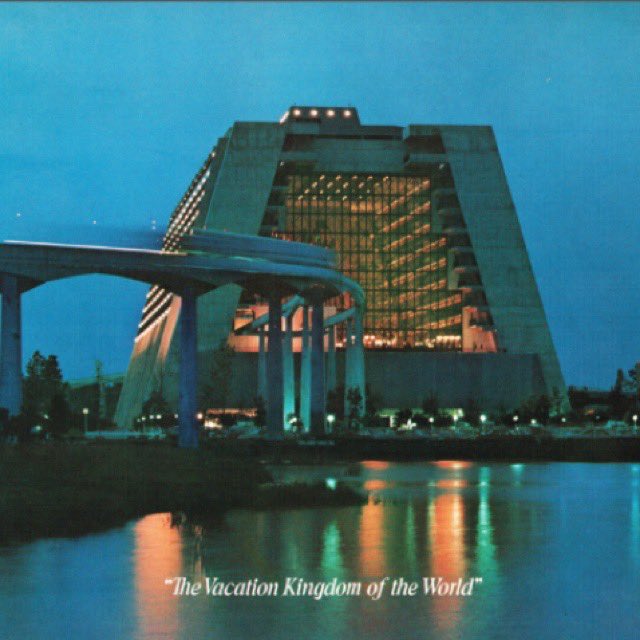
@luusssso @impossible_eng You should take a look at the architectural history of Coney Island and the amusement zones there at turn of century. The precursor to the development of the skyscraper.
.eth.eth tweet media
English
0
0
1
7
lusso
lusso@luusssso·
We don’t talk enough about how Disney gave us the blueprint for futuristic design
lusso tweet medialusso tweet medialusso tweet medialusso tweet media
English
40
239
2.6K
77.4K
Andy Masley
Andy Masley@AndyMasley·
@ilex_ulmus I do worry about this yeah and get annoyed at the tendency by Twitter to turn everything into tribal dunks. I wanna dedicate a lot more work to AI risk instead. I might impose a personal moratorium on the water stuff, definitely given it more than its fair share of time.
English
2
0
9
345
Holly ⏸️ Elmore
Holly ⏸️ Elmore@ilex_ulmus·
Do people like @AndyMasley worry about how going after the data center water use claims has polarized the discourse? It’s creating the impression that being anti-datacenter for any reason is hysteria. You can see this in the response to Bernie’s proposal, which was simply about not wanting datacenters or superintelligence.
English
4
0
22
3.5K
.eth.eth
.eth.eth@0xYeeeew·
@AndyMasley Given this is just semantics shouldn’t we try using a better definition of knowledge? I like deutsch - explanatory knowledge is universal, has reach, and is hard to vary. Your avo toast example isn’t knowledge it’s just a description
English
0
0
0
21
.eth.eth
.eth.eth@0xYeeeew·
@atomalom @EtherDais @M1ndPrison @AlpinDale deutsch requires fundamental model of something that is hard to vary and applies across location. its that the model is perfectly accurate (in fact this is impossible for him) but that it can be improved by criticism
English
1
0
1
20
.eth.eth
.eth.eth@0xYeeeew·
@atomalom @EtherDais @M1ndPrison @AlpinDale deutsch needs reach and hard to vary-ness for knowledge. your explanation has neither. see rock at angle - claim bark underneath...but twig underneath! or see rock underwater at funny angle - claim bark...but current!
English
2
0
1
25