
Helena Whyte retweetledi
Helena Whyte
12.5K posts


Helena Whyte retweetledi

Expanding opportunities for girls in STEM leads to greater innovation and solutions to global challenges. International Women’s Day celebrates women's achievements while highlighting ongoing barriers in STEM. When girls thrive, we all gain. buff.ly/rEscc5a

English
Helena Whyte retweetledi

Happy #WorldEngineeringDay 🌍✨
Engineering isn’t just about equations — it’s about building solutions that improve lives around the world!
From clean energy to robotics to smarter cities, engineers turn big ideas into real-world impact.
The future needs your ideas. 💡

English
Helena Whyte retweetledi

Today we celebrate #WorldEngineeringDay 🌍
Engineering drives innovation, strengthens communities, and helps solve some of the world’s most complex challenges.
We’re proud to support & elevate women engineers who are advancing solutions and expanding what’s possible worldwide!

English
Helena Whyte retweetledi

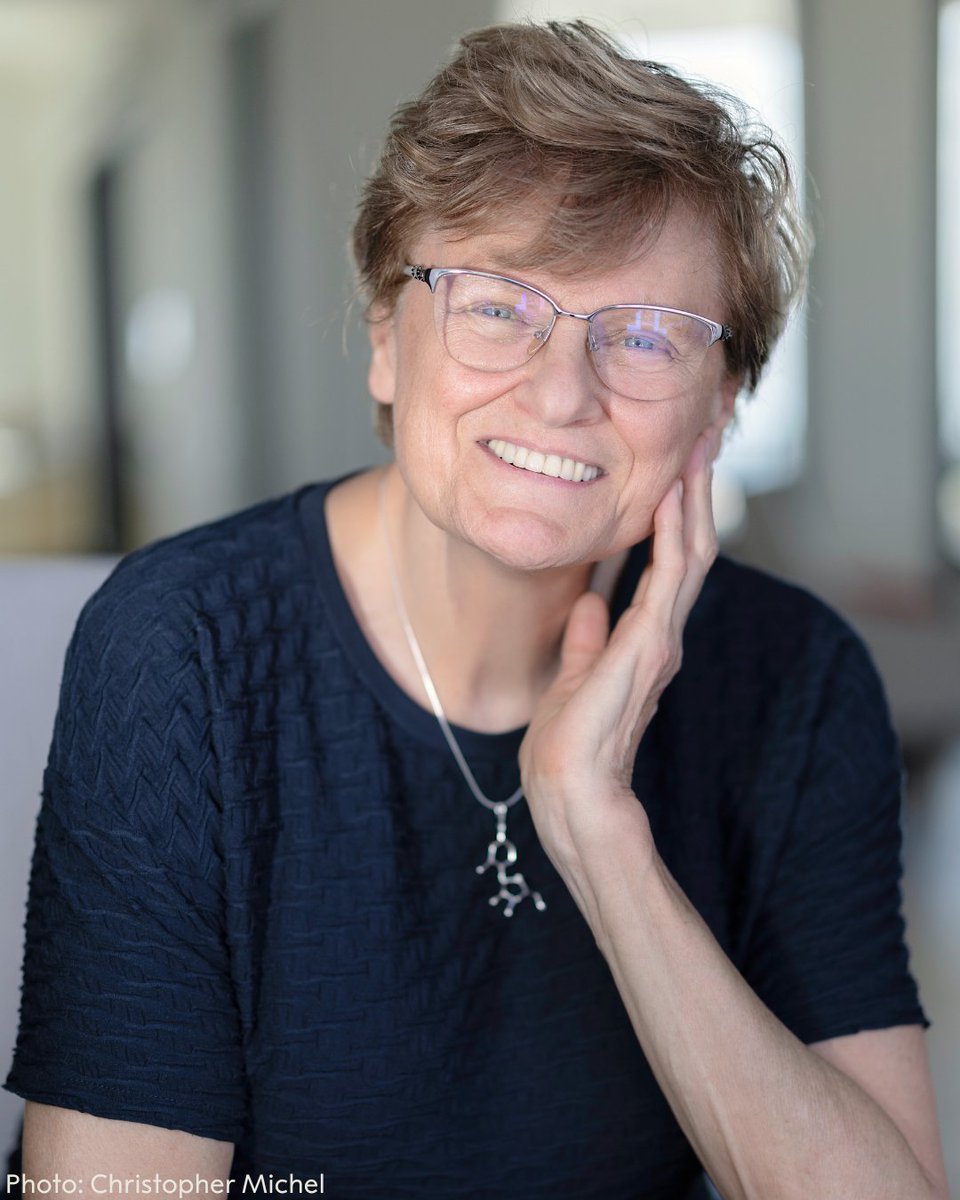
Do you or did you have a particularly inspiring teacher?
Medicine laureate Katalin Karikó’s high school teacher told her that she could be a scientist. “He said it so many times that at the end I believed it,” she said.
#NobelPrize
English
Helena Whyte retweetledi

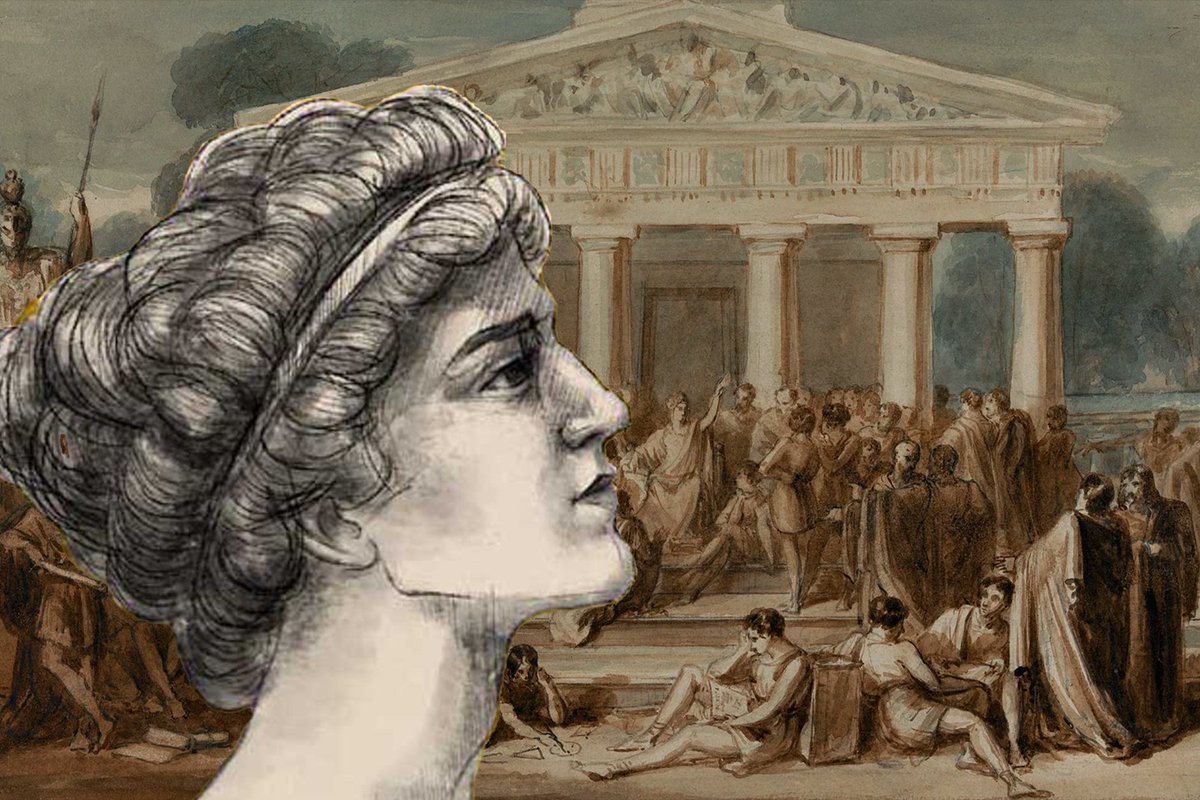
One of the earliest known female mathematicians, Hypatia lived in Alexandria, Egypt, during the 4th century. She made significant contributions to the fields of mathematics, astronomy, and philosophy and was known for her work on the development of the astrolabe, an ancient astronomical instrument.
English
Helena Whyte retweetledi

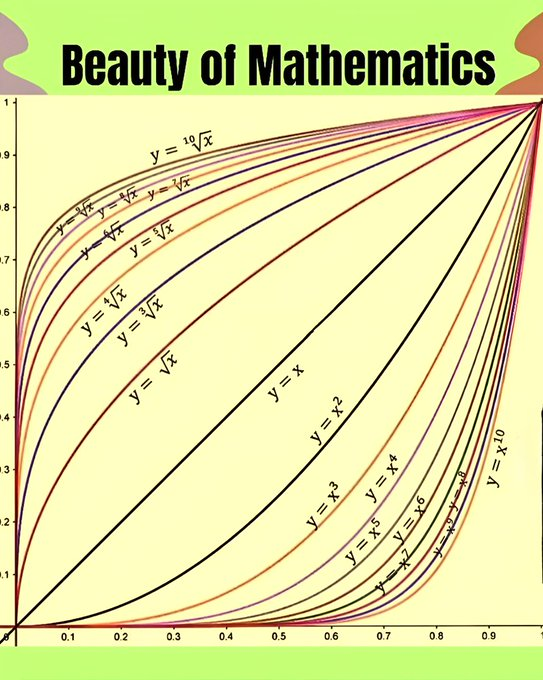
Mathematics may appear harsh in the beginning, but as you discover its inner beauty, it becomes a source of endless joy.
English
Helena Whyte retweetledi

This extraordinary illustration, titled Wild World, is a hand-drawn global map created by artist and cartographer Anton thomas. Instead of political borders and city names, the map highlights wildlife, placing animals in their native habitats across every continent and ocean.
Over the course of three years, Thomas meticulously illustrated 1, 642 species using coloured pencil and pen. Each animal is positioned according to its natural range, transforming the familiar shape of the world into a celebration of biodiversity.
By removing human boundaries and focusing on ecosystems, the map offers a powerful reminder that
the planet is shared space. It invites us to see geography not just as nations and borders, but as living habitats that connect species across land and sea.
English
Helena Whyte retweetledi

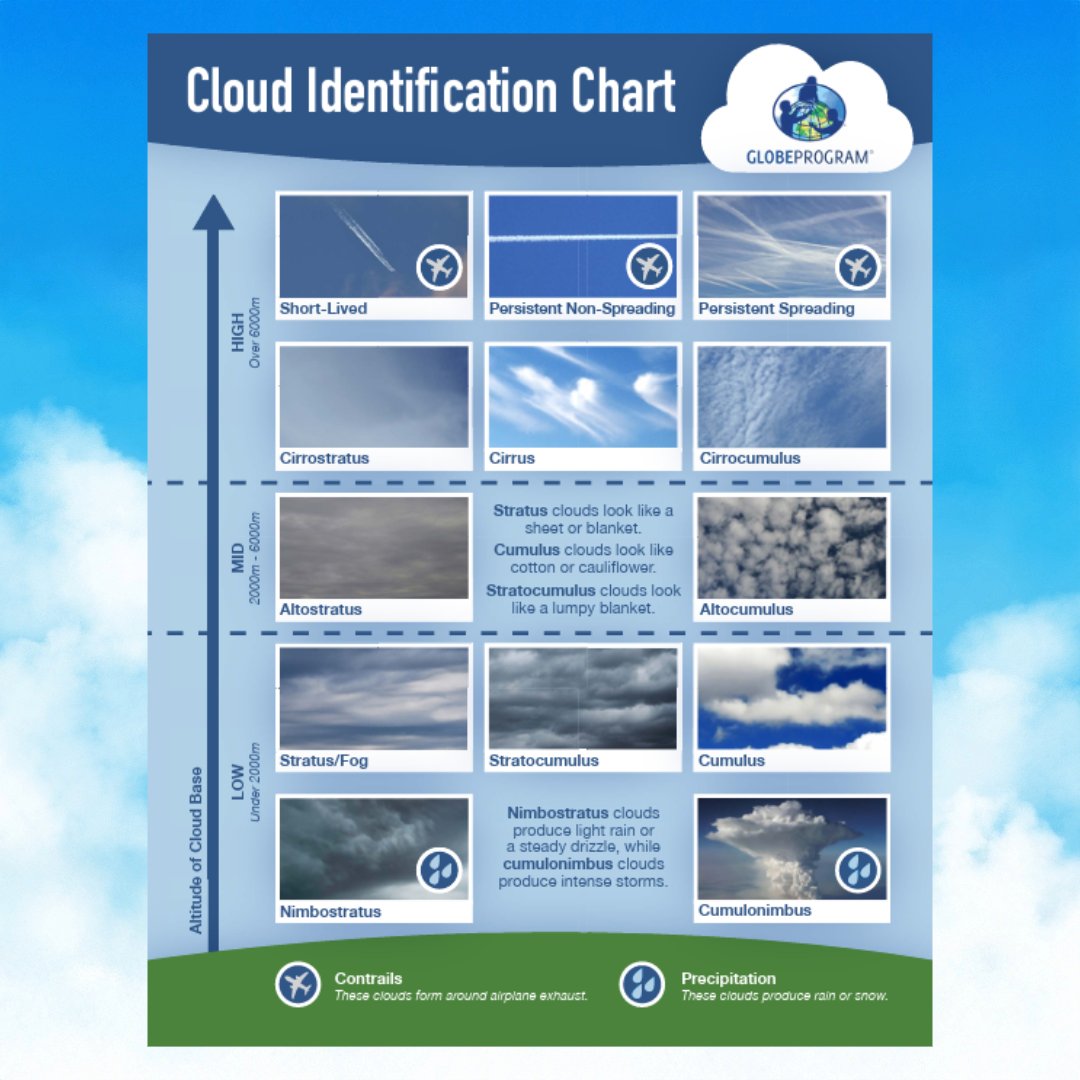
One of the simplest, and most fun ways to explore the sky is by identifying the clouds above you. The GLOBE Cloud Identification Chart makes it easy to recognize different cloud types and learn what they tell us about our atmosphere.
You can take it a step further by using the free GLOBE Observer app to log your observations and help support real scientific research around the world.
What kind of clouds are floating above where you are? Tell us in the comments below!
Download our cloud identification chart here: observer.globe.gov/.../GLOBECloud…
Start observing with GLOBE: observer.globe.gov
#DoGLOBE
English
Helena Whyte retweetledi


Helena Whyte retweetledi
Mentoring Month may be ending, but the impact of mentorship continues.
This All Together roundup highlights podcasts, articles, and learning resources focused on growth, connection, and career development through mentoring: bit.ly/4qsB4AF
#SWEMentoring #SWECommunity
English
Helena Whyte retweetledi
Authenticity can be one of the most powerful tools an engineer brings to work.
Sponsored by BD, this episode of Diverse features Christine Kearney Hawkins reflecting on a 20+ year career shaped by leadership, innovation, & staying true to who she is.
🎧: bit.ly/4k6CfUA
English
Helena Whyte retweetledi

A new study suggests it may be possible to regenerate cartilage lost to aging or arthritis with an oral drug or local injection, rendering knee and hip replacement unnecessary.
pulse.ly/z6a3o3yymj
English
Helena Whyte retweetledi

When you reach 100 years old in Barbados, you get a stamp in your honor

English
Helena Whyte retweetledi

BREAKING 🚨: Astronaut shares insane view of auroras seen from the International Space Station today
English
Helena Whyte retweetledi
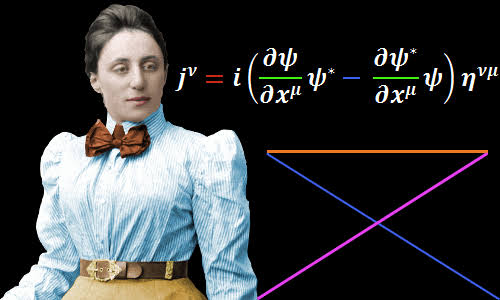
Emmy Noether (1882–1935), often called the mother of modern abstract algebra, was one of the greatest mathematicians of her time.
She did not fit the social expectations placed on women then and was unfairly mocked for her appearance and manner rather than judged for her work.
Colleagues held mixed views, but many ultimately recognized her brilliance.
Hermann Weyl famously said she was “the greatest” among them. Her lectures were fast, intense, and difficult to follow; ideas appeared and vanished on the blackboard as quickly as she thought them.
Few students usually attended, yet those who did were deeply involved in the creation of new mathematics.
Once, when an unusually large crowd came to her class, a student later joked that the visitors understood her lecture just as well as the regulars—hardly at all. Despite this, her influence reshaped mathematics forever.
English
Helena Whyte retweetledi

Frequent dancing has been shown to significantly reduce symptoms of depression, in some cases outperforming standard antidepressant medications.
According to research published in The BMJ, dancing uniquely combines physical exercise, music, rhythm, and social interaction, producing measurable improvements in mental health. This combination triggers the release of endorphins, dopamine, and serotonin—neurotransmitters that play a central role in mood regulation and emotional resilience. Unlike medication alone, dance also enhances body awareness, self-expression, and social connection, all of which are strongly linked to lower depression risk.
The findings highlight dance as a powerful, evidence-based, non-pharmacological approach to improving mental well-being.

English
Helena Whyte retweetledi

On hot days, bees position themselves at the entrance of their hive and use their wings as fans drawing warm air out and allowing cooler air to move in
English
Helena Whyte retweetledi

Helena Whyte retweetledi

I love geometrical diagrams from the early 1900s. They deliver a rare combination: intellectual satisfaction (the logic of compass-and-straightedge mastery) + visual delight (symmetry, flowing curves, hidden order...). They make me smile at how beautiful simple geometry can be.
From: Geometrical drawing; a collection of plates for practical use in elementary mechanical drawing, by Schraidt, Ferdninad Friedrich Hans, 1915.

English