Amit K Dash, DVM PhD

740 posts

Amit K Dash, DVM PhD banner
Amit K Dash, DVM PhD

Amit K Dash, DVM PhD

@AmitK_Dash

A lifelong Philomath.Trying to understand #Cancer #Androgenreceptor, #Medulloblastoma, Big fan of #NR super family,#Organoids #Naturephotographer

Omaha, NE Katılım Ekim 2022
547 Takip Edilen190 Takipçiler
Amit K Dash, DVM PhD retweetledi
EllisLab_
EllisLab_@EllisLab_·
It took us a while to convince our clinical colleagues but very happy to see science converted to trial on this one. Bring home the win for PCa patients 🤞🏼👏🏼🤞🏼👏🏼
UroToday.com@urotoday

MEVPRO-3 trial: Testing EZH2 inhibition in first-line metastatic hormone-sensitive #ProstateCancer. @neerajaiims @huntsmancancer joins @TDorffOnc @cityofhope to discuss this phase III trial testing ADT + enzalutamide vs ADT + enzalutamide + the EZH2 inhibitor mevrometostat, aiming to keep tumors dependent on AR signaling. #WatchNow on UroToday > bit.ly/4swwBOB #mHSPC

English
0
3
9
1.2K
Amit K Dash, DVM PhD retweetledi
Anirban Maitra
Anirban Maitra@Aiims1742·
J. Craig Venter has passed away. This 2017 profile by @matthewherper (then at @Forbes) is worth reading. Venter was a larger than life figure in the field of human genomics. There was a period in late 1990s-early 2000s when Celera Genomics was the 👑. #35f50fe93242" target="_blank" rel="nofollow noopener">forbes.com/sites/matthewh…
English
2
11
44
5.5K
Amit K Dash, DVM PhD
Amit K Dash, DVM PhD@AmitK_Dash·
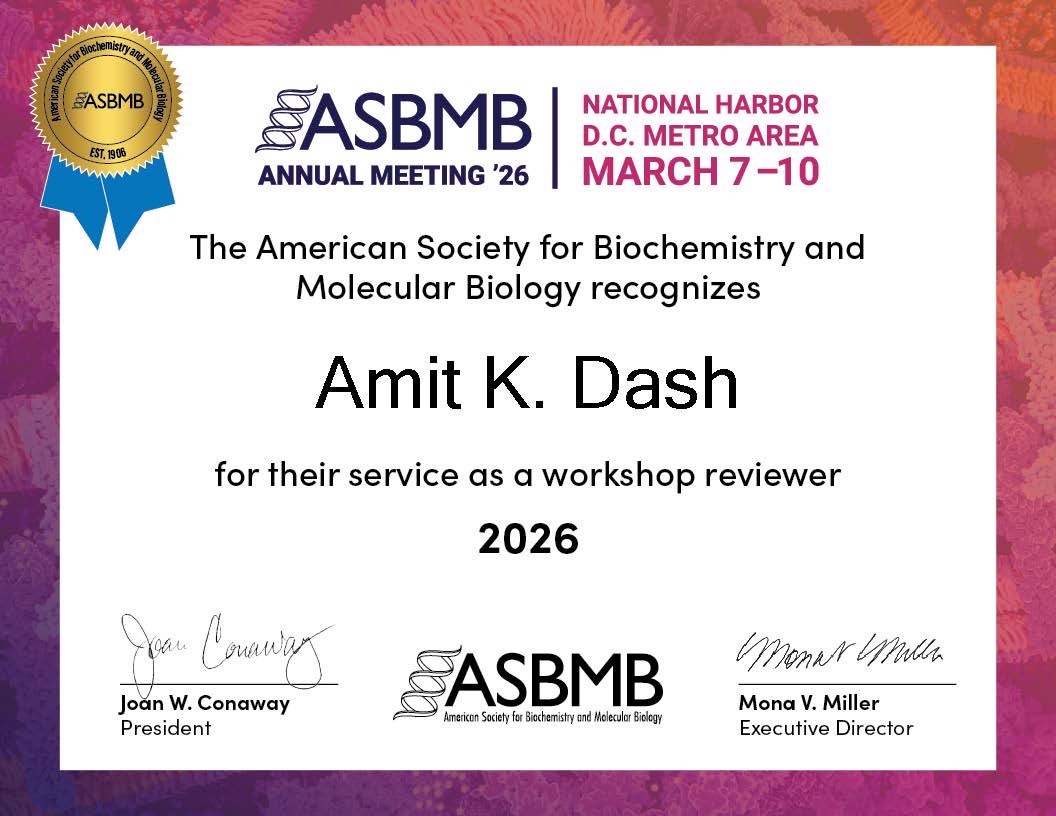
When you are unable to attend due to financial problems but willing to contribute something. I love these involvements/volunteering. I am learning a lot by doing these. Happy to contribute again. Thanks #ASBMB #UNMC
Amit K Dash, DVM PhD tweet mediaAmit K Dash, DVM PhD tweet media
English
0
0
0
57
Amit K Dash, DVM PhD retweetledi
Denis Wirtz
Denis Wirtz@deniswirtz·
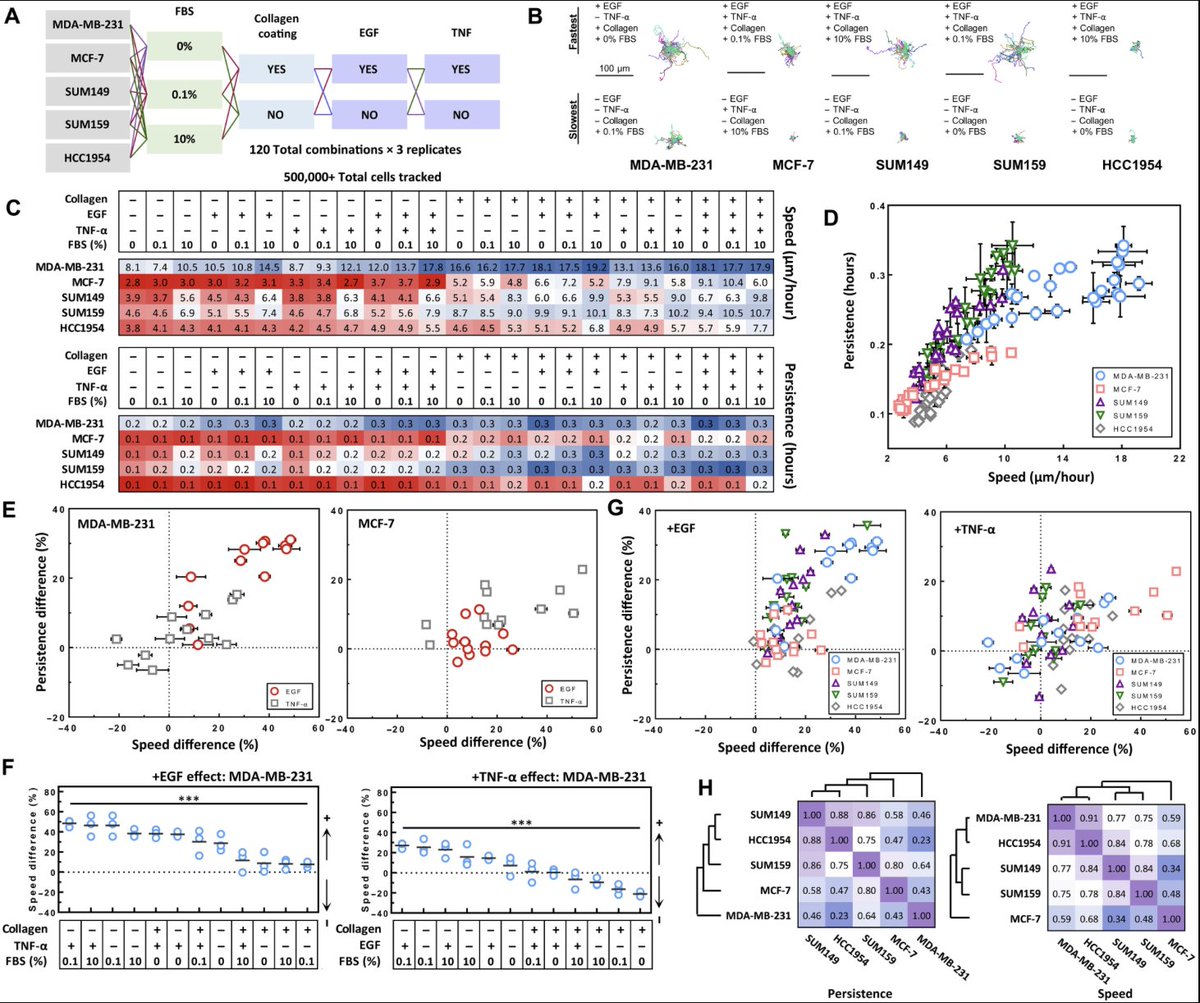
We have developed a new AI-based assay to rapidly identify new molecular targets to inhibit cancer cell migration and metastasis. See more details here: science.org/doi/10.1126/sc…
Denis Wirtz tweet media
English
1
33
115
17.3K
Amit K Dash, DVM PhD retweetledi
Cell Press
Cell Press@CellPressNews·
An update to the Hallmarks of Cancer framework for understanding (and researching) what causes human cancers. spkl.io/6010Aqwbi Douglas Hanahan @CellCellPress
Cell Press tweet media
English
3
211
482
57.3K
Amit K Dash, DVM PhD retweetledi
Anirban Maitra
Anirban Maitra@Aiims1742·
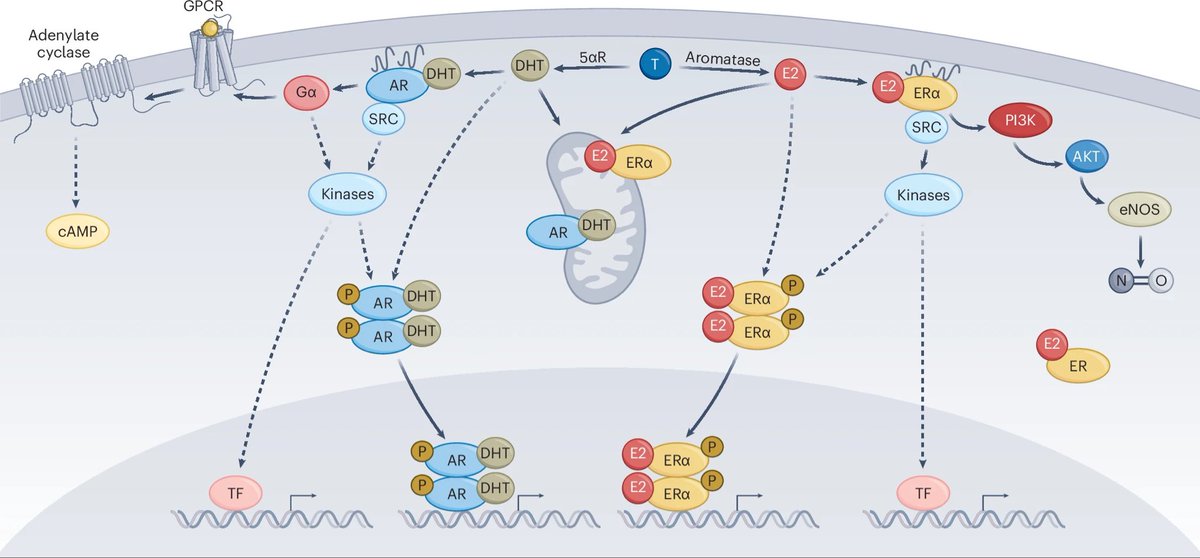
I learned a lot about testosterone signaling and systemic effects from this “metabolic messengers” perspective in @NatMetabolism. Lot more pleiotropic than commonly believed. nature.com/articles/s4225…
Anirban Maitra tweet mediaAnirban Maitra tweet media
English
1
14
59
5.7K
Amit K Dash, DVM PhD retweetledi
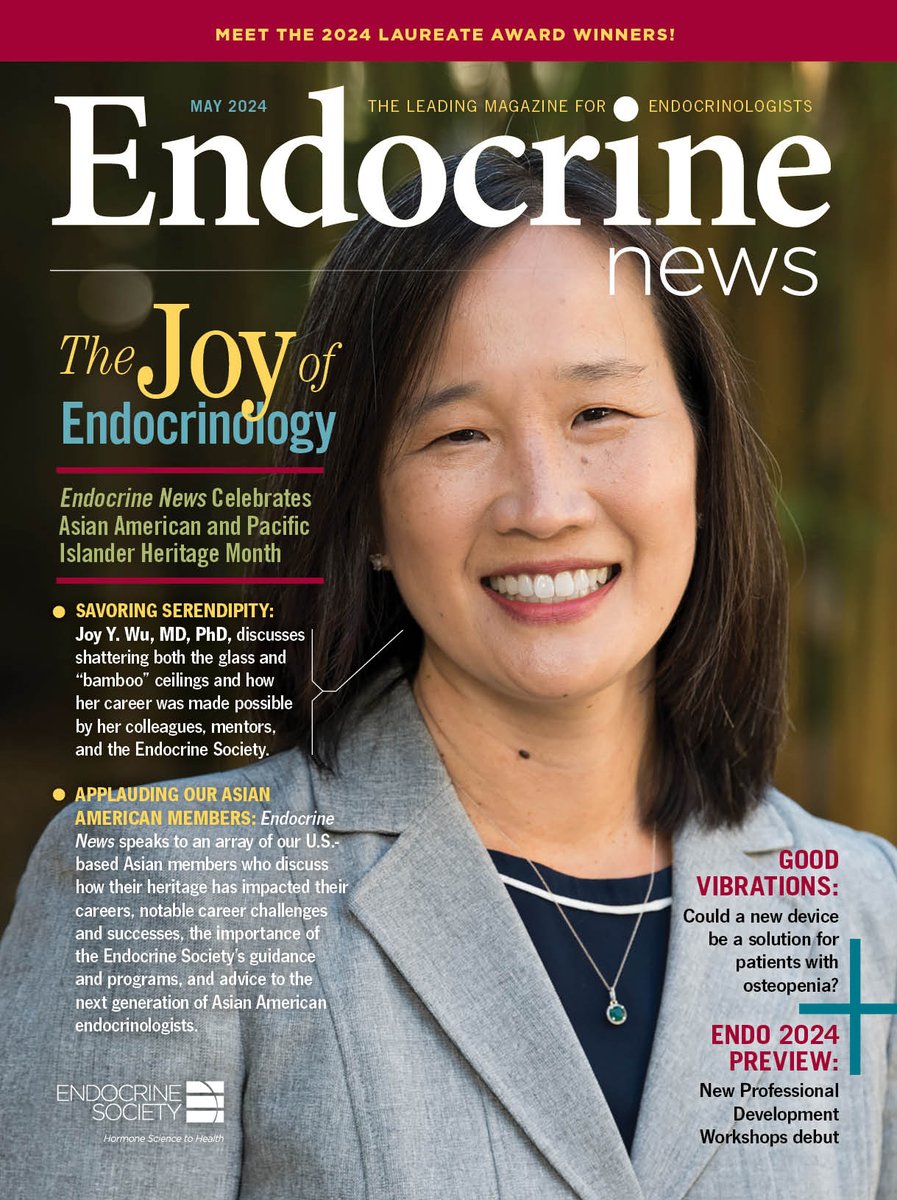
Endocrine News
Endocrine News@Endocrine_News·
Remembering endocrinology legend Joel Habener, MD, who was instrumental in the development of GLP-1-based drugs that have revolutionized the treatment of type 2 diabetes, obesity, and beyond: endocrinenews.endocrine.org/remembering-jo…
English
0
3
5
531
Amit K Dash, DVM PhD retweetledi
Endocrine News
Endocrine News@Endocrine_News·
When @TheEndoSociety Past-President Bert W. O’Malley, MD, passed away, all corners of the world of endocrinology mourned. Past student and longtime friend Donald P. McDonnell, PhD, looks back on the life and career of a true endocrinology legend: endocrinenews.endocrine.org/remembering-th…
English
0
2
5
239
Amit K Dash, DVM PhD
Amit K Dash, DVM PhD@AmitK_Dash·
@DanielFrigo This is the reason I love AR. It has it’s presence all most everywhere though role maybe different
English
0
0
0
40
Eleonora Dondossola,PhD
I am very honored to be part of the 2021 #40Under40inCancer Rising Stars & Emerging Leaders! This award recognizes the nation’s most promising young oncology professionals and celebrates our contributions to improve the lives of those affected by cancer @MDAndersonNews @PCFnews
Eleonora Dondossola,PhD tweet media
English
10
6
66
0
Amit K Dash, DVM PhD retweetledi
BCM_Surgery
BCM_Surgery@BCM_Surgery·
In Memoriam: Bert W. O'Malley, M.D. It is with great sadness that we announce the death of Dr. Bert W. O'Malley, Baylor College of Medicine chancellor, and former chair of the Department of Molecular and Cellular Biology. He also served as the associate director of basic research in the Dan L Duncan Comprehensive Cancer Center at Baylor College of Medicine. Considered the ‘founding father’ in the field of molecular endocrinology, Dr. Bert O’Malley was born in Pittsburgh, Pa. and received his Bachelor of Science degree from the University of Pittsburgh and his medical degree from the University of Pittsburgh School of Medicine. He did his clinical internship and residency training at Duke University Medical Center and spent four years at the National Institutes of Health, where he was head of the Molecular Biology Section of the Endocrine Branch of the National Cancer Institute of the National Institutes of Health. He then served as the Lucious Birch Professor and Director of the Reproductive Biology Center at Vanderbilt University before joining Baylor College of Medicine as chair of the Department of Molecular and Cellular Biology in 1973, a position he held for 45 years. During his time in this role, the department was routinely listed in the top five in the nation in securing National Institutes of Health funding; more than five times as No. 1. He published more than 700 papers and holds 29 patents in the fields of gene regulation, molecular endocrinology, steroid receptor and coactive action and cell proteomics and metabolism. In July 2018, O’Malley was named the fourth chancellor of Baylor College of Medicine and stepped down as chair of the department to assume the role of chancellor, but continued to direct his research lab. As chancellor, he advised the president of Baylor College of Medicine, participated in strategic planning activities and acted as an ambassador for the College. He was a member of the NCI-designated Dan L Duncan Comprehensive Cancer Center at Baylor. O’Malley changed the understanding of endocrinology in a fundamental way. He focused his research on the molecular mechanisms that guide gene regulation in endocrinology and endocrine cancers, including how hormones, receptors and coactivators contribute to the disease process. His pioneering work in this field has shown that intracellular hormones and cofactors act at the level of DNA to regulate the production of proteins and affect the function of the cell. Research Highlights: Dr. Bert W. O'Malley received the 2013 Endocrine Regulation Prize of the Foundation IPSEN at the 15th European Congress of Endocrinology on April 29, 2013.. O’Malley’s lab discovered and was the first to solve the structure of a functional receptor-coactivator complex on DNA capable of regulating gene transcription in vitro. In addition, he showed that steroid receptor coactivator-2 (SRC-2), which is highly elevated in a variety of tumors, is likely implicated in metabolic coordination of cancer metastasis, opening the possibility of therapeutically targeting the SRC-2 pathway. His work with steroid receptor coactivator-3 (SRC-3), a prognostic marker for aggressive human breast cancer, showed that small-molecule inhibitors that directly bind SRC-3 cause selective degradation of the complex, hereby killing cancer cells with no observable toxicity. Small-molecule inhibitors represent a new type of oncologic drugs that target coactivators. In addition, Dr. O’Malley’s work showed in a mouse model of heart disease, that stimulating SRC-3 with small-molecule MCB-613 initiated a complex cascade of events in tissue repair and modulation of the inflammatory response that reduced fibrosis, attenuating loss of cardiac function after myocardial infarction. These findings open the possibility of novel therapies to regulate the progression of heart failure via SRC-3. His work also revealed a role for SRC-3 in regulatory immune T cells (Tregs) that promote cancer growth by inhibiting anti-cancer immune responses. He also showed that SRC-3 is significantly enriched in both murine and human Tregs. Inhibiting SRC-3 in Tregs in the lab stopped them from reducing the anti-tumor response, suggesting that modulating SRC-3 in Tregs might help control cancer growth. Dr. O’Malley will be missed greatly and his contributions to cancer research will live on for decades to come.
BCM_Surgery tweet media
English
1
11
44
6.2K
Amit K Dash, DVM PhD retweetledi
Cold Spring Harbor Laboratory
It is with sadness that we acknowledge the passing of Dr. James Watson, Nobel prize-winning scientist and former Director and President of CSHL. We extend our sincere condolences to his wife Liz and family during this difficult time. We recognize Dr. Watson’s incredible contributions to science and the research community. More on Dr. Watson’s legacy with CSHL can be found on our website. cshl.edu/in-remembrance…
English
42
132
529
63.8K