cardio Roland

922 posts

cardio Roland

cardio Roland

@CardioRoland

It’s all about flow! heart failure, biomarkers and aorta cardiologist, suffering from cardioglossopexia (hart op de tong) tweets on personal title

Nijmegen, Nederland Katılım Eylül 2019
515 Takip Edilen271 Takipçiler
cardio Roland retweetledi

European Society of Cardiology Journals
Rare clinical presentations remind us how important careful diagnostic evaluation and multimodality imaging are in cardiology. This case report highlights the complexity of recognizing uncommon cardiac conditions and the value of a multidisciplinary approach. Published in European Heart Journal – Case Reports: ow.ly/rV5w50Ytfw5 #CardioTwitter #Cardiology #CardiacImaging #CaseReport #EHJCR #MedTwitter #EHJCaseReports @Phiso_de @TJ_Yeo @aayshacader @BoldiKovacsMD @SukritiBanthiya @ANazmiCalik @O_Azizy_MD @saramoscatelli7 @EHJCREiC #CardioX
European Society of Cardiology Journals tweet media
English

2
7
21
3.1K
cardio Roland retweetledi
Ahmed Bennis MD 🫀
Ahmed Bennis MD 🫀@drbennisahmed·
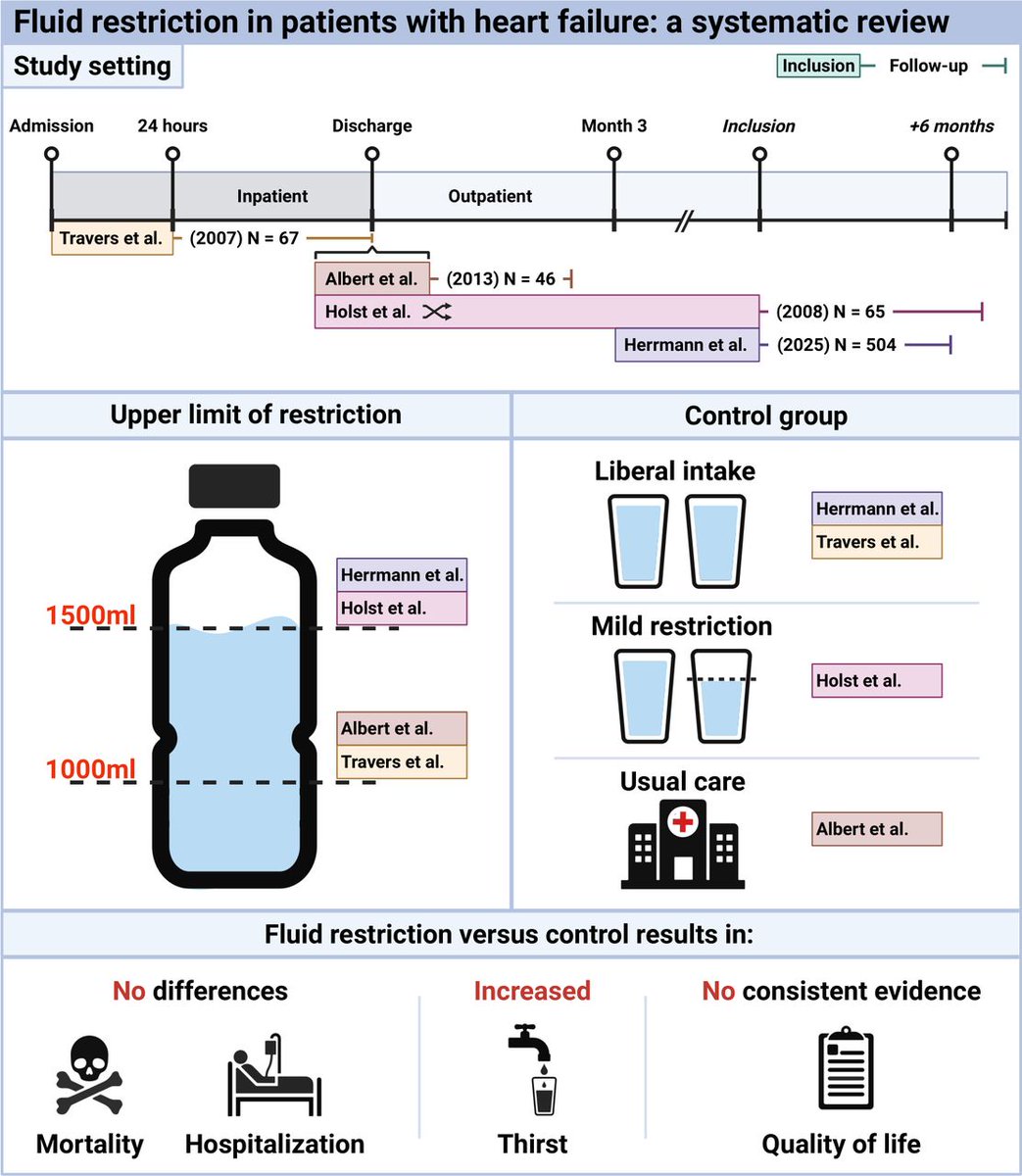
Fluid restriction in patients with heart failure: a systematic review Studies on fluid restriction in patients with HF are scarce, and most of the available studies are at high risk of bias. Although power is lacking, there is no evidence indicating that fluid restriction affects mortality or HF hospitalisations, but there is a signal of harm in terms of thirst distress #Cardiology #MedTwitter #CardioTwitter #HeartHealth #Healthcare @mvaduganathan @HFA_President @hfcollaboratory @DrMarthaGulati @hvanspall @dranulala @dranulala @SJGreene_md @gcfmd heart.bmj.com/content/early/…
Ahmed Bennis MD 🫀 tweet media
English
0
8
18
1.3K
cardio Roland retweetledi
Ahmed Bennis MD 🫀
Ahmed Bennis MD 🫀@drbennisahmed·
A Bayesian analysis of finerenone in heart failure with mildly reduced and preserved ejection fraction: a pre-specified analysis of FINEARTS-HF The non-steroidal MRA finerenone reduced the rate of cardiovascular death and total heart failure events under both frequentist and Bayesian inference methods. The probability of benefit exceeded 80% for both cardiovascular and all-cause mortality with finerenone #Cardiology #MedTwitter #CardioTwitter #HeartHealth #Healthcare @mvaduganathan @hfcollaboratory @gcfmd @ESC_Journals @escardio @ShelleyZieroth @AndrewJSauer @safchat academic.oup.com/ehjcvp/advance…
Ahmed Bennis MD 🫀 tweet media
English
1
8
24
1.5K
cardio Roland retweetledi
Davide Capodanno
Davide Capodanno@DFCapodanno·
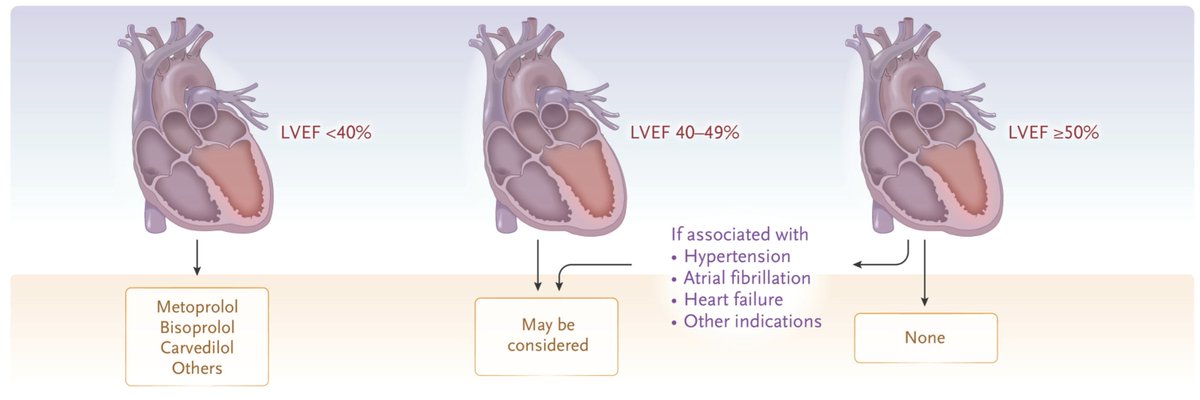
After the two recent meta-analyses published in The Lancet and NEJM, one could argue that the case is settled: following myocardial infarction, beta-blockers should be prescribed to patients with an LVEF <40%, may be considered in those with an LVEF of 40–49%, and in patients with an LVEF ≥50% only if there are other indications, such as hypertension, atrial fibrillation, or heart failure. The guidelines are partially misaligned with the emerging evidence and will most likely be updated in the near future.
Davide Capodanno tweet media
English
8
85
283
20.1K
cardio Roland retweetledi
Andrew J Sauer MD
Andrew J Sauer MD@AndrewJSauer·
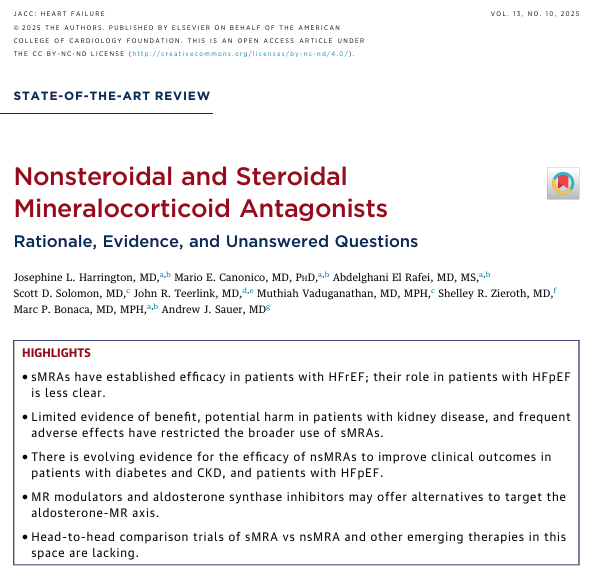
ENCORE: One of JACC Heart Failure @JACCJournals most-read papers of 2025 — and the timing couldn’t be better. If you care about heart failure outcomes and the aldosterone–mineralocorticoid receptor axis, this state-of-the-art review is worth a spot on your reading list. Why now? We’re at an inflection point in the MRA space. Traditional steroidal MRAs (spironolactone/eplerenone) remain foundational in HFrEF with Class I, Level A evidence, yet real-world use is still strikingly low, often driven by concerns about hyperkalemia, kidney function, and endocrine side effects. Meanwhile, the evidence base for nonsteroidal MRAs (nsMRAs) has matured fast, especially for patients who live at the intersection of HFpEF/HFmrEF, CKD, and diabetes. What this review does: Clarifies the “why” behind class differences: nsMRAs lack a steroid nucleus and have different receptor selectivity, PK/PD, and heart–kidney tissue distribution, which may translate into a distinct efficacy/safety signature. Synthesizes the clinical trial landscape: from the established HFrEF benefit of sMRAs to the more mixed HFpEF story (including the well-known TOPCAT regional issues), and then the expanding outcomes data for nsMRAs. Frames what’s next (and what we still don’t know): head-to-head outcomes comparisons remain limited, and the pipeline (MR modulators, aldosterone synthase inhibitors) is evolving quickly. Why it matters clinically: For many of our patients with HF (especially those with CKD/diabetes), we’re constantly balancing: ---“Will they tolerate an MRA?” ---“Can we keep them on it safely?” ---“Which phenotype gets the most net benefit?” This review is a pragmatic map of that terrain and a useful way to align clinicians, pharmacists, and trialists around the next set of questions that actually matter at the bedside. If you’re following the MRA evolution across the EF spectrum, or designing trials/implementation strategies in this space, this is a worthwhile download for your files. doi.org/10.1016/j.jchf…
Andrew J Sauer MD tweet media
English

3
52
173
11K
cardio Roland retweetledi
Dorian L. Beasley MD, FACC
Dorian L. Beasley MD, FACC@cardiojaydoc02·
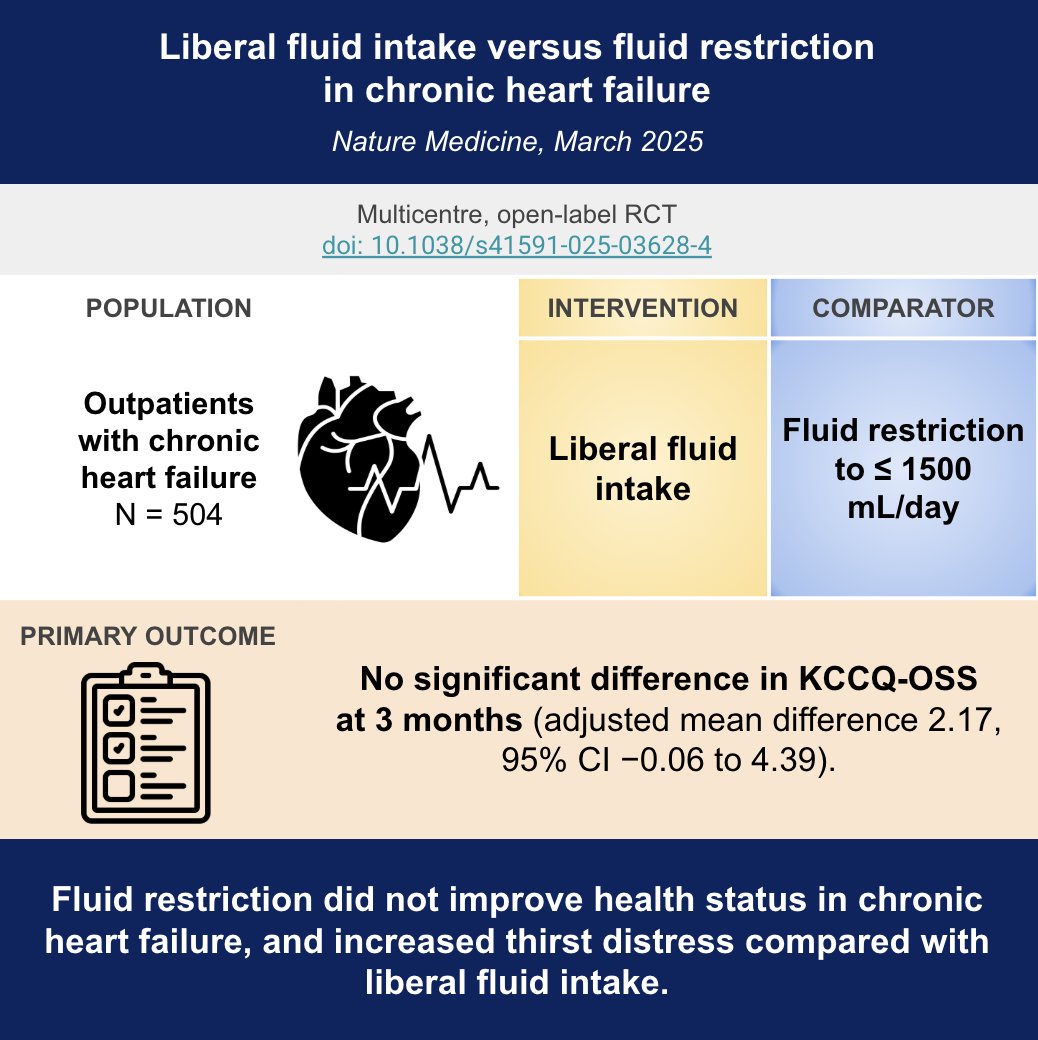
Routine fluid restriction in heart failure.
English
1
2
27
9K
cardio Roland retweetledi
Dr. Filippo Cademartiri
Dr. Filippo Cademartiri@FCademartiri·
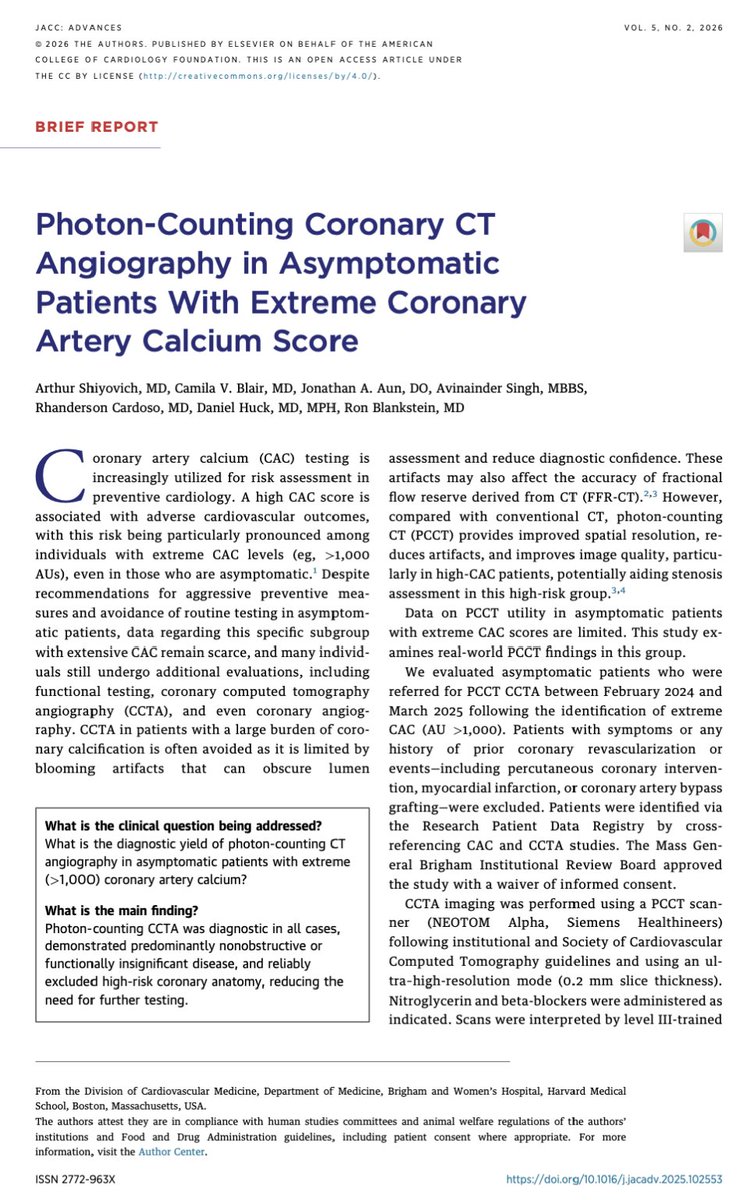
🫀⚡ Extreme CAC doesn’t automatically mean severe disease: photon-counting CCTA tells a more nuanced story REPOST b/c this is a change practice information. This 2026 JACC: Advances brief report addresses a long-standing dilemma in preventive cardiology: what do we really find when asymptomatic patients with extreme coronary artery calcium (CAC >1,000 AU) undergo coronary imaging? With photon-counting CT (PCCT), the answer is far less alarming than many assume  . 📊 Who was studied The authors evaluated 19 asymptomatic patients (mean age 64.5 years, 32% women) with a mean CAC of 1,510 AUand no prior CAD, MI, or revascularization. All underwent ultra–high-resolution PCCT coronary CTA (0.2 mm slices), interpreted using CAD-RADS 2.0. FFR-CT and invasive angiography were used selectively. 🔍 Key findings ✅ 100% of PCCT scans were diagnostic, despite extreme calcification 74% had no severe coronary stenosis CAD-RADS 2–3: 74% CAD-RADS 4: 21% CAD-RADS 5: 5% (1 patient) FFR-CT (n=7) was negative in all tested patients (FFR 0.80–0.93) Invasive angiography (n=4) confirmed: 1 true high-risk case → CABG No PCI performed in any patient 🧠 Why this matters Extreme CAC is a powerful risk marker, but it does not necessarily equate to: flow-limiting stenosis high-risk coronary anatomy need for invasive testing PCCT’s superior spatial resolution and reduced calcium blooming allow reliable lumen assessment where conventional CCTA often fails. ⚠️ Important caveats Small, retrospective series; no outcome data; highly selected population. This is not an endorsement of routine CCTA in asymptomatic patients—but it challenges the assumption that CAC >1,000 makes anatomic imaging futile. 🔮 Bottom line 📌 CAC defines risk. PCCT clarifies reality. In selected asymptomatic patients with extreme CAC, PCCT CCTA can safely exclude high-risk anatomy and reduce unnecessary downstream testing—turning fear-driven escalation into evidence-based reassurance.
Dr. Filippo Cademartiri tweet media
English
2
14
36
2.9K
cardio Roland retweetledi
Ash Paul
Ash Paul@pash22·
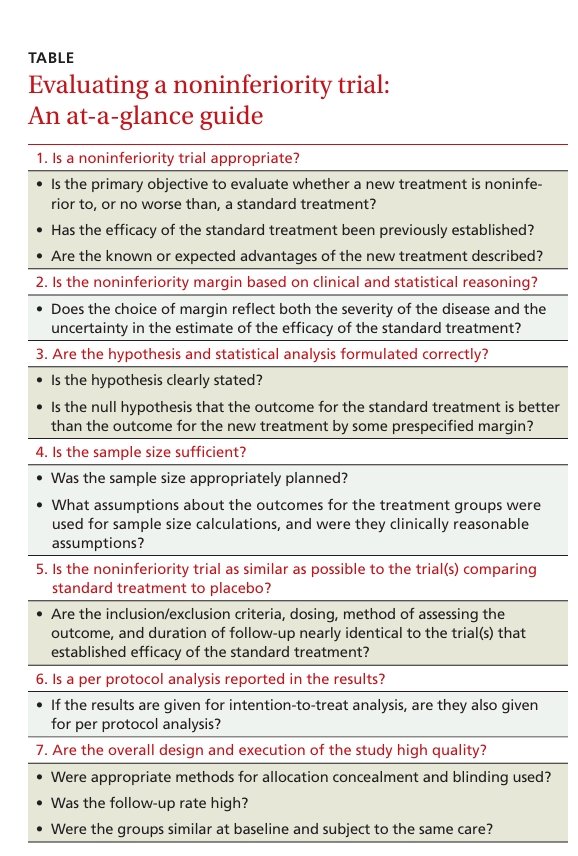
7 questions to ask when evaluating a noninferiority trial: While most physicians are accustomed to evaluating randomized placebo-controlled studies, many are less familiar with the purpose and takeaway of noninferiority trials acrobat.adobe.com/id/urn:aaid:sc…
Ash Paul tweet mediaAsh Paul tweet media
English
0
45
105
17.6K
cardio Roland retweetledi
Dead End King
Dead End King@deadend_king·
A man for the ages
English
112
2.1K
10.1K
440.8K
cardio Roland retweetledi
Ahmed Mohsen
Ahmed Mohsen@drahmedmohsen85·
💊 Tips & Tricks in Beta-Blockers 🔹 Nebivolol: most selective β1 → best for asthma/COPD 🔹 Bisoprolol/Metoprolol: best rate control 🔹 Nebivolol: lowest ED risk 🔹 Carvedilol/Nebivolol: best BP effect 📘 From my book: Tips and Tricks in Cardiology ✉️ Type “tips” if interested
Ahmed Mohsen tweet media
English
22
120
454
32.9K
cardio Roland retweetledi
Ahmed Bennis MD 🫀
Ahmed Bennis MD 🫀@drbennisahmed·
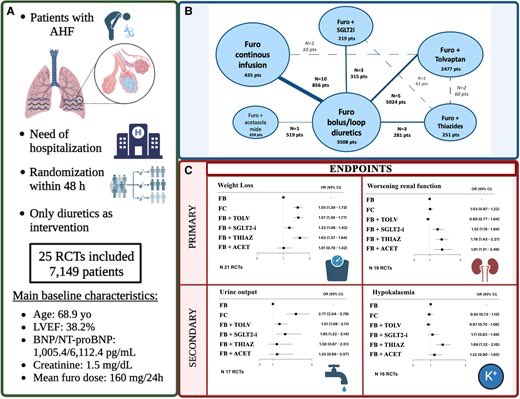
Diuretic strategies in acute heart failure: a systematic review and network meta-analysis of randomized clinical trials FC and SNB improve surrogates of response to FB in AHF. SNB is also connoted by WRF and may induce hypokalaemia. The endpoints of diuretic RCTs should be revised and harmonized. @mvaduganathan @hvanspall @DrMarthaGulati @BiykemB @gcfmd @SJGreene_md @AndrewJSauer @AndrewJSauer @hfcollaboratory @ShelleyZieroth @Hragy @AnastasiaSMihai academic.oup.com/ehjcvp/advance…
Ahmed Bennis MD 🫀 tweet media
English
0
27
65
4.9K
cardio Roland retweetledi
love drops
love drops@lovedropx·
love drops tweet media
ZXX
23
1K
8.9K
470K