
Sabitlenmiş Tweet
Chris Chatfield (Also on Bl..Sky)
3.5K posts
Chris Chatfield (Also on Bl..Sky)
@ChrisChatfield
Astrophotography from the top of a 🧑🦼 ramp || #MECFS - me for 24yrs, my wife for 35yrs || SARS2 (COVID) is airborne, and disabling millions, so using FFP3 😷
Crawley, England Katılım Ağustos 2013
1.4K Takip Edilen272 Takipçiler
@TheGreenBaize I’m hating the extended, blurry shot of the reds on break-off. I want to see the angles!
English

Have to say the exaggerated staying down on the shot is beginning to get on my nerves.
English

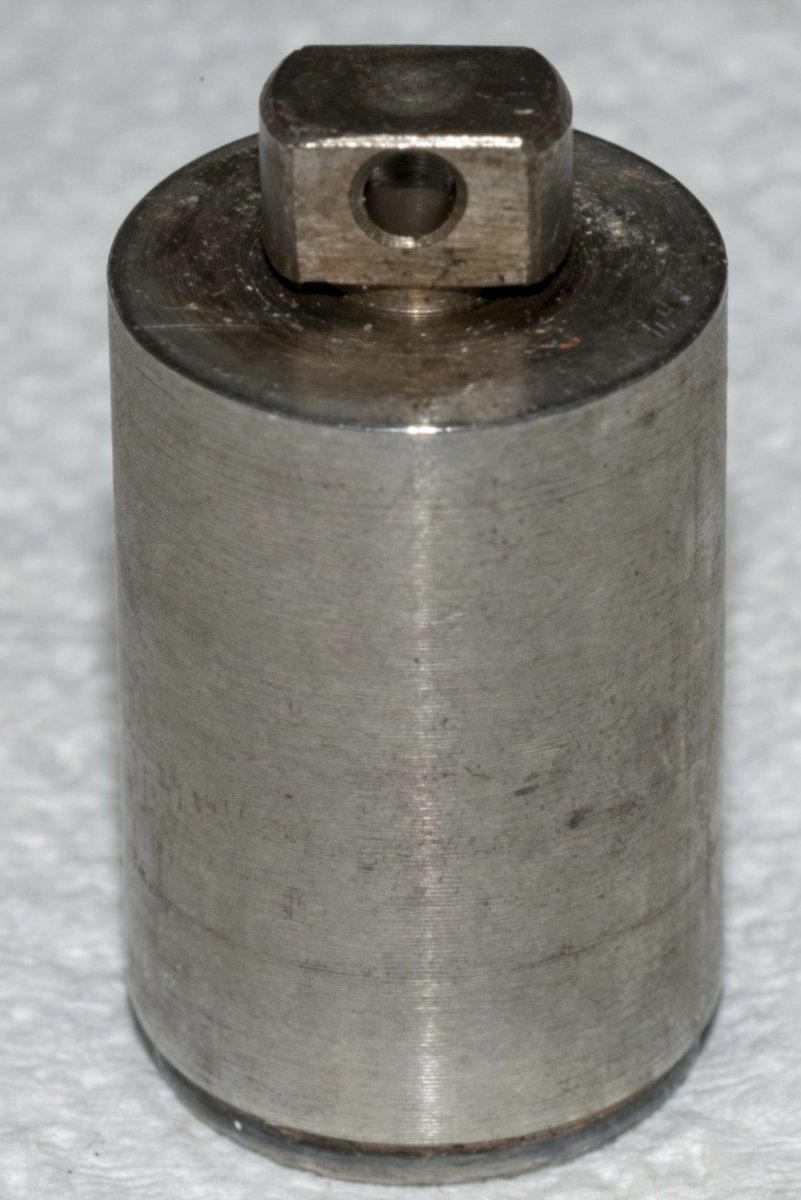
Hypothetical: You find this metal plug laying on the ground, what is your first reaction? ☢️

English
@michael_hoerger @DrIanWeissman This is because if you ‘rate this Community Note’ it asks if this rating should apply to “44 posts” that mention this article. I’m guessing some of those suggest/imply a link to COVID.
English

@DrIanWeissman What's really weird is that Twitter has auto-added a suggested Community Note written *6 days before your Tweet* warning that the rise in cancer is not due to COVlD. You never mentioned COVlD or even implied that.
This is some very weird thought policing by the platform.

English

Rectal cancer deaths rising rapidly among millennials: 'It's a medical crisis.' By 2035, rectal cancer death rates could exceed deaths from colon cancer.
nbcnews.com/health/health-…
English
@LukeMiani Constellation?
[The aquaduct?, …]
English

@1903wrightflyer @1goodtern @KeyWorkerPetUK @Specsavers We had Specsavers out two years ago and they tested/fitted us without problem while we were masked.
English

@1goodtern @KeyWorkerPetUK Been waiting to go to the optician so will try to go very soon.
Bad experience last time @Specsavers when the optician said we must remove our masks.
I didn’t & it was fine but my husband was persuaded.
English


Both barrels bang! You'd hit the wall.
English
@_RocketFan147 This post was directly under a video of Brand trying to find that scripture and I thought it was some clever “3000 years later” comment.
English
English
@ClideDave @NASAAdmin So, 1/10th of a second? That makes a 400g meteorite.
English
Yesterday while driving to the airport for a training flight I heard @NASAAdmin talking about the impact flashes observed by Artermis II crew on the dark side of the moon. Specifically I heard these described as 'Micrometeorites' and thought they would be bigger, so it got my brain running on estimating the actual size of these objects based on what I knew.
By the time I got to the airport 10 minutes later I had concluded the mass of these impactors is kilograms, so not 'micro' meteors, and that's not a dig at Jared by any means, for his EVA on Polaris Dawn he had almost certainly discussed micrometeorites, things the size of a grain of sand, that could damage the suit.
But, what I really want to talk about is the mental arithmetic I did while driving, because I do these order of magnitude estimates for all sorts of questions.
So I don't have any deep understanding of how bright the flashes would have been to be visible to the crew, I don't have a deep understanding of human visual acuity. But I started from the assumption that this is comparable to a faint star appearing for a second or so.
I know the absolute magnitude of the sun is 4.8, that's how bright the sun appears at 10 parsecs. That's towards the fainter end of stars, and if one appeared for a fraction of a second it might register.
I know a Parsec is 206265AU. (and 206265 is number of arc seconds in a radian). I also know the solar constant at earth is about 1370W/m^2.
So to get the solar flux at 10 parsecs I'd have to divide by 2062650^2 - but that's too much math, just approximate to (2*10^6)^2 - or 4x10^12.
dividing 1370 by 4 is roughly 350 or 3.5x10^2
Which puts solar illumination at 10parsecs at about 3.5x10^-10 W/m^2
So that's my standard light flux for 'faint star'.
Let's now assume the flash lasts 1 second to avoid adding extra math, change watts into joules.
Now, reverse this and figure out the energy of the object on the moon, for that we'd need to know how far they were from the moon. And I didn't carry that around in my head, but, I knew the closest approach was about 4000 miles, and the eclipse was past closest approach.
So I used the number of 10,000km because that's 10^7m making the math easy - I need the square of that so 10^14.
To figure out the energy emitted we take the energy per square meter and multiply it by the surface area of the sphere with a radius equivalent to astronaut's viewing distance.
Take that 3.5x^-10J and multiply it by 4xPIx10^14
4 Pi is about 12.5, so I use 3.5x12.5 as about 40 (because I know 12.5x4 = 50). It's about 7% low but I don't care for small errors.
So total energy is 4x10^5J.
But that's just the energy that comes out as light, the energy of an impactor mostly goes into other forms, I learned this while making my video on @NASAAmes Vertical Gun Range.
I know it's between 0.01-1% of the kinetic energy that comes out as light.
So, using 10^-3 that gives impactor energy of 4x10^8J
Now figure out the impactor mass, impact speeds are 10-15km/sec, remember kinetic energy goes as v^2.
Now you might think that 10km/sec gets you a nice factor of 10^8, but then you need to multiply the mass by a factor of 2 (because of 1/2 m v^2).
But if you use 14.14km/sec then that eliminates the factor of 2, and puts the velocity closer to the high end.
So, point is I just adjust the energy by 10^8 and leave the 4 part as my mass estimate.
4kg of course. Not a micrometeorite.
So, my mass estimate for an impactor is on the order of a few kilograms, but there's massive error bars here, because I don't know how bright the flashes looked to the astronauts, I don't have a detailed model of the human visual system or the luminance conversion efficiency of meteorites.
I have an order of magnitude estimate I did in my head while driving, and 90% of the process is just multiplying by powers of 10, simply adjusting the exponent. Sure you have to carry numbers around like the solar constant, absolute magnitude of the sun etc. But I bet many of you have esoteric numbers you carry around in your heads.
I then proceeded to go flying and feel soundly humbled by ATC overloading my brain.

English
@Snooker_Chat How does this variability arise? There must be so little tolerance in the fitting equipment used for the pockets.
English

John Parrott has welcomed tight pockets at the Cruclble.
Players have been seen struggling to make tough pots near the black spot in recent days.
BBC pundit Parrott called the pockets "challenging". He made similar comments in the UK Championship. #snooker
First pic: BBC


English
@WHOWPRO That’s like holding your breath once you’re already under water!
And show well-fitting respirators.
English

If you are in crowded places with poor ventilation, #WearAMask.
Because it helps keep you and your community safe from #COVID19, flu and other respiratory illnesses.
And remember these other measures to help protect yourself and others from COVID-19, flu, measles and other respiratory illnesses:
-Practice hand hygiene and respiratory etiquette (cover your mouth and nose with a bent elbow or a tissue when you cough or sneeze)
-Keep a distance when possible
-Keep rooms well-ventilated
-Stay home if you feel unwell
-Get vaccinated and stay up to date with booster doses
English
@fakehistoryhunt Could buy a house with that!
English

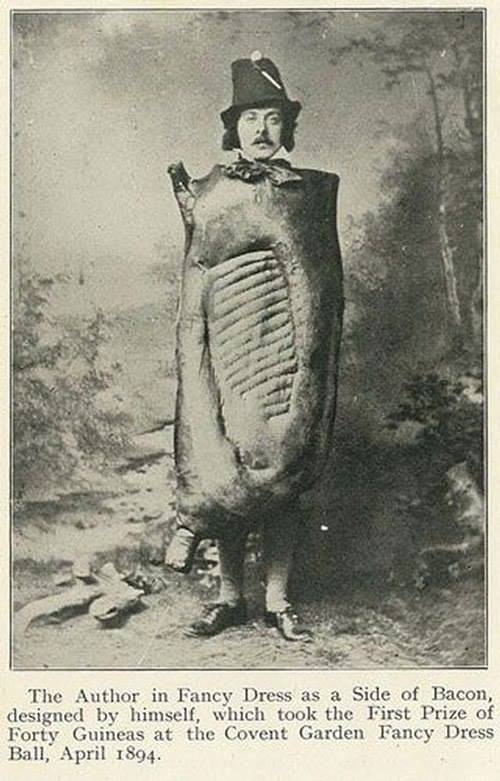
@fakehistoryhunt However, it is pleasing that the suggested Community Note cites you as a source!
English
This account has over a million followers.
Sigh.

English
@urbanfoxwatch We used to get a big lad at the water trays called Butch. But we ended up just calling him Chunky Monkey!
English

The Unit has been sticking close to Hazel this past week. I think he must know she's more vulnerable when she's pregnant and he's making sure she stays safe
English
@PcPhilanthropy The logical next step is Noise Cancelling Ringtones. The whole room goes quiet when you get a call.
English

We used to go nuts over and even pay for ringtones. Now we keep our phones on silent.
English

@futureform_ Halide? (I’ve barely used it.)
English

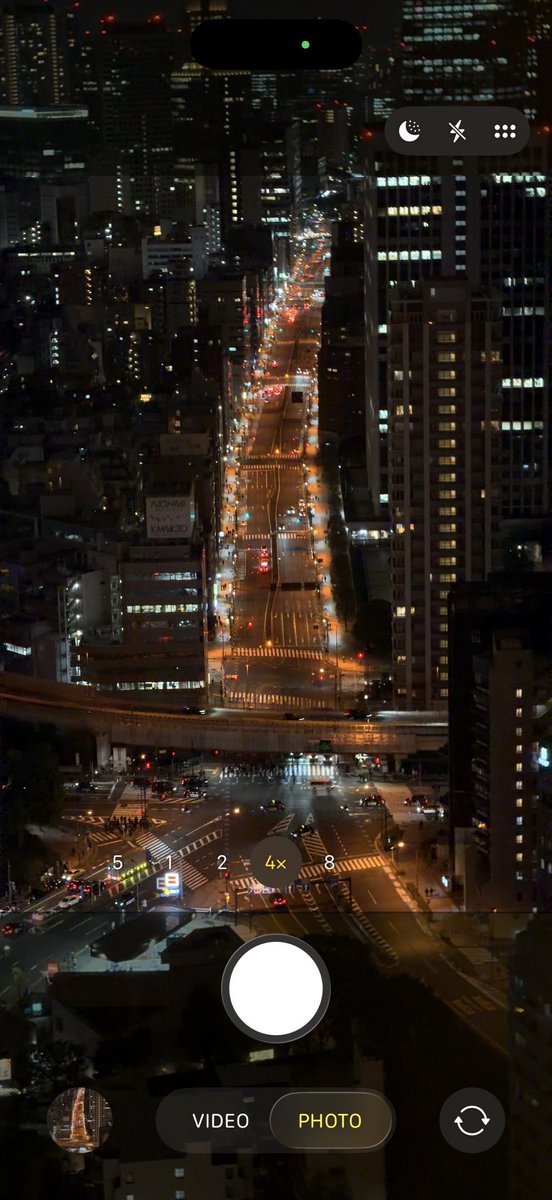
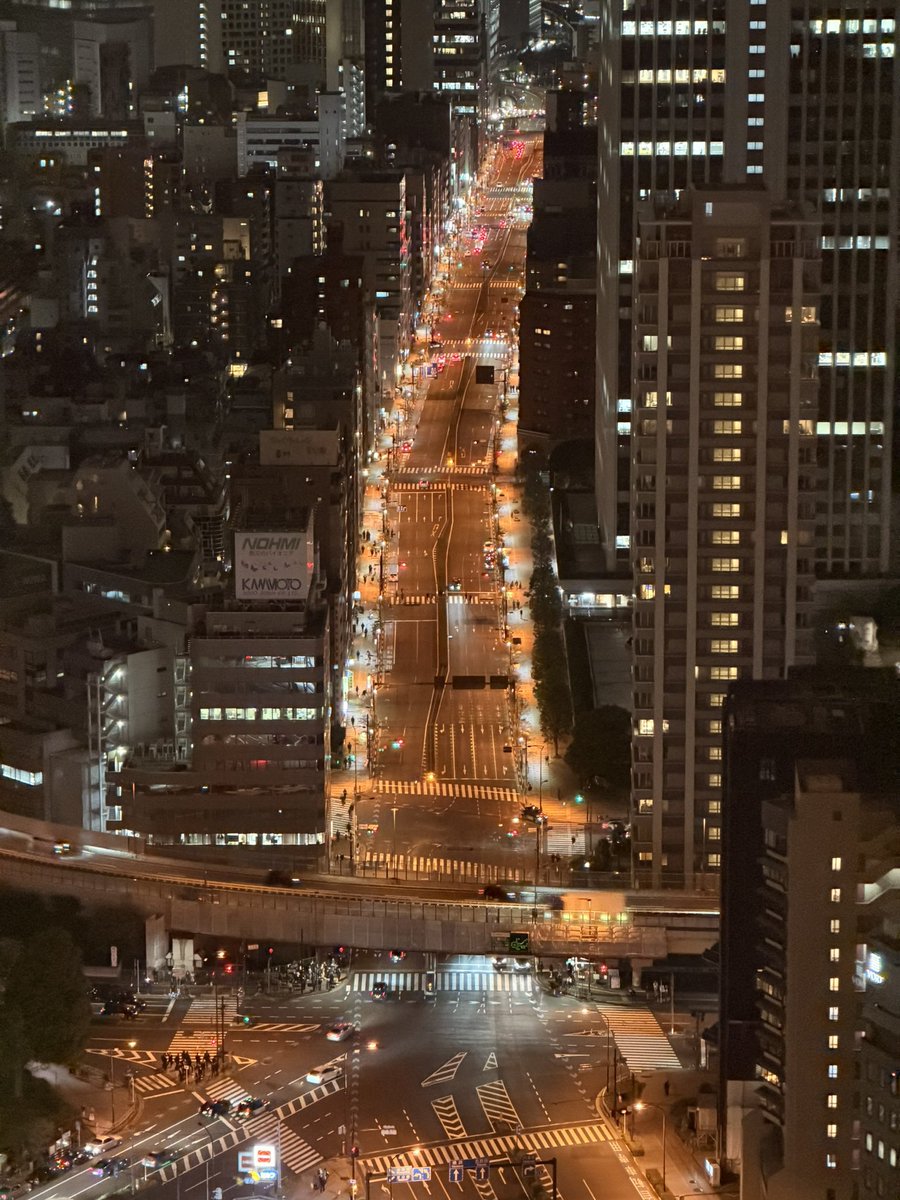
@PaulSchleifer I Just Dreamt I Had a Chicken Sandwich.
Ok, yeah, hers is better.
English

@urbanponds101 A mum has made a den under our shed and has had seven healthy looking cubs. What a treat from our garden cameras!
English

They're so quick and tiny, the kits are just starting to venture out of the den
English
English

A suitcase in a tree in Walsall. Over a no flytipping sign. God knows how they got it up there. It's a filthy inner town area if I leave it it will be here years. I'll take a step ladder next week. Its ridiculous

English
@MetJam_ Which direction is this camera pointing in?
In which direction is this camera pointing?
(Choose one question.)
English
