Ken Xie

483 posts

Ken Xie

Ken Xie

@CuriousKX

Postdoc Fellow @IdoAmitLab. Interested in deciphering the complex cell-cell interactions in tumors

Rehovot, Israel Katılım Ekim 2022
359 Takip Edilen133 Takipçiler
Sabitlenmiş Tweet
Ken Xie retweetledi
Rong Fan
Rong Fan@RongFan8·
Check out this beautiful work — an impressive data resource and super fascinating insights into the epigenetic memory of oligodendroglial development! Congratulations to @GoCasteloBranco and team at @karolinskainst 👏👏👏
GonçaloCasteloBranco@GoCasteloBranco

Our latest in @NatureNeuro, lead by @mukundkabbe, providing single cell epigenomic maps of the human brain & spinal cord with snATAC and our NanoCUT&Tag and finding epigenetic memory in oligodendroglia of developmental programs! nature.com/articles/s4159… illustration by @Lilaeh

English
1
7
42
4.3K
Ken Xie retweetledi
Alice Ting
Alice Ting@aliceyting·
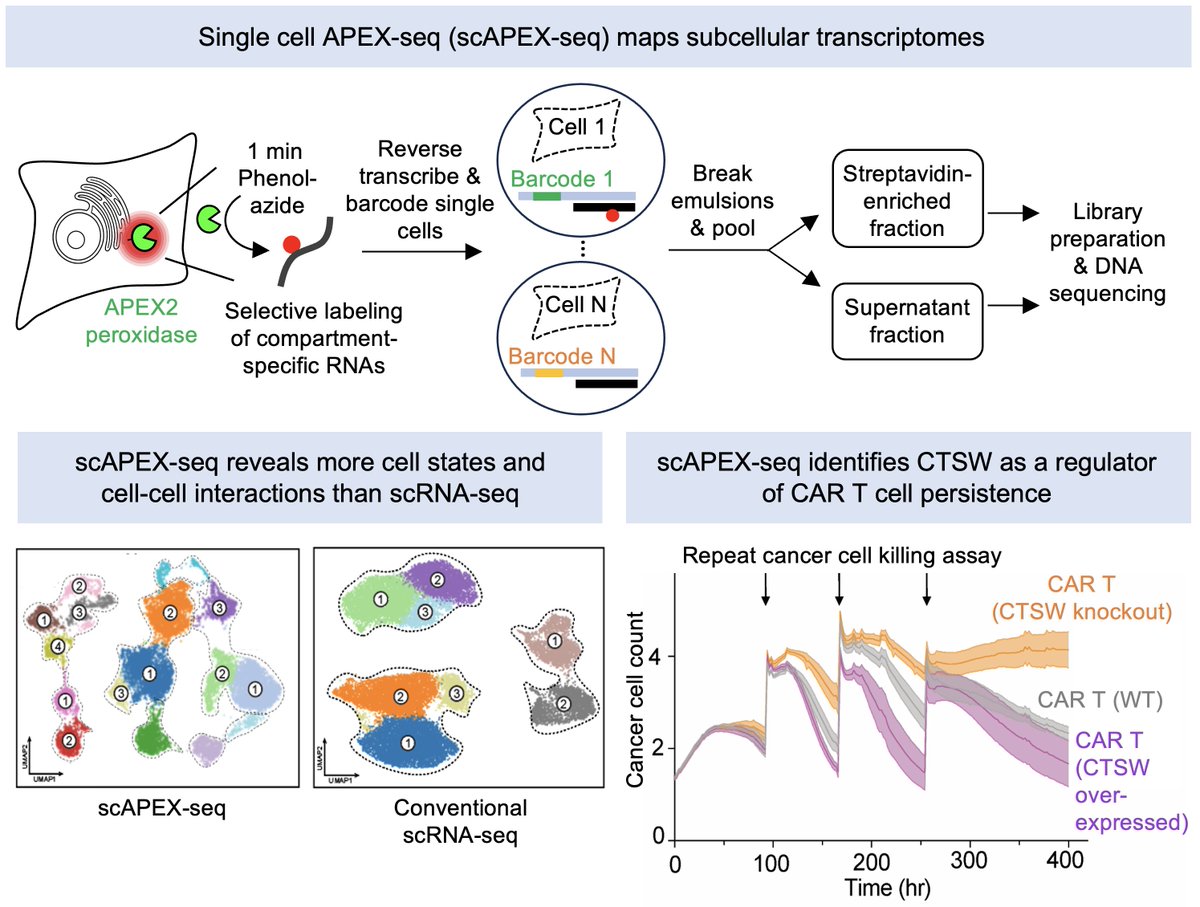
Today we report single-cell APEX-seq (scAPEX-seq) — a new method for unbiased mapping of *subcellular* transcriptomes at single-cell resolution. This approach reveals cell states that are not detectable by standard scRNA-seq, and enabled us to identify regulators of CAR T function that improve solid tumor killing. biorxiv.org/cgi/content/sh…
Alice Ting tweet media
English
2
119
515
36.3K
Ken Xie retweetledi
UCSC Genome Browser
UCSC Genome Browser@GenomeBrowser·
We are excited to announce the release of the Human Methylation Atlas Summary and Signals tracks for hg38 and hg19. The tracks display genome-wide DNA methylation profiles across 39 primary human cell types from 205 healthy tissue samples. Learn more at bit.ly/humanMethylati…
UCSC Genome Browser tweet media
English
2
90
350
22K
Ken Xie retweetledi
Mo Lotfollahi
Mo Lotfollahi@mo_lotfollahi·
Excited to share our new work. Over the past decade, single-cell genomics has transformed our ability to map cellular systems. But a major question remains: Can we predict how perturbations reshape cellular trajectories over time? In 2018, we first showed that it is possible to predict cellular responses to perturbations — ranging from disease signals to chemical treatments — even in unseen contexts. In 2022, we introduced CPA (MSB 2022; NeurIPS 2022), extending this idea to predict responses to unseen chemical and genetic perturbations, including their combinations. Since then, the field of perturbation modeling has grown enormously. The community has pushed the space forward with many creative ideas and powerful models. It’s exciting to see how fast things are moving — even though many fundamental challenges remain. One of the biggest is that cells are not static. They move through trajectories during development, immune responses, and disease. Yet most current models still predict perturbation effects within a single state, rather than how early perturbations propagate across future states and reshape downstream outcomes. To address this, we developed PerturbGen, a trajectory-aware generative AI model that predicts how genetic perturbations reshape downstream cellular states. Huge credit to the people who made this work possible. Thanks to co-first authors @lifeisscience_5, @Adib_m_, @Tomo_Isobe, @Amirhossein Vahidi, @delshadveghari & Anthony Rostron. Special recognition to @lifeisscience_5 and @Adib_m_ for driving this work over the finish line. Grateful for our outstanding collaborators from @HaniffaLab, @BertieGottgens lab @GosiaTrynka and many others — a true cross-institute effort across @SCICambridge, @OpenTargets ,@sangerinstitute and @Cambridge_Uni.🎉 PerturbGen learns transcriptional dynamics across cellular trajectories. By introducing perturbations at an early source state, it can simulate how these effects propagate into future states along differentiation trajectories. Scaling this across genes enables the creation of dynamic in silico perturbation atlases — maps of how perturbations reshape biological trajectories over time. We explored this idea across three biological questions. First, in a human in vivo LPS immune challenge, PerturbGen predicted that perturbing a transient IL1B signal dampens downstream inflammatory programs in myeloid cells, with pathway changes reversing signatures observed in an independent IL-1β stimulation experiment. Second, in human hematopoiesis, PerturbGen predicted transcriptional responses to CRISPR transcription factor knockouts and enabled construction of perturbation atlases revealing lineage- and age-specific regulatory programs. These programs could also be linked to human genetics and blood diseases, including recapitulation of signatures associated with ETV6-related thrombocytopenia. Finally, we asked whether perturbation modeling could help improve complex tissue models. We built a dynamic perturbation atlas of human skin organoids to identify perturbations that could guideorganoid cells towardhuman fetal skin states. PerturbGen prioritized activation of Wnt signaling via GSK3β inhibition. Experimental validation confirmed the prediction: treatment with CHIR99021 induced stromal gene programs and shifted organoid fibroblasts toward transcriptional states observed in fetal skin stroma. Together, these results show how trajectory-aware perturbation modeling can connect gene perturbations to developmental programs, human genetics, disease mechanisms, and experimental interventions. More broadly, we think these point toward a future where single-cell atlases become predictive systems. As atlases expand across tissues, developmental windows, and modalities, models like PerturbGen could enable dynamic, virtual perturbation atlases— allowing us to simulate interventions, generate hypotheses, and design experiments before stepping into the lab. Preprint shorturl.at/EkisP Code github.com/Lotfollahi-lab… Excited to see how the community builds on this work.
English
2
44
172
16K
Ken Xie retweetledi
Dingchang Lin
Dingchang Lin@DingchangLin·
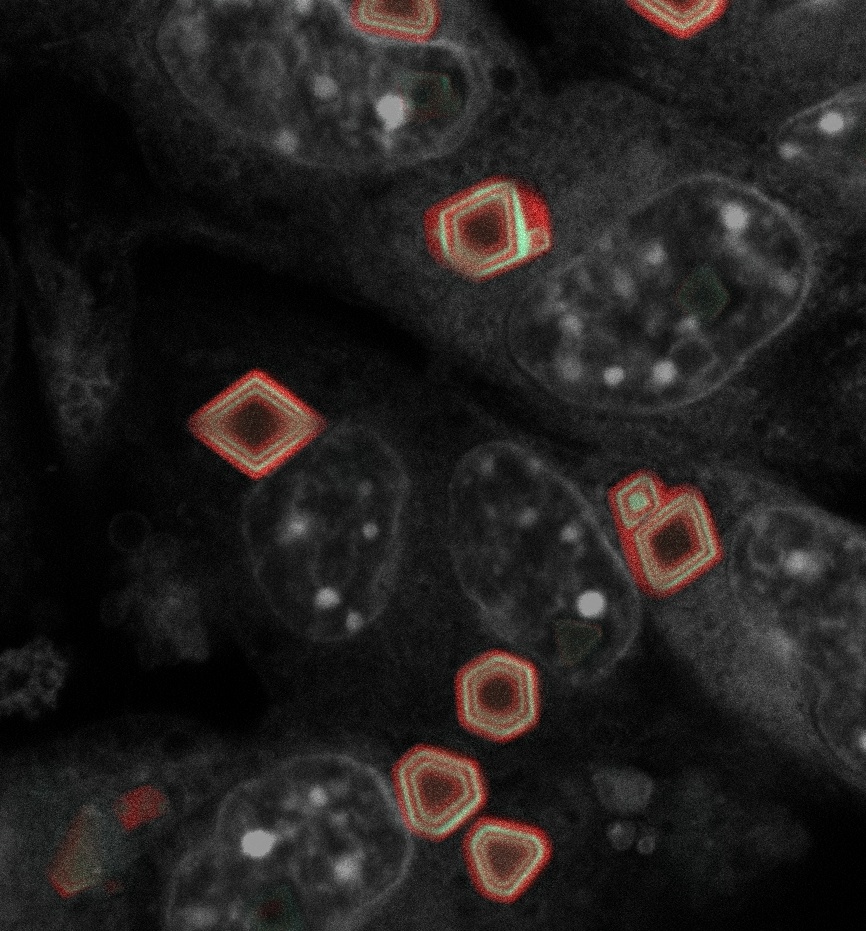
🚨 Today in @Nature, we report GEMINI—a genetically encoded intracellular memory device that writes cellular dynamics into tree-ring-like fluorescent patterns within cytoplasmic protein assemblies.[1/n] nature.com/articles/s4158…
Dingchang Lin tweet media
English
37
298
1.2K
143.8K
Ken Xie retweetledi
Lingting Shi
Lingting Shi@shi_lingting·
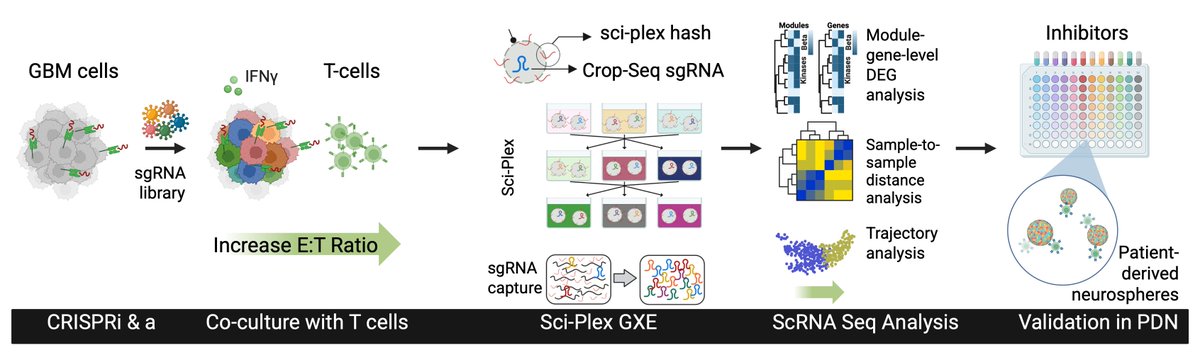
Tumor immune evasion is programmable🛡️🧠. Our integrated single-cell CRISPR screening framework maps kinase control of T cell–driven tumor states in Glioblastoma(GBM) 🧬and nominates druggable nodes 💊 (e.g., EPHA2/PDGFRA) that blunt evasive programs and boost T cell killing 🔥.
Lingting Shi tweet media
English
3
39
131
12.7K
Ken Xie retweetledi
IdoAmitLab
IdoAmitLab@IdoAmitLab·
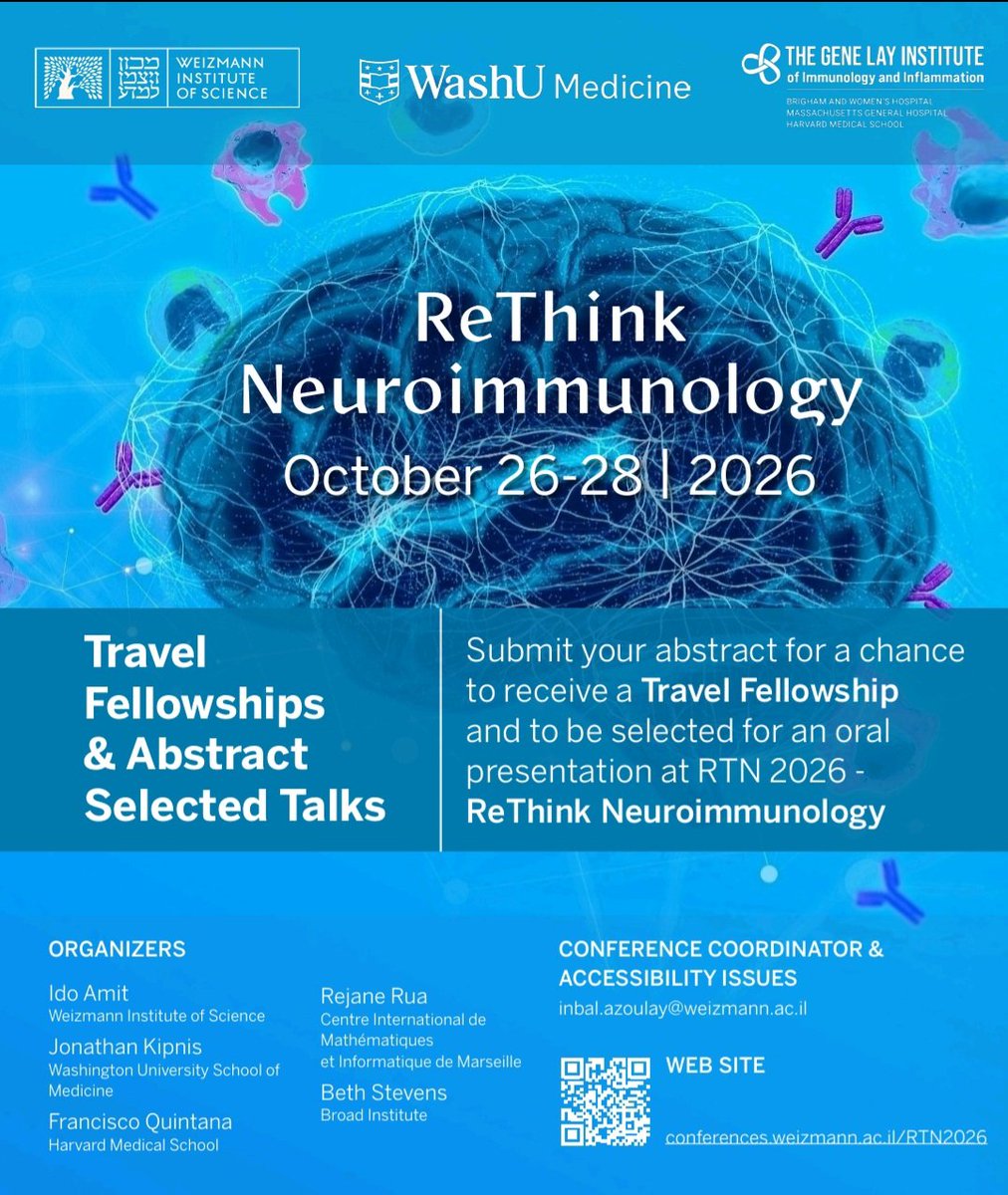
ReThink Neuroimmunology (RTN 2026) is coming: Oct 26–28, 2026! Abstract submissions are open for Travel Fellowships + Selected Talks (oral presentations). If you’re in neuroimmunology, don’t miss this. 🔗 conferences.weizmann.ac.il/RTN2026
IdoAmitLab tweet media
English
0
6
34
3.1K
Ken Xie retweetledi
Alex Weers
Alex Weers@a_weers·
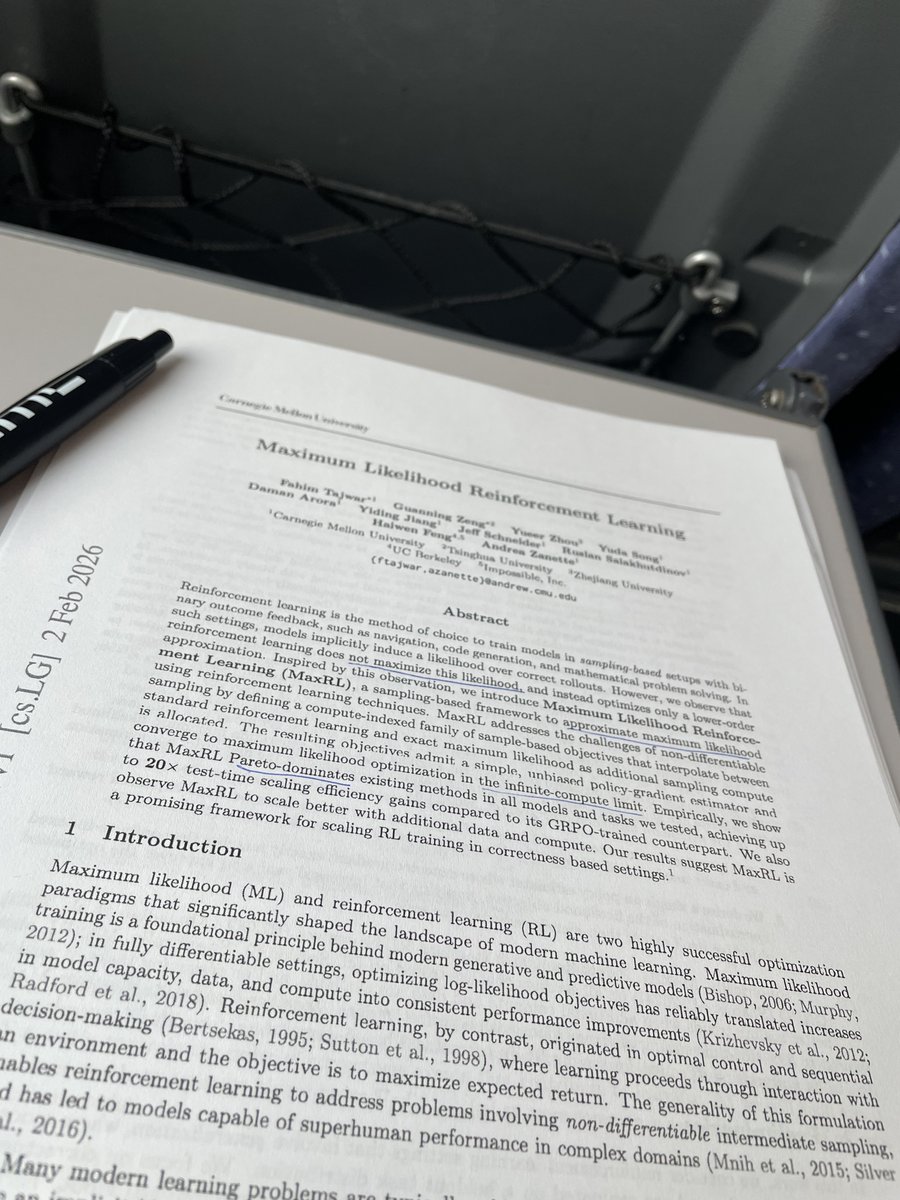
Incredible paper in all regards: - Clear, easy to follow motivation - Sharp analyses of GRPO's optimization behavior - Clean math to prove the points - Simple, practical fix with both theoretical and empirical advantages - Thoroughly addresses key questions with honest discussion of limitations - Great writing style, was fun to read
Alex Weers tweet media
English
2
26
335
20.4K
Ken Xie retweetledi
Sai Ma
Sai Ma@saima_lab·
1/ Exciting news! We just released a preprint on a new single-cell technology, ME-seq, that maps DNA methylation, gene expression & chromatin accessibility—all in the same cell, at scale. And yes, it’s a LOT cheaper 🤑than current methods! 🧬 #SingleCell #Epigenetics
English
6
50
221
21.5K
Ken Xie retweetledi
Elizabeth Cooper
Elizabeth Cooper@elizabetha_coop·
I am excited to share our latest research out today @NatureGenet; here we discovered childhood brain tumours instruct cranial hematopoiesis and identify a clinically relevant mechanism to re-educate the skull bone marrow. nature.com/articles/s4158…
English
11
35
172
16.8K
Ken Xie retweetledi
nature
nature@Nature·
Nature research paper: Atlas-guided discovery of transcription factors for T cell programming go.nature.com/4afm6b5
English
4
71
257
23.6K
Ken Xie retweetledi
Nature Medicine
Nature Medicine@NatureMedicine·
Researchers studied blood-based metabolome of over 23,000 individuals from 10 ethnically diverse cohorts. They identified 235 metabolites associated with future risk of T2D. By integrating genetic and modifiable lifestyle factors, their findings provide insights into T2D mechanisms and could improve risk prediction and inform precision prevention. nature.com/articles/s4159…
English
5
64
235
21.1K
Ken Xie retweetledi
Daniel J Drucker
Daniel J Drucker@DanielJDrucker·
Introducing the inflammatome, a comprehensive set of 2,000 genes consistently upregulated in various inflammatory diseases vs. healthy controls. cell.com/cell-reports/f…
English
3
54
224
15.7K
Ken Xie retweetledi
Cancer Cell
Cancer Cell@Cancer_Cell·
Online Now: IFNγ-dependent metabolic reprogramming restrains an immature, pro-metastatic lymphatic state in melanoma dlvr.it/TQW7Dm
Cancer Cell tweet media
Română
3
16
60
4.2K
Ken Xie retweetledi
Bo Xia
Bo Xia@BoXia7·
🧬 Another super exciting new work from the lab: Decoding the gene regulatory landscape through multimodal learning of protein–DNA interactions. 👉 Link to preprint: biorxiv.org/content/10.110… In this work, we introduce Chromnitron, a biologically grounded multimodal foundation model that decodes the global gene regulatory landscape by hundreds to thousands of proteins binding in the genome. ⁉️ Why is this protein-centered view of regulatory genomics so important? DNA sequence 🧬provides the same genetic blueprint, but the regulatory logic that gives rise to diverse cell types and states – in both health and disease conditions – is executed by the 100s-1000s of chromatin proteins that differentially read the DNA sequences to establish cell-type-specific gene expression programs. 🤖 Chromnitron is specifically developed to decode this cell-type-specific regulatory logic. Designed to learn from the first principles that determines protein–DNA interactions in the cell, Chromnitron integrates 1) genomic DNA sequence, 2) cell-type-specific chromatin states, and importantly, 3) protein sequence-encoded structural features. 👨🏻‍💻 Through large-scale pre-training & fine-tuning with a finely curated atlas of high-quality datasets, Chromnitron learns the shared and protein-specific mechanisms of protein–DNA interactions, and thus can accurately predict the binding landscapes across hundreds of proteins in unseen cell types. 💡Chromnitron isn’t just accurate and cell-type-specific prediction — it is a discovery engine! With Chromnitron: we identified novel regulators of T cell exhaustion (ZNF865 & ZNF766); we reconstructed the dynamic regulatory landscapes of how global chromatin proteins orchestrate neurodevelopment. 🔮 Chromnitron represents a significant step toward predictive, interpretable, and mechanistic understanding of gene regulation and cell fate determination. We expect Chromnitron to accelerate discovery and engineering in regulatory genomics, particularly in human biology, and empower therapeutic opportunities. 🙏🏻 Last, this is another wonderful collaboration with Dr. Aristotelis Tsirigos @artsinyc, and led by the brilliant Drs. Jimin Tan @tan_jimin, Xi Fu @alexanderfuxi, and Xinyu Ling @Dennislxy, and many more co-authors and friends who helped make this work truly possible! 👉 Find out more about the model and discoveries (e.g. architecture, interpretability, benchmarking, generalizability, etc): biorxiv.org/content/10.110… #MultimodalAI #GeneRegulation #TranscriptionFactor #RegulatoryGenomics #CellFate #AIinBiology
Bo Xia tweet media
English
1
46
281
18K