Maria Gritsevich

929 posts

Maria Gritsevich banner
Maria Gritsevich

Maria Gritsevich

@GritsevichMaria

Adj. Prof. in Planetary sciences @helsinkiuni, Associate Editor @MeteoriticsPS & @SciReports It always seems impossible until it is done!

In light, love, and laughter ☀ Katılım Aralık 2019
729 Takip Edilen1.2K Takipçiler
Sabitlenmiş Tweet
Maria Gritsevich
Maria Gritsevich@GritsevichMaria·
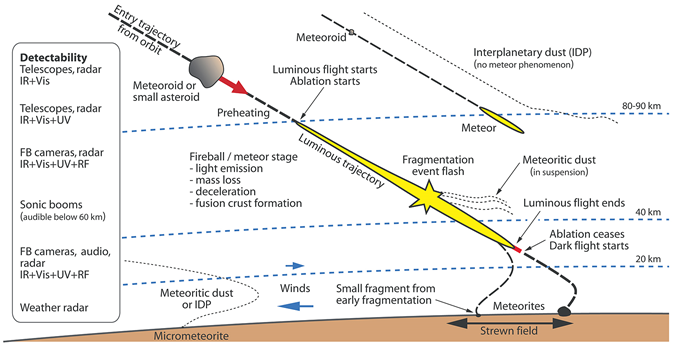
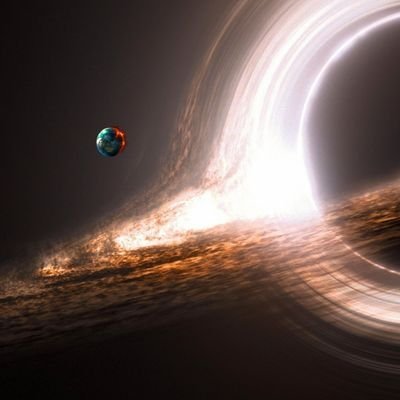
Our #MNRAS paper just got published #openaccess at doi.org/10.1093/mnras/… Learn the stages and phenomena related to a space object colliding with our planet and see what constitutes most its atmospheric flight — and most importantly — what is the outcome!
Maria Gritsevich tweet media
English
7
45
131
0
Maria Gritsevich retweetledi
A. J. Castro-Tirado
A. J. Castro-Tirado@AJCastroTirado·
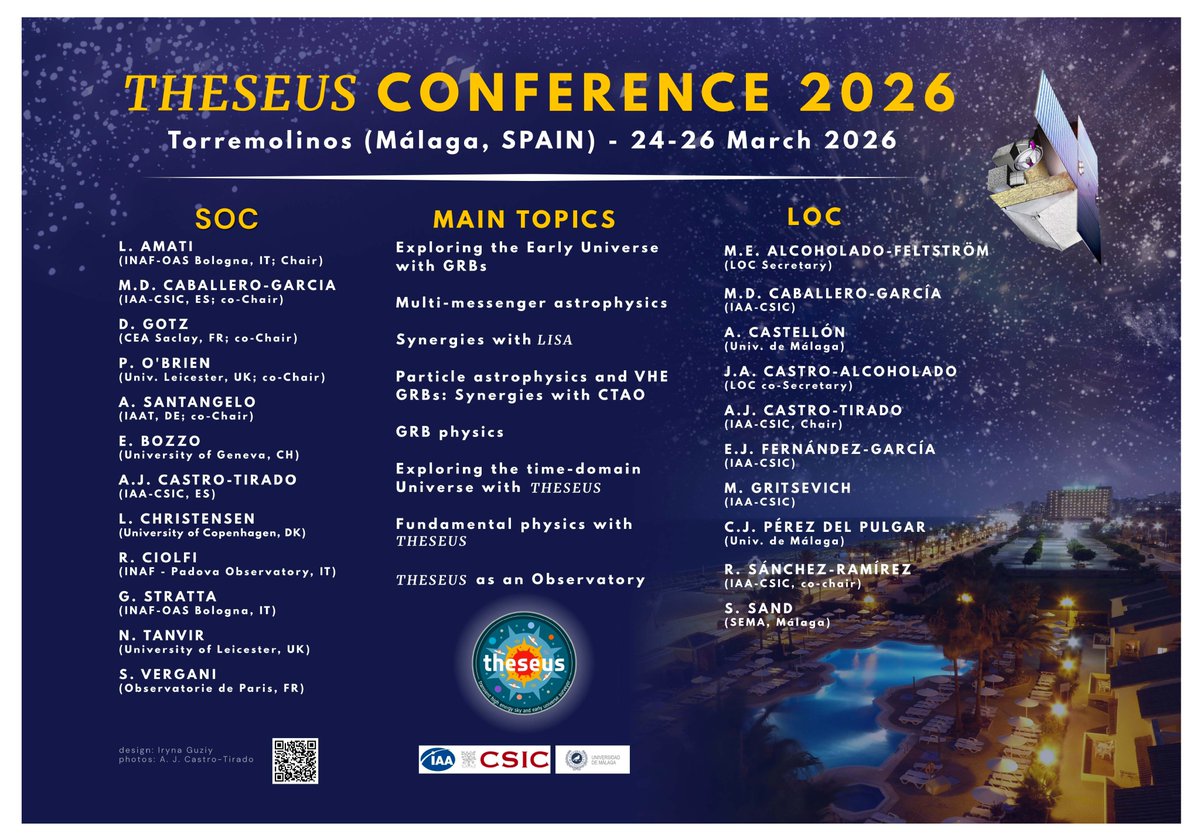
Glad to host in my home town the #THESEUS Conference 2026, supported by @iaa_csic and @InfoUMA. Nearly 100 attendants on-site to show and discuss the last results regarding the scientific goals of this M7 candidate mission selected by @esa for Phase-A study in 2023. @esascience
A. J. Castro-Tirado tweet media
English
0
2
8
251
Maria Gritsevich retweetledi
Nereide
Nereide@Nereide·
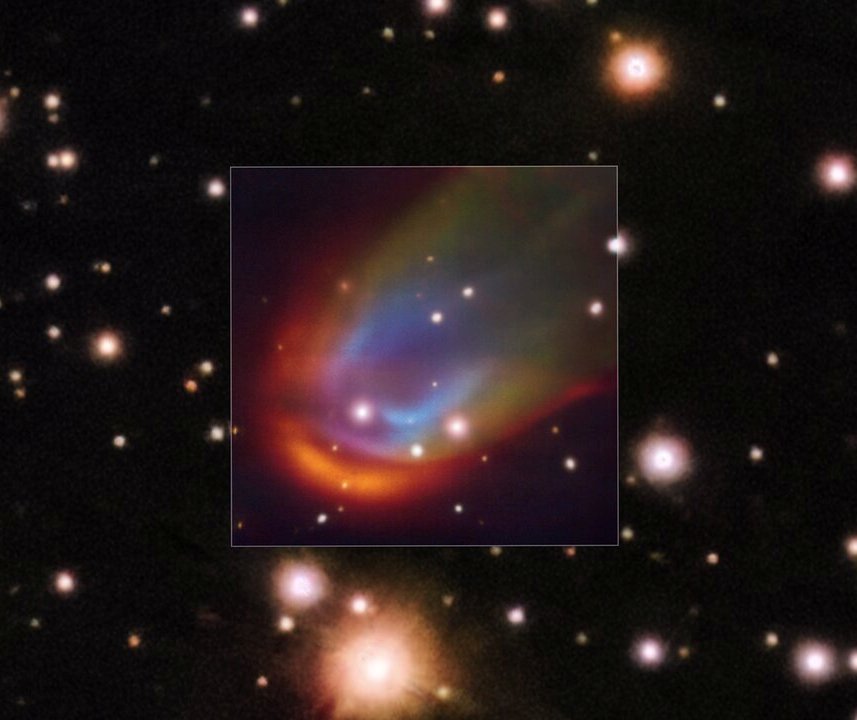
1/7 A recent study in Nature Astronomy reports a phenomenon never seen before and completely unexpected: a bow shock around the white dwarf RXJ0528+2838, the dense remnant of a low-mass star. #Universe #MilkyWay #ESO
Nereide tweet media
English
8
29
67
2.1K
Maria Gritsevich retweetledi
Erika 
Erika @ExploreCosmos_·
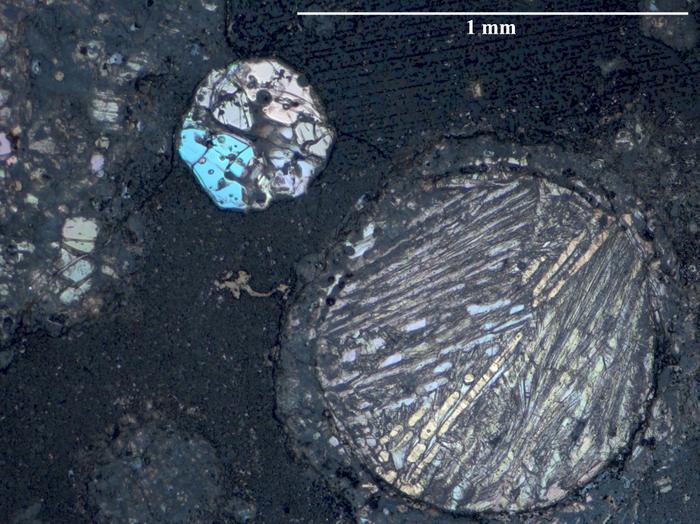
Recent research examining the feasibility of asteroid mining suggests that, despite its long-standing appeal, the concept faces substantial scientific, technical, and economic challenges. By analyzing meteorites that are thought to originate from carbonaceous, C-type asteroids, the most common class in the Solar System, researchers evaluated whether these bodies are realistic targets for resource extraction. The results indicate that many undifferentiated asteroids, similar in composition to chondritic meteorites, contain relatively low concentrations of economically valuable materials, making them poor candidates for mining. More promising targets would be asteroids with specific mineralogical signatures or those rich in hydrated minerals, particularly water, which could be used directly to support space exploration or processed into propellant. The study highlights that a major limitation is still our incomplete knowledge of asteroid interiors, underscoring the importance of additional sample-return missions. It also emphasizes the difficulty of developing extraction and processing technologies that can operate efficiently in microgravity, along with the scale of infrastructure required to make such operations viable. Overall, while asteroid mining remains scientifically interesting and potentially useful for in-space resource utilization, the study concludes that a commercially sustainable industry is unlikely in the near future and will depend on significant advances in both planetary science and space engineering. 👉 share.google/QvWPRtlsnNUUTo…
Erika  tweet media
English
5
15
109
4.8K
Maria Gritsevich retweetledi
Science Magazine
Science Magazine@ScienceMagazine·
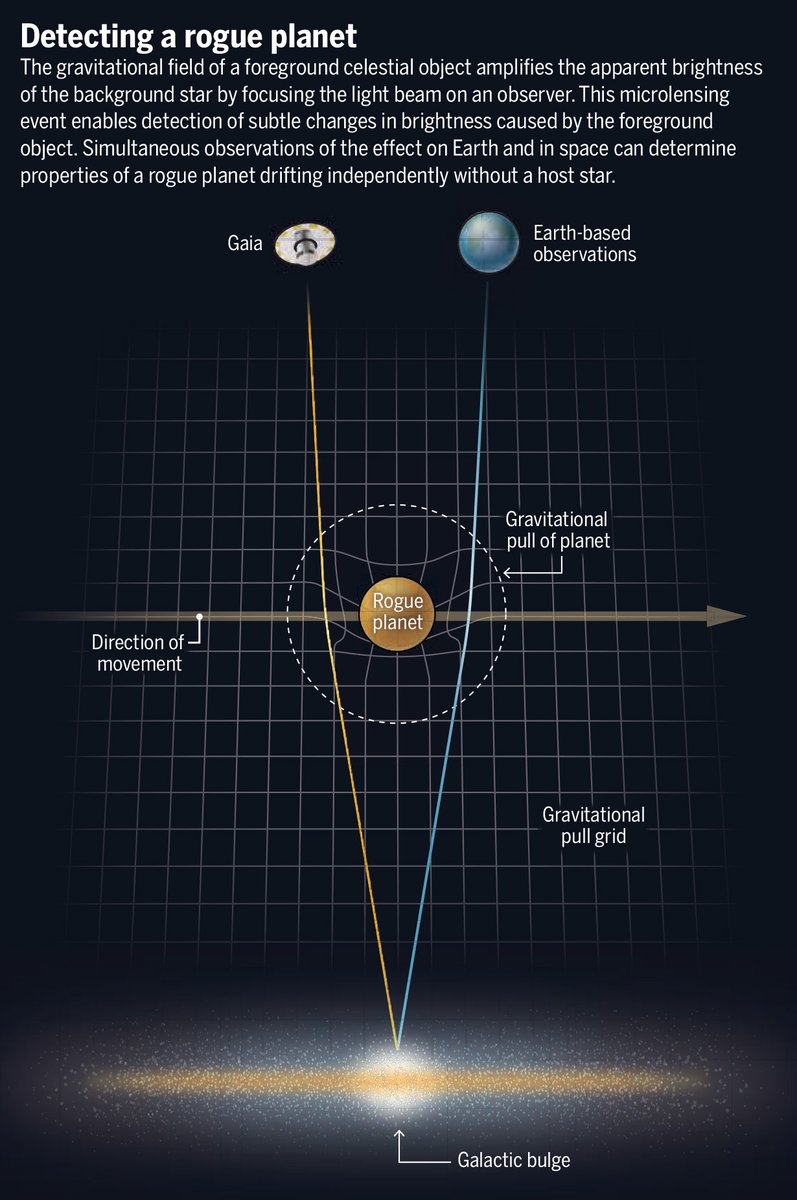
Simultaneous ground- and space-based observations of a newly discovered free-floating planet have enabled direct measurement of its mass and distance from Earth, according to a new Science study. The findings offer insights into the diverse and dynamic pathways by which planets can be cast adrift into interstellar space. 📄: scim.ag/4phU4RK #SciencePerspective: scim.ag/490QpD1
Science Magazine tweet media
English
8
71
255
25.9K
Maria Gritsevich retweetledi
Planetario de Madrid
Planetario de Madrid@PlanetarioMad·
Mañana, 147.099.928 km nos separan del Sol La Tierra alcanza el perihelio, el punto más cercano al Sol en su órbita 🌞🌍 El disco solar se ve ligeramente más grande: 32 minutos 32 segundos de arco 📐 IMPORTANTE: ¡Mira SOLO con protección adecuada (filtros homologados)! 🔭👁️🕶️🚫
Planetario de Madrid tweet media
Español
2
20
57
2.2K
Maria Gritsevich retweetledi
PlanetarioMalaga
PlanetarioMalaga@PlanetarioMLG·
🎄¡Feliz NAVIDAD y nuestros mejores para 2026! ⭐️Merry Christmas and all the best for 2026!!! 🚀Málaga Planetarium... ¡ya queda menos! / coming soon!
PlanetarioMalaga tweet media
Español
0
2
4
190
Maria Gritsevich retweetledi
HUBBLE
HUBBLE@HUBBLE_space·
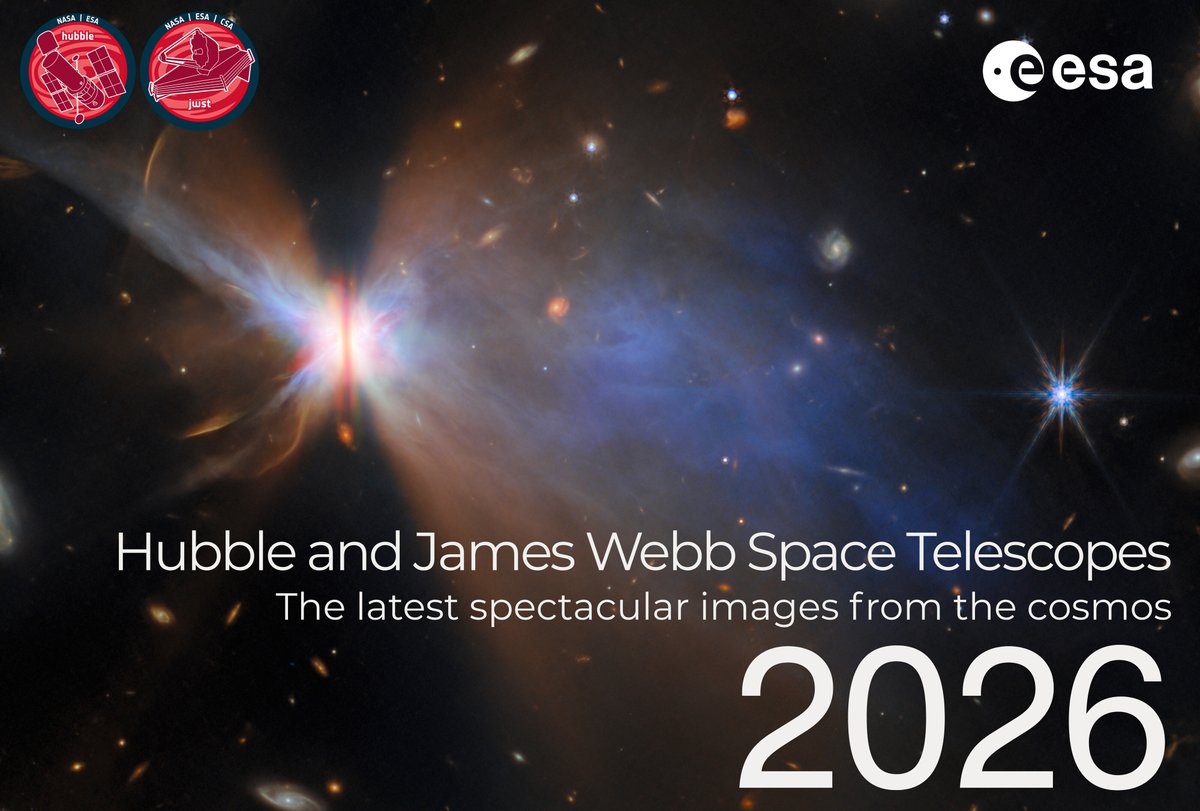
The 2026 ESA Hubble and Webb Calendar has landed 📆🚀 The calendar celebrates another year of exciting images and discoveries from Hubble and Webb with beautiful imagery from both missions: planets, star clusters, galaxies, and more! 💫 Download it here: esahubble.org/announcements/… 📷 @ESA / @Hubble_Space , ESA/ @esa_webb
HUBBLE tweet media
English
10
69
242
11.6K
Maria Gritsevich retweetledi
Aleix Roig
Aleix Roig@astrocatinfo·
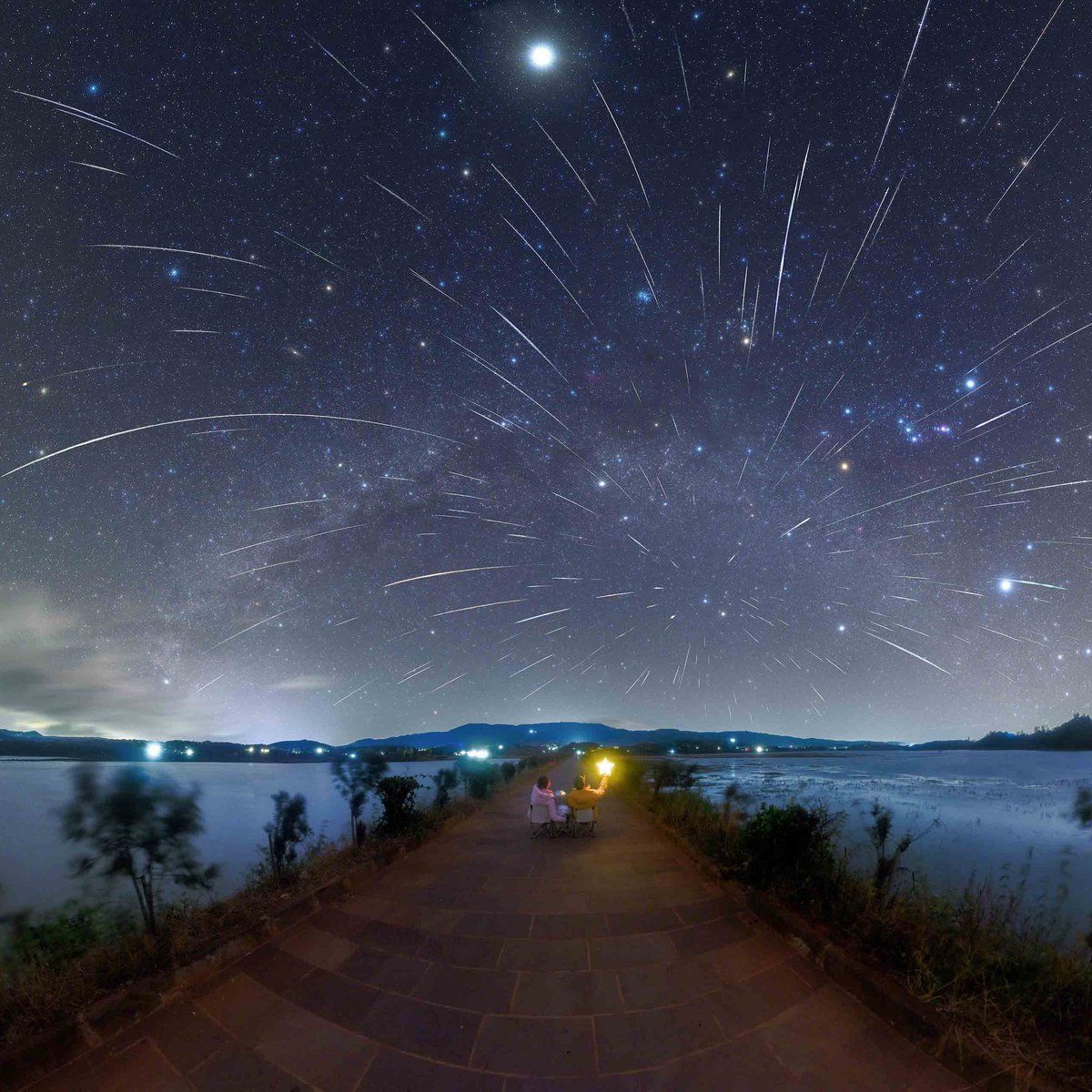
Geminids over China's Nianhu Lake #GeminidMeteorShower 📷 Hongyang Luo
Aleix Roig tweet media
Filipino
1
15
95
2.8K
Maria Gritsevich retweetledi
A. J. Castro-Tirado
A. J. Castro-Tirado@AJCastroTirado·
Our BOOTES-2 telescope at @IHSM_CSIC_UMA is performing nicely again, once the optics were recoated. It recorded the 14th mag glow of one of the brightest GRB afterglows so far, reported by @GritsevichMaria et al. (GCN 42539). The death of a massive star at 7 billions light-years.
A. J. Castro-Tirado tweet media
English
0
2
8
307
Maria Gritsevich retweetledi
mark stewart
mark stewart@StewarrMark·
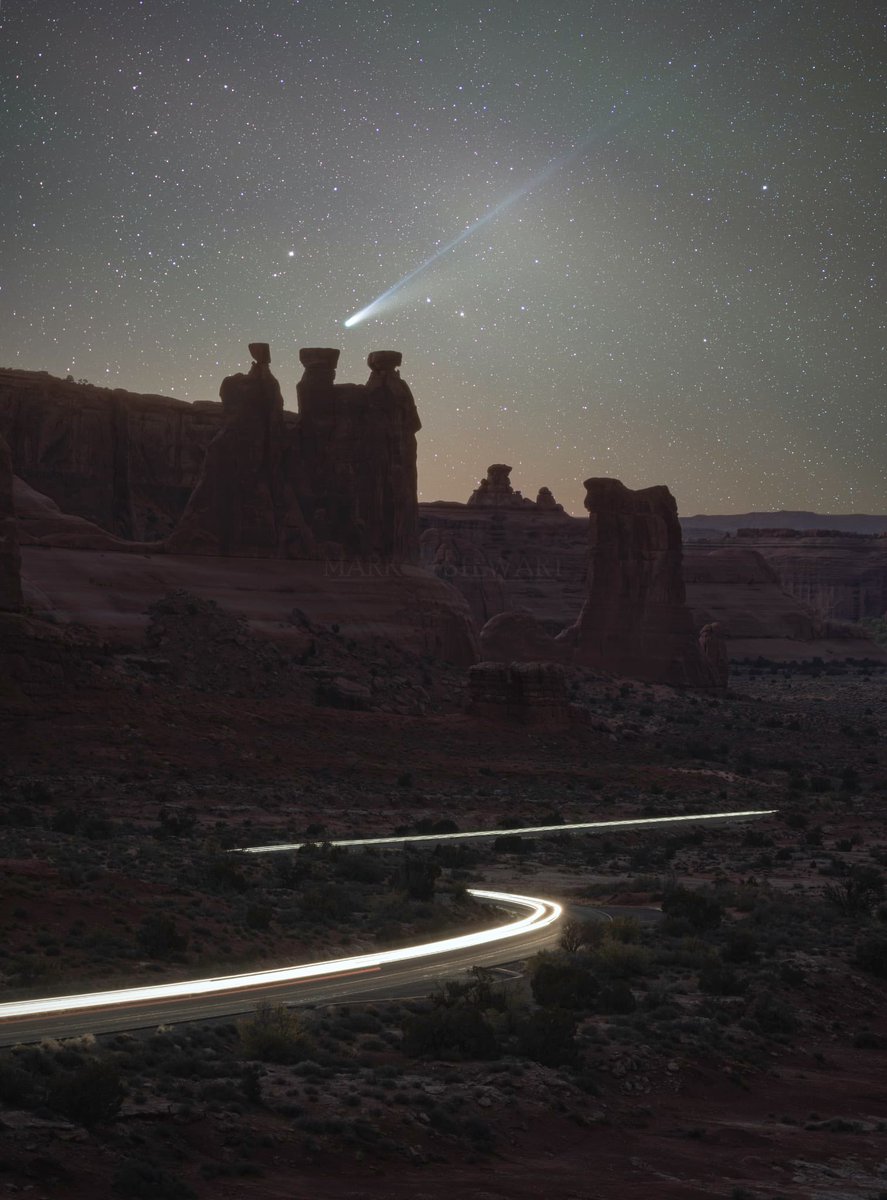
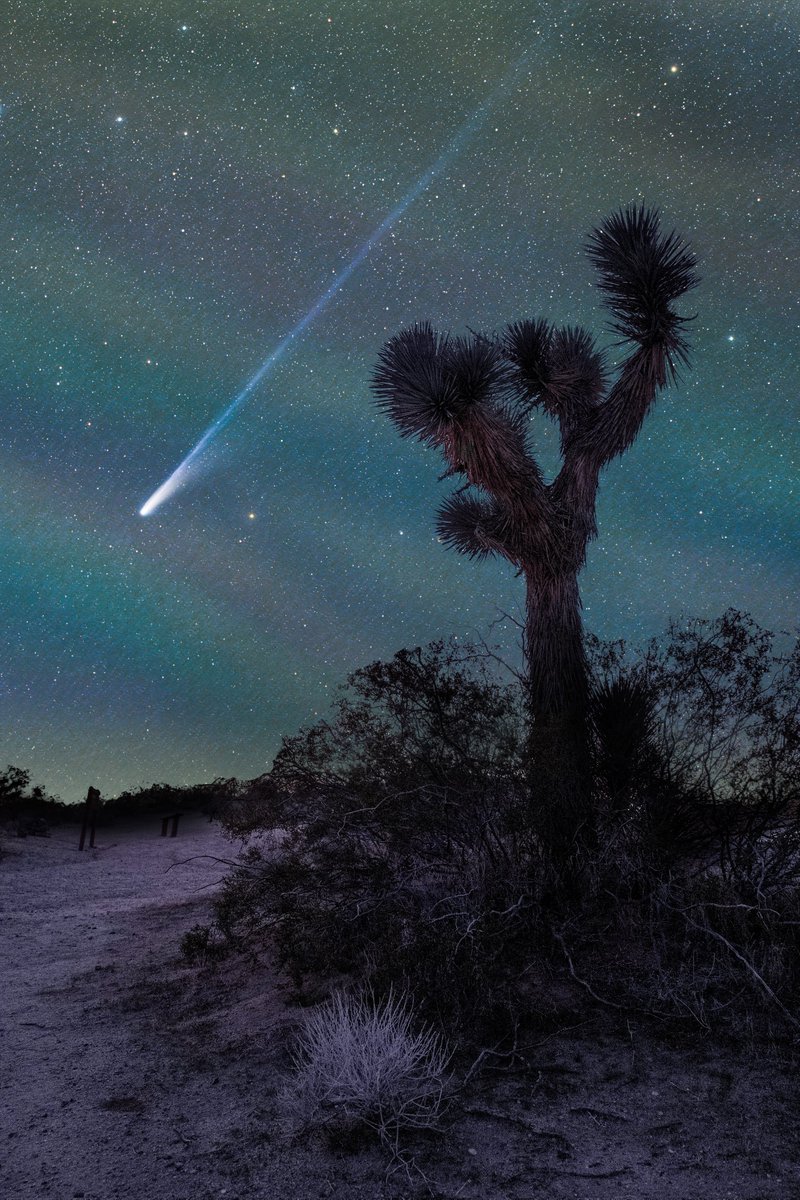
Comet Lemmon setting over the 3 gossips in Utah.
mark stewart tweet media
English
14
116
952
14.7K
Maria Gritsevich retweetledi
Space 8K
Space 8K@uhd2020·
Comet Lemmon over Red Rock Canyon
Space 8K tweet media
English
9
218
1.7K
46.8K
Maria Gritsevich retweetledi
Backdoor Astronomy
Backdoor Astronomy@BackdoorAstro·
Comet Lemmon Before Photoshop Oscar Martín Mesonero 2025 October 27 Encina de San Silvetre, Salamanca, Spain Elon Musk is ruining our skies. At what cost?
Backdoor Astronomy tweet media
English
43
141
611
88.3K
Maria Gritsevich retweetledi
A. J. Castro-Tirado
A. J. Castro-Tirado@AJCastroTirado·
A beautiful example of how Pro-Ams can team up with scientists and become co-authors in per-reviewed scientific articles. The corresponding paper ...coming soon!
Maria Gritsevich@GritsevichMaria

GRB 251013C, remotely observed from Fregenal de la Sierra, Spain — currently the brightest gamma-ray burst detected in 2025. Skillfully observed by Jorma Ryske, using methods just learned at @AstroRobConf Also reported at: taivaanvahti.fi/observations/s…

English
1
1
9
273