Sabitlenmiş Tweet
IntoGeo
2K posts
@IntoGeo
Geography trivia intertwined with history | Maps, visuals, quizzes, & interesting facts | By Brian Thudium
To get a better perspective on how ridiculously long Chile is, here it is tilted on its side and overlaid across the lower 48 US. While it averages only ~110 miles in width, it’s ~2,653 miles long. Chile reaches from the California coast all the way to poke into New England!







Southern Senators used to have the strangest names
Compared to West Virginia’s northern panhandle, the eastern panhandle was culturally and economically more aligned with the rest of Virginia. However, the Baltimore and Ohio (B&O) Railroad was the primary reason it became part of the new state of West Virginia in 1863. The B&O Railroad was vital to the Union war effort as the main east-west artery connecting Washington DC, and the Atlantic coast to the Ohio River Valley. Planners at the Wheeling statehood conventions realized they needed to include these “railroad counties” to secure the line for the new state. The counties at the very tip of the panhandle were especially pro-Confederate. However, the vote took place under Union occupation while most local men were away fighting in the Confederate army, resulting in the panhandle's inclusion in West Virginia. After the war, in 1866, Virginia sued to reclaim Berkeley and Jefferson counties. The dispute went all the way to the Supreme Court, which ruled in West Virginia’s favor in the 1871 case Virginia v. West Virginia, permanently cementing the wartime borders.


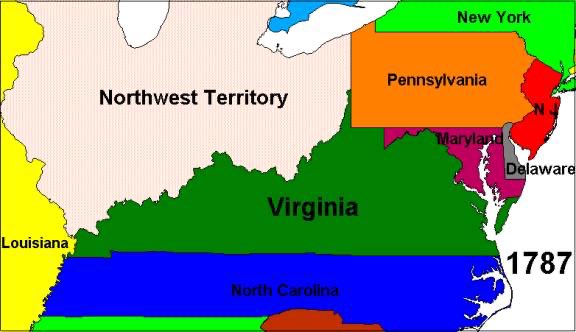
As for West Virginia’s northern panhandle, it goes back to well before West Virginia became its own state—to colonial times, when that area was disputed between Virginia and Pennsylvania in the 1700s. The Mason–Dixon Line had already been settled between Pennsylvania and Maryland, but that line had not yet been extended that far west. Pennsylvania and Virginia later agreed to extend the line to a point five degrees west of the Delaware River, and then draw a line due north toward Lake Erie. Lands east of that line would belong to Pennsylvania, while lands to the west would belong to Virginia. Then, in its 1784 Deed of Cession, Virginia gave up all claims north and west of the Ohio River. Because the Ohio River curves around in that area, it left that narrow sliver of Virginia land between the river and Pennsylvania’s straight border. At the outbreak of the Civil War, the panhandle area was very economically tied to the North, especially to places like Pittsburgh. This helped drive the efforts for western Virginia to break away from Confederate Virginia. When West Virginia became its own state in 1863, Wheeling, which is located right in the panhandle, became the state’s first capital (though it was later moved south to Charleston).

Compared to West Virginia’s northern panhandle, the eastern panhandle was culturally and economically more aligned with the rest of Virginia. However, the Baltimore and Ohio (B&O) Railroad was the primary reason it became part of the new state of West Virginia in 1863. The B&O Railroad was vital to the Union war effort as the main east-west artery connecting Washington DC, and the Atlantic coast to the Ohio River Valley. Planners at the Wheeling statehood conventions realized they needed to include these “railroad counties” to secure the line for the new state. The counties at the very tip of the panhandle were especially pro-Confederate. However, the vote took place under Union occupation while most local men were away fighting in the Confederate army, resulting in the panhandle's inclusion in West Virginia. After the war, in 1866, Virginia sued to reclaim Berkeley and Jefferson counties. The dispute went all the way to the Supreme Court, which ruled in West Virginia’s favor in the 1871 case Virginia v. West Virginia, permanently cementing the wartime borders.
West Virginia has two weird panhandles, and they aren’t accidents. Who knows the history behind them?
Compared to West Virginia’s northern panhandle, the eastern panhandle was culturally and economically more aligned with the rest of Virginia. However, the Baltimore and Ohio (B&O) Railroad was the primary reason it became part of the new state of West Virginia in 1863. The B&O Railroad was vital to the Union war effort as the main east-west artery connecting Washington DC, and the Atlantic coast to the Ohio River Valley. Planners at the Wheeling statehood conventions realized they needed to include these “railroad counties” to secure the line for the new state. The counties at the very tip of the panhandle were especially pro-Confederate. However, the vote took place under Union occupation while most local men were away fighting in the Confederate army, resulting in the panhandle's inclusion in West Virginia. After the war, in 1866, Virginia sued to reclaim Berkeley and Jefferson counties. The dispute went all the way to the Supreme Court, which ruled in West Virginia’s favor in the 1871 case Virginia v. West Virginia, permanently cementing the wartime borders.


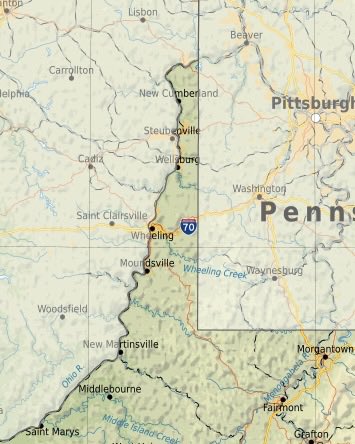
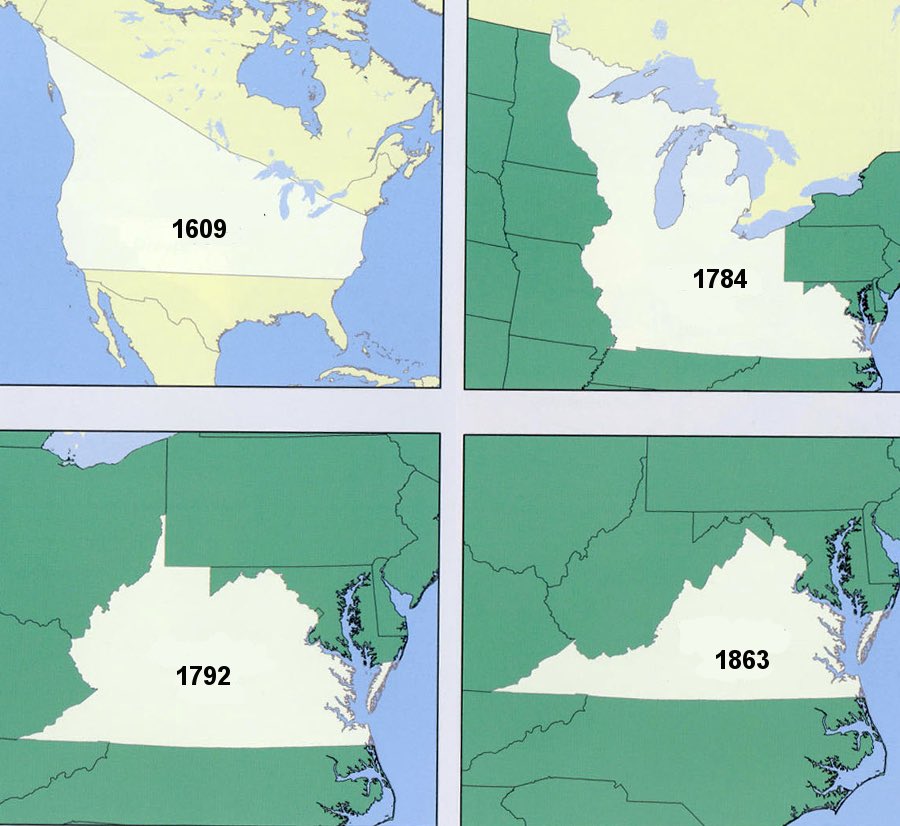

West Virginia has two weird panhandles, and they aren’t accidents. Who knows the history behind them?


Follow Friday! Shoutout to some excellent accounts American History & Americana @HistoryWJacob @History_Globs @BobhynemanUSA @JMurdock3890 @BuffaloByGodDan @AmRevResurrect @CorpBarnaby @basedamericana @SWOConnell @JosephRardin @VirgilsQuill @dufilmont @claude_hammond @GrtAmericans — Great content on the Revolution, early America, liberty, and making American history great again. Western & Old World History @western_lives @theoldworldshow @SaberAndPowder @BBHerodotus @thinkingwest @SoulCultivated — Epic tales from classical times through colonial adventures, great lives of the West, and aesthetic appreciation of history. Southern Heritage @old_colossus @RevenantSouth @Confed_Corsair @Jeff_Davis1808 @Lorelei1861 — Remembering Southern history, culture, the spirit of the South, and Confederate era perspectives. Pioneer & Bonus Picks @TheWomanPioneer — Celebrating American art, culture, and pioneer heritage. @drlizengineer — Engineering perspective through the lens of history (unique and insightful!). Who else should be on this list? Drop your favorite history accounts below!