

HB
1.9K posts

HB
@ItsHBiC_BB
ah, not too logical, but makes sense
United States Katılım Haziran 2020
873 Takip Edilen408 Takipçiler
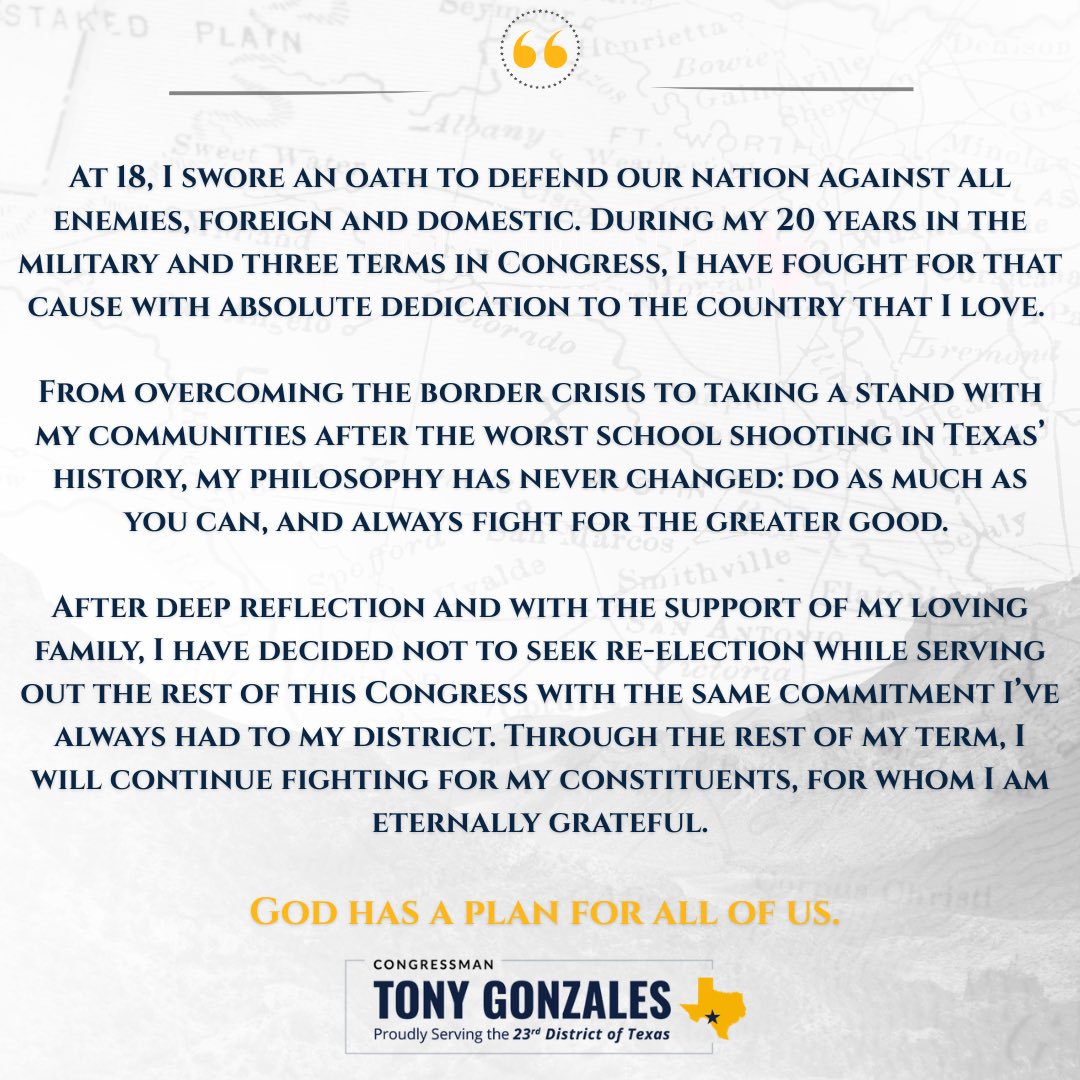

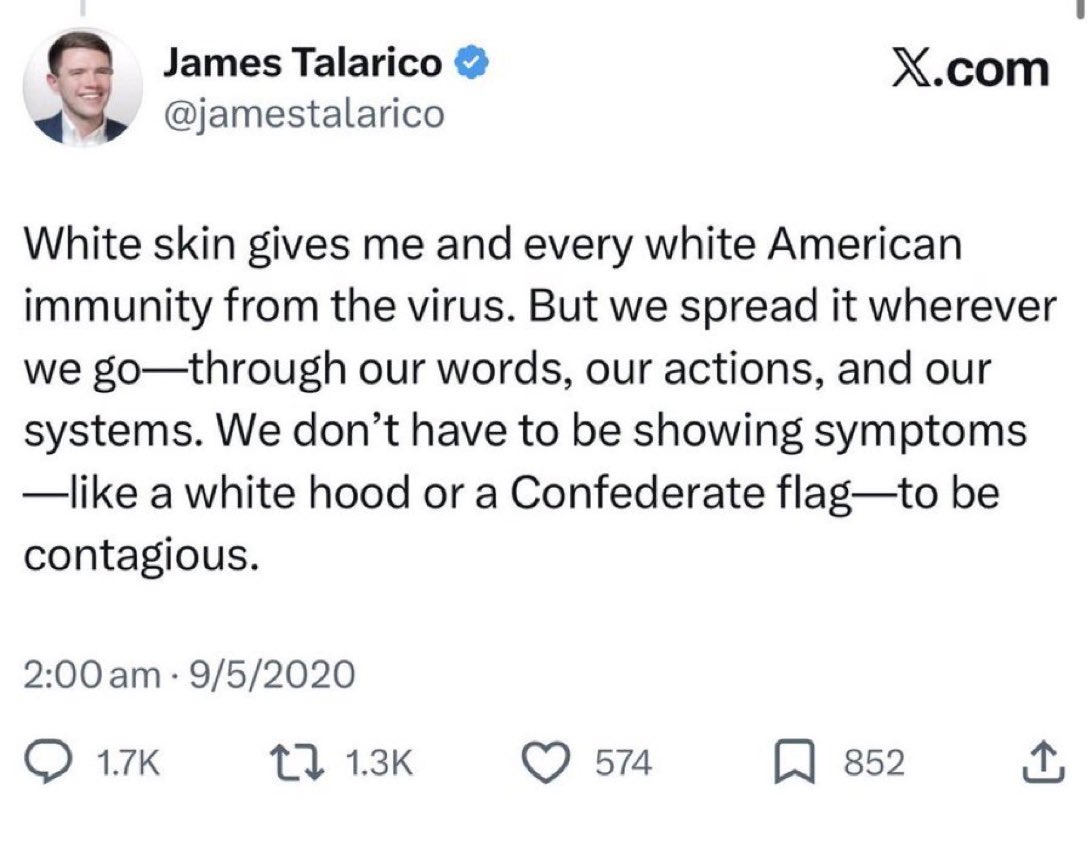
All the MAGAs I follow are RTing Talarico tweets from 5 years ago. We'll see what the impact is but it does reinforce my belief that the Dems would really benefit from finding an upstart in 2028 who emerged in 2022 and didn't really post during peak-woke.
English

Tonight, we reached an agreement with the Department of War to deploy our models in their classified network.
In all of our interactions, the DoW displayed a deep respect for safety and a desire to partner to achieve the best possible outcome.
AI safety and wide distribution of benefits are the core of our mission. Two of our most important safety principles are prohibitions on domestic mass surveillance and human responsibility for the use of force, including for autonomous weapon systems. The DoW agrees with these principles, reflects them in law and policy, and we put them into our agreement.
We also will build technical safeguards to ensure our models behave as they should, which the DoW also wanted. We will deploy FDEs to help with our models and to ensure their safety, we will deploy on cloud networks only.
We are asking the DoW to offer these same terms to all AI companies, which in our opinion we think everyone should be willing to accept. We have expressed our strong desire to see things de-escalate away from legal and governmental actions and towards reasonable agreements.
We remain committed to serve all of humanity as best we can. The world is a complicated, messy, and sometimes dangerous place.
English
HB retweetledi

HB retweetledi

Conservatives backing themselves into a corner where they have to pretend to be excited to watch 55 year old Kid Rock on their phone at halftime tonight is funnier than anything we could say or do to them.
English
HB retweetledi

@CynicalPublius This you? 👇🏻
Cynical Publius@CynicalPublius
When it comes to free speech, I don't care who you are or what you believe or what party you belong to or who you voted for or what your opinions are on H1Bs or Taco Bell ground beef or Kamala Harris or whether Die Hard is a Christmas movie or who was the best punk rock band (it was The Clash) or whether we should be funding Ukraine or whatever. I don't care. I don't care how much I disagree with you, my #1 imperative above all else is free speech. So long as you are not breaking laws against blackmail or threats of violence, I wholly support your right to say what you want and will defend to the death your right to say it. Who is with me?
English
HB retweetledi

Why don't her fellow White House correspondents stand up for her? Why do reporters as a group tolerate these Trump attacks on their own members, especially female members? What happened to solidarity?
Acyn@Acyn
Kaitlan Collins airs split-screen footage showing her remaining composed as Trump snaps at her for asking about Epstein.
English
@morgans04 @afshineemrani It does however mean he is a piece of shit who should not be respected.
English

@afshineemrani He has actually helped thousands - all those who watch his podcast and read his books. It sucks that he's on the list, but it doesn't mean he is not a doctor or has not helped people.
English

Explain something to me: A "doctor" who instead of taking care of hundreds or thousands of patients like we all do, does podcasts and writes books to get 30 patients a year to pay him $150,000 annually... and we are surprised he took Epstein's money and befriended him?
English
HB retweetledi

On Epstein files:
1. Why is the press referring to girls as women?
2. Why is the press inventing a term, 'underage women', there is no such thing.
3. There is no such thing as 'sex with a child', it is called child rape or child sexual abuse.
Stop minimising the criminality.
English

@DrJenGunter Man, I was an avid listener of hid podcast and really learned a lot from his book. This has been a real disappointment at a personal level.
English

I read a lot of the Peter Attia MD/Jeffrey Epstein emails so you don’t have to. Here is my take and my thoughts on longevity. I just can’t imagine taking the first call/email with someone like Epstein. open.substack.com/pub/vajenda/p/…
English
@PeterAttiaMD @dr_mosconi And to think I trusted and respected you. Disgusting.
English
HB retweetledi

90% of conservative conspiracy thinking just inevitably loops back around to finding the concept of pooled communal support to be utterly alien because the closest thing conservatives have to a community is a shared list of grievances that they don’t even agree on
Gunther Eagleman™@GuntherEagleman
🚨 BREAKING: The “No-Go-Zone” in Minneapolis is getting fully stocked like a pop-up leftist supply depot, free hand warmers, winter gear, coffee, food, milk, you name it. This is PROFESSIONAL-grade logistics. Someone is BANKROLLING this autonomous zone.
English
@JORBOTRONICS @somegrlsam @paleonormie Nah it was HIS life on the line. He is dead. They emptied their magazines and clapped. Fuck off. If they can't handle this stress then they should probably find a new job. Being scared at the chaos they are causing is not enough reason to execute someone. This should be obvious.
English

@somegrlsam @paleonormie Heightend tensions
Imagine if it was your life on the line.
English

@Virgini23166650 @LDS_Dems His phone is a deadly weapon? Who was assaulted?
English

@LDS_Dems They weren't tyrants. They were performing their lawful duties and he assaulted them.
If you assault a cop and you're holding a deadly weapon while doing it, then you might get shot.
That's how literally all the things work everywhere and always have.
English

Amazing how quickly the Second Amendment crowd can pivot from "we need guns to fight government tyranny" to "if you have a gun, you deserve to be shot by government tyrants"
English
English

@libsoftiktok For those interested in facts: what actually happened is ICE broke into a home, handcuffed an elderly U.S. citizen with no record, put a gun to his family’s head, dragged him half-naked into the cold — then released him after realizing they fucked up. ICE is out of control.
English

According to DHS, he was living with two illegal alien convicted s*x offenders, one of whom r*ped a minor, who were the target of the operation. He refused to show ID when asked.
Democrats are mad that ICE went to arrest s*x offenders. Democrats love protecting p*dos.
Matt McDermott@mattmfm
Yesterday, Reuters captured ICE breaking down a door and dragging a man out half-naked into the freezing cold in Saint Paul. According to his sister-in-law, they returned him after realizing he’s a naturalized U.S. citizen with no criminal record.
English
@jUDDERbUd @allenanalysis He's posted at least 20 times about yesterday and not one I can find even mentions the Black man who saved him. Expected but disgusting.
English

@allenanalysis Everyone should appreciate the black gentleman, trying to get Jake Lang out of there. Truly a saint.
Jake Lang would NEVER share that same grace with a black man, latino man, a Jewish man, or even a white liberal man.
Keep that in mind for the kind of person Jake Lang is.
English

Jake Lang and his crew showed up in Minneapolis trying to march into a Somali neighborhood, screaming that “natural born citizens” should be deported to “preserve the white race.”
They didn’t make it.
And the part that’ll live forever: a self-proclaimed white supremacist clinging to a Black man for protection and survival.
You can’t script that level of irony.
English

HB retweetledi

Of all the protest videos I’ve seen this one has hit me the hardest.
It’s such a unique perspective and it answers the question of “What’s the purpose of protests anyway? It’s not like they do anything.”
English
HB retweetledi


Defend the Homeland. Protect the American way of life.
The nonstop lies and smears from the FAKE NEWS are meant to tear down our brave men and women who protect our homeland every day.
English