

Jérémy Cosse, M.Sc. Neuropsychologist

2K posts

Jérémy Cosse, M.Sc. Neuropsychologist banner
Jérémy Cosse, M.Sc. Neuropsychologist

Jérémy Cosse, M.Sc. Neuropsychologist

@JeremyCosse

🧠psychologist / neuropsychologist 📝 Daily insights on mental health | insights quotidien sur la santé mentale ! #neuroscience #psychology #psychiatry

Saint-Ouen, France Katılım Aralık 2014
4.4K Takip Edilen684 Takipçiler
Jérémy Cosse, M.Sc. Neuropsychologist retweetledi
David Sinclair
David Sinclair@davidasinclair·
Would be shocking if bacteria that cause gum disease also contribute to Alzheimer’s. Either way, to reduce overall inflammation, maintain oral heath by: 1. Flossing daily 2. Using an electric toothbrush 3. Seeing a dentist >2x a year 4. Chewing oral probiotics 🦷🧠💪
Aakash Gupta@aakashgupta

Spouses of Alzheimer's patients are 6 times more likely to develop Alzheimer's themselves. They share daily saliva exchange for decades. Their oral bacteria converges to the same strains. In 2019 Cortexyme published a paper in Science Advances showing Porphyromonas gingivalis, the bacterium behind gum disease, was present in over 90% of postmortem Alzheimer's brains. They also found its DNA in the cerebrospinal fluid of living Alzheimer's patients. P. gingivalis is the keystone pathogen of periodontitis. The CDC says 47% of American adults over 30 have periodontitis right now. The mechanism is specific. P. gingivalis produces enzymes called gingipains. Two types: one cuts proteins at lysine residues, the other at arginine. Tau, the protein that holds your neuronal scaffolding together, is loaded with both amino acids. In cell culture, gingipains shred soluble tau within one hour of infection. The fragments seed the paired helical filaments that become tangles. Tangles are Alzheimer's. Mice fed P. gingivalis through the mouth grew amyloid plaques in their brains. Hippocampal neurons died. The bacteria crossed the blood-brain barrier and started chewing through the same proteins that fail in human Alzheimer's patients. Cortexyme built a drug called atuzaginstat to block gingipains. Phase 1 was clean. They ran a 643-patient Phase 2/3 trial called GAIN. The FDA hit it with a partial clinical hold for liver toxicity. The drug missed both primary endpoints. In August 2022 Cortexyme shut the program down, renamed itself Quince, and pivoted to bone disease. The subgroup with the highest baseline P. gingivalis loads still showed cognitive improvement on secondary endpoints. The bacteria itself kept showing up in postmortem brains across independent studies after the trial closed. Periodontal disease shows up 10 to 20 years before cognitive symptoms in people who later develop Alzheimer's. By the time someone forgets a name, the bacteria has been working for two decades. The intervention point is upstream of your skull.

English
91
184
1.7K
243K
Jérémy Cosse, M.Sc. Neuropsychologist retweetledi
Ty Beal
Ty Beal@TyBealPhD·
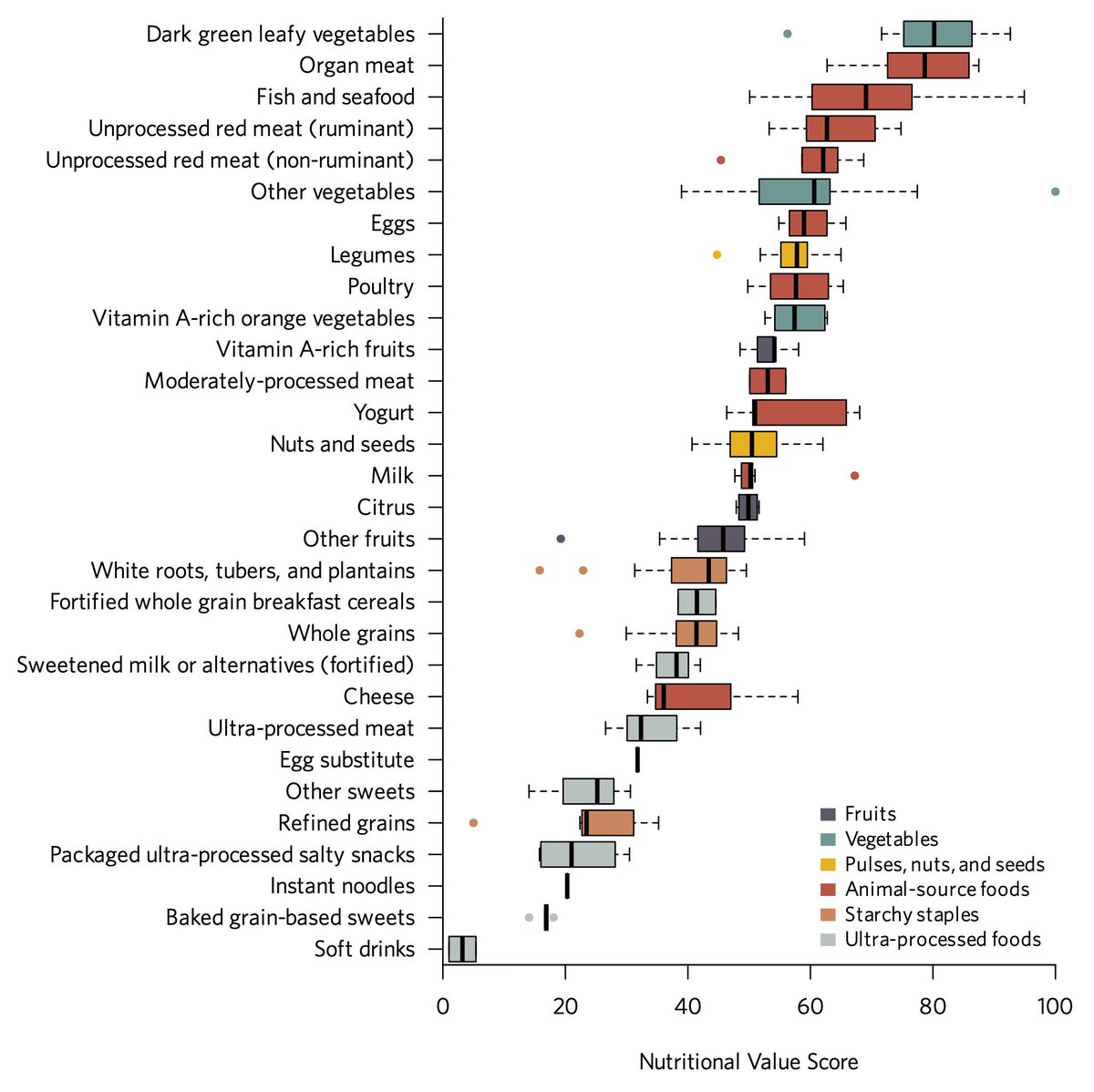
Here you can see the variation by food group. The lowest scoring foods are soft drinks, grain-based sweets, instant noodles, ultra-processed snacks, refined grains, and other sweets.
Ty Beal tweet media
English
8
10
88
18.6K
Jérémy Cosse, M.Sc. Neuropsychologist retweetledi
nature
nature@Nature·
Exercise prevents brain ageing and memory loss by strengthening the blood–brain barrier go.nature.com/4baobXk
English
11
167
665
50.1K
Jérémy Cosse, M.Sc. Neuropsychologist retweetledi
Keith Siau
Keith Siau@drkeithsiau·
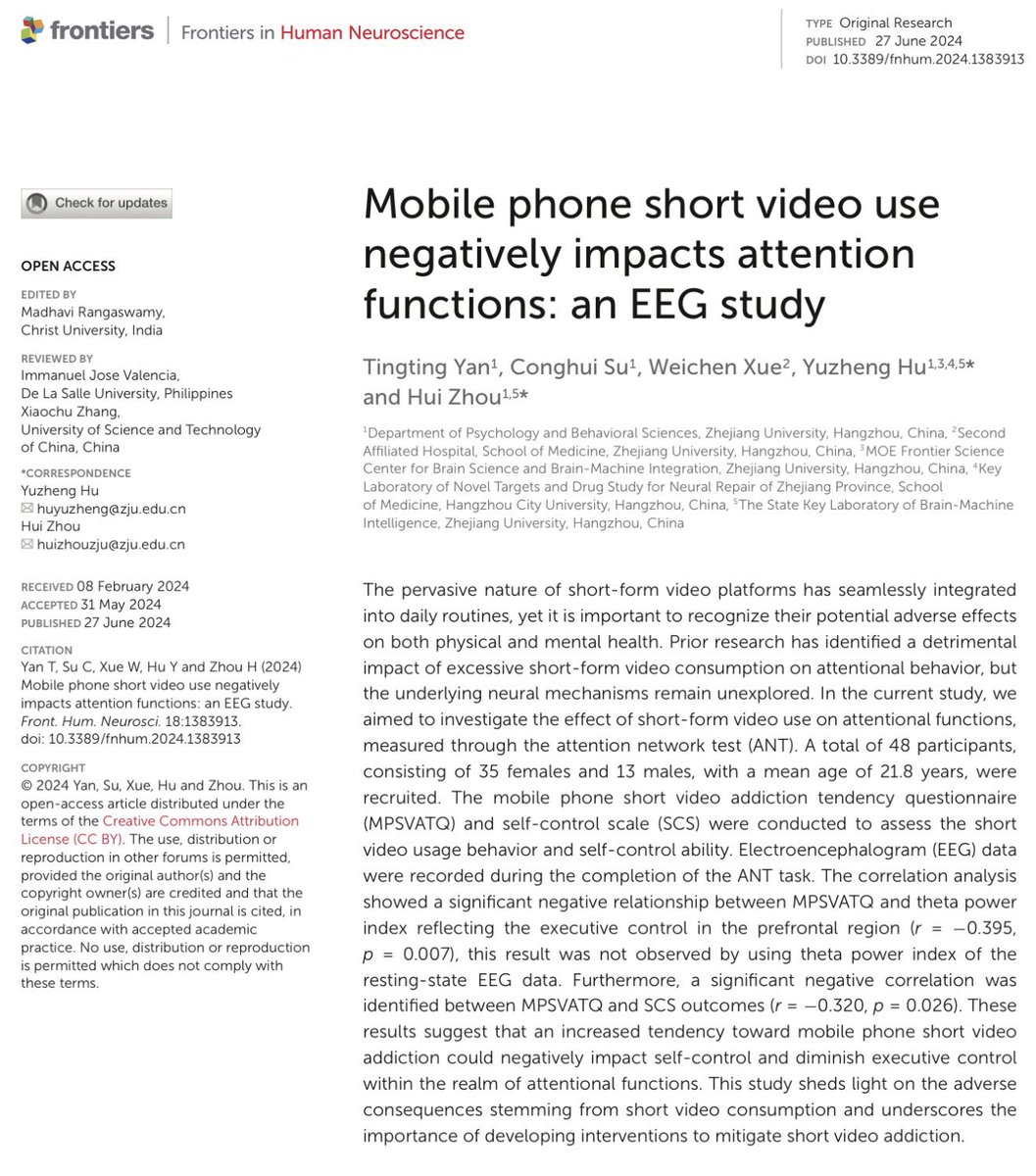
Parents need to take note ⚠️
Keith Siau tweet media
English
11
105
445
21.1K
Jérémy Cosse, M.Sc. Neuropsychologist retweetledi
Nicholas Fabiano, MD
Nicholas Fabiano, MD@NTFabiano·
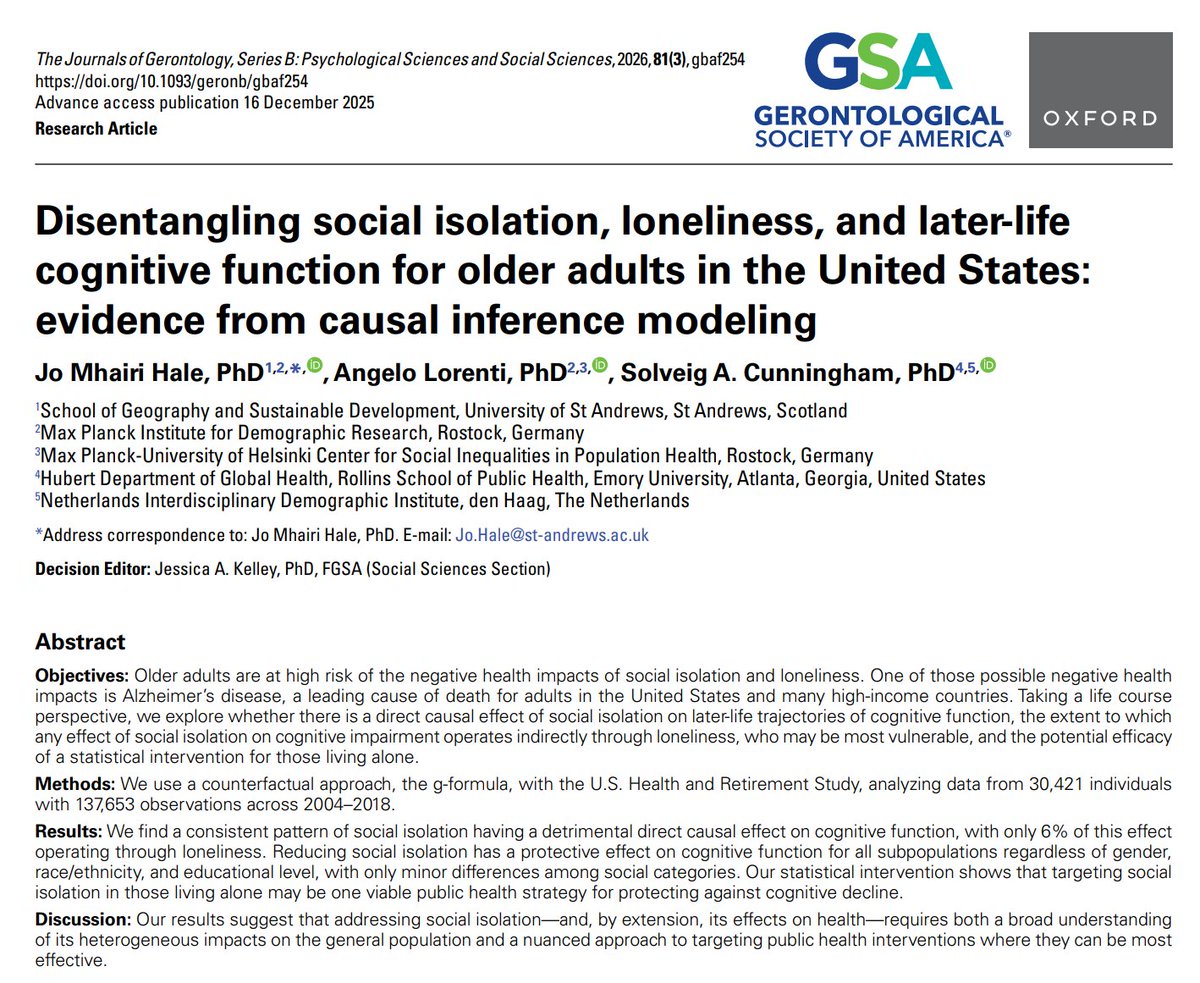
Social isolation reduces cognitive function. Stay connected.
Nicholas Fabiano, MD tweet media
English
50
465
2.8K
232.1K
Jérémy Cosse, M.Sc. Neuropsychologist retweetledi
Alex & Books 📚
Alex & Books 📚@AlexAndBooks_·
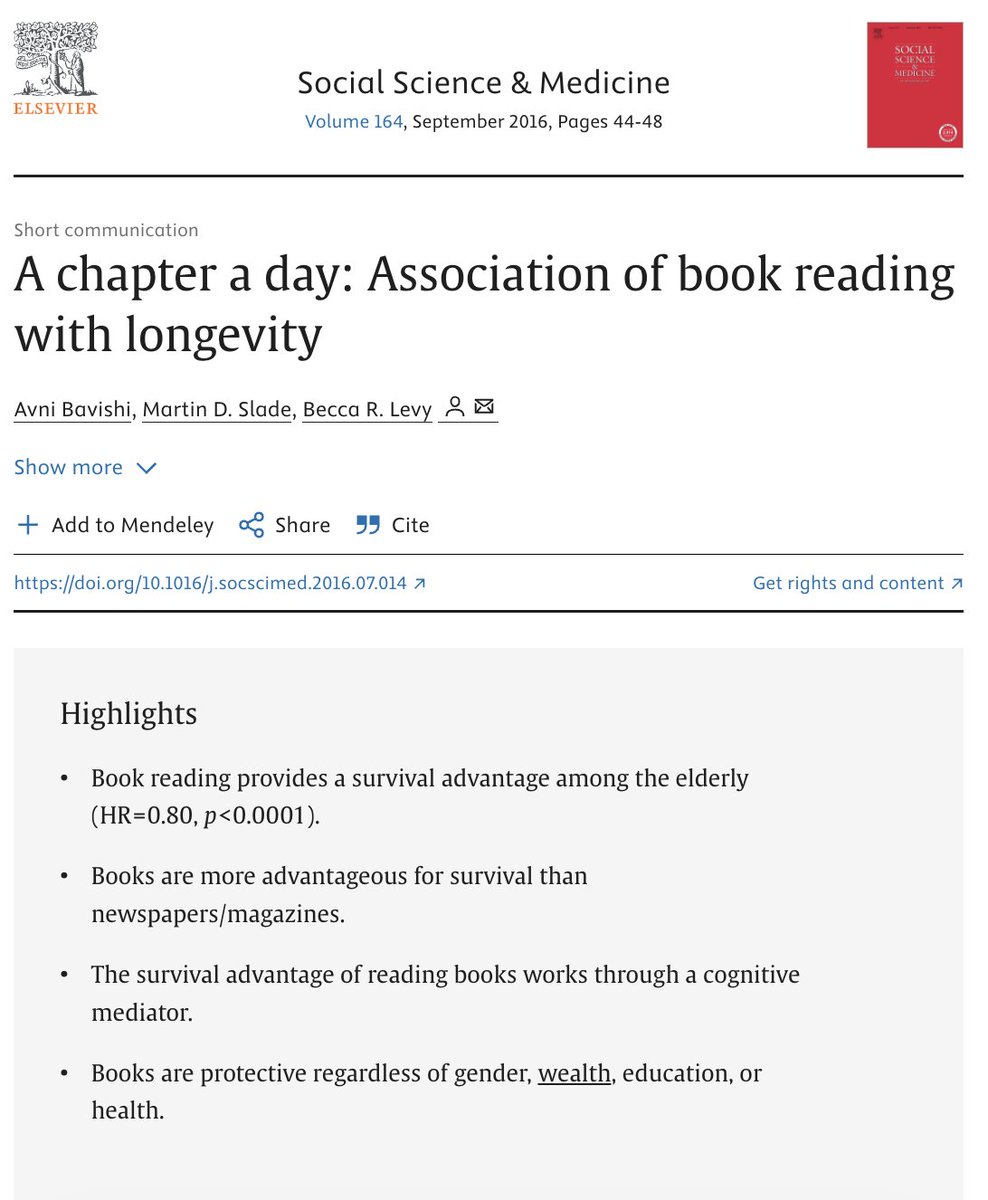
Reading more is associated with a longer life: + 20% reduction in risk of mortality + Books were protective regardless of gender, wealth, education, or health + Books were more advantageous for survival than newspapers or magazines A chapter a day keeps the doctor away.
Alex & Books 📚 tweet media
English
27
477
1.6K
91.4K
Jérémy Cosse, M.Sc. Neuropsychologist retweetledi
Samuel Hume
Samuel Hume@DrSamuelBHume·
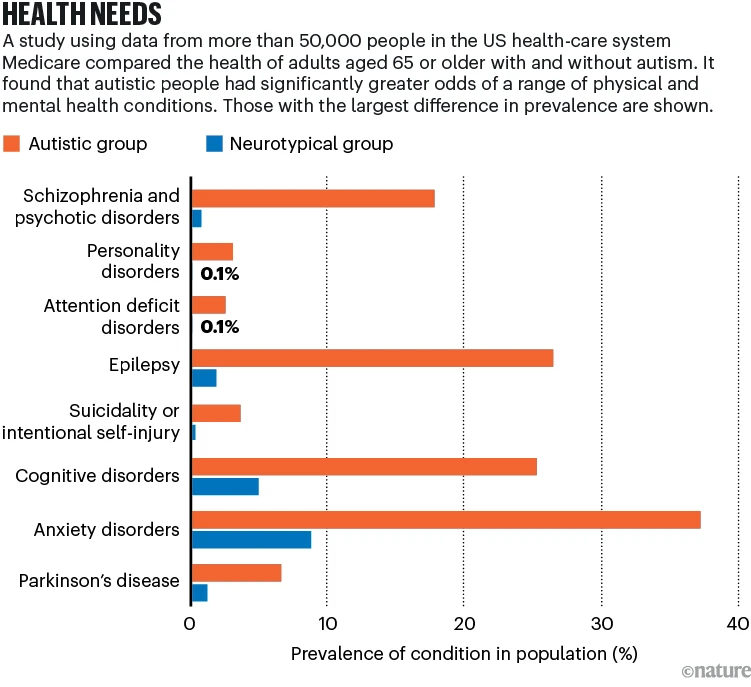
Neuropsychiatric comorbidities in people with autism:
Samuel Hume tweet media
English
4
23
102
6K
Jérémy Cosse, M.Sc. Neuropsychologist retweetledi
Nicholas Fabiano, MD
Nicholas Fabiano, MD@NTFabiano·
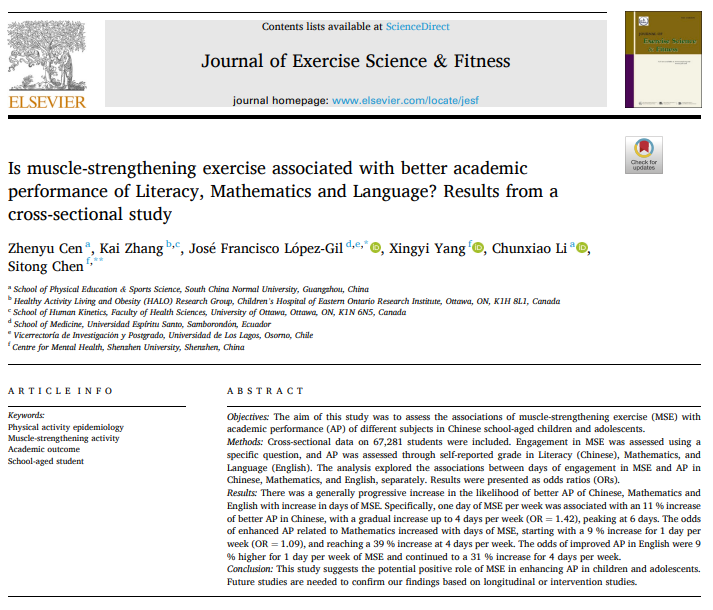
Lifting weights is associated with better academic performance.
Nicholas Fabiano, MD tweet media
English
136
1.5K
12K
993.9K
Jérémy Cosse, M.Sc. Neuropsychologist retweetledi
Dr. Dominic Ng
Dr. Dominic Ng@DrDominicNg·
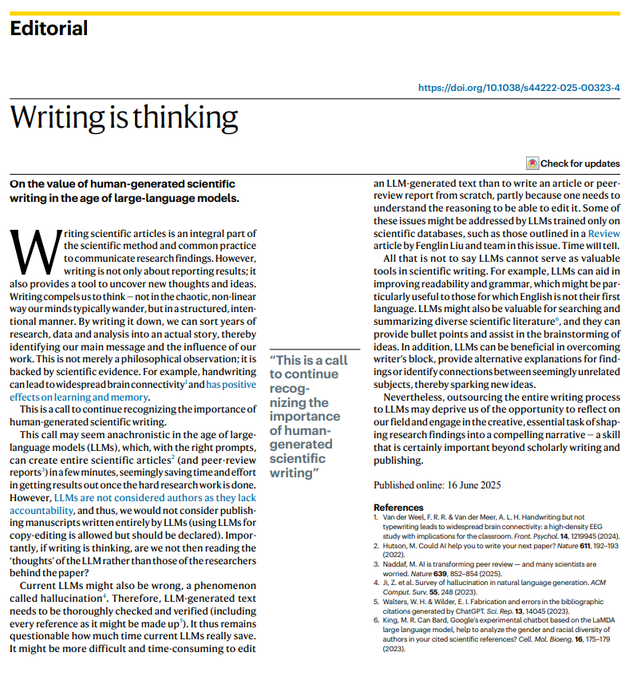
Writing forces your brain to coordinate memory, reasoning, and meaning-making simultaneously. Every time you write, you rewire toward clearer thinking. Every time you let an LLM do it, you rewire toward consumption.
Dr. Dominic Ng tweet media
English
193
4.3K
18K
613.7K
Jérémy Cosse, M.Sc. Neuropsychologist retweetledi
BMJ Mental Health
BMJ Mental Health@BMJMentalHealth·
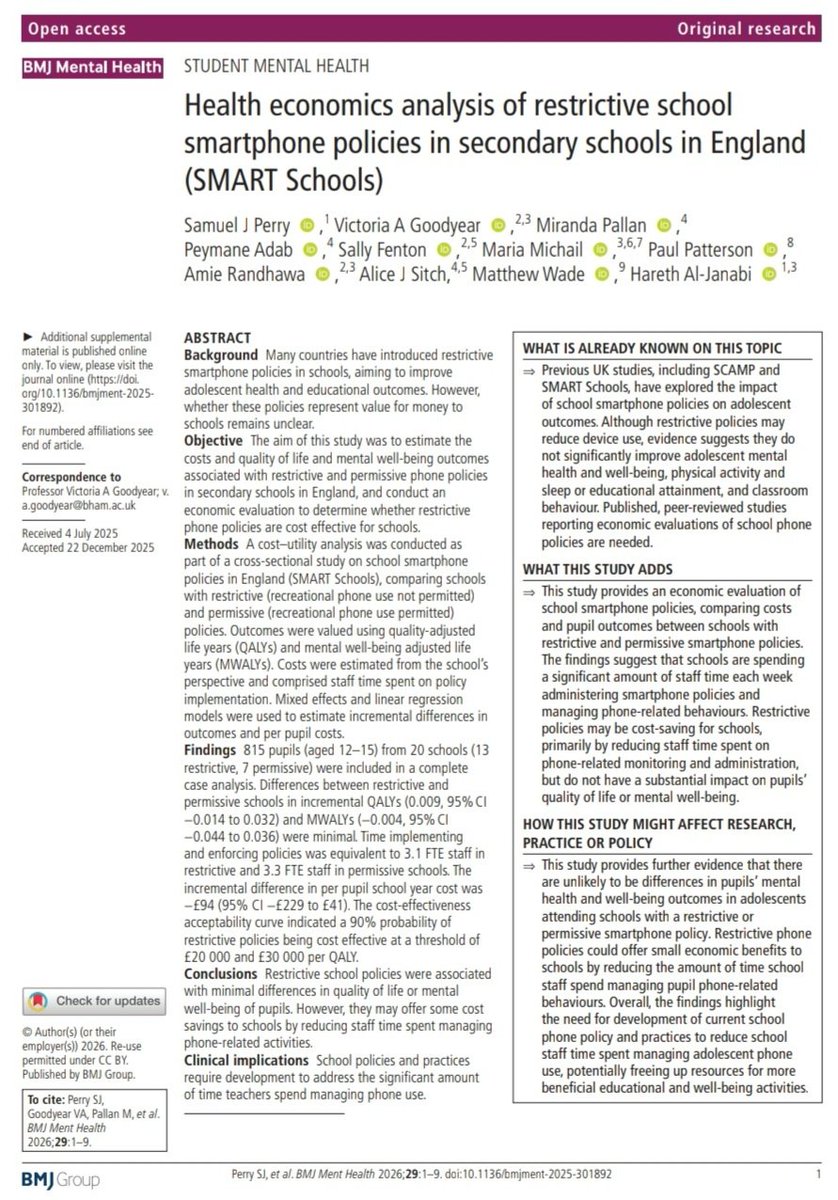
New research in @BMJMentalHealth finds that banning smartphones in English secondary schools may not significantly improve students’ quality of life or mental wellbeing, but it could save schools money by reducing staff time spent managing phone use. 📱🏫 Restrictive policies showed minimal health differences vs permissive ones, yet had a 90% chance of being cost-effective due to potential cost savings. Link: mentalhealth.bmj.com/content/29/1/e… #SmartPhones #Schools #Education #MentalHealth #SchoolPolicy
BMJ Mental Health tweet media
English
0
4
13
810
Jérémy Cosse, M.Sc. Neuropsychologist retweetledi
JAMA Psychiatry
JAMA Psychiatry@JAMAPsych·
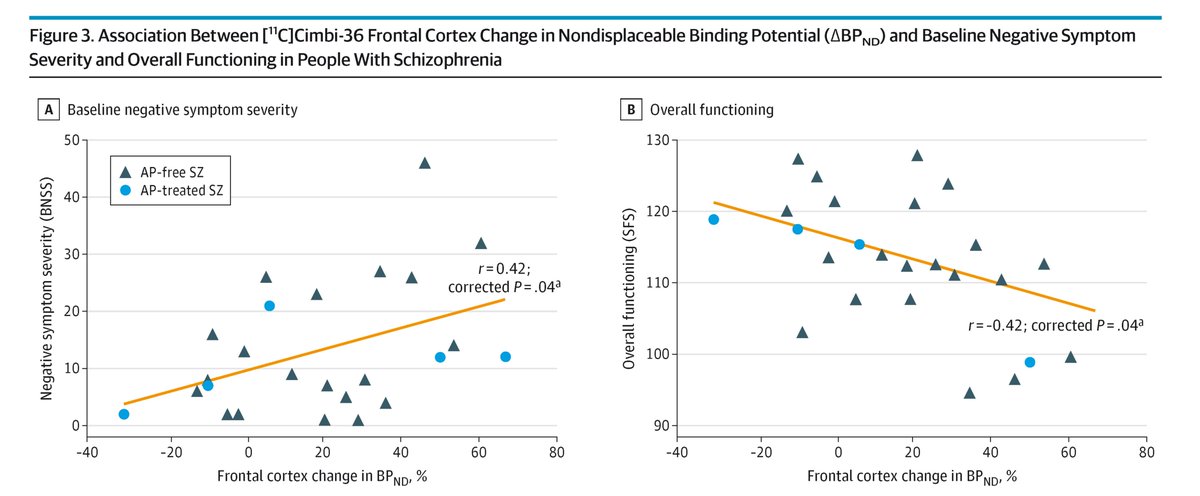
This case-control study found that adults with schizophrenia had significantly greater frontal cortex serotonin release than healthy controls, and greater release correlated with more severe negative symptoms. ja.ma/4qffsr0
JAMA Psychiatry tweet media
English
3
11
49
4.1K
Jérémy Cosse, M.Sc. Neuropsychologist
Ultra-processed foods = cigarettes du XXIe siècle ? Une revue qui fait froid dans le dos : sucres raffinés + graisses saturées → addiction-like behaviors validés par l’imagerie et la Yale Food Addiction Scale. Votre cerveau ne fait pas la différence avec certaines drogues… sciencedirect.com/science/articl…
Français
0
0
0
15
Jérémy Cosse, M.Sc. Neuropsychologist retweetledi
JAMA Internal Medicine
JAMA Internal Medicine@JAMAInternalMed·
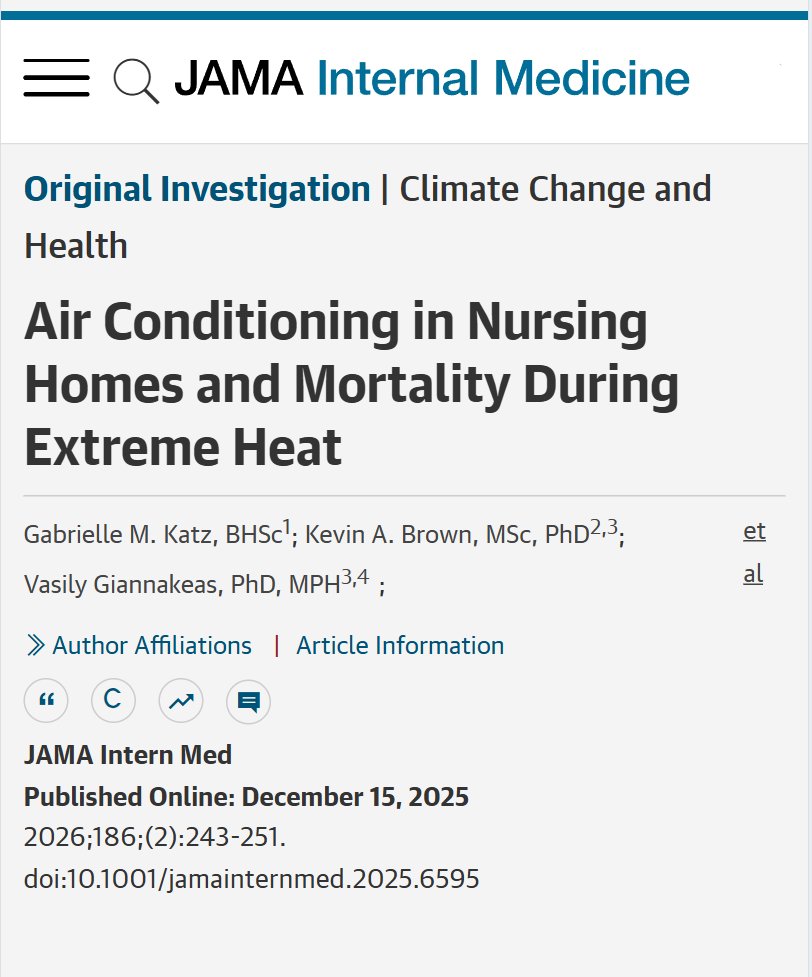
During extreme heat days, mortality rates were higher in nursing homes without air conditioning vs those with air conditioning, supporting universal AC mandates. bit.ly/4krWDQg
JAMA Internal Medicine tweet media
English
2
28
78
8.7K
Jérémy Cosse, M.Sc. Neuropsychologist
On a longtemps cru que la durée de sommeil comptait le plus. Erreur. Une étude sur 100 000 personnes (UK Biobank) montre que la régularité du rythme de sommeil protège bien plus la santé mentale que les 8 h seules. Routine stable → jusqu’à -23 % de troubles mentaux. Week-end décalé = +10 % de risque. → Dormir à heures fixes > dormir longtemps link.springer.com/article/10.118…
Français
0
0
0
47
Jérémy Cosse, M.Sc. Neuropsychologist retweetledi
Dr. Josef
Dr. Josef@DrJosefWD·
Psychiatric meds are often handed out by general doctors, not specialists. We need to change the system to help people in more sustainable ways—through therapy, community, physical health & education. #MentalHealth #Healthcare
English
10
19
67
1.4K
Jérémy Cosse, M.Sc. Neuropsychologist retweetledi
Camus
Camus@newstart_2024·
Shocking new MRI study on 3–5 year olds: Just 2 hours of interactive screen time per day is linked to measurable loss of white matter in the brain. Professor Mike Nagel (University of the Sunshine Coast): “White matter is myelin — it insulates axons like plastic on a wire. Deficits in myelin early in life mean deficits in neural connectivity.” The more screen time, the greater the white matter loss — especially in areas tied to language development and literacy. Nagel’s first reaction (as a researcher and father): “Wow… I was not anticipating seeing anything like that. It hadn’t occurred to me that something as little as two hours a day was having such a profound effect.” Parents: Has this changed how you think about screen time limits for young kids — or do you think the risks are overstated?
English
280
3.1K
9K
2.3M
Jérémy Cosse, M.Sc. Neuropsychologist retweetledi
Nick Krontiris
Nick Krontiris@nick_krontiris·
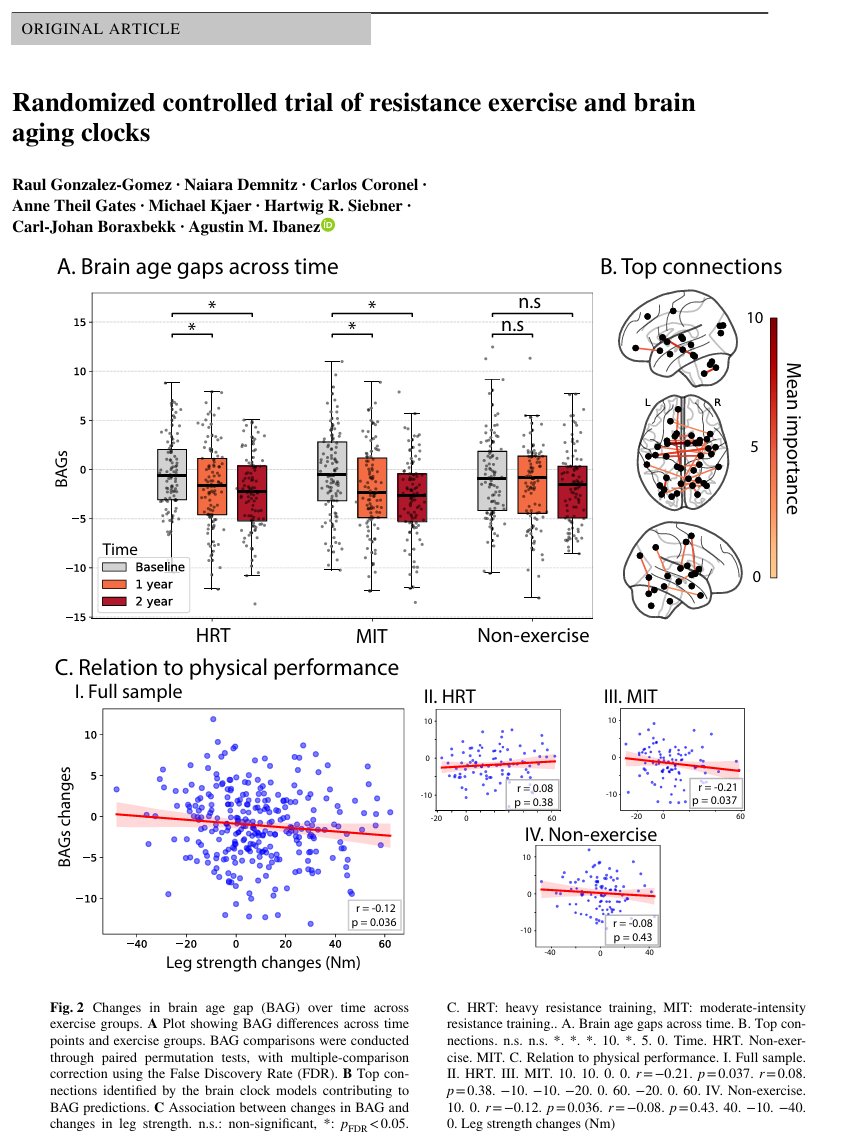
In this one, a one-year resistance training intevention, either at a heavy or moderate intensity, was associated with measures indicating a healthier brain in older adults.
Nick Krontiris tweet media
English
1
12
61
2K
Jérémy Cosse, M.Sc. Neuropsychologist retweetledi
JAMA Neurology
JAMA Neurology@JAMANeuro·
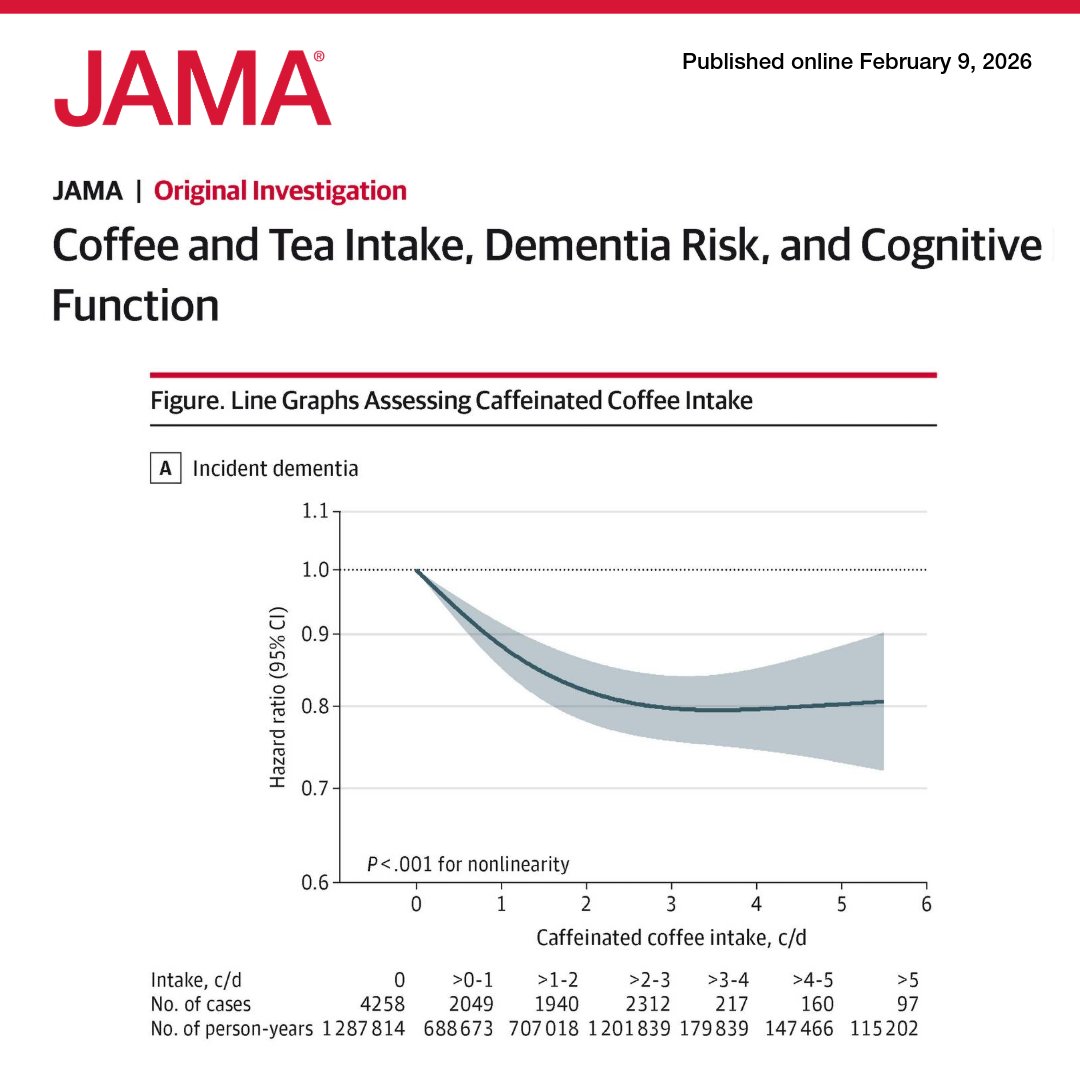
From @JAMA_current: Moderate consumption of caffeinated coffee or tea was linked to reduced #dementia risk and modest improvements in cognitive outcomes; no benefit was seen for decaffeinated coffee in an observational study of US adults. ja.ma/4rKRB3K
JAMA Neurology tweet media
English
1
15
34
2.6K