Dr. Neelesh Kapoor

984 posts

Dr. Neelesh Kapoor

Dr. Neelesh Kapoor

@KapoorNeelesh

Physician, Diabetologist, Public health specialist Lawyer, Health Tech Entrepreneur. Tweets are personal!

Noida, India Katılım Ağustos 2014
394 Takip Edilen391 Takipçiler
Dr. Neelesh Kapoor retweetledi

Vikash Pandey
Vikash Pandey@VikashPandey719·
@npclgrnoida @UPPCLLKO @CMOfficeUP @myogiadityanath Npcl complaint number.2432556.15+ hrs power outage at Spring Meadows, Techzone 4, Greater Noida West. Residents on DG continuously. Noida Power Company Limited has no solution the vendor is not available for RMU.
English
19
35
16
1K
Dr. Neelesh Kapoor retweetledi
CME INDIA
CME INDIA@CMEINDIA1·
Measuring Obesity: The Need for Simplicity (India-Centric Perspective) Seshadri KG et al., 2026 @hormndoc @AskDrShashank @banshisaboo @docanoopmisra @KrishnaSeshadri 🎯 Core Message “Obesity is not just excess weight — it is excess dysfunctional adiposity.” 1️⃣ BMI is simple—but biologically incomplete Body Mass Index (BMI) does not measure fat distribution or function. It fails to distinguish between muscle and fat and misses visceral adiposity—especially relevant in Indians with the “thin–fat phenotype.” 2️⃣ 2025 Lancet Commission: Shift from weight to function The redefined obesity as a chronic disease characterized by excess adiposity impairing organ function, distinguishing: Preclinical obesity – excess fat, no organ dysfunction Clinical obesity – adiposity with functional impairment This represents a paradigm shift beyond BMI-centric diagnosis. 3️⃣ Indian phenotype demands lower cut-offs Indians develop T2DM and ASCVD at 5–7 kg/m² lower BMI compared to Caucasians due to higher visceral fat and insulin resistance. ✔ Recommended Indian cut-offs: BMI > 23 kg/m² Waist circumference ≥90 cm (men), ≥80 cm (women) Waist-to-height ratio (WHtR) >0.5 Global WC cut-offs (102/88 cm) underestimate Indian cardiometabolic risk. 4️⃣ MONW: The hidden epidemic Metabolically Obese Normal Weight (MONW) affects 15–30% of Indians. These individuals: Have normal BMI Carry high visceral fat Exhibit elevated risk of T2DM, CAD, CKD They are frequently missed under traditional WHO definitions. 5️⃣ WHtR outperforms BMI in India Waist-to-height ratio (WHtR) shows superior predictive value for: T2DM Cardiovascular disease AUC ranges: 0.795–0.804, outperforming BMI. 📌 Clinical takeaway: “Keep your waist less than half your height.” 6️⃣ Simplified Primary Care Model (India-Proposed) For grassroots practice: Pl see attached .. No routine DXA required in primary care. 7️⃣ Why WHO BMI ≥30 is dangerous for India Using global BMI ≥30: Underestimates obesity prevalence by 20–30% Misses millions with high cardiometabolic risk Delays intervention Expands NCD burden India may need to reclassify 40–50% more individuals under lower thresholds. 8️⃣ Research Gaps Identified Lack of longitudinal Indian outcome data Limited rural cohort validation Need for WHtR vs BMI predictive trials Need for ICMR-scale prospective cohorts Professional bodies like RSSDI must lead consensus-building. 🔎 CME INDIA Clinical Bottom Line ✔ BMI alone is insufficient in Indians ✔ WHtR >0.5 is a powerful, simple screening tool ✔ BMI >23 should trigger evaluation ✔ MONW is common and dangerous ✔ Primary care simplification is essential ✔ India needs its own validated obesity framework journals.sagepub.com/eprint/PHGTXQQ…
CME INDIA tweet mediaCME INDIA tweet mediaCME INDIA tweet media
English
0
8
15
754
Dr. Neelesh Kapoor retweetledi
Sachin Gupta
Sachin Gupta@Sachingupta·
यूपी – नोएडा के एमिटी इंटरनेशनल स्कूल का UKG का छात्र करीब 7 घंटे तक बस में बंद रहा। बच्चा घर से स्कूल के लिए बस में बैठा और सो गया। स्कूल में बच्चे उतारकर बस करीब 25 KM दूर यार्ड में जाकर खड़ी हो गई। बच्चा मदद के लिए चिल्लाता रहा, लेकिन किसी ने उसकी नहीं सुनी। छुट्टी के बाद वो घर नहीं पहुंचा तो खोज शुरू हुई। पता चला कि वो स्कूल भी नहीं पहुंचा। ढूंढते–ढूंढते फैमिली वाले स्कूल से 25 KM दूर यार्ड पर पहुंचे, जहां उन्हें वो बच्चा बस के अंदर बंद मिला। वो पसीने से लथपथ था। भूखा–प्यासा था। रो रहा था। सोचिए, किस लेवल पर लापरवाही हुई है... – स्कूल बस ड्राइवर/हेल्पर की, जिन्होंने बस चेक नहीं की – स्कूल की, जिसने बच्चा एब्सेंट होने पर फैमिली को सूचित नहीं किया @Nishantkaushik0
हिन्दी
89
857
2.8K
118.6K
Dr. Neelesh Kapoor retweetledi
CME INDIA
CME INDIA@CMEINDIA1·
Clinical Pearls of the ADA/EASD 2025 Draft Consensus Report on Adult Type 1 Diabetes (T1D): EASD/ADA 2025 Draft Consensus on Adult Type 1 Diabetes (ADA–EASD Consensus Panel, Sept 2025. Draft open for feedback until Oct 16, 2025) 🔑 What’s New in 2025? Expanded scope: First update since 2021 → reflects rapid advances in therapies, technology & holistic care. Three New Sections Added Screening for microvascular complications. Cardiovascular risk management. Obesity management in T1D. Integrated: Beta-cell preservation/replacement, immune therapies, and islet transplantation discussed together (instead of separate sections). 🧪 Diagnosis: T1D vs T2D in Adults Challenging area — adults often misclassified. Proposed Algorithm: Suspect T1D if: <35 yrs, BMI <25 or unintentional weight loss. DKA, glucose > 360 mg/dL. Rapid insulin dependence. Diagnostic uncertainty. Step 1: Autoantibody test (GAD → IA-2 → ZnT8). Step 2: C-peptide if antibodies negative/low titer. <200 pmol/L (0.6 ng/mL) → T1D. 600 pmol/L → likely T2D (unless rapid insulin progression). Step 3: Consider genetic testing for MODY if age <35 with preserved C-peptide. Trial of non-insulin therapy may be used if diagnosis unclear, with repeat C-peptide monitoring. 📊 Technology = Standard of Care CGM (Continuous Glucose Monitoring): Recommended for all with T1D as baseline care. Fingersticks remain backup when CGM not available. AID Systems (Automated Insulin Delivery): Preferred insulin delivery mode → better glucose control, ↓ hypoglycemia, ↑ quality of life. If injections: Multiple daily injections (MDI) with analog insulins (basal + bolus). Inhaled insulin: Can be used for meal boluses. 💊 Therapies & Adjuncts Insulin remains cornerstone. Adjunctive therapies (esp. SGLT2i, GLP-1RA): Not yet fully endorsed for glycemia. Stronger CV risk reduction role is emerging. Immune therapies & islet transplantation: Covered under disease-modifying strategies; transplant needs decreasing with better technology. 🧍‍♀️ Special Populations Obesity in T1D: Lifestyle, pharmacotherapy (GLP-1RA, SGLT2i), bariatric surgery if needed. Older adults: Focus on hypoglycemia prevention, regimen simplification, continued technology use if feasible. Pregnancy: Pre-pregnancy planning, technology use, specialist referral. 🧾 Complications & CV Risk Microvascular screening now included → retinopathy, neuropathy, nephropathy. Frequency of screening slightly relaxed. CV risk management: Target BP <120/80 mmHg. Statins for all ≥40 yrs, or 20–39 yrs with ↑ CV risk. GLP-1RA and SGLT2i considered for CV risk reduction independent of glycemia. 🧠 Holistic & Psychosocial Care DSMES (Education & Support): Universal for all T1D. Assess mental health, diabetes distress, depression, eating disorders at routine visits. Nutrition: Individualised; low-carb diets acceptable if within healthy eating patterns. Exercise: Personalised plans; use tech to manage glucose during activity. Lifestyle behaviours: Sleep, alcohol, drugs, smoking cessation, safe driving, travel guidance. 📌 CME INDIA Take-Home All adults with T1D → CGM access is standard of care. Diagnosis needs structured algorithm (autoantibodies + C-peptide ± genetics). Phenotype variation (lean autoimmune vs obese T1D) → personalised care essential. Adjunctive therapies (SGLT2i/GLP-1RA) gaining ground for CV protection. Obesity & older age in T1D need specific strategies. Psychosocial care and DSMES are as important as insulin. professional.diabetes.org/clinical-suppo…
CME INDIA tweet media
English
0
5
34
1.6K
Dr. Neelesh Kapoor retweetledi
CME INDIA
CME INDIA@CMEINDIA1·
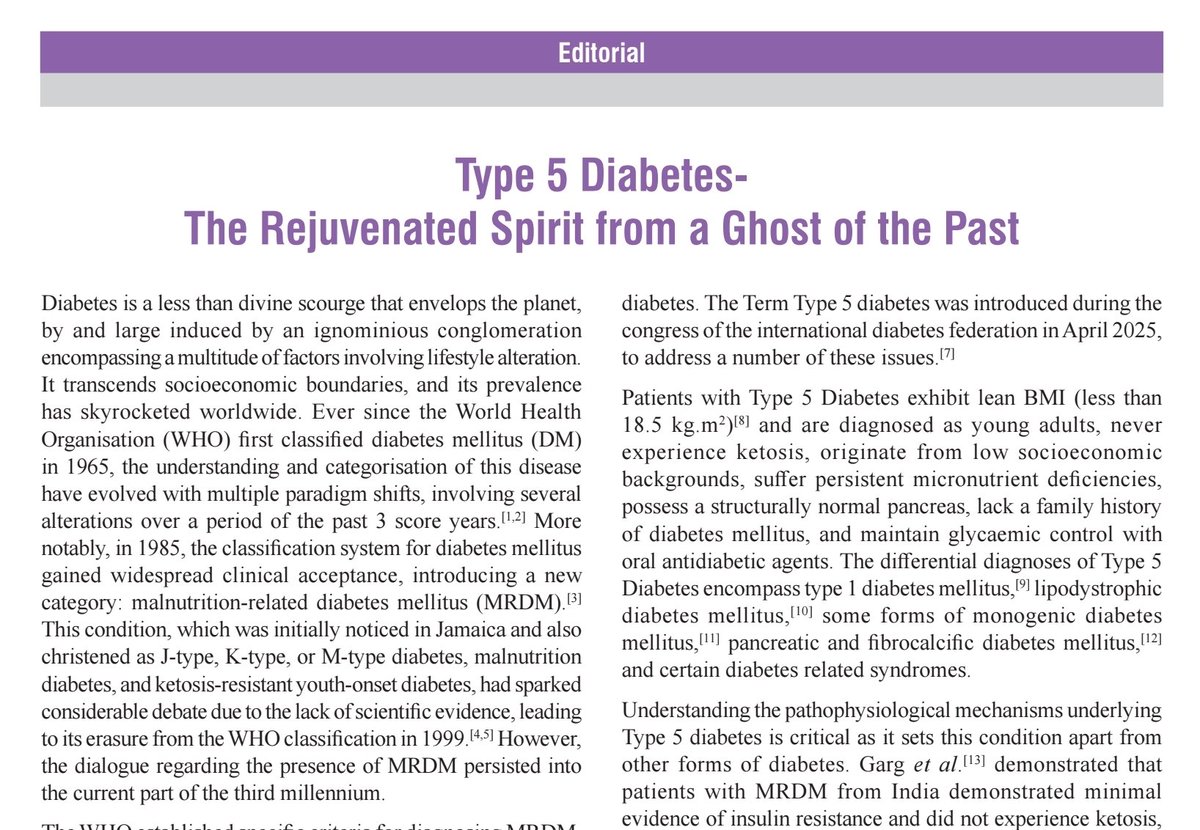
Abundant yet fragmented evidence behind the clinical aspects of Type 5 entity, it is not unreasonable to further explore it..... Interesting Editorial by Jebasingh F, Thomas N. Type 5 diabetes ‑The rejuvenated spirit from a ghost of the past. Indian J Endocr Metab2025;29:249-52 🧵Type 5 Diabetes Mellitus (Type 5 DM) – 2025 IDF Consensus Classification 🧬 What is Type 5 DM? A unique form of diabetes in malnourished, lean individuals (BMI <18.5), young-onset, no ketosis, insulin-sensitive but insulin-deficient, not autoimmune, and often misclassified as T1D. 📜 Historical Milestones 🏛️ 1965: WHO first classified DM. 🧾 1985: WHO introduced MRDM (Malnutrition-Related Diabetes Mellitus). ❌ 1999: MRDM removed due to insufficient evidence. 🧠 2025: IDF Congress formally names it Type 5 Diabetes to replace MRDM. 🧬 Defining Features of Type 5 DM ✅ BMI <18.5 kg/m² ✅ Onset <30 yrs, rural/low-resource origin ✅ No ketosis, despite hyperglycemia ✅ Insulin requirement >2 IU/kg/day initially ✅ No family history of DM ✅ Responds to oral agents (50% of patients) ✅ Micronutrient deficiency, structurally normal pancreas 🧪 Investigations Supporting Diagnosis 🔬 Fasting/post-meal C-peptide: Low ❌ Anti-GAD/IA2 antibodies: Negative 🧂 No acanthosis, no insulin resistance 🧫 USG/CT abdomen: Normal pancreas 📉 Low visceral fat, low hepatocellular lipid (via DXA or BIA) 🔬 Key Pathophysiological Insights 🧪 Insulin secretory defect 🧪 No insulin resistance (unlike T2DM) 🧪 Hyperinsulinemic Euglycemic Clamp shows:  ✔️ High peripheral glucose uptake  ❌ No endogenous glucose overproduction 🧬 Early-life undernutrition → epigenetic β-cell programming defects 🧬 Reduced β-cell mass (PDX1 inhibition, increased α-cells) 🔍 Differential Diagnosis to Rule Out T1DM (Autoimmune, Ketosis-prone) MODY 5 (Monogenic DM, use gene panels if available) Pancreatic DM (pancreatitis, fibrocalcific, imaging needed) Lipodystrophic DM (low fat with insulin resistance) Syndromic DM (e.g. IUGR-related) 🥩🧘‍♀️ Therapeutic Hypotheses 🧃 High-protein diets may enhance β-cell function 🏋️ Exercise may improve lean body mass and glucose uptake 🧪 Clinical trials on incretin axis and beta-cell stimulators needed 🌎 Global Health Relevance Still prevalent in Asia, Africa, Central America Often misclassified as T1DM → unnecessary insulin burden Needs recognition, classification, custom therapy 📌 Proposed Clinical Criteria (Modified Samal & Tripathy) 🔹 BMI <18.5 🔹 DM onset <30 years 🔹 No ketosis ever 🔹 From underprivileged/rural/famine-affected region 🔹 Evidence of early undernutrition (low birth weight, stunting, maternal anemia) 🔹 No signs of insulin resistance 🔹 Preserved response to oral agents 🔹 Low C-peptide, negative autoimmunity, normal pancreas 🧬 Etiological Hypotheses 1. Early-life protein-energy malnutrition 2. Epigenetic silencing of β-cell genes (e.g., PDX1) 3. Anaemia in utero → α-to-β cell imbalance 4. Incretin dysfunction (↓ GLP-1 expression via PAK1/β-catenin axis) 📣 Why “Type 5” Matters ✅ Replaces stigmatizing “malnutrition” label ✅ Avoids misdiagnosis ✅ Enables proper therapy (often no insulin needed) ✅ Opens doors for research & clinical trials 🔍 Key Studies 🧪 HEC Studies (India, Thailand): Secretory defects, no IR 🧬 Autopsies: Reduced β-cells in malnourished children 🐁 Animal models: Protein-deficiency = ↓ insulin secretion 🔬 Immunogenetic studies: Distinct from T1D 🩺 Indo-US collaborations shaping the new paradigm 💡 Take Home 🩻 Suspect Type 5 DM in lean, young, rural patients with early-life undernutrition and preserved oral drug response. 🧠 Think beyond T1DM/T2DM. A new chapter in diabetes has begun—Type 5 DM is real and relevant. @IntDiabetesFed @drmohanv @AskDrShashank @docanoopmisra @DiabetesCareADA @scottisaacsmd @kamleshkhunti @EricTopol @banshisaboo @singhak_endo Link share.google/ug0ORd692wgX57…
CME INDIA tweet media
English
0
4
14
918
Dr. Neelesh Kapoor
Dr. Neelesh Kapoor@KapoorNeelesh·
#ADA 2025
CME INDIA@CMEINDIA1

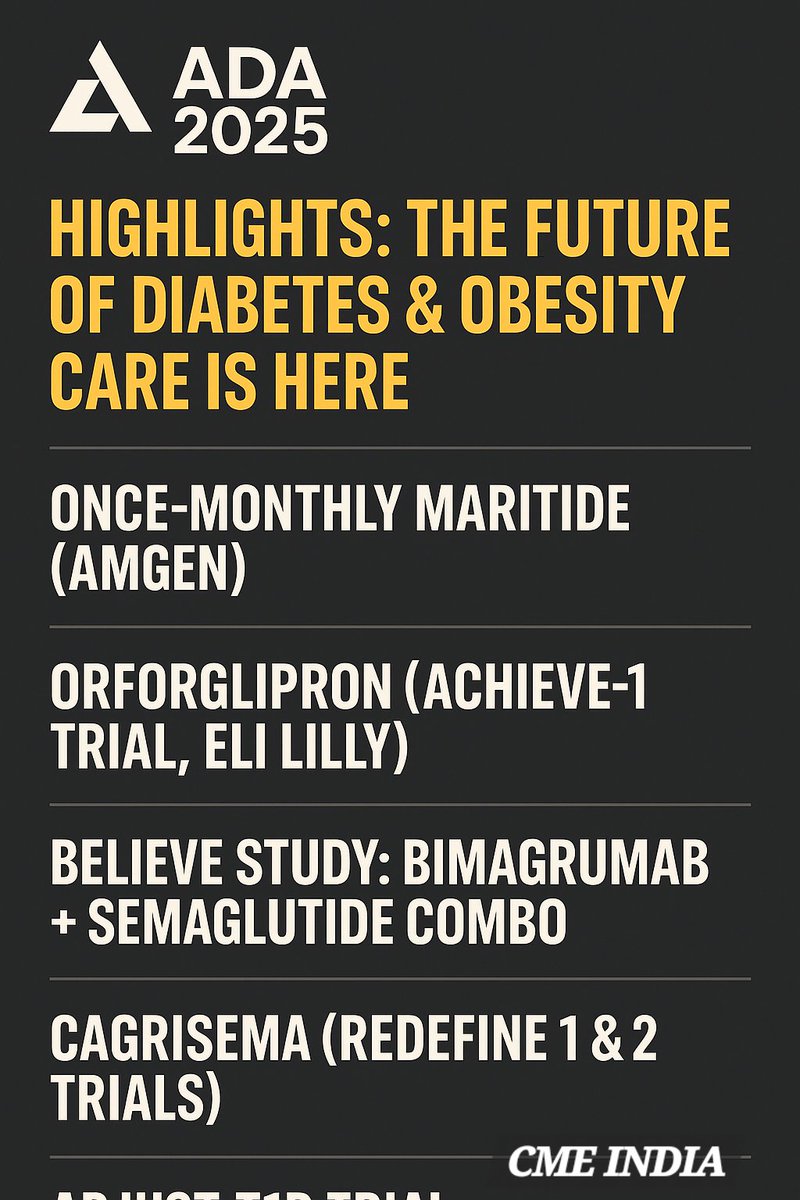
🌟 ADA 2025 Highlights: The Future of Diabetes & Obesity Care is Here 🌟 🔥 Breakthroughs from the world’s leading diabetes congress — from once-monthly GLP-1s to oral nonpeptides, muscle-preserving combos, and AI-powered care. 🔹 1. Once-Monthly MariTide (Amgen) ➡️ A novel GLP-1 RA dosed monthly 🔍 While weight loss was modest, convenience = better adherence, making it a practical contender in real-world settings. 🔹 2. Orforglipron (ACHIEVE-1 Trial, Eli Lilly) 💊 First oral nonpeptide GLP-1 RA ✅ No injection, no refrigeration ✅ Food-independent dosing ✅ Lower cost potential 🚀 Game-changer for T2D therapy access and scalability. 🔹 3. BELIEVE Study: Bimagrumab + Semaglutide Combo 💪 Can we preserve muscle while losing fat? 🧬 This novel combo stimulates skeletal muscle growth, addressing sarcopenia risk with GLP-1 RAs. ➡️ First-of-its-kind attempt to enhance "quality of weight loss." 🔹 4. CagriSema (REDEFINE 1 & 2 Trials) 🧠 A dual hit: GLP-1 (semaglutide) + amylin analog (cagrilintide) 🎯 Multi-target approach to weight loss ➡️ A promising next-gen obesity drug from Novo Nordisk. 🔹 5. ADJUST-T1D Trial 🔁 Semaglutide + automated insulin delivery in Type 1 DM 📉 Evaluating metabolic + weight benefits in T1D—a paradigm shift for this lean-diabetes phenotype. 🔹 Other Late-Breaking Updates 🧪 SOUL Trial – Oral semaglutide improves CV outcomes in high-risk T2D 🧪 STRIDE Trial – Semaglutide shows promise in PAD 🧪 CATALYST Trial – Uncovers link between hypercortisolism & poor glycemic control 🧪 PATHWEIGH – Real-world obesity care in primary care settings 🧠 AI in Diabetes Care – Smarter insulin dosing, real-time CGM analytics 🧫 Stem Cell-Derived Islet Transplants – Hope for T1D cure on the horizon 🎙️“This year’s ADA is a data-driven leap forward—from convenience dosing and oral GLP-1s to precision medicine and AI-enabled care. It’s not just about weight loss. It’s about doing it better, smarter, and more humanely.” @omlakhani @mvramamohan @ANISHKAR11 @karthik2k2 @deepduttaendo @KapoorNitinDr @AiHealthDoc @Bangaloreendo @MushtaqBilalPhD @shinjan100 @IndiaESI @DrVinay118 @DRAMITGOEL007 @AskDrShashank @drparthjethwani @EJEndo @abm_kamrul @drshafikuchay @snamratarao @Rssdi_official 📌 #ADA2025 #ObesityCare #GLP1 #Type2Diabetes #OralGLP1 #Semaglutide #Bimagrumab #AIinMedicine #CagriSema #Innovation #FutureOfDiabetesCare

0
0
0
28
Dr. Neelesh Kapoor retweetledi
CME INDIA
CME INDIA@CMEINDIA1·
🌟 ADA 2025 Highlights: The Future of Diabetes & Obesity Care is Here 🌟 🔥 Breakthroughs from the world’s leading diabetes congress — from once-monthly GLP-1s to oral nonpeptides, muscle-preserving combos, and AI-powered care. 🔹 1. Once-Monthly MariTide (Amgen) ➡️ A novel GLP-1 RA dosed monthly 🔍 While weight loss was modest, convenience = better adherence, making it a practical contender in real-world settings. 🔹 2. Orforglipron (ACHIEVE-1 Trial, Eli Lilly) 💊 First oral nonpeptide GLP-1 RA ✅ No injection, no refrigeration ✅ Food-independent dosing ✅ Lower cost potential 🚀 Game-changer for T2D therapy access and scalability. 🔹 3. BELIEVE Study: Bimagrumab + Semaglutide Combo 💪 Can we preserve muscle while losing fat? 🧬 This novel combo stimulates skeletal muscle growth, addressing sarcopenia risk with GLP-1 RAs. ➡️ First-of-its-kind attempt to enhance "quality of weight loss." 🔹 4. CagriSema (REDEFINE 1 & 2 Trials) 🧠 A dual hit: GLP-1 (semaglutide) + amylin analog (cagrilintide) 🎯 Multi-target approach to weight loss ➡️ A promising next-gen obesity drug from Novo Nordisk. 🔹 5. ADJUST-T1D Trial 🔁 Semaglutide + automated insulin delivery in Type 1 DM 📉 Evaluating metabolic + weight benefits in T1D—a paradigm shift for this lean-diabetes phenotype. 🔹 Other Late-Breaking Updates 🧪 SOUL Trial – Oral semaglutide improves CV outcomes in high-risk T2D 🧪 STRIDE Trial – Semaglutide shows promise in PAD 🧪 CATALYST Trial – Uncovers link between hypercortisolism & poor glycemic control 🧪 PATHWEIGH – Real-world obesity care in primary care settings 🧠 AI in Diabetes Care – Smarter insulin dosing, real-time CGM analytics 🧫 Stem Cell-Derived Islet Transplants – Hope for T1D cure on the horizon 🎙️“This year’s ADA is a data-driven leap forward—from convenience dosing and oral GLP-1s to precision medicine and AI-enabled care. It’s not just about weight loss. It’s about doing it better, smarter, and more humanely.” @omlakhani @mvramamohan @ANISHKAR11 @karthik2k2 @deepduttaendo @KapoorNitinDr @AiHealthDoc @Bangaloreendo @MushtaqBilalPhD @shinjan100 @IndiaESI @DrVinay118 @DRAMITGOEL007 @AskDrShashank @drparthjethwani @EJEndo @abm_kamrul @drshafikuchay @snamratarao @Rssdi_official 📌 #ADA2025 #ObesityCare #GLP1 #Type2Diabetes #OralGLP1 #Semaglutide #Bimagrumab #AIinMedicine #CagriSema #Innovation #FutureOfDiabetesCare
CME INDIA tweet media
English
1
13
23
2.1K
Dr. Neelesh Kapoor retweetledi
CME INDIA
CME INDIA@CMEINDIA1·
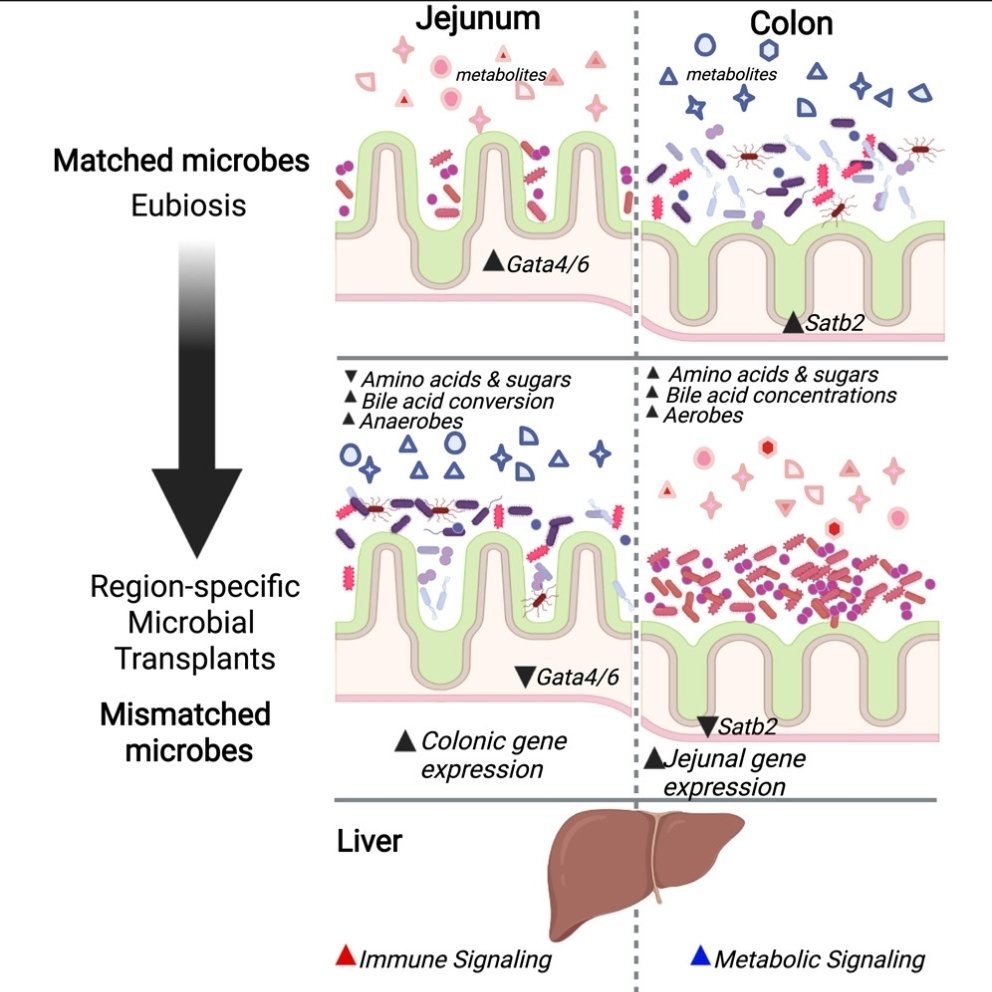
“Microbiome mismatches from microbiota transplants lead to persistent off-target metabolic and immunomodulatory effects” (DeLeon et al., Cell, June 2025) 👉 DOI: doi.org/10.1016/j.cell… 🔬 FMT ≠ Always Fit for All 🚨 Upper GI FMT may disrupt small bowel (SB) homeostasis! 👨‍⚕️ Pearls from Latest Cell Research (2025): 🦠 FMT = Fecal Microbiota Transplant, often anaerobe-rich, intended to restore gut microbial balance. 📍 Problem? Site-Specific Mismatch. Duodenal engraftment of anaerobes (from lower gut) → detected persistently after 4 weeks post-upper endoscopic FMT. Small Bowel (SB) naturally harbors more oxygen-tolerant, faster-growing aerobes. 🧫 In Mouse Models: Jejunal MT (JMT) ✅ → Metabolic pathway favoring (energy & nutrient handling). Fecal MT (FMT) ❌ → Immune pathway activation (low-grade inflammation). 🧠 Transcriptional Shift Evidence: Regional markers like GATA4, GATA6, SATB2 altered. Matched human duodenal biopsies showed similar transcriptomic dysregulation post-FMT. 🧬 Take-Home Concept: "Transplanting the wrong bugs to the wrong place may induce chronic, off-target metabolic and immune effects." 📌 Implications in Practice: ✅ Think beyond “stool as stool.” ✅ Site-specific microbial compatibility is essential. ✅ Future FMT should be:   🔹 Regionally matched   🔹 Metabolically and immunologically compatible ✅ Rethink FMT use in small bowel–linked disorders (IBS, SIBO, diabetes, MASLD). 🧠 CME India Takeaway: "Microbiome is not a monolith—one bug does not fit all guts. Location, composition, and context matter." 🧪 Ref: DeLeon O, Mocanu M, et al. Cell. 2025 Jun. DOI link cell.com/cell/abstract/…
CME INDIA tweet media
English
0
1
2
310
Dr. Neelesh Kapoor retweetledi
CME INDIA
CME INDIA@CMEINDIA1·
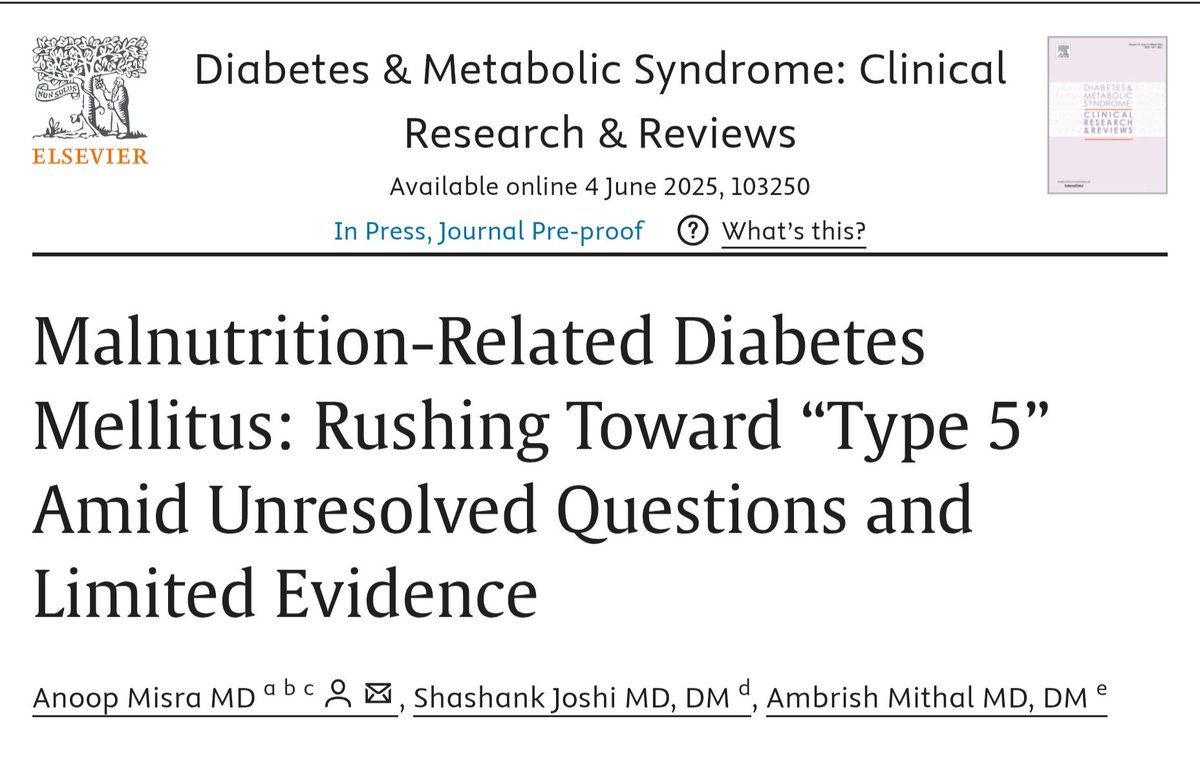
"Type 5 diabetes” lacks sufficient modern evidence, biological clarity, and practical utility- concluds new review @docanoopmisra @AskDrShashank @DrAmbrishMithal @singhak_endo @kamleshkhunti @IndiaESI @banshisaboo @IntDiabetesFed @Rssdi_official @scottisaacsmd @DanielJDrucker @deepduttaendo @drsreenivasa Malnutrition-Related Diabetes Mellitus (MRDM) by Misra, Joshi, and Mithal (2025): 🩺 Clinical Pearls: Malnutrition-Related Diabetes Mellitus (MRDM) 🧠 Historical Context 📌 First described in the 1950s in tropical developing regions as a distinct diabetes form in chronically undernourished individuals. 🏥 Characterized by: • Low BMI • Onset in youth or early adulthood • High insulin requirements • Ketosis resistance despite insulinopenia 🧾 WHO acknowledged MRDM in 1985 but withdrew it from classification in 1999 due to poor evidence and diagnostic inconsistency. 📉 Diagnostic Limitations ❌ No specific biomarkers—diagnosis mostly by exclusion. ⚖️ Low BMI alone is not a reliable indicator of undernutrition, especially in constitutionally lean populations like in South Asia. 🔄 Clinical features significantly overlap with lean type 2 diabetes, atypical type 1 diabetes, and pancreatic diabetes. 🧬 Pathophysiological Uncertainty 🧪 Mechanisms behind MRDM remain unclear—insulin secretory defects have been suggested but not confirmed in robust, modern studies. 📉 No proven distinct molecular or autoimmune pathway. 🧑‍🔬 A 2022 study showed some insulin deficiency, but it had serious limitations (e.g., all male sample, no follow-up). 🌍 Epidemiological Shift 🍛 Global nutrition patterns have changed—undernutrition has declined, while obesity and type 2 diabetes have surged. 🔄 Malnutrition is now being seen more as a consequence of diabetes (due to glucose wasting, catabolism, GI dysfunction) rather than a cause. 🚫 “Type 5 Diabetes” Classification: Not Justified ❓ Type 3 (e.g., Alzheimer’s-linked) and Type 4 (age-related insulin resistance) lack formal status—Type 5 is premature. ⚠️ Introducing “Type 5” could create confusion without improving clinical outcomes or therapeutic guidance. 📚 Reclassification should be based on modern pathophysiology, not outdated or loosely defined phenotypes. 🧭 Clinical & Research Implications 🧠 Be cautious in labeling lean, insulin-requiring patients as MRDM without autoimmune markers or pancreatic damage. 🧪 Need for prospective, large-scale studies with genetic, metabolic, and immunological profiling. 🌐 Future diabetes classification should focus on precision medicine, not anthropometry or historical constructs. 🔚 Bottom Line Malnutrition-Related Diabetes Mellitus is not a clearly distinct entity in today’s metabolic landscape. The proposal to classify it as “Type 5 diabetes” lacks sufficient modern evidence, biological clarity, and practical utility. sciencedirect.com/science/articl…
CME INDIA tweet media
English
2
14
26
6.1K
Dr. Neelesh Kapoor retweetledi
Press Trust of India
Press Trust of India@PTI_News·
VIDEO | “PM Modi has said the right thing at the right time. Obesity and diabetes are on rise. We are the number one country with the highest Cardiovascular Disease cases. People need to be aware of it and follow a proper diet. It’s a preventable disorder,” says Dr Banshi Saboo, chairman of Dia Care - Diabetes & Hormone Clinic, (@banshisaboo). #obesityawarenessmonth (Full video available on PTI Videos- ptivideos.com)
English
4
15
39
5.8K
Dr. Neelesh Kapoor
Dr. Neelesh Kapoor@KapoorNeelesh·
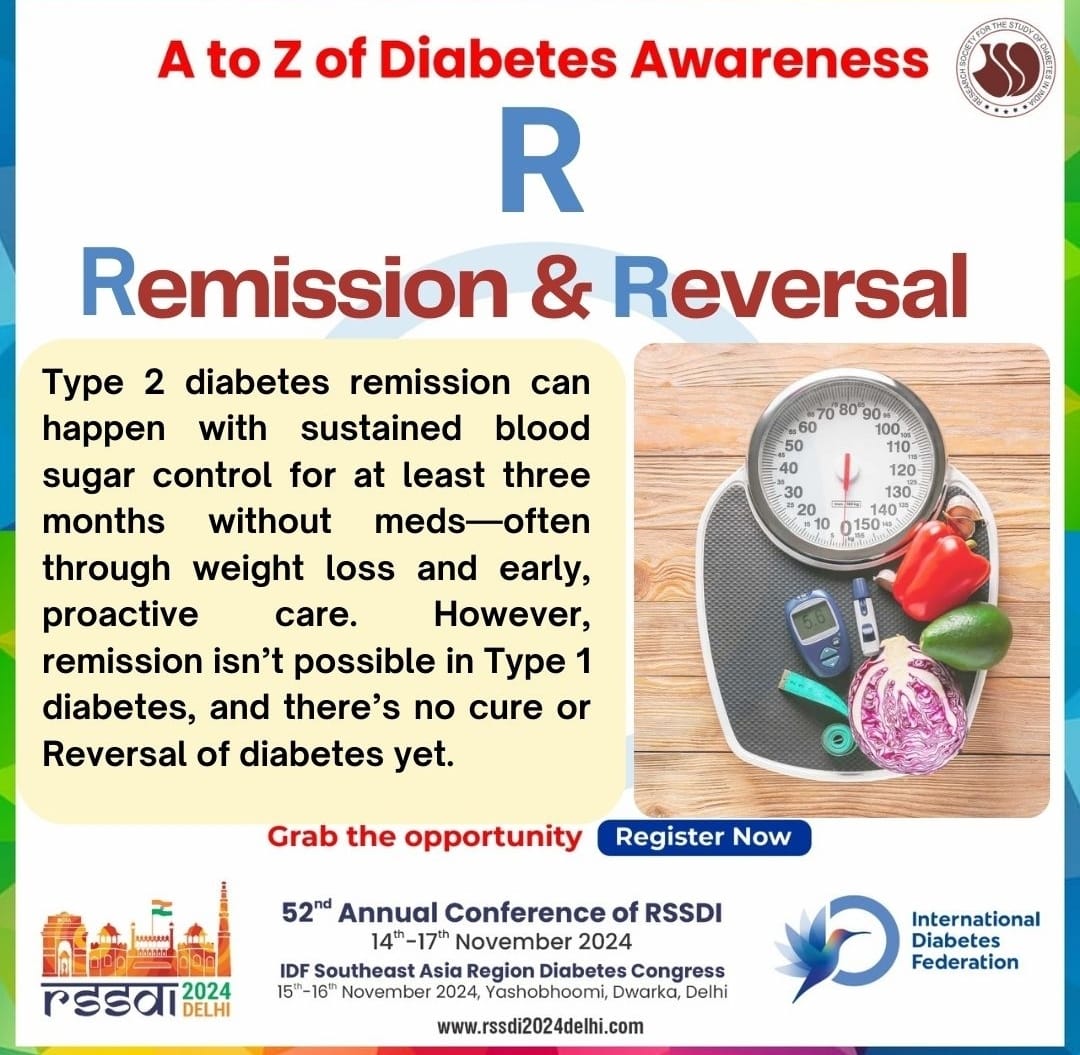
REMISSION-- ATTEMPT IT WELL-- GOOD HABITS- DEVELOP THEM EARLY!!
Dr. Neelesh Kapoor tweet media
English
0
0
1
40
Dr. Neelesh Kapoor retweetledi
tiger
tiger@parasgangwal·
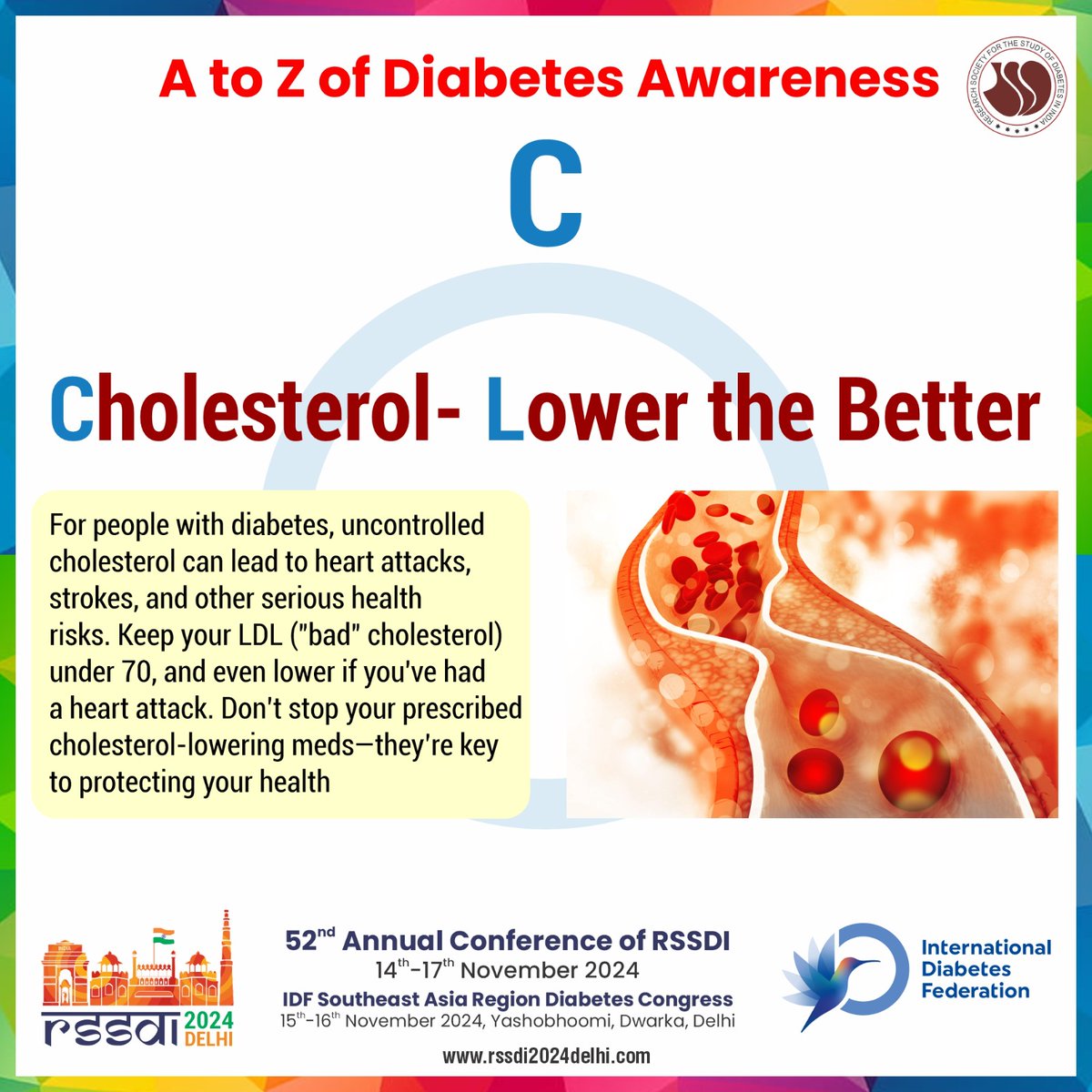
PUBLIC AWARENESS INITIATIVE A TO Z OF DIABETES A GLOBAL INITIATIVE BY RSSDI Very GOOD MORNING WE ARE STARTING THIS CAMPAIGN THROUGH SOCIAL MEDIA handles of WhatsApp status Instagram FB N TWITTER to educate public about A TO Z OF diabetes and we have planned to launch this campaign In form of using each alphabet As a key take away message on a every day basis for next 26 days From today 19th OCTOBER AS A DIABETES AWARENESS MONTH When we will reach on Z -- the ZEAL to bring this change on 14th November- THE WORLD DIABETES DAY I' on behalf of organizing committee of #RSSDI-- RESEARCH SOCIETY FOR STUDY OF #DIABETES IN INDIA LARGEST BODY OF DIABETES CARE PROVIDERS IN INDIA N #GLOBE Urge you all to be a partner in this global education initiative on diabetes awareness!! A FOR AWARENESS: know more lives more!! ACTION-- get TO BE MOVING AND ACTIVE!! & A1C LESS THEN 7.0 ( 3 months avg control)
tiger tweet media
English
0
1
2
52