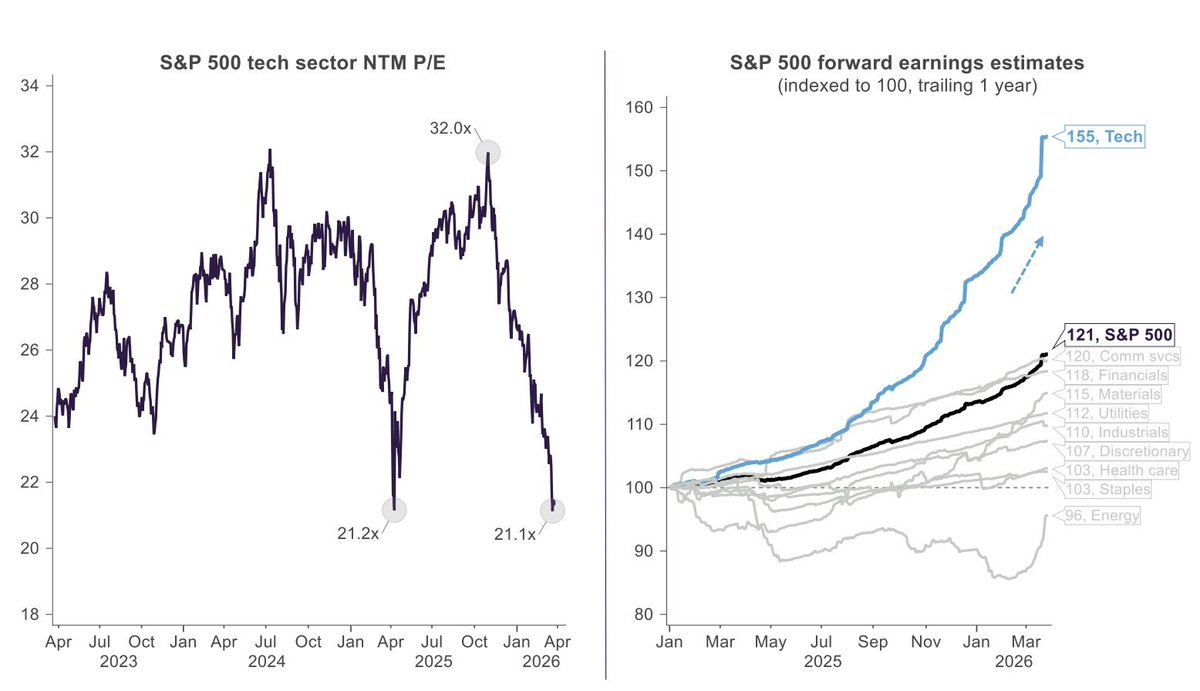
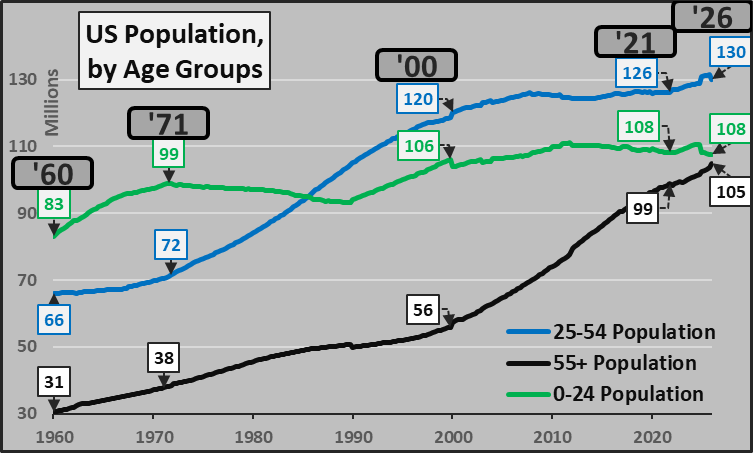
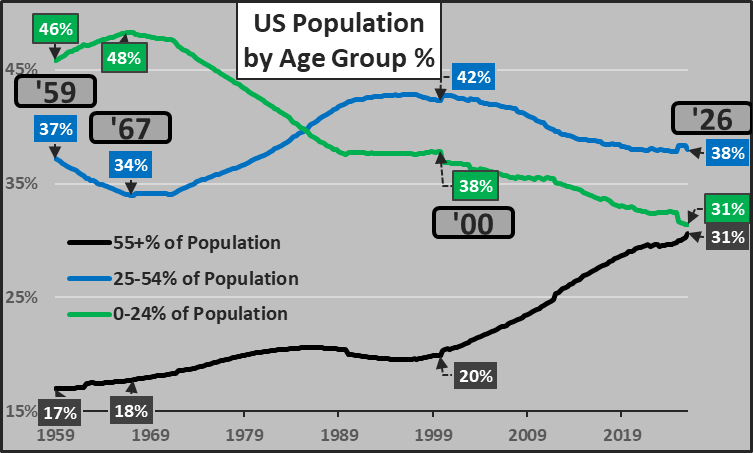
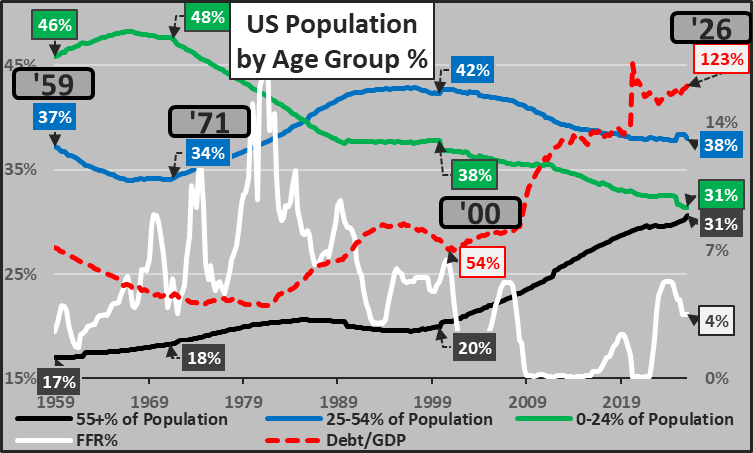
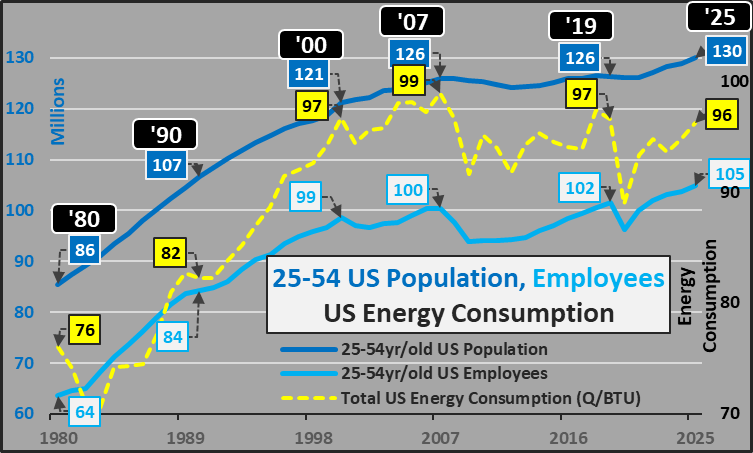
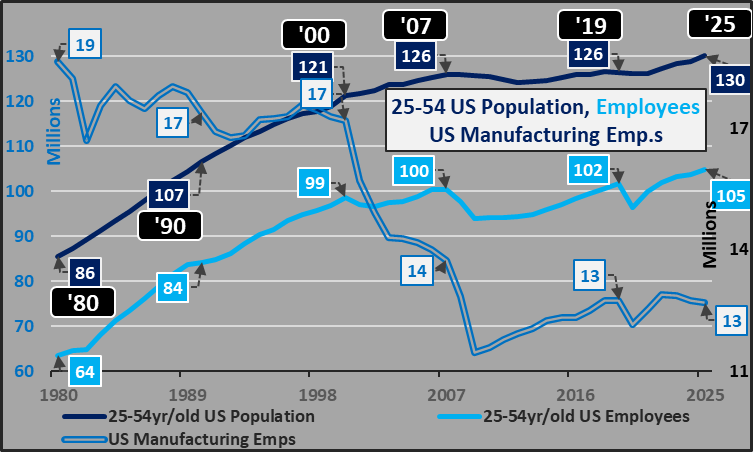
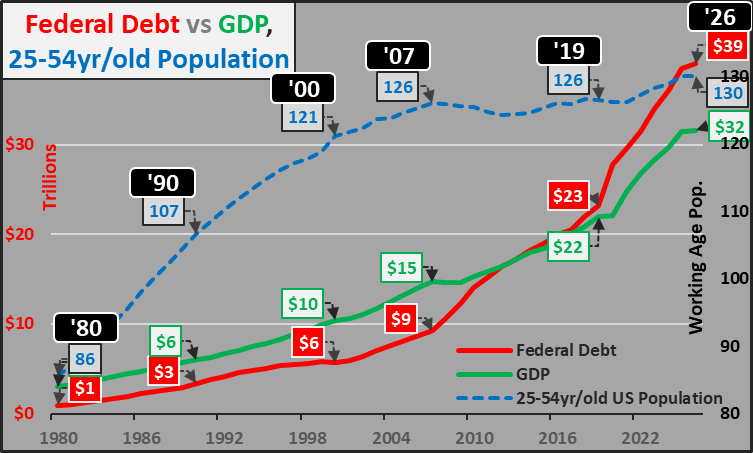
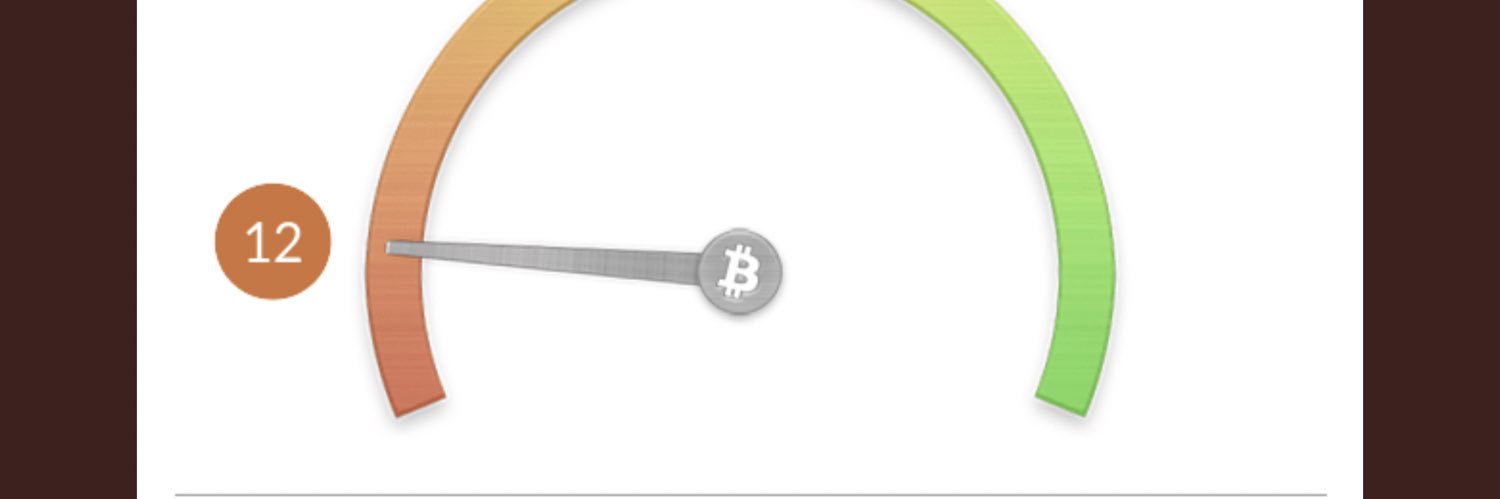
@btcjvs The Big Print might begin with a series of small prints that fail to arrest deteriorating conditions.
English
Kurt Bauerle
9.5K posts
@KurtBauerle
Family Sports Music

30 year base in the Yen and it's about to breakout higher...US Dollar wrecking ball locked & loaded at the same time the geopolitics won't allow for a release of global dollar liquidity. @crossbordercap What say you?! @SantiagoAuFund What're you seeing?


"As he died to make men holy, let us die to make men free" is the hardest line in music.









BREAKING: The Pentagon is developing military options for a "final blow" in Iran that could include the use of ground forces and a massive bombing campaign, per Axios. US officials provide 4 "final blow" options: 1. Invading or blockading Kharg Island, Iran's main oil export hub 2. Invading Larak, an island that helps Iran solidify its control of the Strait of Hormuz 3. Seizing the strategic island of Abu Musa and two smaller islands, which lie near the western entrance to the Strait of Hormuz and are controlled by Iran but also claimed by the UAE. 4. Blocking or seizing ships that are exporting Iranian oil on the eastern side of the Strait of Hormuz Some US officials think these options could create "more leverage" for President Trump.



Asian oil prices (Dubai, Oman) in total freefall and about to catch down to Brent, as market slowly figuring out that flows to China, India, Japan normalizing. Iran Hormuz leverage fading
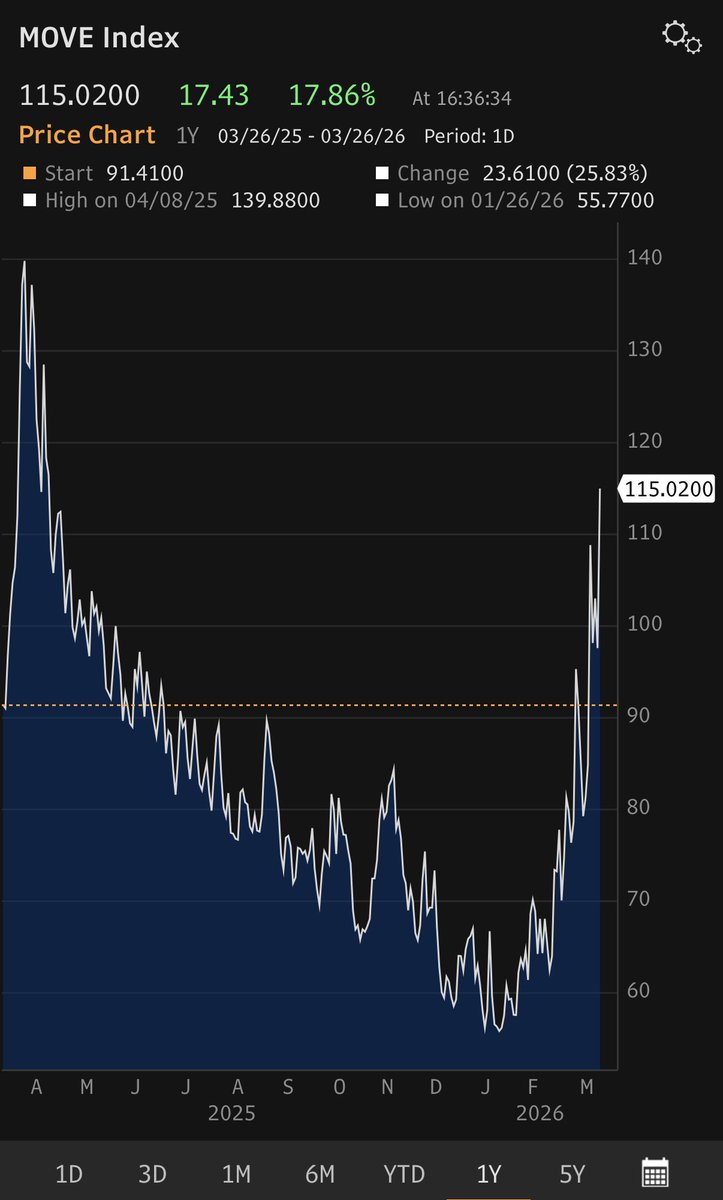
The market still doesn't get that this is NOT a price shock but a SUPPLY shock, which means it's MUCH WORSE. A price crisis is painful but self-correcting. High prices destroy demand, incentivize new supply, and eventually the market rebalances. Everybody gets oil — just at a cost that hurts. A supply crisis means the molecule simply doesn't exist at any price for some buyers. That's a different category of problem entirely. It's the difference between an expensive hospital and a hospital that's closed. The closest genuine supply crisis in modern history was the U-boat campaign in the Atlantic 1942-43, when German submarines were sinking Allied shipping faster than it could be replaced. Britain came within weeks of running out of fuel and food simultaneously. Churchill later said it was the only thing that truly frightened him during the entire war. The solution required the full mobilization of American industrial capacity and took eighteen months. There's no equivalent solution available here in the short term. Supply crises have non-linear effects. When a factory can't get gas it doesn't just produce less — it shuts entirely, lays off workers, breaks supply chains that take years to rebuild even after supply resumes. When a farmer can't get fertilizer he doesn't plant a smaller crop — he doesn't plant at all, and that food gap hits six months later regardless of what happens to oil prices in between. These cascades run on their own timeline completely independent of when the Strait reopens. The 20-year yield hitting 5% even after peace talk announcements suggests bond markets are beginning to price not just a price crisis but a structural supply disruption with duration. That's a fundamentally more alarming signal than a typical war premium in oil prices. The rush is now for countries to SECURE their oil and gas supply. It's not about the price; it's about not getting destroyed.