Raleigh M. Linville

1.2K posts

Raleigh M. Linville banner
Raleigh M. Linville

Raleigh M. Linville

@LinvilleRaleigh

Heiman Lab postdoc @MIT_Picower. PhD @JHUBME. Single cell genomics of #addiction #bloodbrainbarrier #neurodegeneration #striatum 🧠🔬🏳️‍🌈(he/him)

Cambridge, MA Katılım Temmuz 2019
1.3K Takip Edilen1.2K Takipçiler
Sabitlenmiş Tweet
Raleigh M. Linville
Raleigh M. Linville@LinvilleRaleigh·
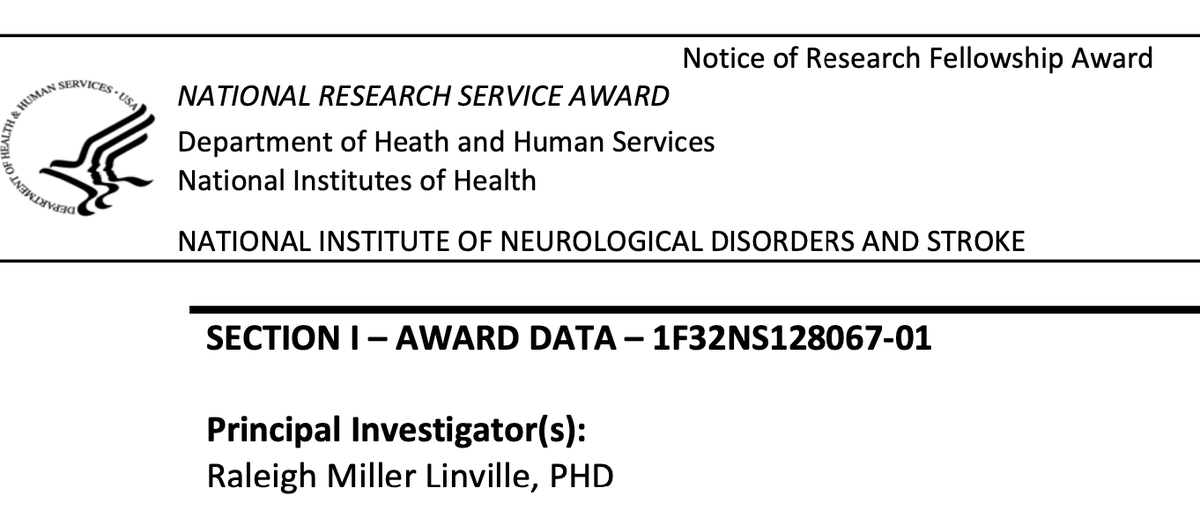
🤩 My NINDS F32 fellowship was funded! Exciting news culminating the first year of my #postdoc in the Heiman Lab @MIT_Picower
Raleigh M. Linville tweet media
English
18
3
82
0
Raleigh M. Linville retweetledi
Sholto David
Sholto David@addictedtoigno1·
A CRO has been scamming academic and industry labs in the US with fraudulent data that has been published in Nature and other high impact journals. Leonid has written a great piece on my findings: forbetterscience.com/2025/09/22/in-…
Sholto David tweet media
English
3
26
64
6.4K
Raleigh M. Linville retweetledi
Sophia Shi
Sophia Shi@sophmshi·
Sharing two new detailed protocols from our recent Cerebrovascular Glycocalyx paper in @Nature: 🪢 Brain vessel isolation from mice and human tissues for imaging and analysis. 🩸🚧 Luminal cerebrovascular proteomics for mapping therapeutic targets, BBB transporters, and more.
Sophia Shi tweet media
English
2
12
84
9.1K
Raleigh M. Linville retweetledi
The Gu Lab
The Gu Lab@GuLabNeuro·
Ever wonder who your cells are talking to? Now you can find out. Plasmids to perform the non-invasive gap junction tracing described in our recent Cell study are now available from Addgene! You can find them here: addgene.org/browse/article…
The Gu Lab tweet media
English
1
7
24
1.3K
Raleigh M. Linville retweetledi
The Gu Lab
The Gu Lab@GuLabNeuro·
We’re excited to share our recent study published in @CellCellPress! In this work, we show that brain endothelial cells, connected by gap junctions, form a signaling highway to enable fast, long-range arterial vasodilation in neurovascular coupling. cell.com/cell/fulltext/…
English
0
8
51
1.9K
Raleigh M. Linville retweetledi
Michael Okun
Michael Okun@MichaelOkun·
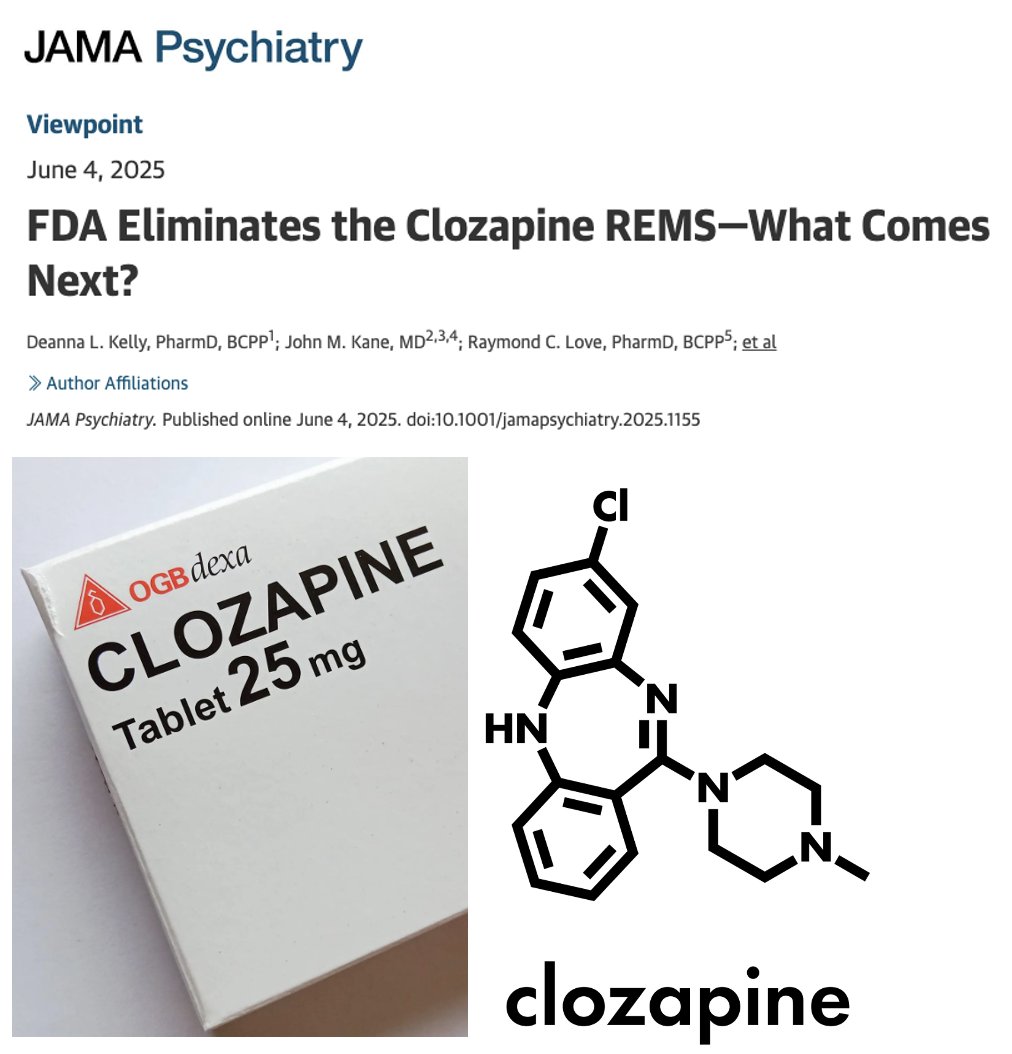
The Clozapine REMS monitoring registry has been retired. The FDA just did something bold, and after 35 years it eliminated the mandatory REMS registry for clozapine use in the USA. This decision, backed by a 14–1 advisory vote, could transform how we care for people with Parkinson's, Lewy Body, treatment-resistant schizophrenia and beyond. A new JAMA Psychiatry Viewpoint by Kelly and colleagues walks us through what comes next. Key Points: - Clozapine remains underused (<5%) despite being the gold standard for treatment resistant schizophrenia and the only antipsychotic proven to reduce suicide risk. - The REMS system unfortunately created unnecessary barriers and interruptions in clozapine use - The registry had system breakdowns that may have harmed patients. - Neutropenia does not equal agranulocytosis. - Severe neutropenia is rare (<0.8%) and typically occurs in the first 18 weeks after starting clozapine. - The REMS is gone, but ANC monitoring recommendations remain unchanged in the drug label, including weekly for 6 months, then less frequently. - New international guidelines support more flexible monitoring, especially for long-term users with no history of neutropenia. My take: I have always loved using clozapine in the setting of Parkinson's disease psychosis, as it remains the most effective drug we have in the armamentarium. It is under-utilized. There are 5 points that resonate w/ me about this Viewpoint as we transition away from the clozapine registry. 1- This is a major win for access however we must remain vigilant against new institutional barriers popping up. 2- Pay attention to the science as the fear around clozapine-induced agranulocytosis has outpaced the actual risk. 3- Monitoring is still essential, but should be individualized and not dictated by outdated systems. 4-Education matters and providers persons w/ disease will need support to navigate this transition safely. 5- Let’s not blow this opportunity. Clozapine saves lives and now more people can access it. In my mind it is time to rebuild trust in clozapine and to put the person w/ disease, not the paperwork, back at the center of care. jamanetwork.com/journals/jamap… #Clozapine #Schizophrenia #Psychiatry #FDA @ParkinsonDotOrg @FixelInstitute
Michael Okun tweet media
English
11
74
206
23.4K
Raleigh M. Linville retweetledi
Ruslan Rust
Ruslan Rust@rust_ruslan·
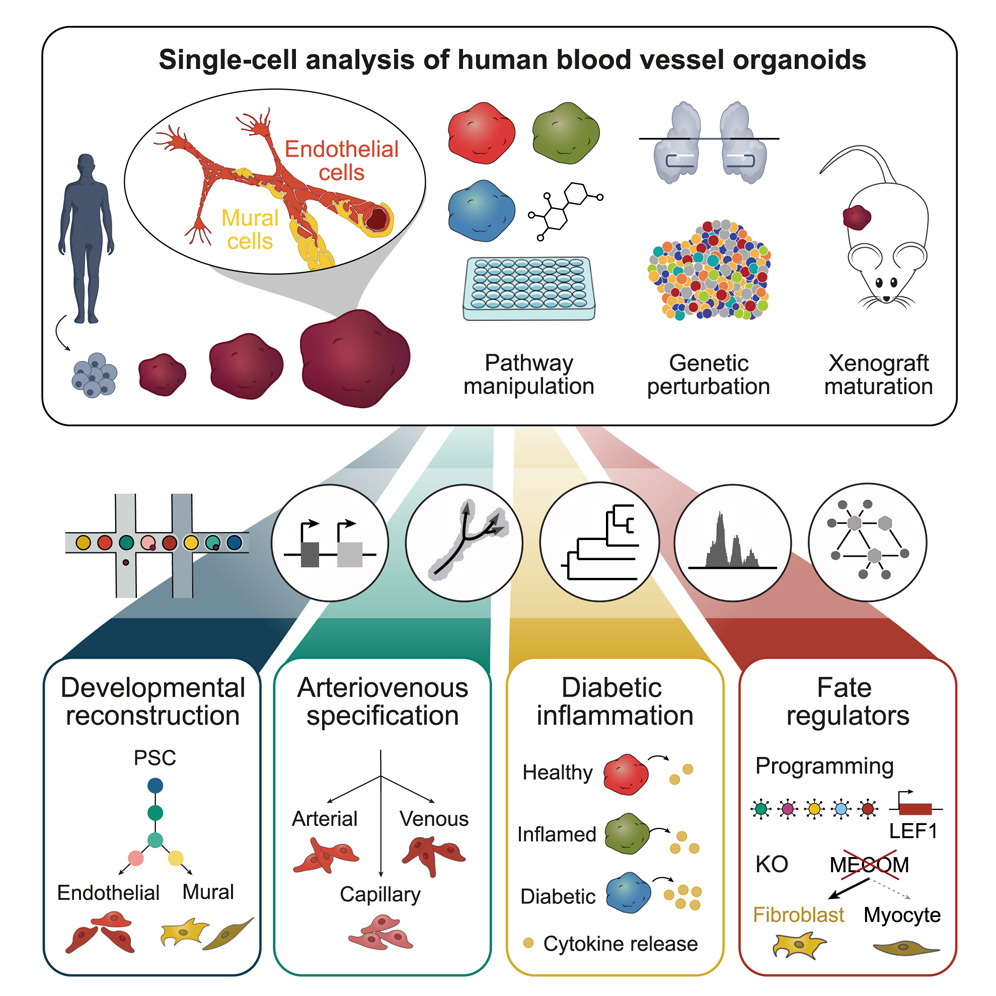
New preprint🚨 We generated human brain pericytes from pluripotent stem cells. They show strong molecular & functional similarities to primary human brain pericytes Transplanted into pericyte-deficient mice, they formed hybrid human-mouse microvessels🐭 biorxiv.org/content/10.110…
English
3
21
74
6.8K
Raleigh M. Linville retweetledi
MurphyLab
MurphyLab@MurphyLabUCONN·
I'm happy to announce that our paper describing the first in human tissue application of inCITE-seq, to assess nuclear levels of RNA-binding proteins, and key regulators of the blood brain barrier (b-Catenin and NF-kB) is now available online nature.com/articles/s4159…
English
5
21
95
8.9K
Raleigh M. Linville retweetledi
Laramie Duncan
Laramie Duncan@LaramieDuncan·
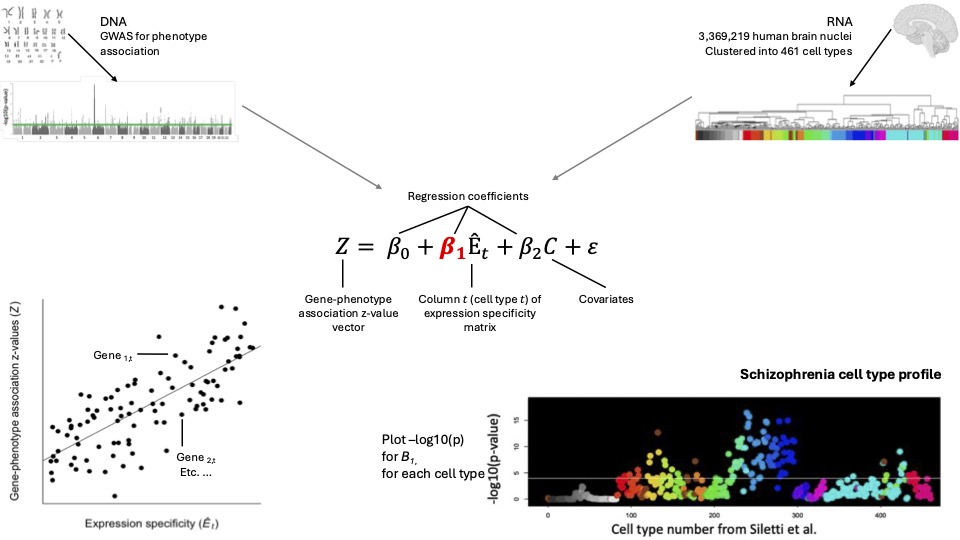
We are thrilled to share this work linking specific human brain cell types to psychiatric and neurological disorders, out now in @NatureNeuro rdcu.be/d6Tcy See below for an overview and thanks to the amazing Tayden Li, @willgiardino, @deissero, and so many others!
Laramie Duncan tweet media
English
14
65
210
36.3K
Raleigh M. Linville retweetledi
Manuela Casasoli
Manuela Casasoli@manuelacasasoli·
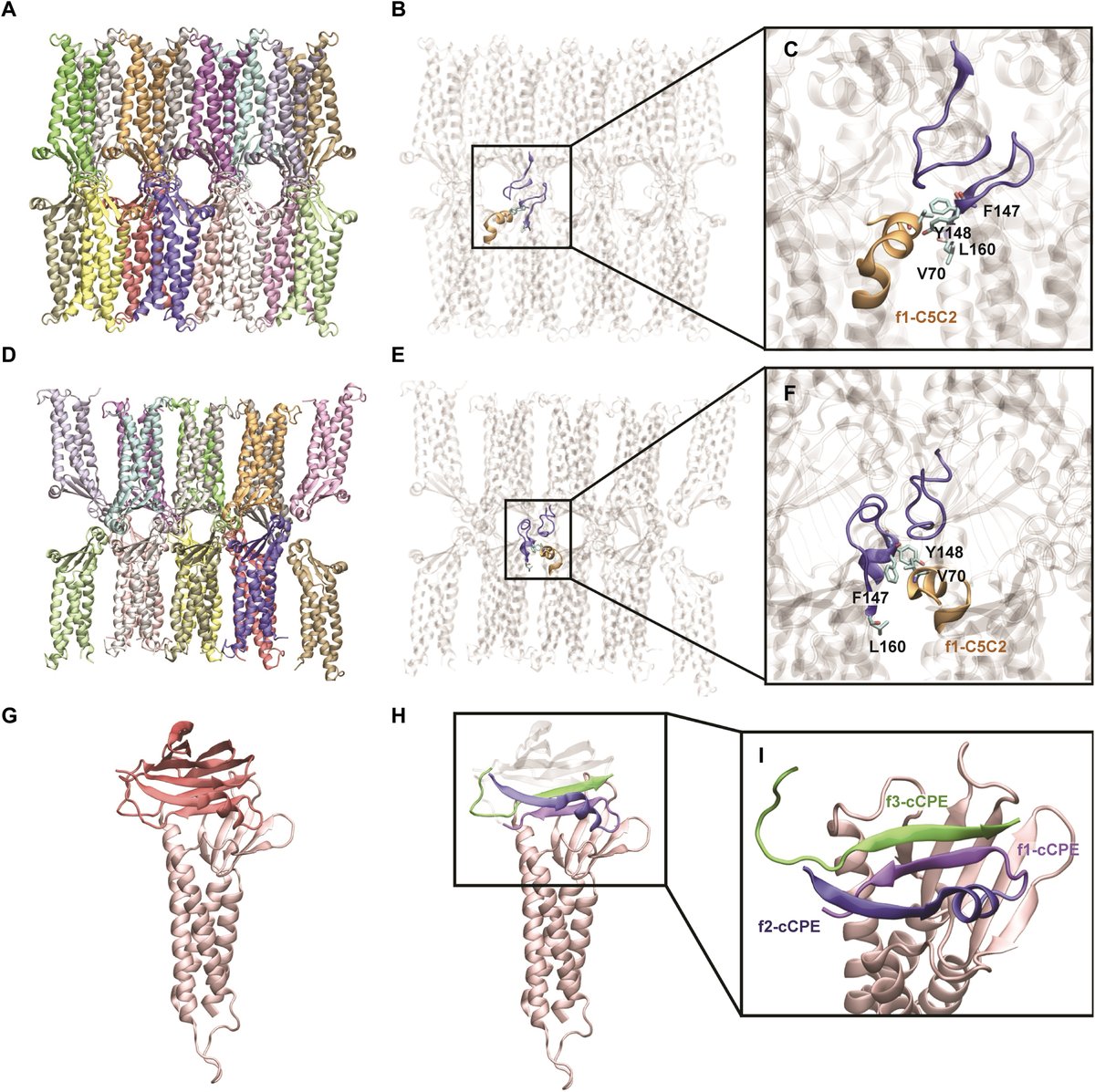
"The blood-brain barrier (BBB) maintains #brain homeostasis but also prevents most drugs from entering the brain." Read here about a strategy to reversibly regulate the BBB permeability with potential applications in the pharmacological treatment of brain diseases. #Science #Neuroscience ⏯️A claudin5-binding peptide enhances the permeability of the blood-brain barrier in vitro science.org/doi/10.1126/sc…
Manuela Casasoli tweet media
English
0
4
36
812
Raleigh M. Linville retweetledi
MIT Picower Institute
MIT Picower Institute@MIT_Picower·
Season's Greetings and Happy New Year from all of us at The Picower Institute for Learning and Memory! As we reflect on the discoveries of 2024, we wish you a holiday season full of beauty and a 2025 full of wonder. vimeo.com/1038953105 #neuroscience #brain
English
1
3
13
2.1K
Raleigh M. Linville retweetledi
Samuel Hume
Samuel Hume@DrSamuelBHume·
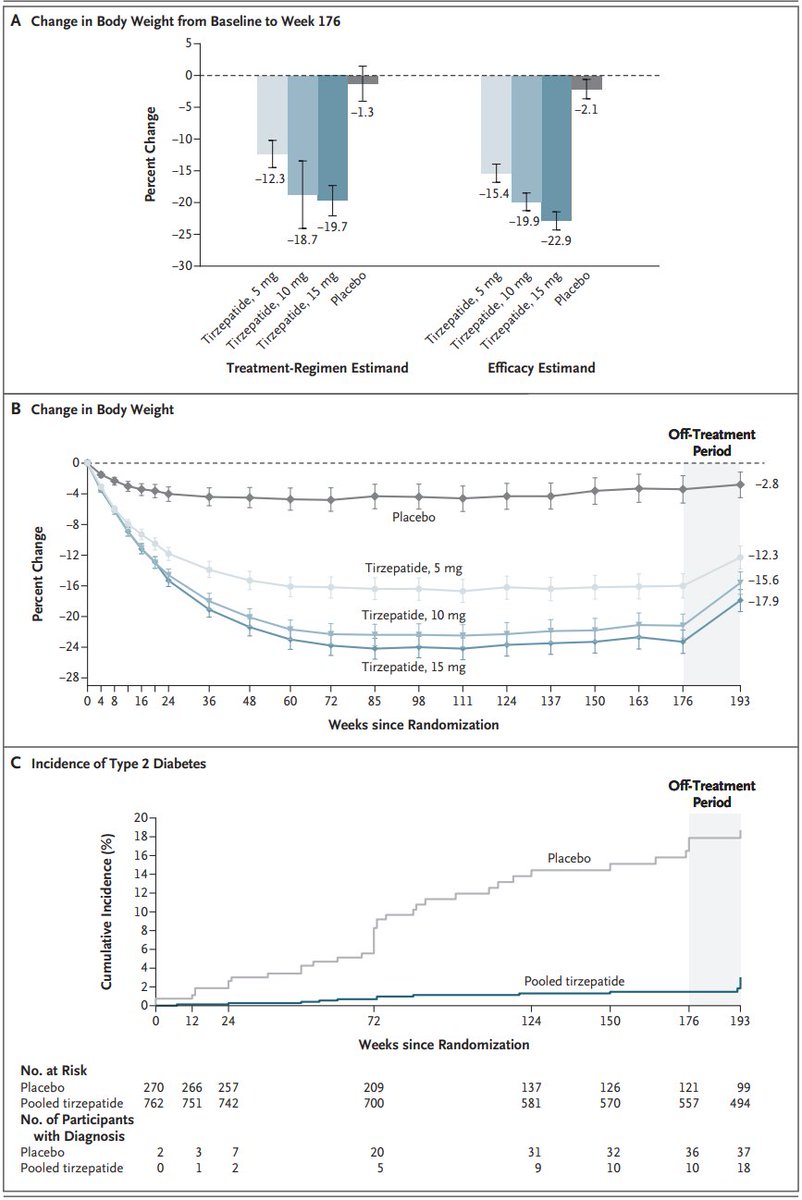
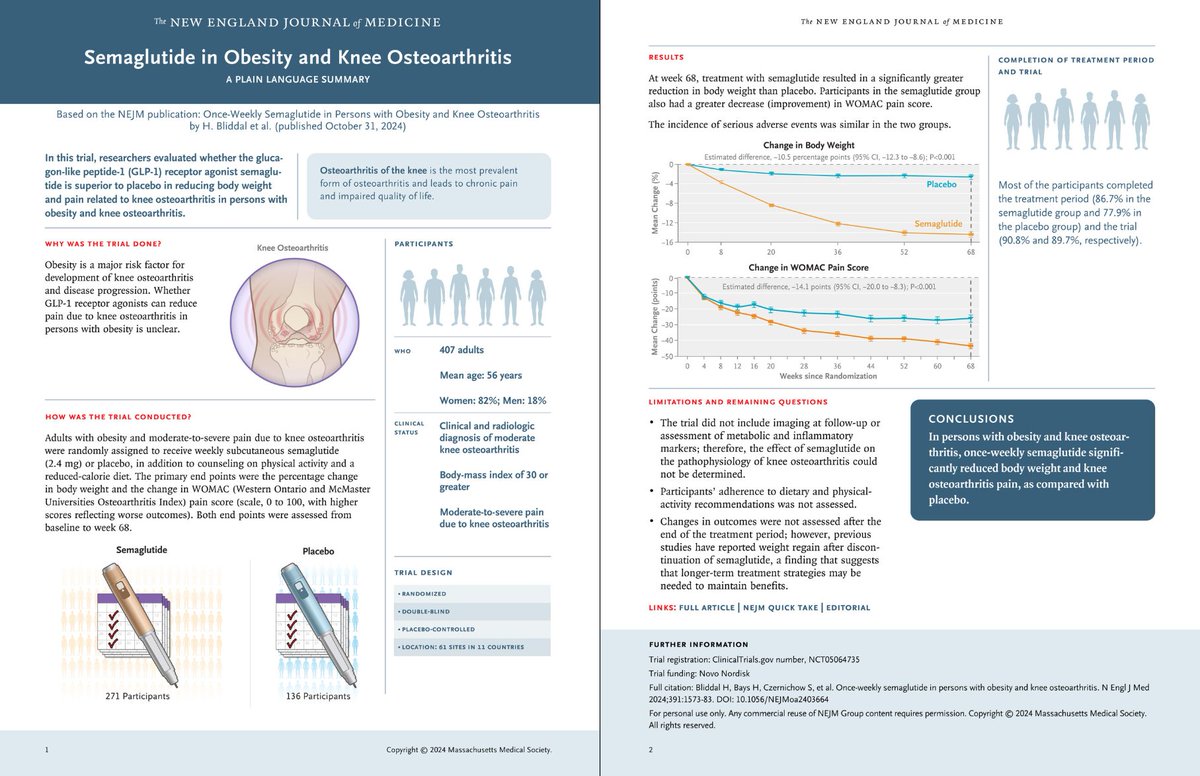
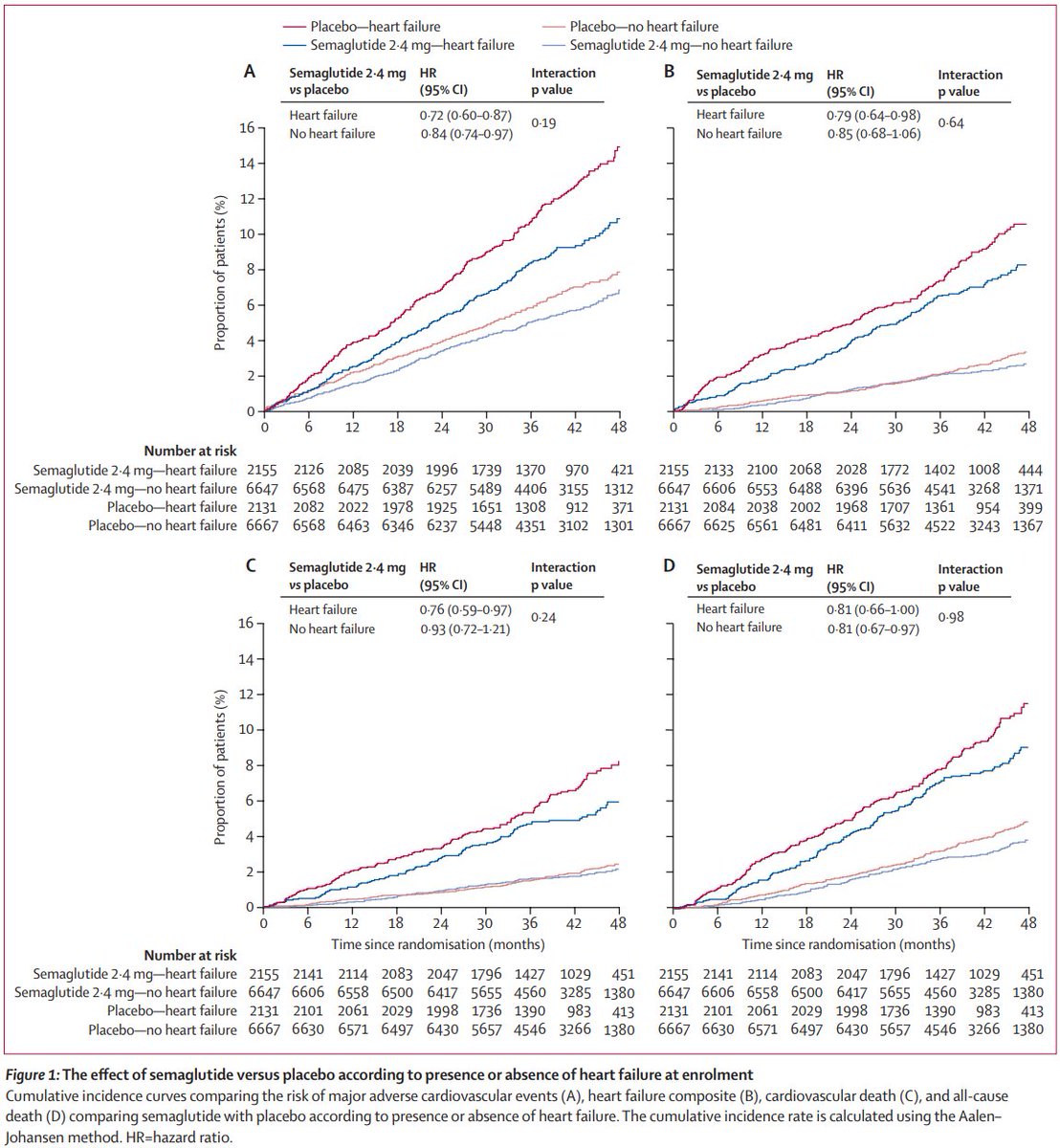
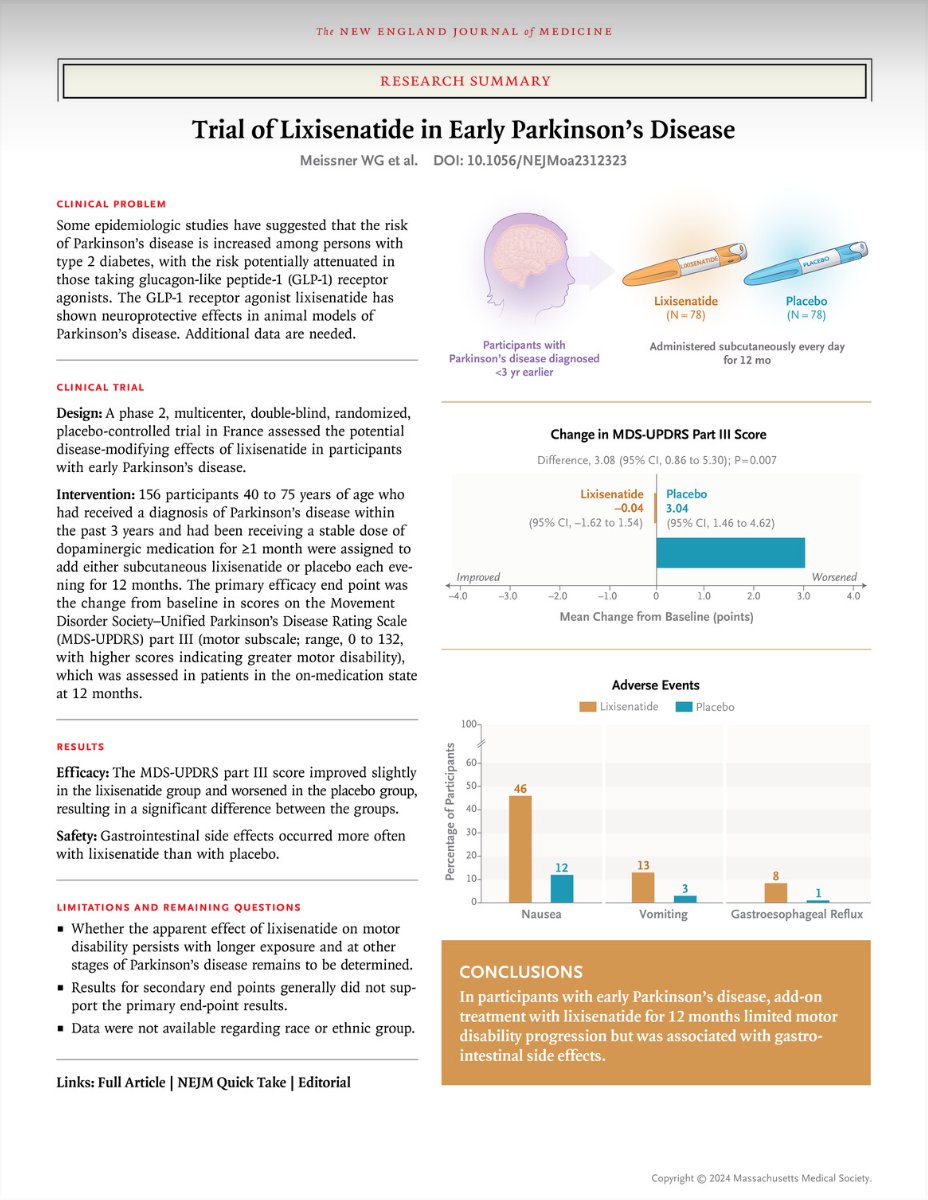
2024's top 10 advances in medicine (🧵) 1. The numerous benefits of GLP1R agonists As well as causing weight loss, GLP1s can prevent complications of obesity (diabetes, liver fibrosis, kidney disease, osteoarthritis), treat heart failure, and even slow down Parkinson's:
Samuel Hume tweet mediaSamuel Hume tweet mediaSamuel Hume tweet mediaSamuel Hume tweet media
English
12
228
802
116.9K
Raleigh M. Linville retweetledi
@BaDoiPhan.bsky.social
@BaDoiPhan.bsky.social@BadoiPhan·
🧠 1/15 Preprint alert! Part 4 of my thesis work is now online🎓🕺📜! We created tools to study specific neuron types in primate prefrontal cortex to be able to study complex thinking! Let's break down this work in the @wrstauffer and @apfenning labs🧵. tinyurl.com/nphpfcenh
@BaDoiPhan.bsky.social tweet media
English
2
7
20
1.8K
Raleigh M. Linville retweetledi
Megan Gozzard
Megan Gozzard@PhDood1es·
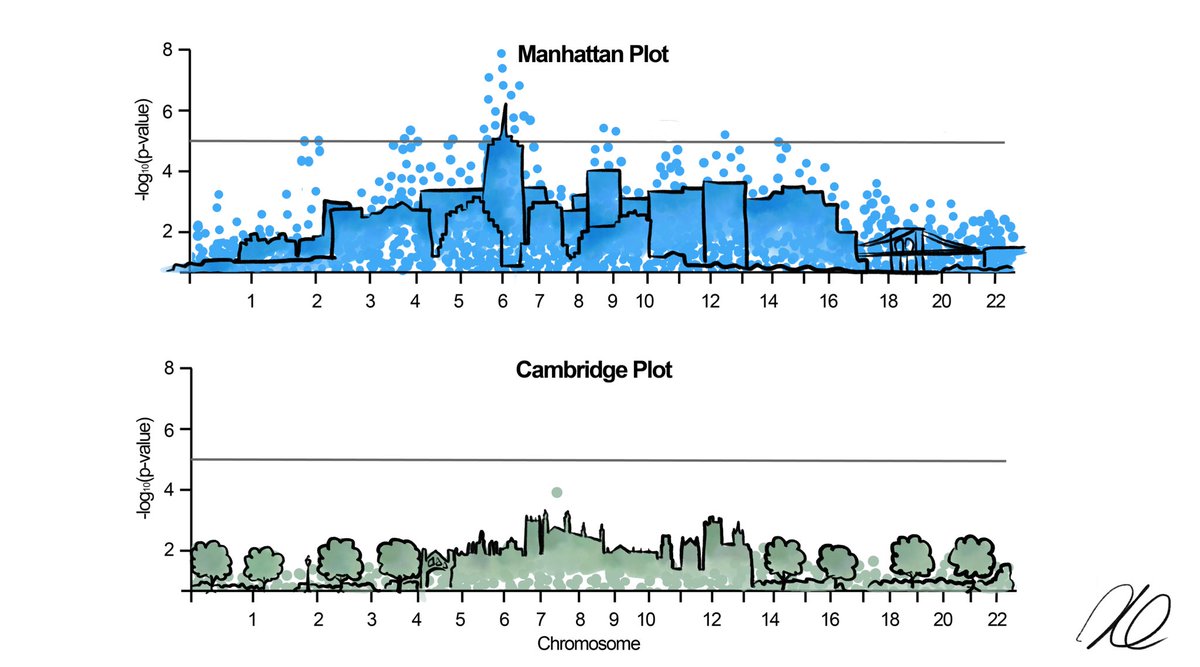
What geneticists fear the most: The Cambridge Plot.
Megan Gozzard tweet media
English
9
139
836
97.5K
Raleigh M. Linville retweetledi
Margaret Schroeder
Margaret Schroeder@meschro·
Very excited to share our pre-print and my thesis work on the postnatal development of astrocyte regional heterogeneity, which includes an integrated dataset of >1.4 million single nuclei transcriptomes in mouse and marmoset brains (now available online)! biorxiv.org/content/10.110…
English
5
21
98
18.6K