Sabitlenmiş Tweet

✨Support our Snipers! 🏅Certified Sniper Dad 🏅
3⃣ winners
🥇 Klamra belt
🥈 Brynchyk's flask set
🥉 Father T-shirt
Each winner will receive a patch signed by Marik.
⏳July 26
$5 entry🎟️
chornomorets.notepin.co

English
Maple Syrup 🇨🇦 . ▄︻芫══━一 #TeamYuri
60.4K posts

@MapleSyrupF
We are #TeamYuri ( ͡° ͜ʖ ͡°)-︻デ┳═ー - - - - - - (ಠ_ಠ) https://t.co/06ZaDRVdiy Patches: https://t.co/8vlJ7ijMAf

⚡️ Fedorov willing to return only as defense minister, source says. Former Defense Minister Mykhailo Fedorov was offered another role focused on military technology and on overseeing the ministry's modernization, a person familiar with the matter said. kyivindependent.com/zelensky-weigh…


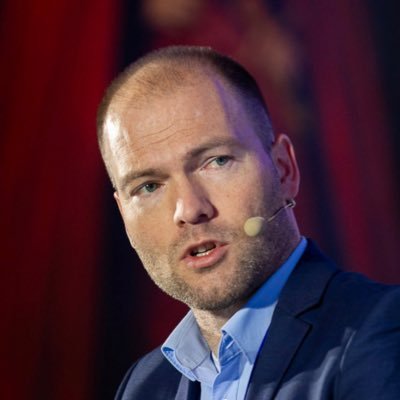

The foreigners who fight and have fought in Ukraine have some thoughts on military leadership in Ukraine and what changes are necessary. This is a chance to hear directly from people who risked everything for Ukraine despite it not being their country. They are going to share thoughts on the dismissal of Fedorov, leadership in the overall military, and some productive thoughts for what is fixable and what can change. Foreign fighters who want to participate you are welcome but please confirm with me first as there is already widespread interest to talk. 9 PM Kyiv time on Wednesday. Set a reminder for my upcoming Space! x.com/i/spaces/1ogwb…









More Holosun thermal super-collimators mean more lives saved!!! We need to buy them now—not only because the requests keep coming in, but also because the price has been temporarily reduced. We have to make the most of this window of opportunity!!! Friends, we are endlessly grateful for your support and ask you to keep helping us save the lives of the Warriors of Light. Right now they urgently need: - Typhoon Sierra shotguns — 30,456 UAH each, 5 still needed! - Holosun thermal super-collimators — 89,640 UAH each. There are requests for 7 of them! - Shotgun ammunition — 6,760 UAH per box of 250 rounds. The requests are endless! - Typhoon Quake shotguns — 26,300 UAH each. There are already requests for 12! Please help—every donation will be matched by our Ukrainian sponsors!!! Follow @MapleSyrupF for the TeamYuri Raffle updates! Monobank accepts 🍏Apple Pay & 🍀Google Pay send.monobank.ua/jar/7uwhtDGmiD *spotfund spot.fund/rlnzphsc DonorBox donorbox.org/light-will-pre… 🧩Bitcoin bc1qwcmc2nqz4jnfyeuwx03vn3y8u2lh8zfz4nxkgd 👕TeamYuri Merch bonfire.com/store/teamyuri/ All ways to help (including Swift) listed here 👉 chornomorets.notepin.co


My statement on the United States administration’s intention to impose new tariffs on Canadian goods: