Sabitlenmiş Tweet

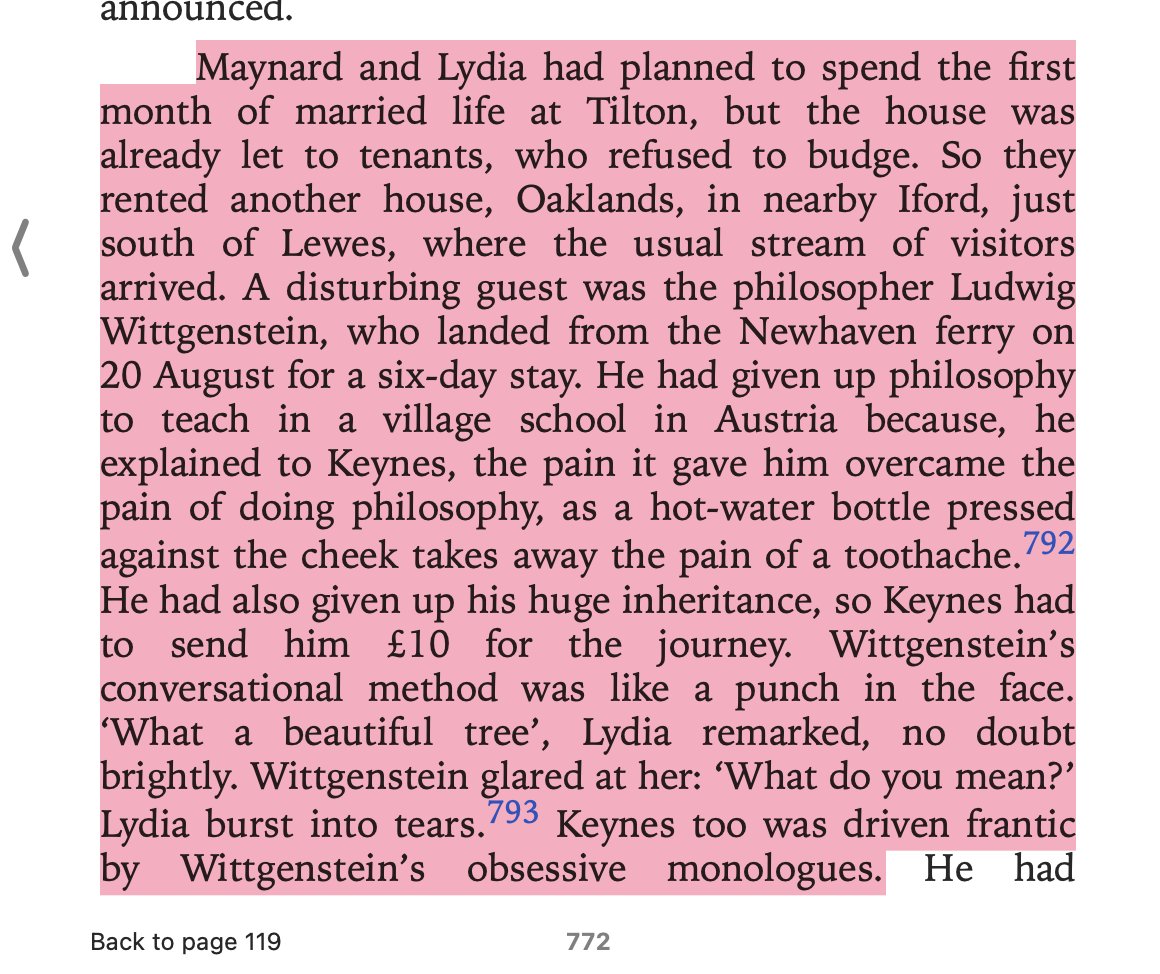
Ludwig Wittgenstein gatecrashed John Maynard Keynes' honeymoon, and he wouldn't leave for six days
English
Sam Enright
1.6K posts

@Sam__Enright
Innovation policy @progressireland, writing @_fitzwilliam, fellow @rootsofprogress @joininteract


New for @_fitzwilliam: Notes on my mini conference about the life of Milton Friedman

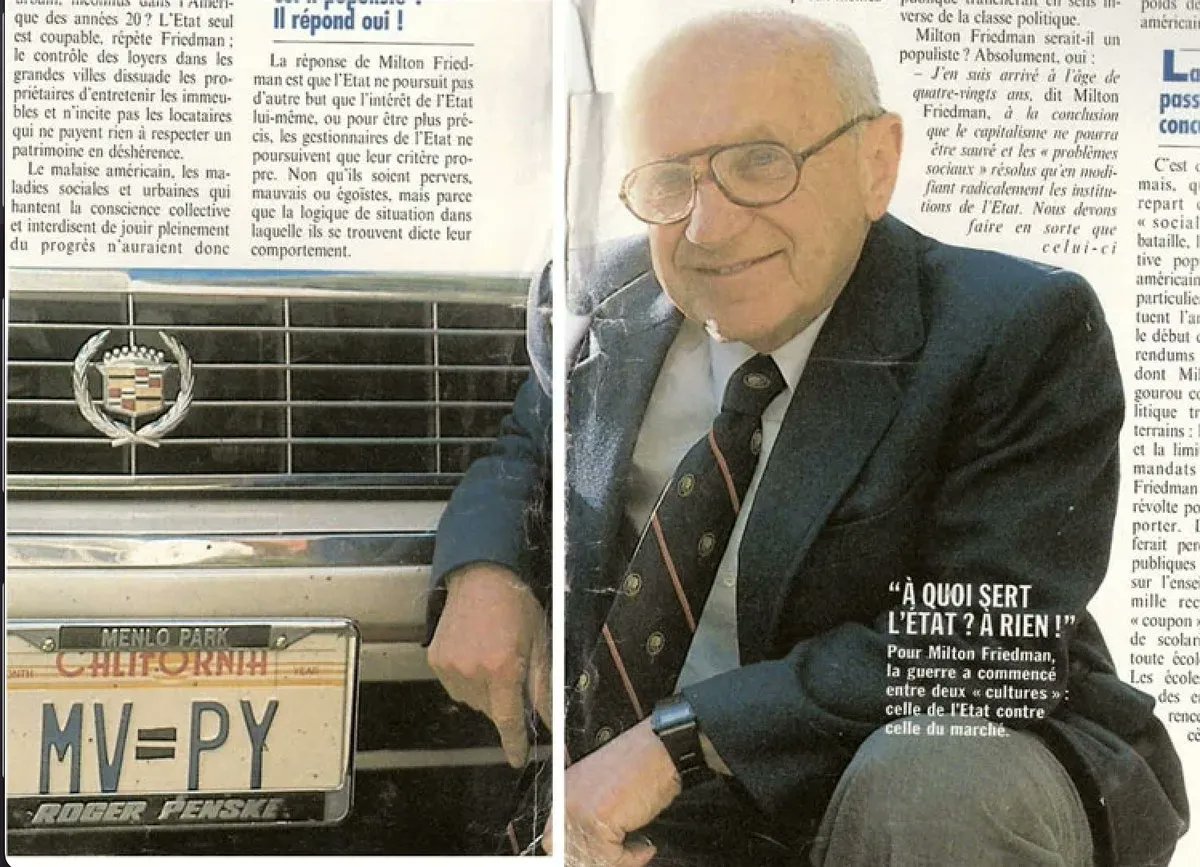

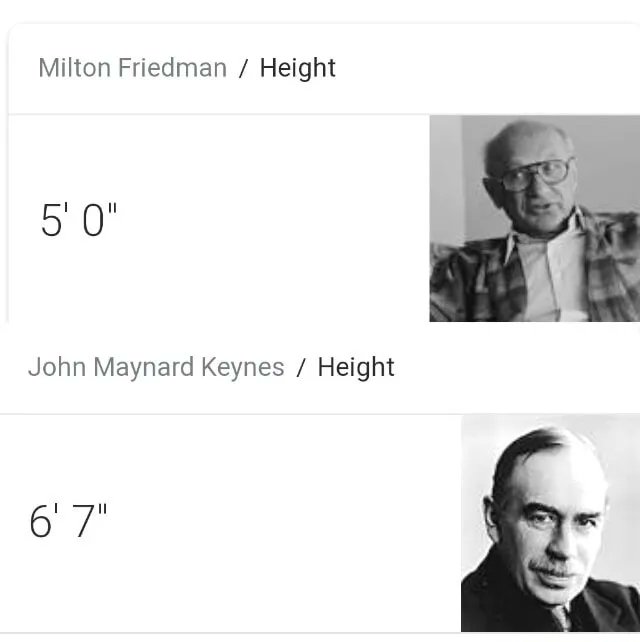
@_fitzwilliam @Kadambari @RMLLowe @robinhanson @AgnesCallard @GrandBastion @anup_malani @mu_lynch Link: thefitzwilliam.com/p/my-teeny-tin…

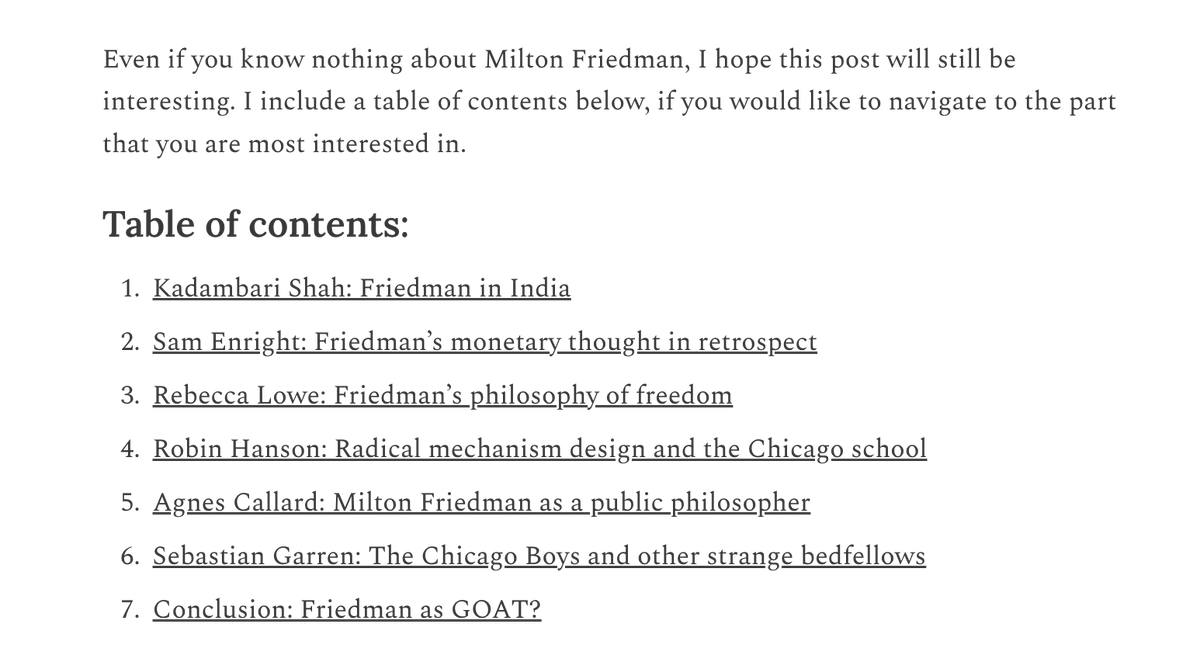
New for @_fitzwilliam: Notes on my mini conference about the life of Milton Friedman


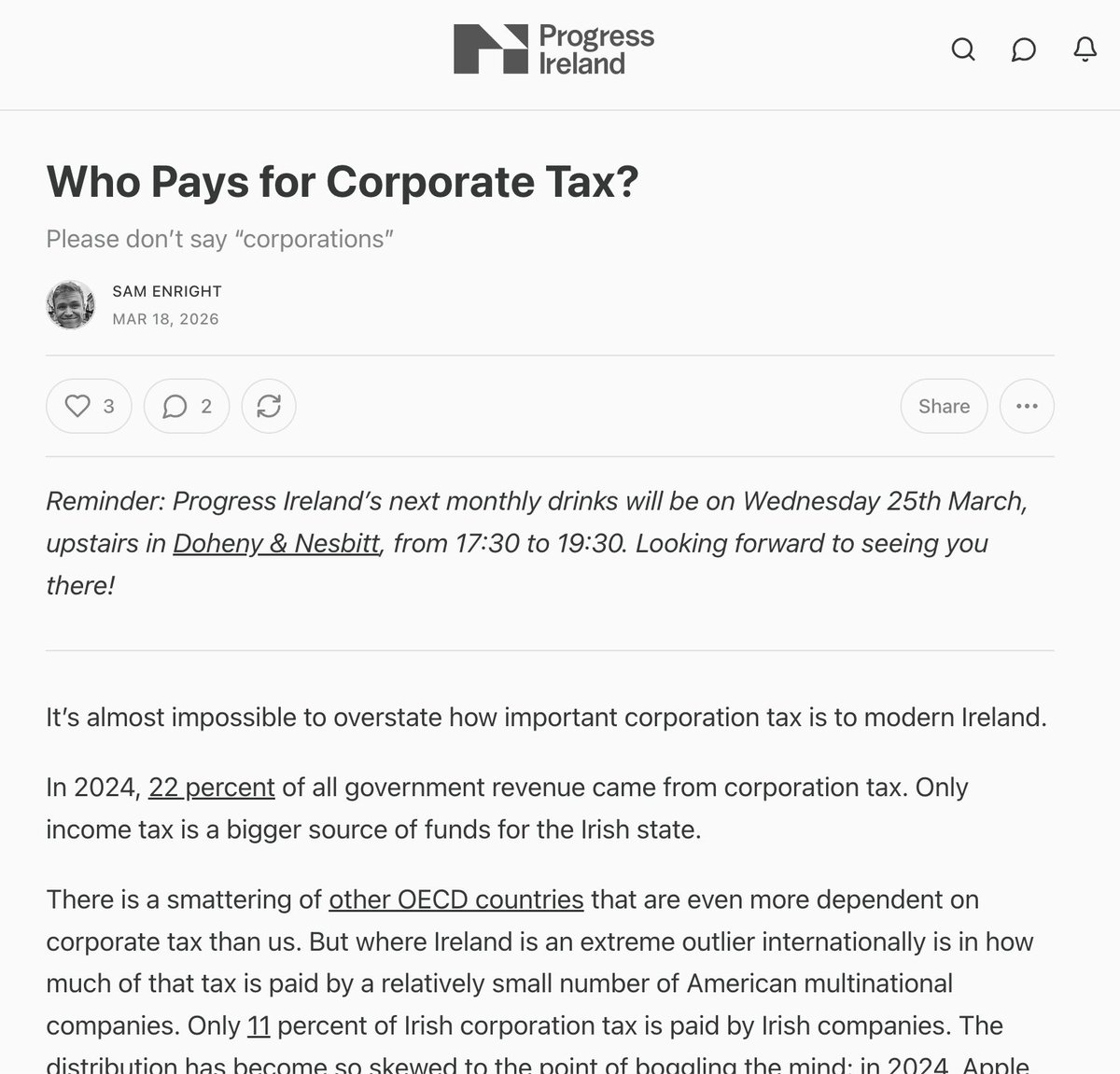
I spent St Patrick's Day in the most quintessentially Irish way possible: by understanding how tax wizardry affects the capital flows of American multinational companies


Zohran Mamdani on whether he supports a united Ireland: "I gotta be honest, I haven't thought enough on that question."
Why I'm a sceptic of Citizens’ Assemblies I was talking to the v clever @Sam__Enright recently, and made a passing remark about how I'm sceptical of claims that Citizens’ Assemblies are a great way of solving political problems. He asked me why. I thought I’d share my response. Citizens’ Assemblies are hugely popular among people interested in politics. They're particularly popular both with “sensible” anti-populists and with environmentalists (climate assemblies are especially popular among the latter group). Here are some reasons I don't like them. 1. Cognitive humility. I think a lot of love for citizens’ assemblies is predicated on the inability by the Citizens’ Assembly Advocate to countenance that voters may genuinely have different preferences to them. The mental model is something like “I believe X. Some foolish voters believe Y, because they are tricked by misinformation/Rupert Murdoch/Russian bots/their own lack of bandwidth. A citizens’ assembly would give them time to reflect on the true facts and conclude X, like me”. I struggle to think of any citizens’ assembly advocate who thinks citizens’ assemblies will reach conclusions they object to. 2. Gerrymandering. CAs seem ripe for gerrymandering. The usual CA model is that experts will provide some education on the subject before citizens deliberate and decide. The expert selection process seems like it'd be stitched up, perhaps not deliberately but by design. Example: consider a CA on how to prevent obesity and encourage healthy “food environments” (something I've heard suggested): it seems very likely to me that the experts would include lots of public health experts with strong ideological priors about the role of markets in providing food (such as the ‘commercial determinants of health’ worldview), who see food mainly as a health issue. But opponents of these positions might not be invited - for example because their funding comes from commercial sources. The choice architecture of the assembly itself is also ripe for coercive design. A transport policy friend told me about a UK CA on road building that found that citizens wanted fewer roads built (a surprising result); it turned out that they had been asked to choose between three options all of which involved less road building, and had picked one. (This problem is exacerbated by problem 1.) 3. Social desirability bias. More conceptually, I worry that CAs impose a bias to socially valorised solutions that overlook people’s selfish but legitimate motivations. Again, take the example of a CA on how to reduce obesity. Obesity is bad and socially costly (esp in systems with socialised medicine). But restrictions on unhealthy food impose a cost on individuals in terms of deliciousness and pleasure. I strongly suspect a civic discussion on obesity would focus on the societal costs and the “wise” view that we should constrain our choices in our long term interests, but underweight ideas like “chips taste yummy” which seem stupid and base - but which are legitimate desires that most people have. So CAs’ conclusions might reflect a kind of false “prosocial wisdom” that doesn't fully reflect people’s true preferences - resulting in policies that people don't actually want. I’m not saying it’s impossible to design CAs that don’t involve these biases, or that they are not known to CA experts. Arguably, the higher profile the assembly, the harder it is to get away with them (which perhaps means that things like the Irish CA on abortion that was organised as part of the referendum on the subject avoided these problems - I'm don't know enough to say). But they seem pretty fundamental issues that aren’t discussed enough in the casual commentary on CAs that I find myself reading regularly.

Personal news: I'm leaving my current startup role, looking to figure out what's next. I'm interested in making AI go well, and open to a variety of options for doing so. I have 10+ years of quant research and technical management experience, based in London. DM if interested.