Systematic Investment Research & Education

7.2K posts

Systematic Investment Research & Education banner
Systematic Investment Research & Education

Systematic Investment Research & Education

@SystematicIRE

Systematic investor/trader, Kevin C Maki, PhD QV/MT investing = quality, value/momentum, trend Research scientist/educator, long-time investor/trader

SW Florida Katılım Temmuz 2023
5.3K Takip Edilen3.1K Takipçiler
Systematic Investment Research & Education retweetledi
QuantifiedStrategies.com
QuantifiedStrategies.com@QuantifiedStrat·
How To Avoid Curve Fitting Your Backtests A strategy with too many filters and optimizations may look impressive but fail in live trading. Simpler systems are often more durable. If tiny parameter changes completely alter performance, there is a good chance the strategy is overfitted to historical noise.
English
0
1
0
228
Systematic Investment Research & Education retweetledi
Robin Powell
Robin Powell@RobinJPowell·
Market predictions often sound useful because they give a sense of control. A robust plan does not depend on being right. #FinancialPlanning #Investing
English
0
1
0
121
Systematic Investment Research & Education retweetledi
Steve Burns
Steve Burns@SJosephBurns·
Two very different men, same quote they both agreed on.
Steve Burns tweet media
English
2
9
84
8.5K
Systematic Investment Research & Education retweetledi
QuantifiedStrategies.com
QuantifiedStrategies.com@QuantifiedStrat·
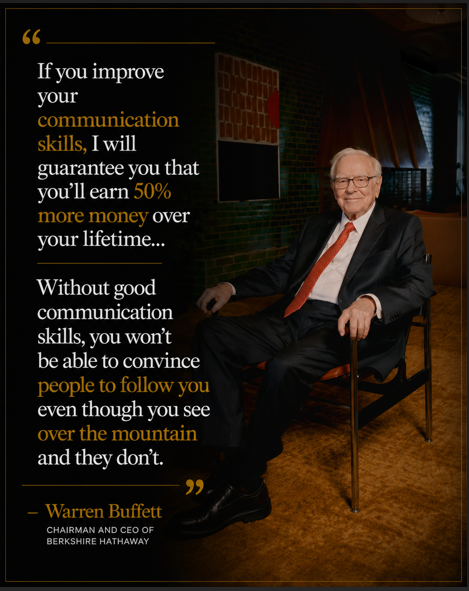
If you improve your communication skills, I will guarantee you that you'll earn 50% more money over your lifetime...Without good communication skills, you won't be able to convince people to follow you even though you see over the mountain and they don't. — Warren Buffett
QuantifiedStrategies.com tweet media
English
0
1
0
387
Systematic Investment Research & Education retweetledi
Goehring & Rozencwajg
🎙️Still relevant today: Adam Rozencwajg's conversation with Goldrock Capital on energy markets and geopolitical risk is worth another listen. What if today's energy risks are structural—not cyclical? Adam Rozencwajg joined Goldrock Capital's "Definitely Uncertain" podcast to discuss why energy markets may be structurally tighter than investors appreciate—and what that could mean for inflation, commodities, and portfolio positioning. Topics included: • Oil supply constraints • Energy security & geopolitics • Underinvestment in oil & gas • Why G&R has rotated from gold into energy producers 👉 Watch the full interview here: hubs.li/Q04pyCH_0 #Energy #Commodities #Inflation #Macro #Investing #NaturalResources #PortfolioManagement #AssetAllocation
English
0
3
15
2K
Systematic Investment Research & Education retweetledi
Jim O'Shaughnessy
Jim O'Shaughnessy@jposhaughnessy·
Two thoughts from Edmund Burke “If we command our wealth, we shall be rich and free. If our wealth commands us, we are poor indeed.” "Rage and frenzy will pull down more in half an hour than prudence, deliberation, and foresight can build up in a hundred years."
English
0
3
16
2K
Systematic Investment Research & Education retweetledi
QuantifiedStrategies.com
QuantifiedStrategies.com@QuantifiedStrat·
One Backtest Isn't Enough A single historical test is just one piece of evidence. Confidence grows when similar results appear across markets, periods, and validation methods.
QuantifiedStrategies.com tweet media
English
0
2
1
415
Systematic Investment Research & Education retweetledi
Excess Returns
Excess Returns@excessreturnpod·
Excess Returns Quote of the Day: Chris Davis "You make most of your money in a bear market. You just don't realize it at the time."
Excess Returns tweet media
English
0
4
9
828
Systematic Investment Research & Education retweetledi
Tobias Carlisle
Tobias Carlisle@Greenbackd·
At 3.57x, this is the highest P/S ratio in this chart's 35-year history, well above both the Dot Com peak and the 2021 peak. * Valuation is historically stretched on a sales basis. * Elevated P/S can be partly justified if profit margins have structurally risen (better software/tech mix, operating leverage, buybacks reducing share count). * Context matters for what "expensive" means today. 35 years of falling rates, share buybacks, and a shift toward asset-light, high-margin business models could justify a structurally higher baseline P/S than in the 1990s. * Historically, P/S extremes have preceded either sharp drawdowns (2000, 2022) or extended flat/volatile periods rather than smooth continuation. Timing such reversals is notoriously difficult, and elevated valuations alone are a poor short-term timing signal.
Dan Ferris aka Boxer the horse@dferris1961

SPX price/sales since 1991

English
7
13
64
11.7K
Jim O'Shaughnessy
Jim O'Shaughnessy@jposhaughnessy·
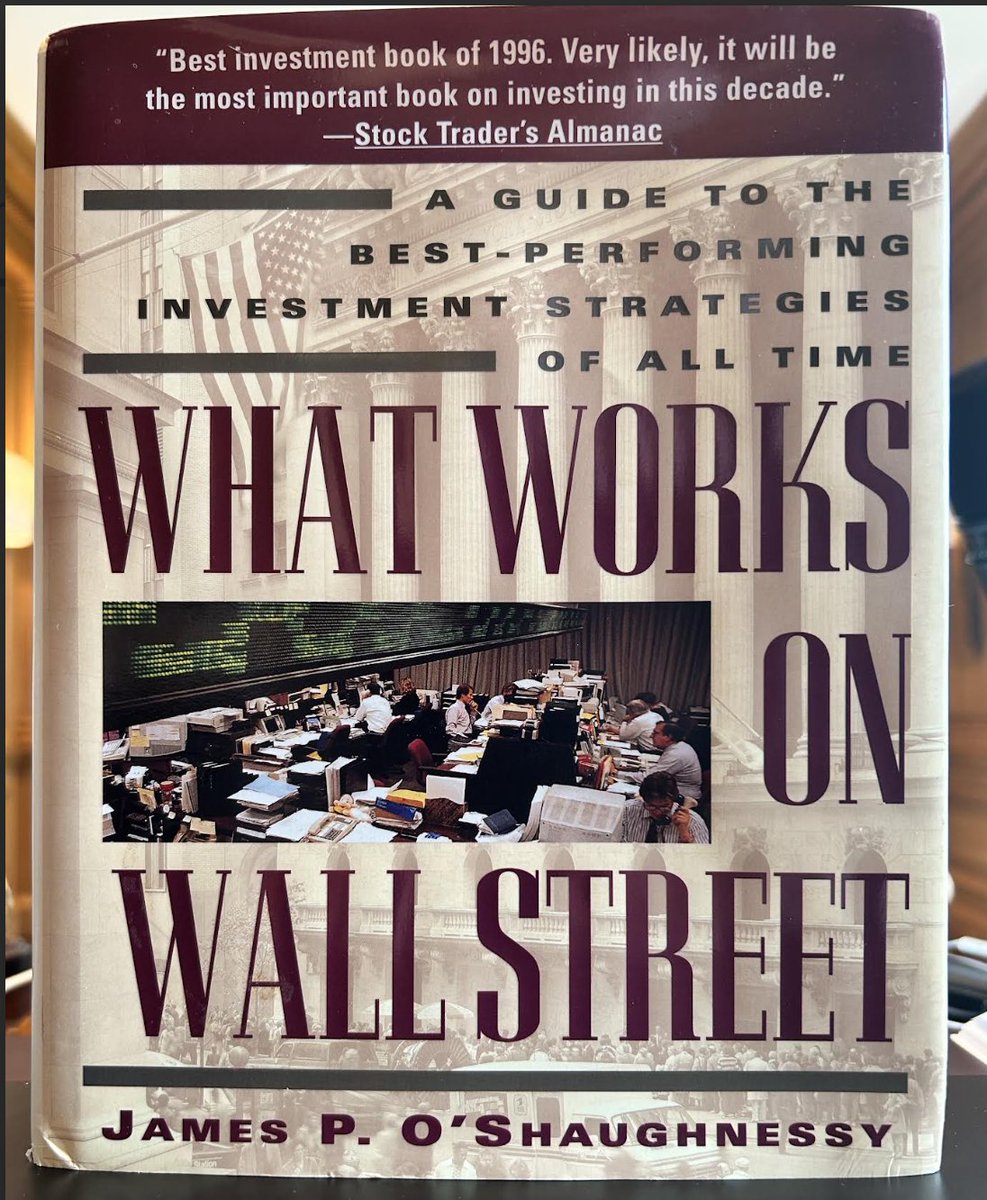
A friend reminded me 2026 is the 30th anniversary of the publication of the first edition of my book! Design screams mid-1990s, but I owe a great deal of my previous career in asset management to this book.
Jim O'Shaughnessy tweet media
English
26
7
187
18K
Systematic Investment Research & Education retweetledi
Brandon Beylo
Brandon Beylo@marketplunger1·
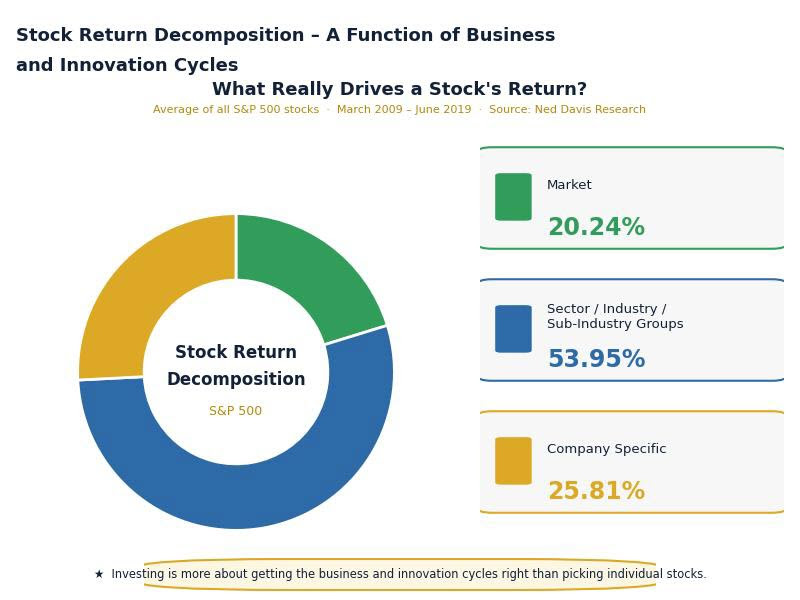
“People always forget that 50% of a stock’s move is the overall market, 30% is the industry group, and then maybe 20% is the extra alpha from stock picking." - Stanley Druckenmiller
Brandon Beylo tweet media
English
17
74
531
40.4K
George Coyle
George Coyle@gfc4·
Been thinking a bit about day trading lately. Full disclosure, I am not a day trader and don't anticipate ever becoming one - I don't want to watch screens all day. But I'm thinking about it because there are a lot of day traders nowadays (or, at a minimum, X makes me think there are) including some of the latest Market Wizards. If you read about great traders back 125 years or so, almost all of them caution against day trading which makes the current success of day traders hard to reconcile in a way - day trading isn't supposed to work. Yet, there the day traders are, making money which got me to thinking and wondering. In the late 1990s, day trading was a big thing and people did well at it. However, when the dot com bull market went bust, day trading mostly went away. Evidence? The authorities introduced the PDT rule to "protect" the masses from, apparently, themselves. At the same time, certain structural realities of the markets have changed in ways that, in theory, benefit day traders. For example, commissions no longer exist and HFT has mostly made markets more prone to decent fills. Cognizant that there will always be some outlier successfully swimming against the tide, I'm left to wonder if the current environment is largely responsible for the boom in day trading and if, when this bull market eventually ends, day trading will go about as well as it did in the early 2000s. Alternatively, maybe things have structurally changed and successful day traders are here to stay? What say ye?
English
15
0
32
3.6K
Systematic Investment Research & Education retweetledi
Trend Following™
Trend Following™@TrendCovel·
You know how some traders always seem to catch the big move? They didn't predict it. They just stayed in long enough for it to happen. That's the whole secret. There is no other secret.
English
0
7
36
1.9K
Systematic Investment Research & Education retweetledi
Surmount
Surmount@SurmountInvest·
Imagine betting your whole paycheck on one horse. That's what most portfolios are doing right now. One country. One market. One outcome. And the odds just got worse: The US stock market is trading near 42 times its 10-year earnings. That's the second-highest valuation level in history. Most American portfolios sit 80% to 100% in US stocks. Zero global diversification. Zero hedge. Zero plan for what happens next. On July 4, a top name in quant investing published a book on exactly this: Meb Faber. Founder of Cambria Investment Management. The man who popularized trend following as a way to dodge major crashes. His new book traces 250 years of US market history. One line stands out: rebalance systematically into global assets before the concentration breaks you. Last year, while the S&P returned 17%, foreign value strategies returned over 50%. This year, foreign value and small-cap value are both outperforming again. The lesson: the "safe" concentrated bet isn't actually safe. So here's the real question. How does a strategy know when to get defensive? Not by watching the news. It watches trend and momentum, across every major asset class, every single day. That's the exact system Faber built his reputation on. And it's now live and automated on Surmount. It's called Tactical Allocation. Here's what it actually does: It screens six asset classes at once: - US stocks - International stocks - Emerging markets - Real estate - Gold - Long-duration Treasuries - The US Dollar. It ranks them using a volume-weighted trend filter and relative momentum. Whatever's strongest right now gets the capital. When markets turn, the system flips modes automatically. No emotion. No discretion. No second-guessing at 2am. Just rules, applied the same way every single time. It's built for investors who want tactical exposure with a real defensive floor underneath it. Faber wrote the book on it. Now the strategy behind it is one click away, live on the Surmount Marketplace:
Surmount tweet media
English
1
15
17
2.5K