@NavyLookout 9 was never enough, it was just an "oh we do actually need MPA, right well what's the least we can spend for a minimal force for now" back in 2015. Minimum numbers should be say 14 P-8 and 5 E-7.
English
Toby
2.1K posts
#RAF Royal Air Force - Poseidon Activity Since mid-March, there have been 58 Poseidon MRA.1 patrols from RAF Lossiemouth, Keflavik and Harstad by the Royal Air Force. Using @flightradar24 data, this is around 461 flight hours since the 11th of March by 6 of the RAF Poseidon airframes. These flights are primarily focused in the Greenland-Iceland-United Kingdom (GIUK) Gap, with 45 flights being in this region. A further 5 patrols appeared to be more in the North Atlantic, and another 8 in the Norwegian Sea. We don't have the data for their entire flights. Most only track for their departure or arrival, but some have pinged around where they are patrolling at low-level. These flights match with the statement given by the Secretary of State for Defence on the 9th of April, that the RAF had been tracking a Russian Submarine near British waters. The Norwegian Air Force also used their own P-8 Poseidons during this time and were flying in the same area. (Note: this is my first time trying to visualise this activity. I'll refine how I create these graphics overtime. As mentioned, not all the flights had full flight paths so the graphic doesn't represent all the flights) 📸 @havoc_aviation @MATA_osint @DefenceGeek @TBrit90 @UKDefJournal @haynesdeborah



The Royal Navy by numbers: Frigates: 7. Available: 3 Destroyers: 6. Available: 1 - HMS Dragon (broken). Naval Manpower (excluding Royal Marines): 20,000 Admirals : 40 Commodores: 90 MOD Civil Servants: 55,000 Clown Service - destroyed by politicians. forcesnews.com/services/navy/…




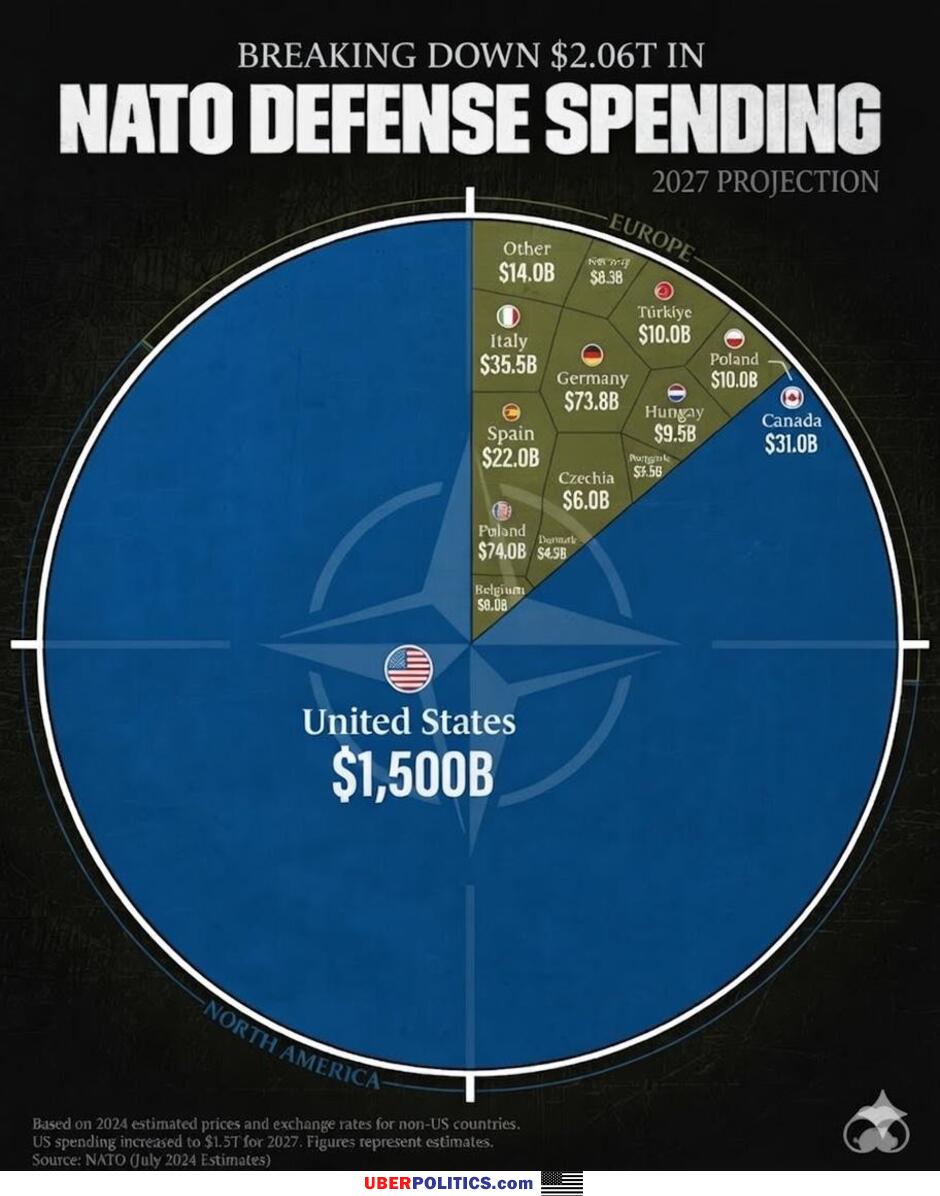
High time to kick the US 🇺🇸 out of NATO.


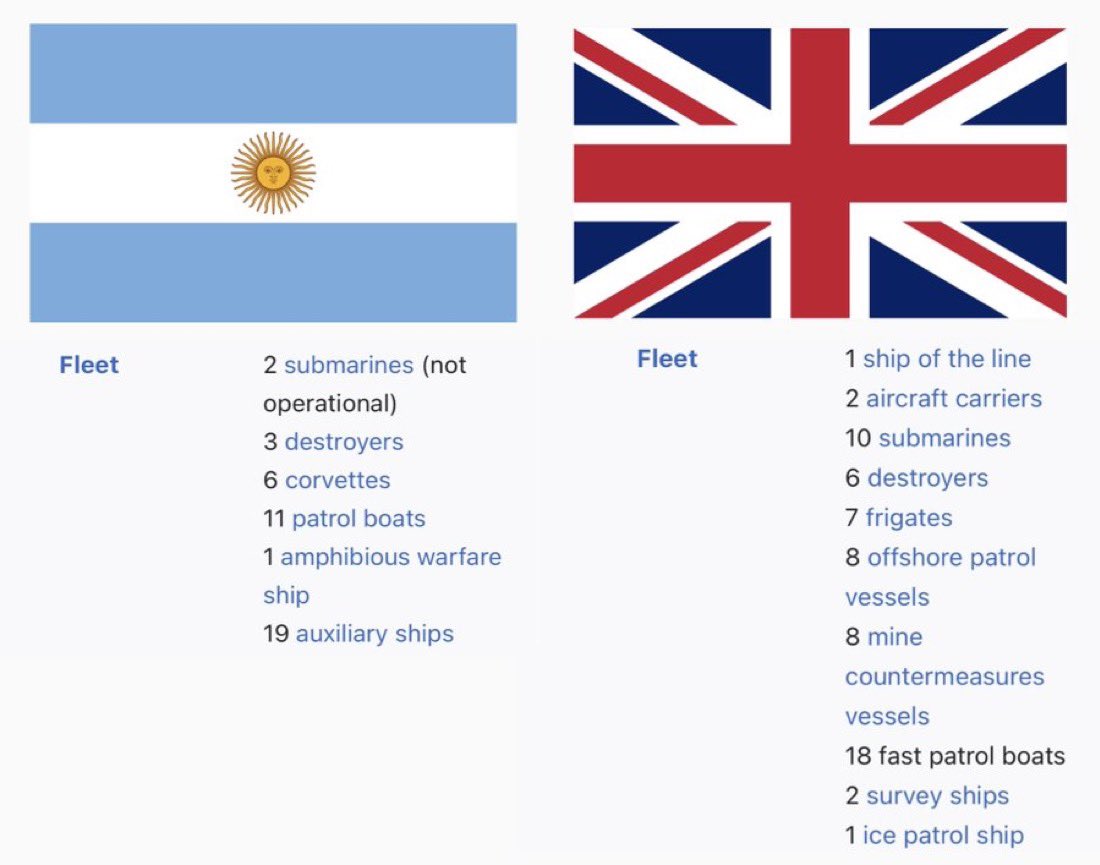
Bayonets, Mud, and Resolve: When Men, Not Hashtags, Held the Line As a German veteran, I will say this plainly: Forty-four years ago, over 100 ships of the Royal Navy sailed south following Argentina’s invasion of the Falkland Islands. No hashtags. No commentary panels. Just orders—and men who followed them. Before “Bravery” Became a Word People Tweet Today, courage is often performed. Back then, it was carried—40kg on your back, across wet, freezing, unforgiving terrain that punished every step. No comfort. No spotlight. No guarantee. And when the march ended? Bayonets fixed. Hand-to-hand combat. In darkness. In brutal conditions. Against an enemy just as determined. The Kind of War That Doesn’t Fit a Narrative This is the kind of war that doesn’t translate well into modern slogans. Because it wasn’t theoretical. It was endurance. Discipline. Grit. A refusal to break when everything—from the weather to the exhaustion—told you to. The Men Behind the Memory And here is the part that matters most to me: I am proud and honoured to know two of those men personally—and to call them friends. Not legends in headlines. Men who carried the weight, walked the distance, and stood their ground. Not a Slogan—A Standard “The Falklands will always be British” is easy to say. What made it true was something far harder: Men who went through hell—and did not step back. No irony needed. Only respect.