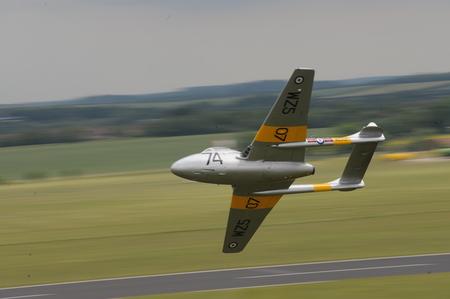
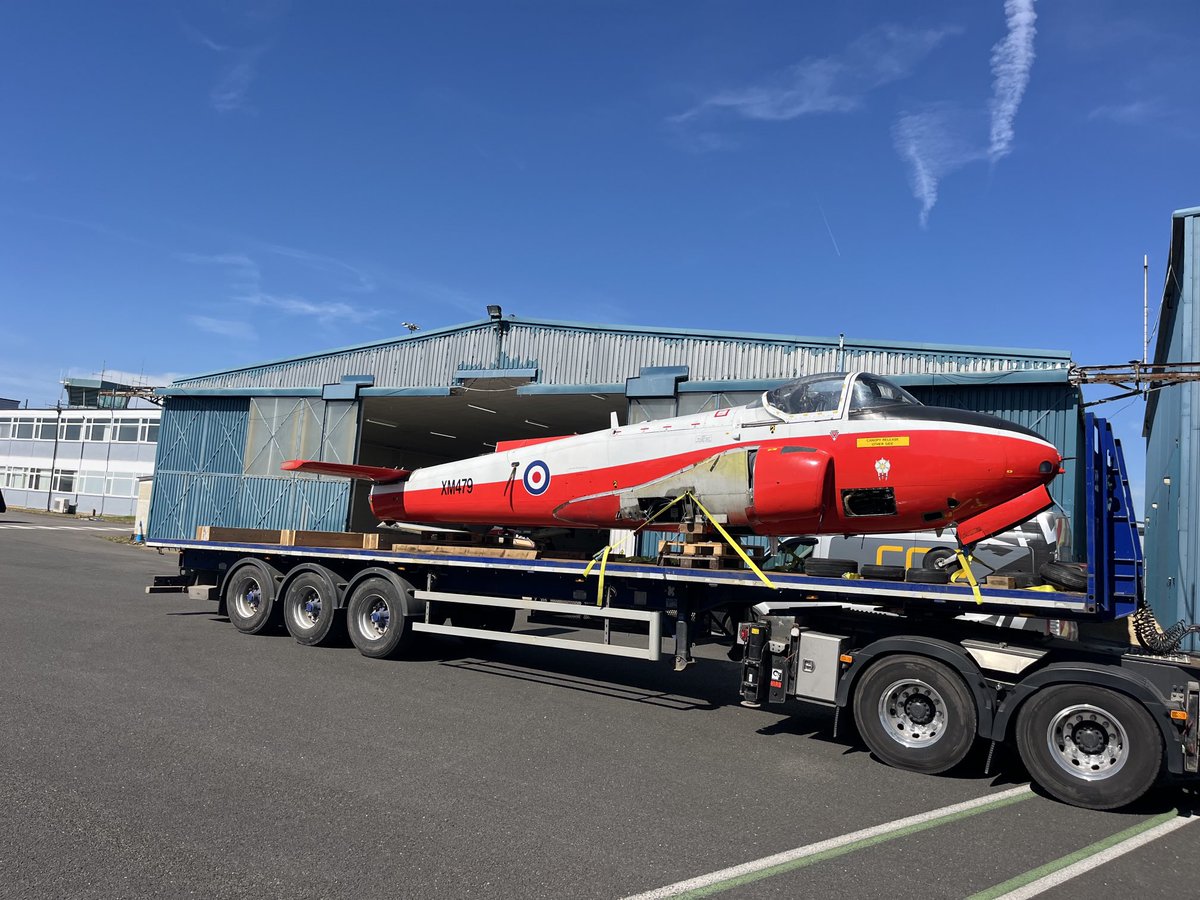
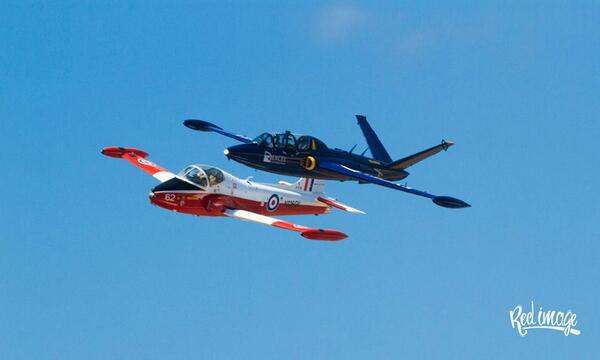
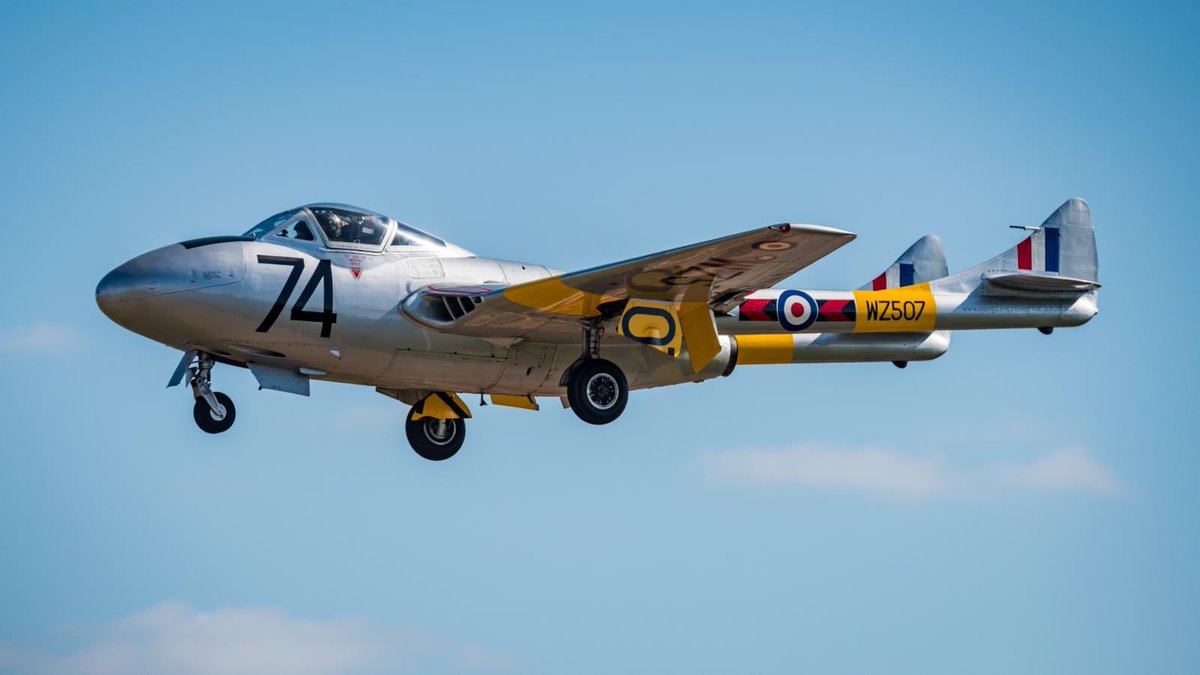
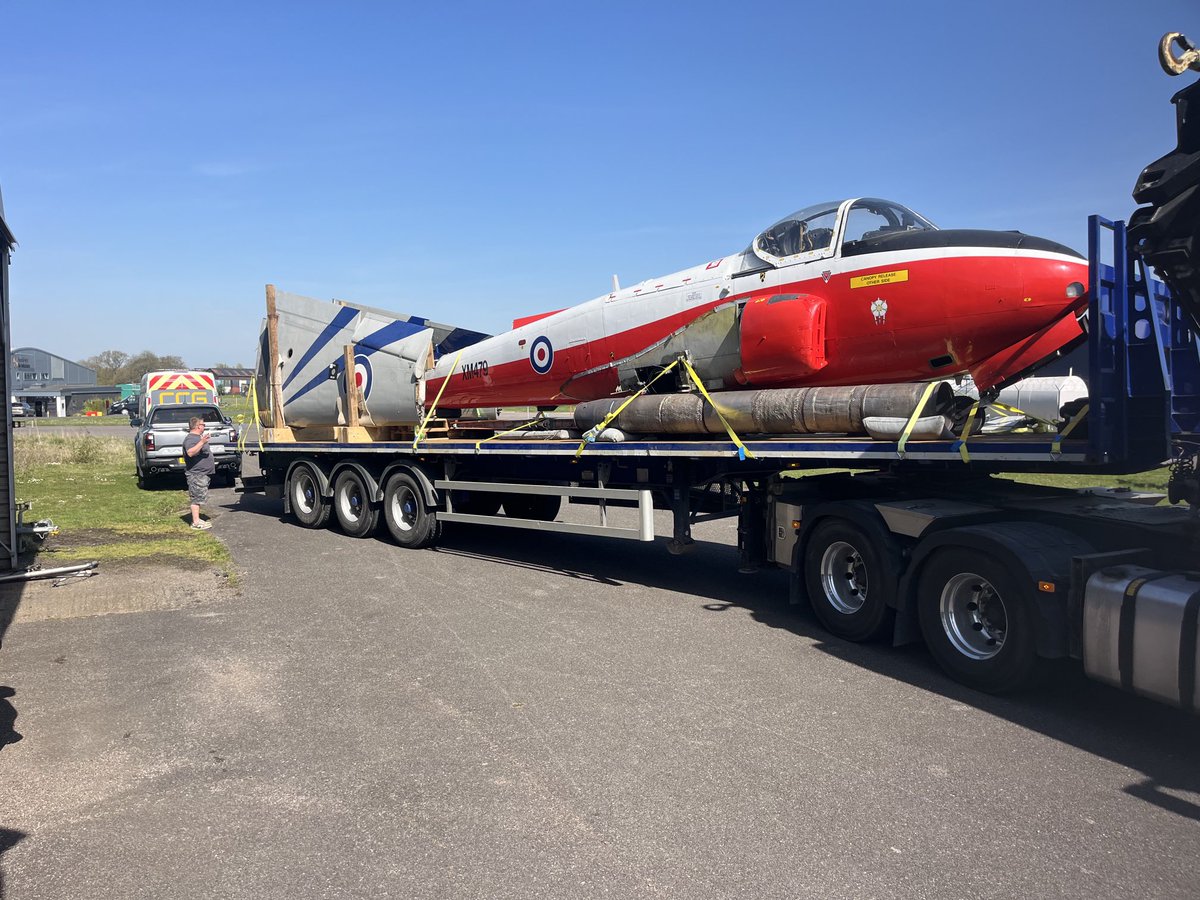
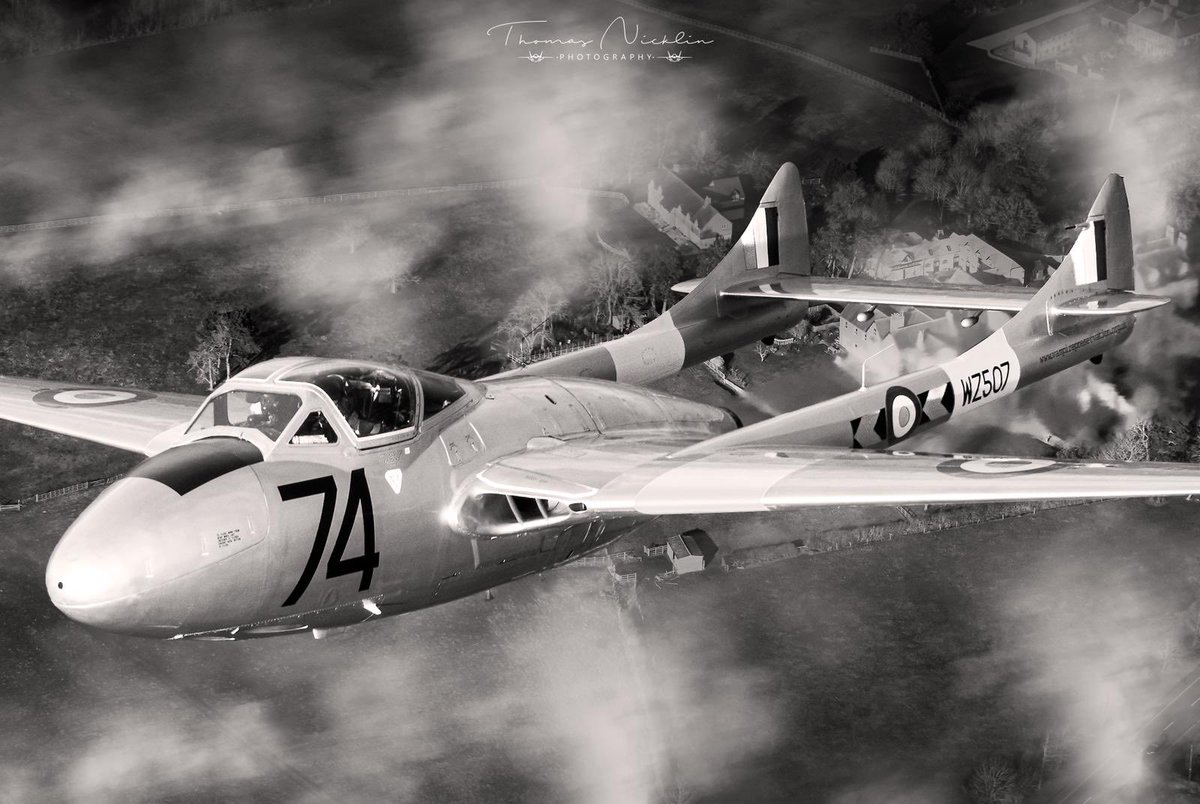
@adamsetch97 Keeping a vintage aircraft flying is difficult, keeping a classic vintage jet flying is a completely different level of difficulty… It was sold and the purchaser wanted it at north Weald.
We’ve got an amazing photo for this weeks Throwback Thursday!
Thank you to Dave Heaney for allowing us to share this incredible photograph of Avro Vulcan B2 XL317 of No 617 Squadron displaying at here at Halfpenny Green airfield on August 28 1972.
📷 By Dave Heaney
#vulcan
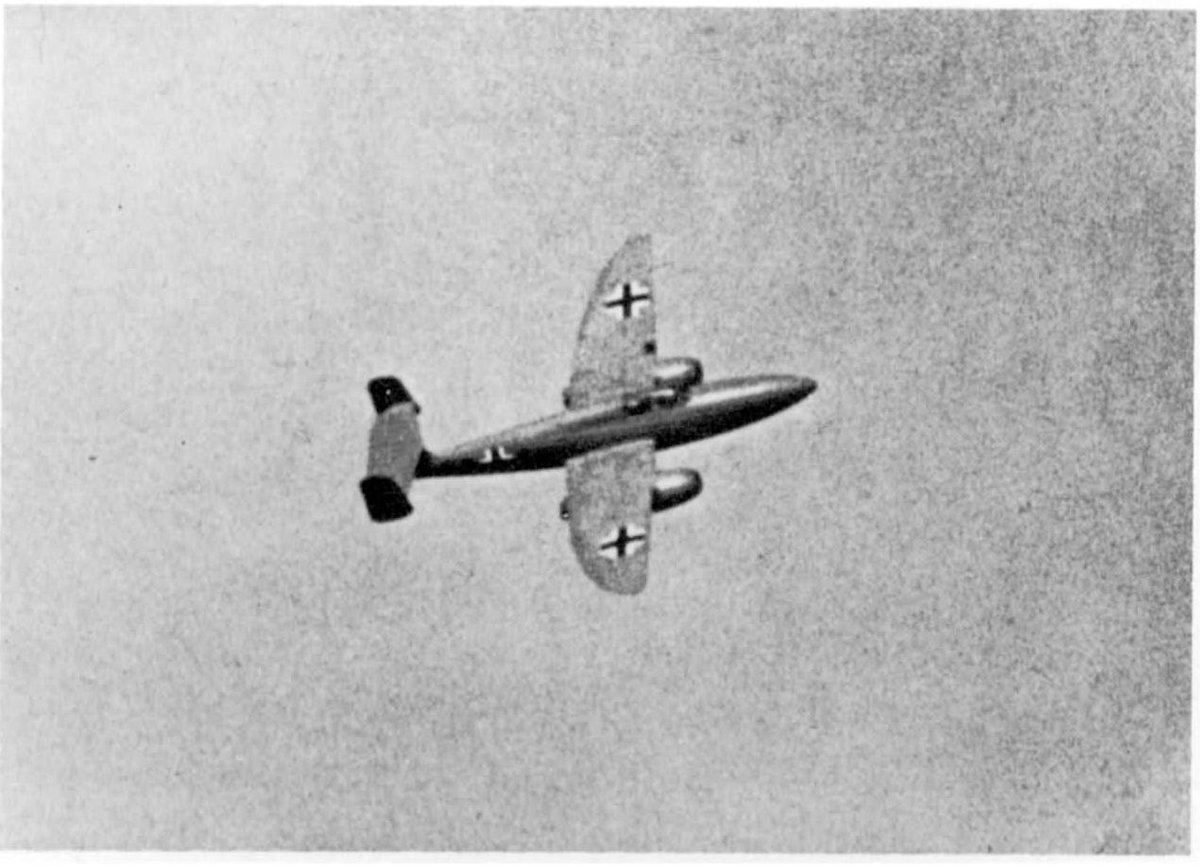
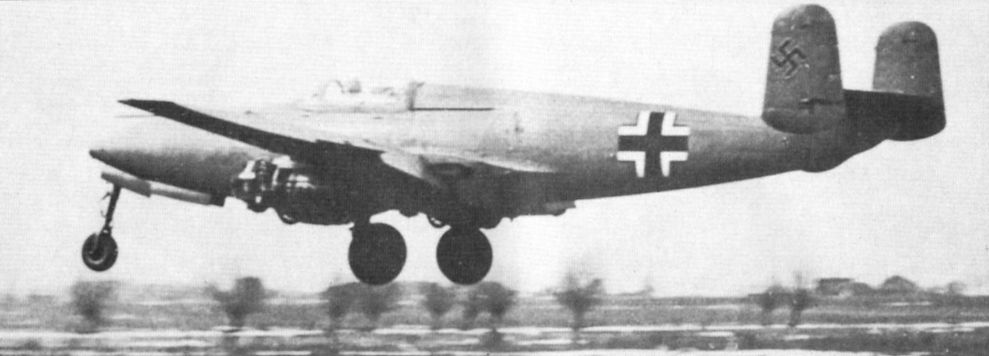
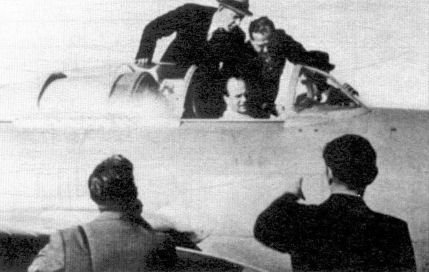
30 March 1941. First powered flight of the Heinkel He 280 V2 GJ+CA (WkNmr 280-00 0002), flown by Fritz Schäfer. German fighter prototype and world's first turbojet-powered fighter aircraft. Powered by HeS8A engines. On 26 June 1943 it crashed due to engine failure.
The type remains to this day the largest all-metal flying boat ever built and first flew in 1952
That same year the de Havilland Comet also made its maiden flight, ushering in the era of the commercial jet airliner and putting the final nail in the Princess project's coffin
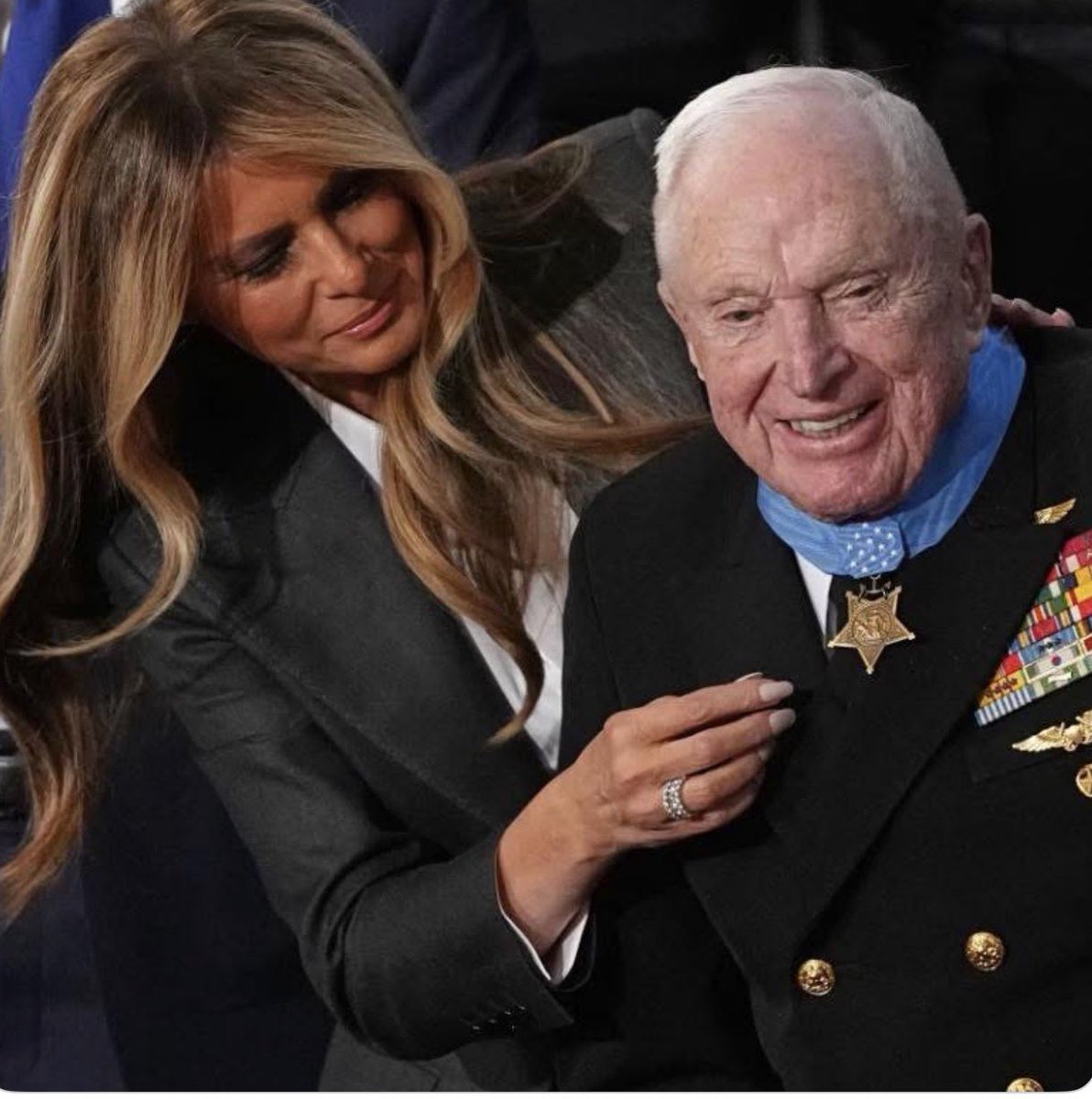
President Donald Trump and First Lady Melania Trump just awarded 100-year-old Navy fighter pilot Royce Williams the Medal of Honor!
Near the end of a long State of the Union address, when most Americans were thinking about bed rather than history, the focus shifted to a man who had once stared down Soviet fighter jets in a frozen sky and survived to tell almost no one about it.
Royce Williams was just a young Navy lieutenant in 1952 when he launched from the deck of the USS Oriskany in an F9F Panther and flew into what would become one of the most extraordinary aerial engagements in American military history. What unfolded that day was not a routine patrol or a brief exchange of fire but a sustained, desperate dogfight against multiple Soviet MiG-15s, aircraft that were faster, more maneuverable, and more heavily armed than the jet he was flying.
The MiG-15 had clear advantages on paper. It could outclimb the Panther, outturn it, and unleash higher caliber firepower. In almost every technical comparison, the odds leaned heavily toward the Soviet pilots. Yet Williams did not disengage at the first sign of trouble. He maneuvered, fired, absorbed damage, and stayed in the fight long after prudence might have suggested breaking away. By the time his ammunition was gone, four MiGs had been shot down.
His own aircraft was barely holding together. After landing, mechanics counted 263 holes punched through the fuselage. Hydraulic systems were compromised. The jet had taken such punishment that it was ultimately pushed overboard because it could not be salvaged. Even the return to the carrier was a trial in itself, as Williams had to guide a crippled aircraft onto a pitching deck in rough seas, knowing that a mistake at that stage would be unforgiving.
What makes the story even more remarkable is what followed. The United States was not officially acknowledging direct combat with Soviet forces in Korea, and the engagement was classified to avoid inflaming tensions that might have widened the conflict only a few years after World War II. The extraordinary clash in the sky was tucked away in official files. Williams himself said little about it for decades.
He went on to complete a distinguished naval career and retired as a captain. He built a life beyond the cockpit and watched as the Korean War settled into the uneasy category of the “Forgotten War,” overshadowed by the global scale of World War II before it and the cultural upheaval of Vietnam after it. Meanwhile, one of the longest and most lopsided dogfights in U.S. history remained largely unknown to the broader public.
The Medal of Honor carries a strict standard of conspicuous gallantry and intrepidity at the risk of life above and beyond the call of duty. Williams’ actions in 1952 fit that standard without ornament or exaggeration. He faced superior aircraft flown by skilled adversaries. He remained engaged while massively outnumbered. He fought until he ran out of ammunition. He brought home a plane that by all rights should not have made it back.
More than 60 years passed before the nation formally placed its highest military decoration around his neck. That delay speaks less to oversight than to the complicated realities of Cold War secrecy and bureaucratic caution. Fellow veterans pressed for recognition. Lawmakers revisited the record. Declassified information clarified what had long been obscured. Eventually, the historical record aligned with the scale of the achievement.
Seeing a centenarian aviator in full dress uniform receiving the Medal of Honor offers a rare bridge across generations. The world of 1952, with its carrier decks and early jet fighters, feels distant from the era of stealth aircraft and satellite-guided munitions. Yet the qualities that defined Williams’ actions remain constant in every age of warfare: composure under pressure, disciplined skill, and the willingness to accept grave personal
May God Bless Royce Williams! 🙏🏾
AIRSHOW NEWS: Teignmouth Airshow will not return in 2026
Having been missing from the UK Airshow Calendar in 2025, the organising committee of the Teignmouth Airshow have confirmed the event will NOT return in 2026.
air-shows.org.uk/2026/02/airsho…#airshows#avgeek#airdisplays
The Brits invented a lot of aviation stuff. The world's first successful probe-and-drogue refueling took place on Aug 7, 1949. A Gloster Meteor F.3 connected with an Avro Lancaster tanker. This enabled the Meteor to remain airborne for over 12 hours, covering 3,600 miles and setting a new jet endurance record.🫡
🚨EXCLUSIVE🚨
Former SAS commanders have launched a last-ditch attempt to scrap the Troubles bill that will remove immunity protections for Northern Ireland veterans. They fear the move will expose troops to "money-hungry" lawyers. Full story below. A🧵1/4
@Dondi__ Hello Dondi,
Perhaps we can work together worth keeping these old jets flying?
Let me know if you think that I could ever be of assistance.
Blue skies and tailwinds for 2026
Mark