Aneth David, Ph.D. retweetledi
Aneth David, Ph.D.
4.9K posts

Aneth David, Ph.D.
@anethdavidd
Bio-technology | Bioinformatics ▪️Passion for Science, Diversity & Inclusion️ ▪️Feminist ▪️ Wikipedia editor ▪️Avid reader
Dar es Salaam Katılım Kasım 2010
1.5K Takip Edilen3.5K Takipçiler
Aneth David, Ph.D. retweetledi

everytime men complain about an “advantage” women have, it’s always because of the patriarchy
“women get awarded custody more”
yeah because y’all decided child rearing was a woman’s job
“male victims of women aren’t taken seriously”
yeah because you’ve decided women are weak and incapable
“women don’t get drafted”
see above
“women can make money just by being hot”
yeah because you treat us like objects, it’s YOUR money
English
Aneth David, Ph.D. retweetledi

My biggest problem with modern history lessons as an African is we're taught it from a Euro/American centric view
As an African you can't convince me Hitler was the most evil man to ever live. Sure he was evil to the Europeans
But to an African from the Congo, King Leopold who butchered them is the most evil man
To a black South African, Jan Van Riebeeck who took their land is the most evil man
To a Zimbabwean, Zambian or Malawian, Cecil John Rhodes is the most evil man
If our forefathers had the power to k!ll any of these men, the least of their concerns would be a mad man in Europe
Why is our African history minimized but European history magnified?
English
Aneth David, Ph.D. retweetledi

Well, when a child is conceived, the DNA split is 50/50 from both parents. Except for one small detail: mitochondrial DNA. It’s passed down only through the mother and never through sperm.
Which means something interesting: all living humans can trace their mitochondrial line back to one woman, not one man.
And every daughter born continues passing that same line forward.
Happy Women’s Day 💐
English
Aneth David, Ph.D. retweetledi

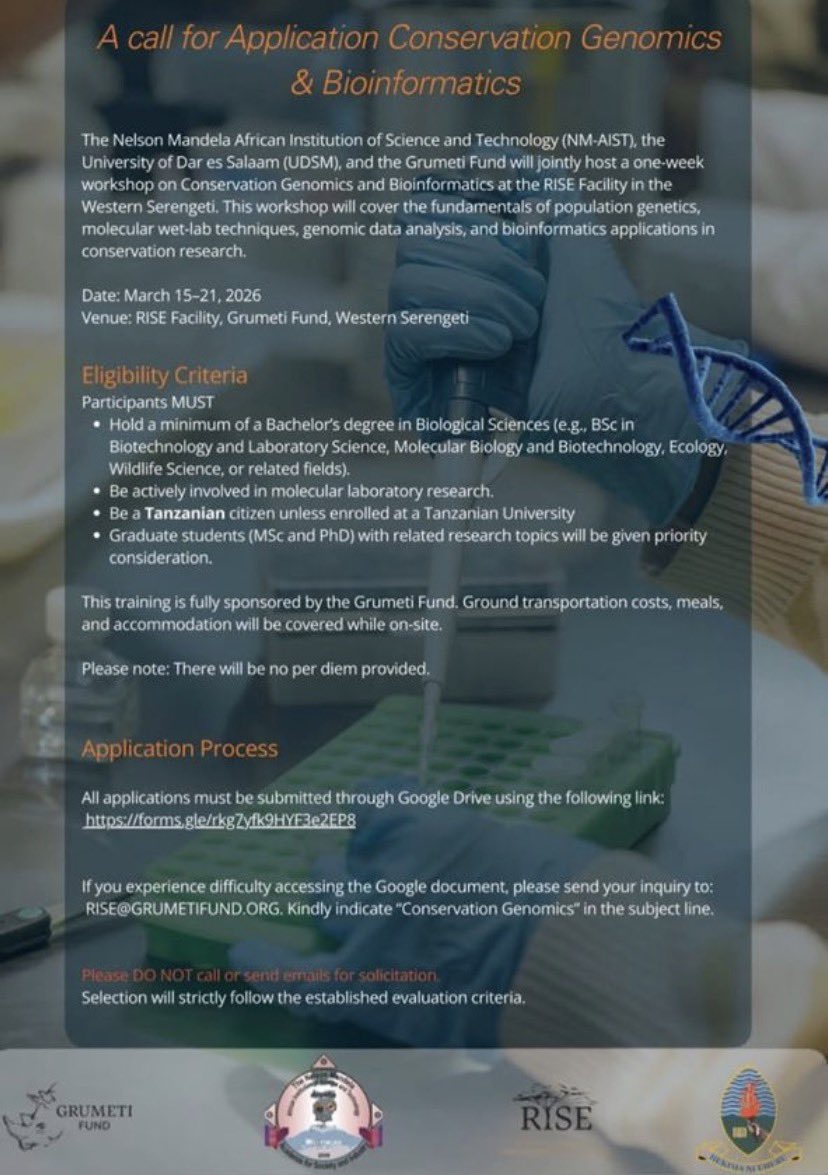
🚨 Call for Applications: Conservation Genomics & Bioinformatics Workshop 🌍🧬
A fully sponsored one-week hands-on training in the Western Serengeti for biology and biotechnology professionals & graduate students.
📅 March 15–21, 2026
👉 Apply here: docs.google.com/forms/d/e/1FAI…

English
Aneth David, Ph.D. retweetledi

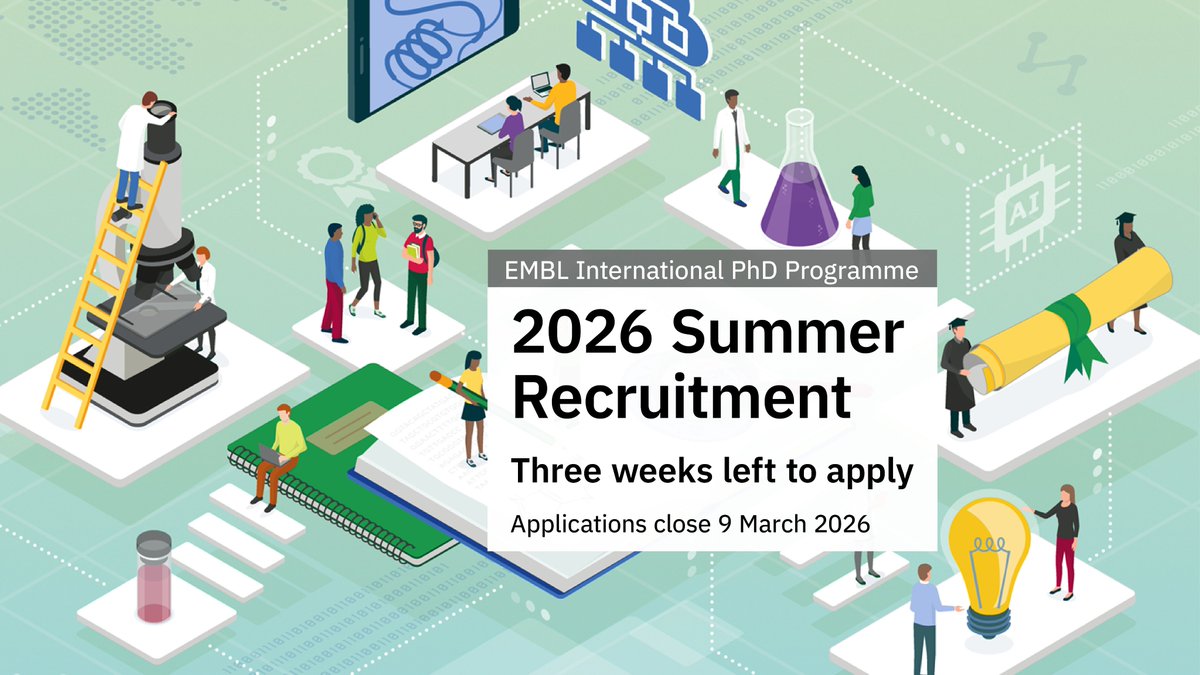
EMBL International PhD Programme - summer recruitment 2026! 👀
Research groups across EMBL are recruiting now! embl.org/about/info/emb…
Don’t miss this opportunity to receive dedicated mentoring while doing interdisciplinary research.

English
Aneth David, Ph.D. retweetledi

Just the same way your hairline is receding and i know you wanted to have hair. It's not in their personal control. Hope that helps.
Dafenet@patdafenet
SERIOUS question, Ladies. How do y'all have postpartum depression from having a child you so wanted to have and be a mother?
English
Aneth David, Ph.D. retweetledi

OPEN ACCESS, free download : Digital Surveillance in Africa: Power, Agency, and Rights (Bloomsbury, 2025) edited by Tony Roberts and Admire Mare bloomsburycollections.com/monograph?doci…

English
Aneth David, Ph.D. retweetledi

I wrote about the deluge of AI slop that is drowning scientific journals and preprint servers
theatlantic.com/science/2026/0…
English
Aneth David, Ph.D. retweetledi

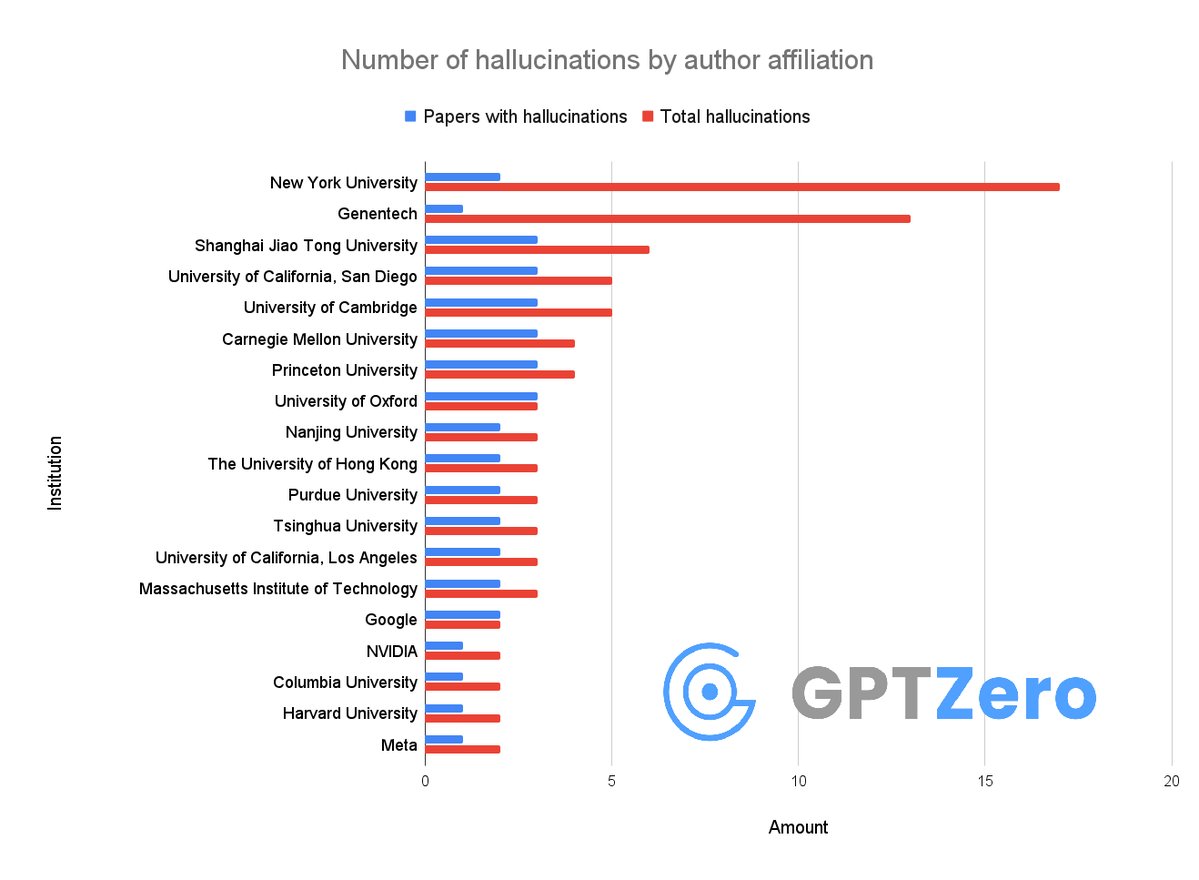
Okay so, we just found that over 50 papers published at @Neurips 2025 have AI hallucinations
I don't think people realize how bad the slop is right now
It's not just that researchers from @GoogleDeepMind, @Meta, @MIT, @Cambridge_Uni are using AI - they allowed LLMs to generate hallucinations in their papers and didn't notice at all.
It's insane that these made it through peer review👇

English
Aneth David, Ph.D. retweetledi

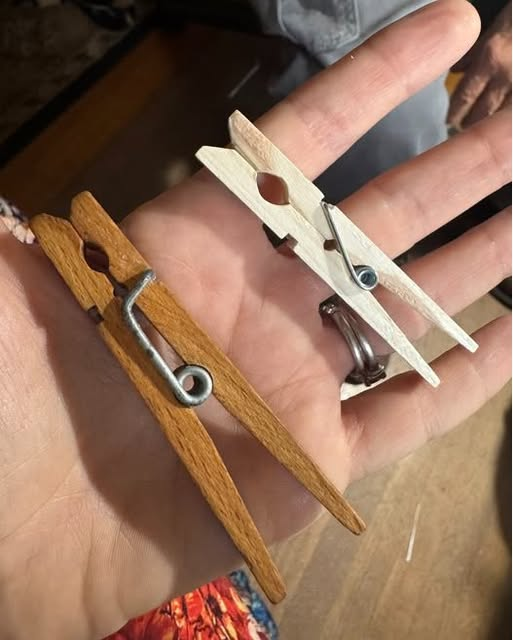
In one hand: a clothespin from the 1960s. Solid hardwood, smooth from decades of use. It still works perfectly, some 60 years later.
In the other: a clothespin from 2025. Lighter, paler wood, brittle. The spring is thin and unstable. Marketed as “extra durable,” my dad just raised an eyebrow.
At first glance, it’s just two clothespins. But they tell a bigger story — the shift from durability to disposability, from craftsmanship to cost-cutting, from stewardship to constant consumption. This is planned obsolescence in action.
Products are designed to fail so we must keep buying. Slowly, subtly, they break. Frayed wires, cracked hinges, brittle springs. Not because we want more, but because the old was never built to last.
The costs are everywhere. Landfills overflow. Wallets empty. And maybe most quietly, our spirits grow accustomed to impermanence, to the idea that nothing is meant to endure.
What if this philosophy extends beyond objects? What if it shapes how we treat relationships, communities, homes, even the Earth — as temporary, replaceable, disposable?
It doesn’t have to be this way. That 1960s clothespin reminds us another path is possible. That we once made things to last, and we can again. That quality, care, and intention matter. That we can design for repair, for continuity, for meaning.

English
Aneth David, Ph.D. retweetledi

This is how health misinformation works: start with a true association, then smuggle in a false conclusion.
Yes — low vitamin D levels are associated with frequent illness, depression, fatigue, and poor metabolic health.
That part is uncontroversial.
What Gary Brecka leaves out is the inconvenient word association.
What the evidence actually says
Low vitamin D is largely a marker, not a magic lever:
•People who are older, chronically ill, obese, depressed, sedentary, or inflamed tend to have lower vitamin D.
•Raise the vitamin D level, and in randomized trials… most outcomes don’t improve.
•No consistent reduction in infections
•No meaningful antidepressant effect
•No metabolic rescue
•No vitality upgrade
If vitamin D were the causal driver Brecka implies, supplementation trials would show dramatic benefits. They don’t.
The sunlight sleight of hand
“15–30 minutes of sunlight” sounds primal and wise — but:
•It depends on latitude, season, skin tone, age, clothing, and sunscreen
•Winter sun above ~37° latitude produces near-zero vitamin D
•Sun exposure raises vitamin D modestly — it does not cure depression, fatigue, or metabolic disease
Bottom line
•Vitamin D deficiency should be corrected — absolutely
•Vitamin D is not a treatment for modern disease
•Low vitamin D is usually a symptom of poor health, not its cause
This is classic influencer alchemy:
Confuse correlation for causation, add sunlight, sell certainty.
Medicine is harder than that — which is why slogans outperform evidence on social media.
Gary Brecka@thegarybrecka
Low levels of Vitamin D are linked to: - Frequent illness - Depression - Fatigue - Poor metabolic health 15-30 minutes of sunlight can really change the game.

English
Aneth David, Ph.D. retweetledi