Mikhail Shugay

611 posts

Mikhail Shugay

Mikhail Shugay

@antigenomics

Bioinformatics, immunogenetics, high-throughput immune repertoire sequencing. Decoding adaptive immunity.

3rd Rome Katılım Mayıs 2014
998 Takip Edilen1.3K Takipçiler
Sabitlenmiş Tweet
Mikhail Shugay
Mikhail Shugay@antigenomics·
N.B. VDJdb is up and running after a planned server upgrade, it can be now accessed at vdjdb.com, the old vdjdb.cdr3.net URL redirects there and should be considered obsolete. If you are using VDJdb web API please update accordingly.
English
0
1
2
264
Mikhail Shugay retweetledi
Vivek Subbiah, MD
Vivek Subbiah, MD@VivekSubbiah·
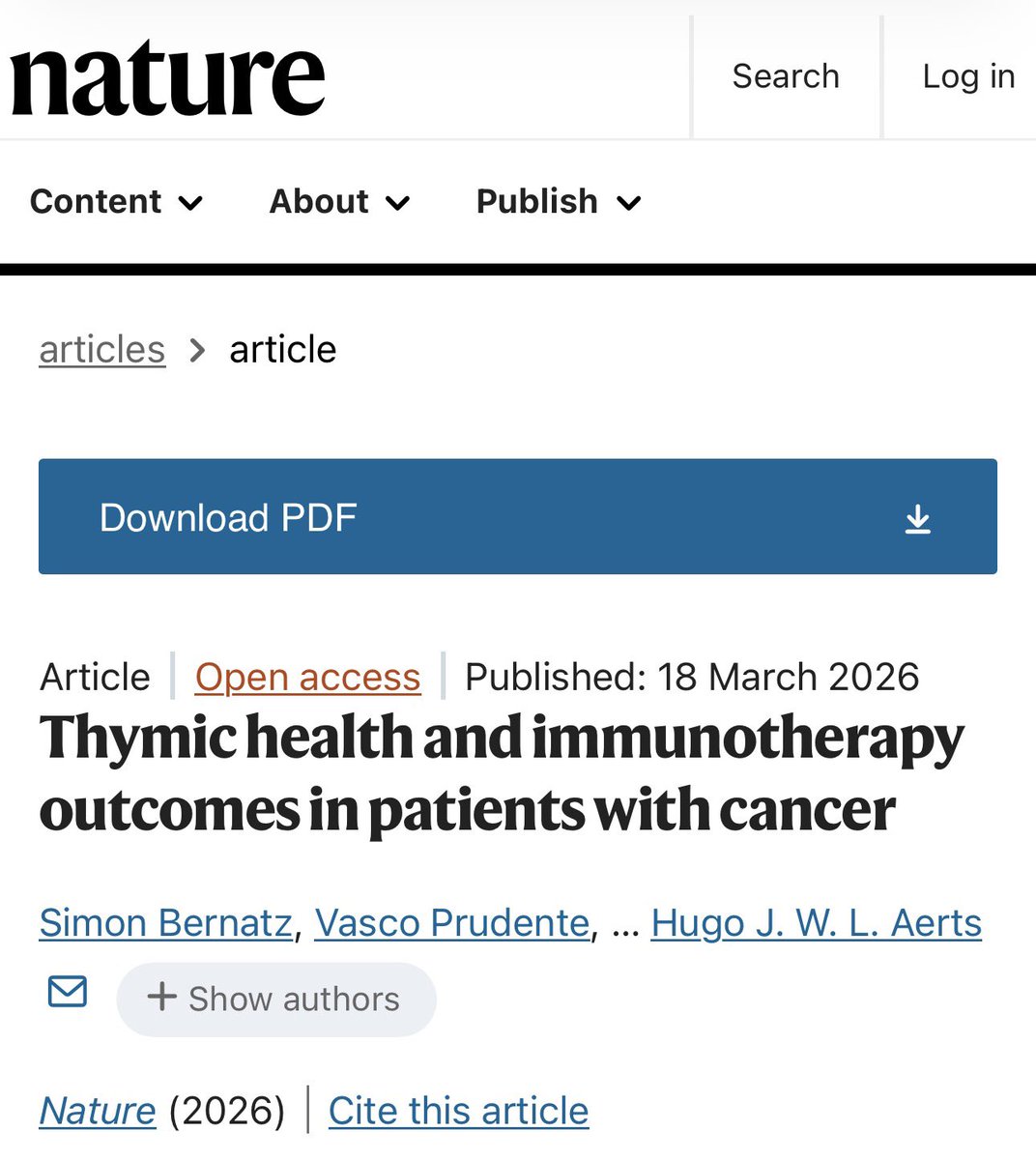
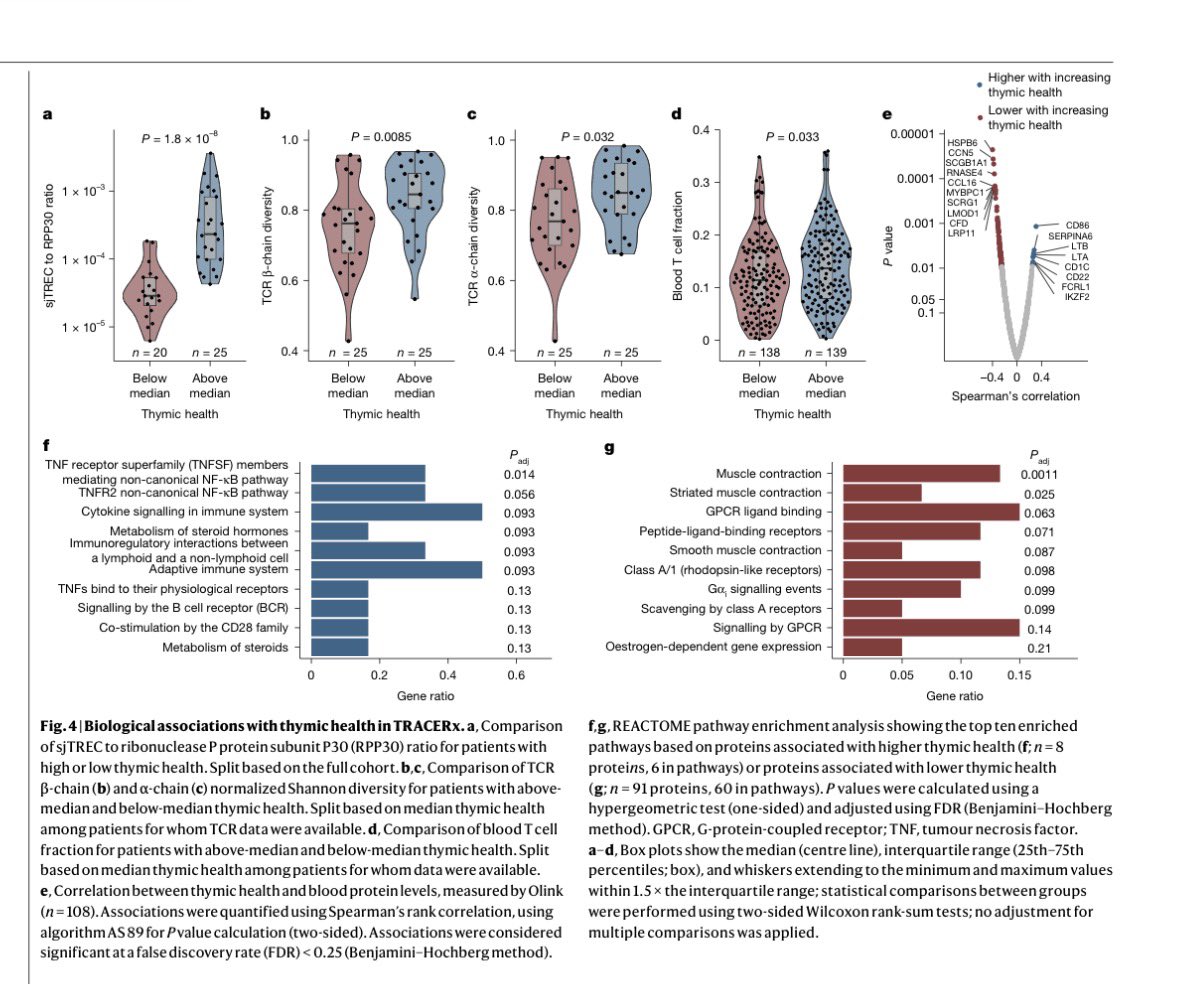
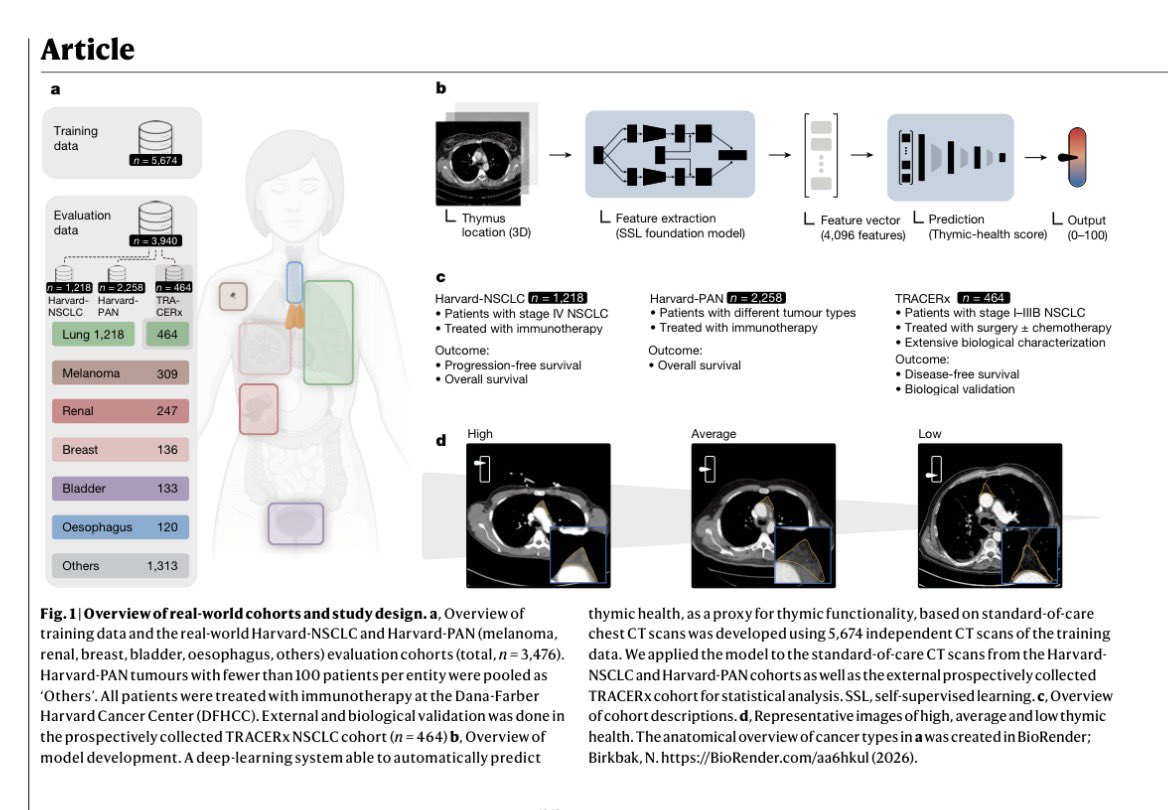
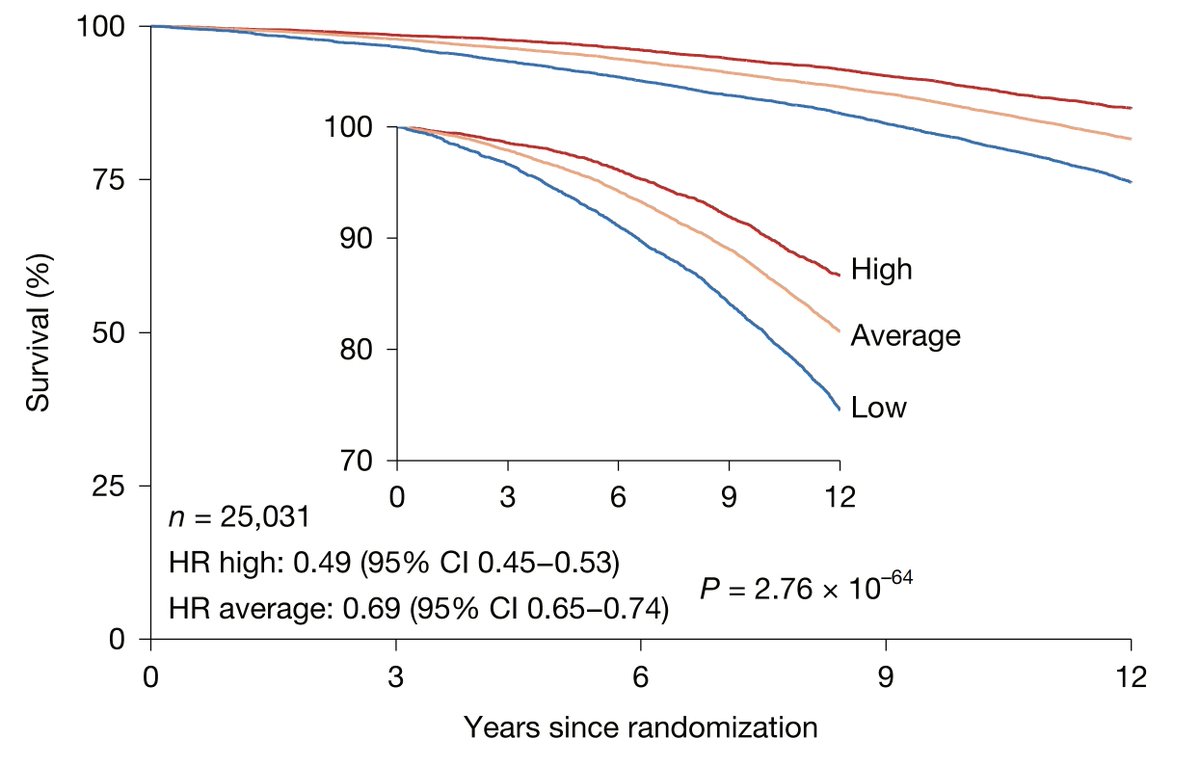
⭐️Wow 👉🏼published in @Nature 👉🏼“Thymic health and immunotherapy outcomes in patients with cancer.” ⭐️Across melanoma, breast, & renal cancers, the signal is clear: thymic health is a pan‑cancer, #tumoragnostic determinant of immunotherapy efficacy. ⭐️I think there are huge implications for patient stratification, treatment timing, & immune‑rejuvenating strategies in #PrecisionMedicine here @OncoAlert nature.com/articles/s4158…
Vivek Subbiah, MD tweet mediaVivek Subbiah, MD tweet mediaVivek Subbiah, MD tweet media
English
1
21
86
6.4K
Mikhail Shugay retweetledi
Samuel Hume
Samuel Hume@DrSamuelBHume·
The thymus shrinks as we get older, so is it actually doing anything useful? This study (nature.com/articles/s4158…) measured thymic health based on CT scans, and found: 1. Better thymic health is associated with longer survival
Samuel Hume tweet media
English
6
18
78
9.4K
Mikhail Shugay retweetledi
airr_community
airr_community@airr_community·
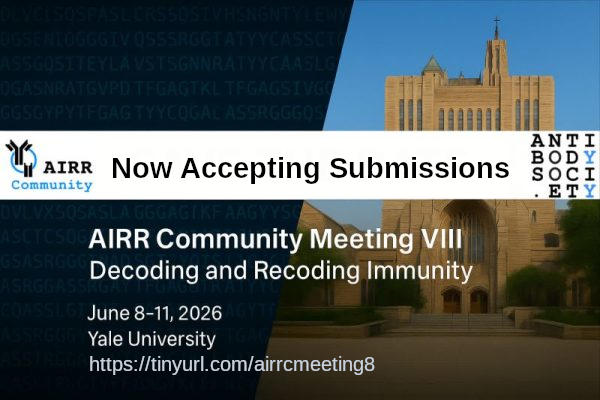
🚀 Deadline Extended! The submission deadline for tutorials & demos at AIRR Community Meeting VIII is now April 15, 2026 — matching the abstract deadline for oral presentations & posters. 📅 June 8–11, 2026 📍 Yale University (New Haven, USA) + Virtual 🔗 tinyurl.com/airrcmeeting8
airr_community tweet media
English
1
2
2
127
Mikhail Shugay retweetledi
David Gfeller
David Gfeller@GfellerD·
Happy to share the work of Aisha Shah about training predictors of TCR-epitope recognition with unpaired TCRa + TCRb sequences: biorxiv.org/content/10.648….
English
1
2
4
352
Mikhail Shugay retweetledi
Bo Wang
Bo Wang@BoWang87·
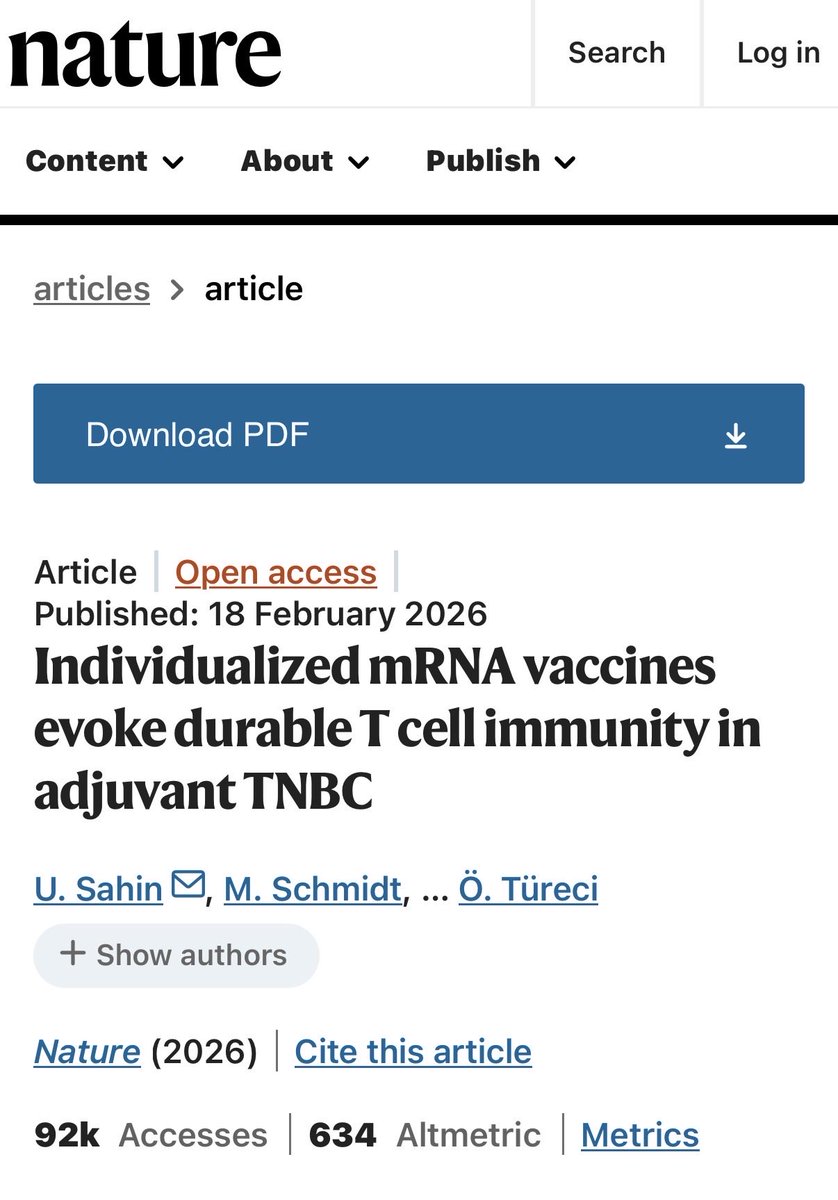
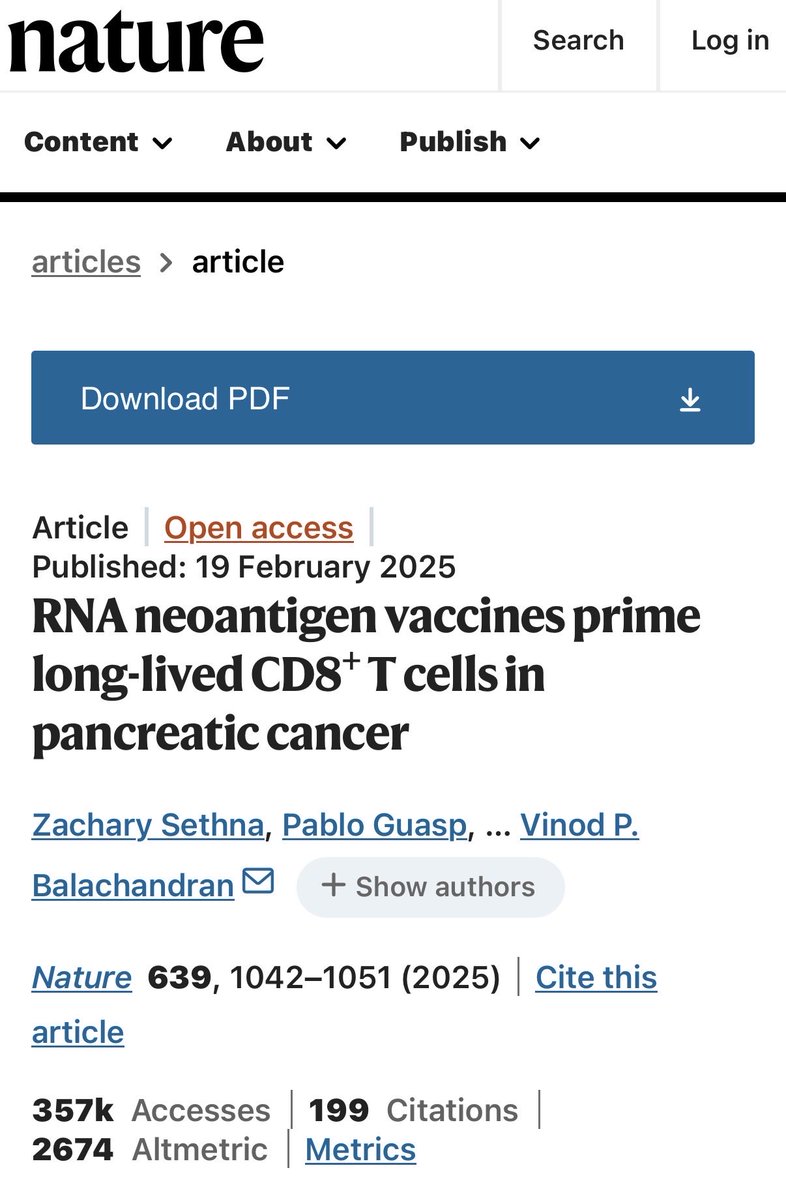
Everyone is talking about personalized mRNA cancer vaccines. I want to share two recent Nature papers that cut through the excitement and reveal something the viral posts aren't telling you: the approach works — but only in patients whose immune system actually responds to the vaccine. In the PDAC trial, that was half. Papers: — TNBC-MERIT trial (Nature 2026): nature.com/articles/s4158… — PDAC 3-year follow-up (Nature 2025): nature.com/articles/s4158… Here's the exact number that explains why. The PDAC trial: at 3.2 years median follow-up, vaccine responders had median recurrence-free survival that was never reached. Non-responders: 13.4 months. HR = 0.14. The T cell memory is real — some clones are projected to persist for over a decade. The TNBC trial: 10 of 14 patients remained relapse-free at 5 years. One patient has been in remission for over 6 years, with neoantigen-specific T cells still circulating at ~2% of her CD8 repertoire. So what separates responders from non-responders? Across both trials: only 41 of 251 neoantigens actually triggered a T cell response. That's 16%. Each vaccine encodes up to 20 neoantigens — the algorithm's best guess at which tumor mutations will be immunogenic. Most don't work. Half the PDAC patients didn't respond — not because they couldn't mount an immune response (they responded fine to concurrent COVID vaccines) — but because their selected neoantigens happened to miss. This is the core unsolved problem: predicting, from sequence alone, which mutations will produce peptides that a specific patient's immune system will actually recognize. It sounds like an MHC binding problem. It isn't. Tools like NetMHCpan handle binding affinity reasonably well. What they miss is the full causal chain: 1. Proteasomal processing — will the protein actually be cleaved into this exact peptide? 2. TAP transport — will it reach the ER for MHC loading? 3. HLA-peptide stability — across the patient's specific HLA alleles (10,000+ variants in the population) 4. T cell repertoire availability — has central tolerance already deleted the clones that would recognize it? 5. Tumor clonal architecture — is this mutation in every tumor cell, or just 30%? Targeting subclonal neoantigens leaves most of the tumor untouched. Every step is a filter. Current prediction stops at step one. Compounding everything: average manufacturing time in the TNBC trial was 69 days (range: 34–125) from sample to vaccine release. For pancreatic cancer, where non-responders recur at 13.4 months post-surgery, that's not a footnote. It's a window closing. The good news: the T cell biology is sound. The mRNA platform works. The immunology is spectacular — when it works. The bottleneck is the first step: choosing which 20 neoantigens go in the vaccine. Get that prediction right, and the responder rate moves. This is where AI in cancer immunotherapy has to go next. Not mRNA design. Not LNP formulation. Immunogenicity prediction — integrating mutation calling, HLA typing, T cell repertoire sequencing, and single-cell tumor expression simultaneously, as a causal inference problem, not a binding affinity lookup. We don't have a model that does this well. That's the gap.
Bo Wang tweet mediaBo Wang tweet media
English
27
124
587
52.7K
Mikhail Shugay retweetledi
James Roney
James Roney@jamesproney·
I'm excited to announce some major updates to our ProteinEBM paper with Chenxi Ou and @sokrypton!
English
4
61
360
34K
Mikhail Shugay retweetledi
PRX Life
PRX Life@PRX_Life·
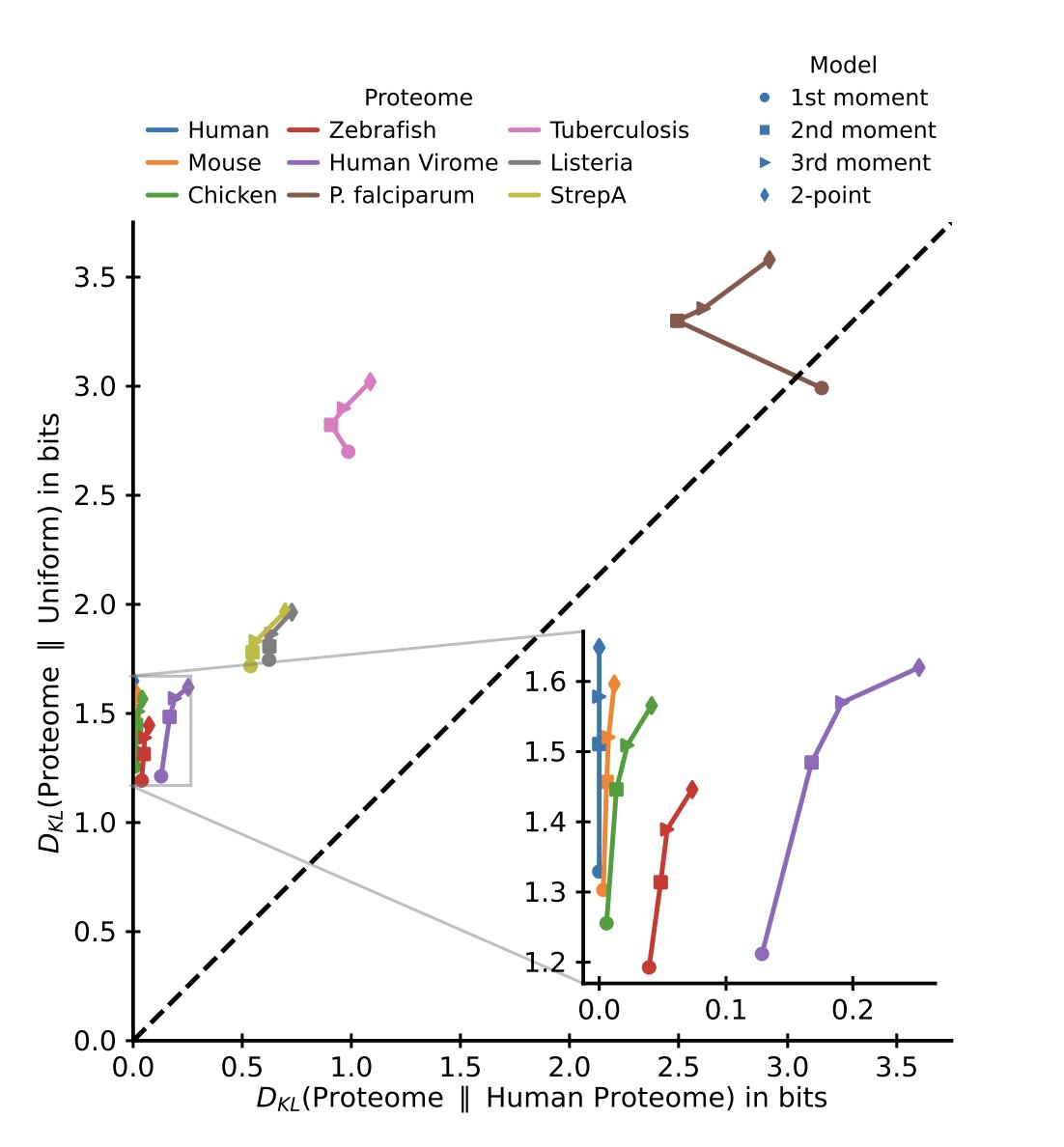
A statistical physics framework that models peptidomes across species shows that self and nonself peptides are nearly one and the same, implying that the immune system benefits by targeting antigens near those represented in the organism’s own proteome. go.aps.org/40tAuIl
PRX Life tweet media
English
1
8
22
5K
Mikhail Shugay retweetledi
Marios Georgakis
Marios Georgakis@MariosGeorgakis·
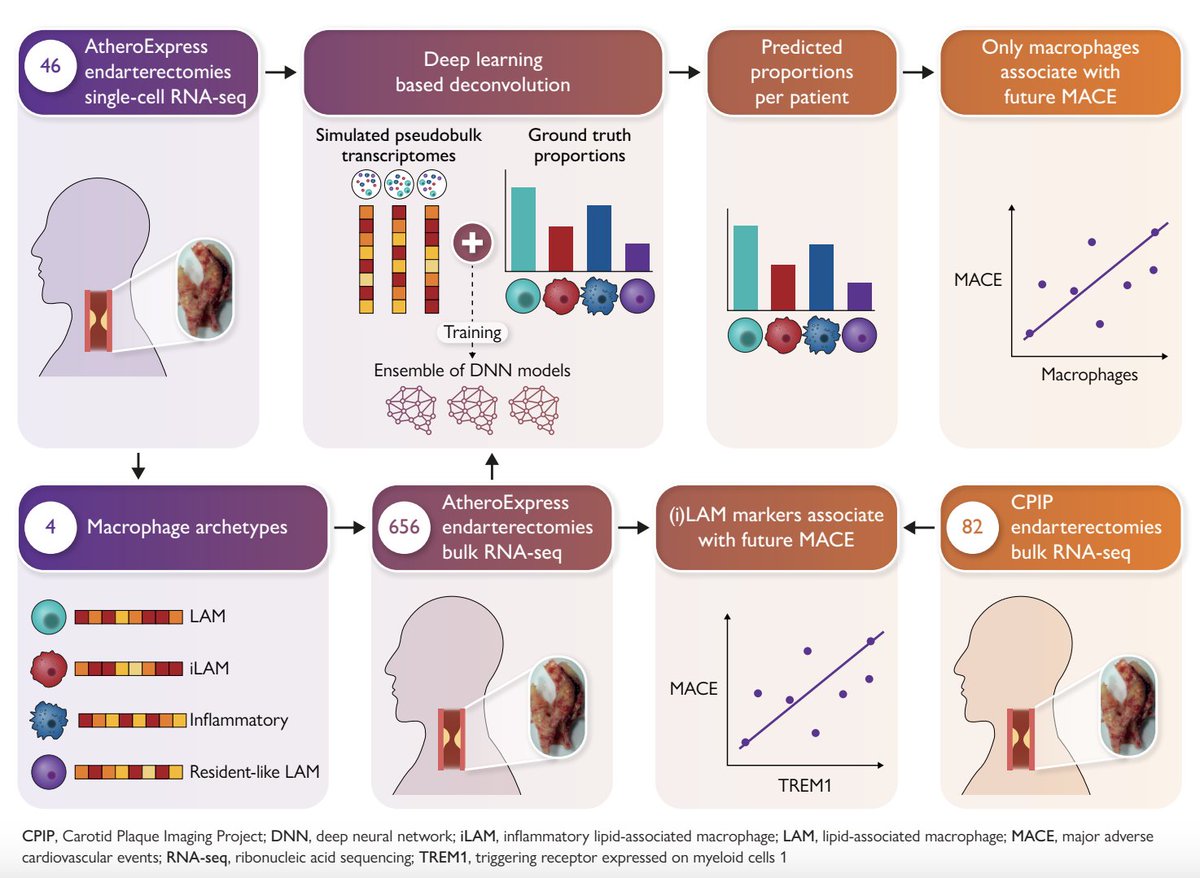
A new scRNAseq analysis in human atherosclerotic plaques. I think the largest to-date (n=46). The use of scRNAseq to deconvolute bulk RNAseq in 656 plaques and then link single-cell phenotypes to clinical outcomes is one of the first efforts of its kind in the field.
Marios Georgakis tweet media
English
1
15
87
8.6K
Mikhail Shugay retweetledi
ACIR
ACIR@ACIR_org·
⁉️ Are we there yet (on immunogenic peptide predictions)?- No bit.ly/4k2Kp09
ACIR tweet media
English
0
3
7
563
Mikhail Shugay
Mikhail Shugay@antigenomics·
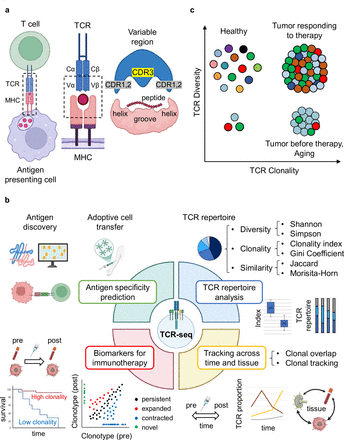
Comprehensive assessment of the possibility to build accurate predictors of pathogen exposure with T-cell receptor repertoires of 1000+ donors with known COVID19 status. Using both alpha and beta chains, HLA haplotypes, fixing batch effects and validating using two large independent cohorts link.springer.com/article/10.118…
English
0
1
5
591