Bilz

116 posts

Bilz banner
Bilz

Bilz

@bilz_27

Atmi Kurd from Gaziantep/Pazarcik - London 🇬🇧 @spursofficial fan Y-DNA : G-FT259411 Try QPADM for free https://t.co/IDuEtfQPh1

London, England Katılım Ekim 2015
28 Takip Edilen38 Takipçiler
Bilz retweetledi
𝙈𝘼𝘿𝘼𝙄 𝙇𝘼𝘽𝙎
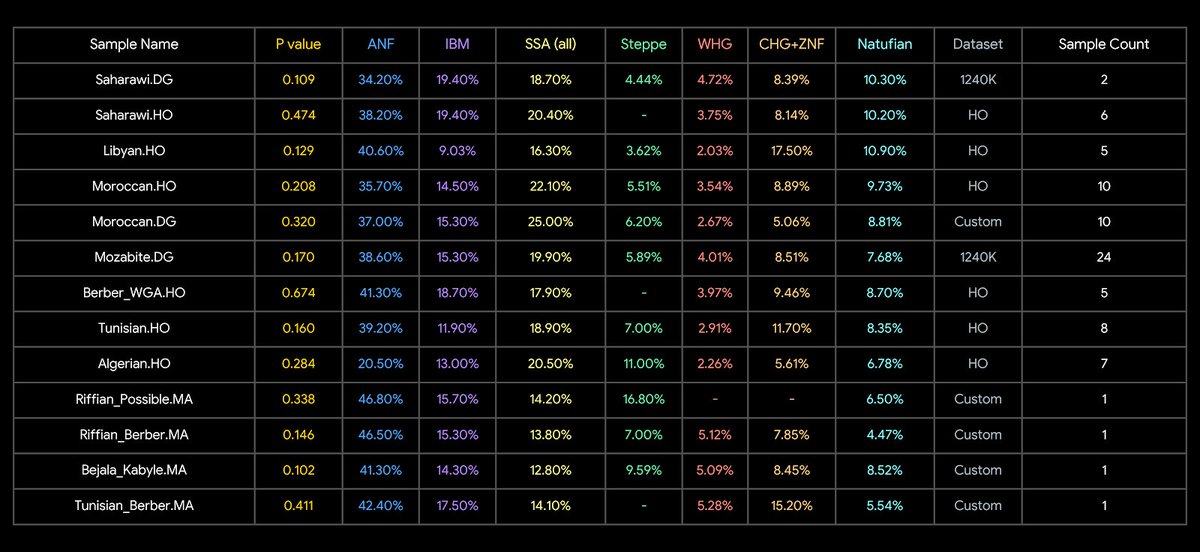
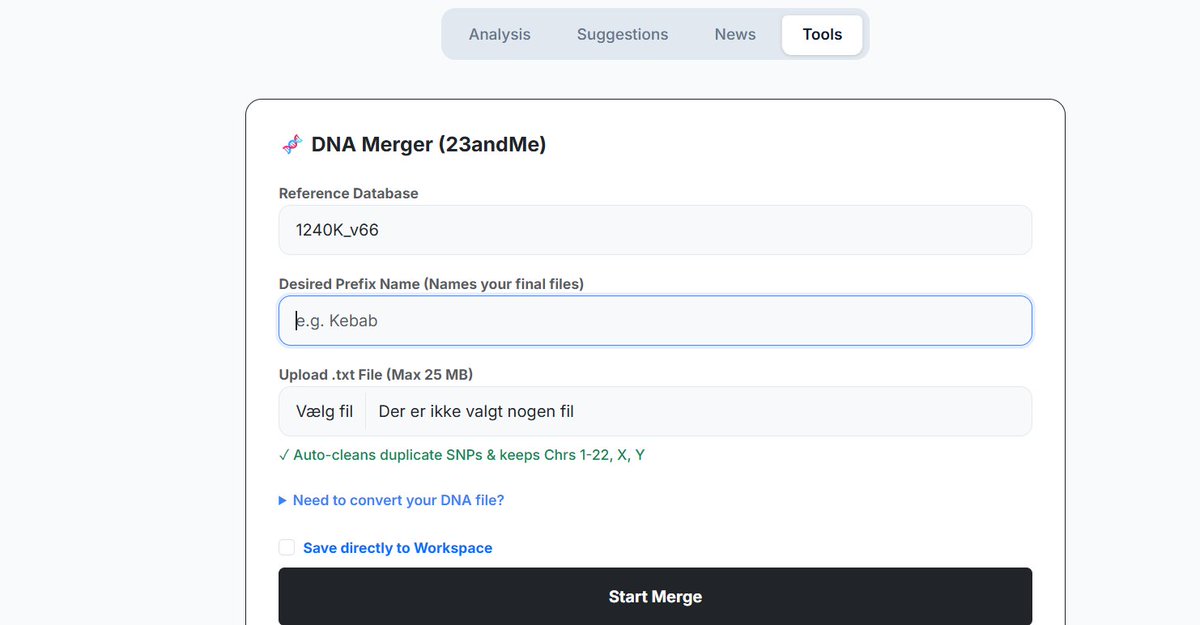
🚀 BIG UPDATE ON MADAI LABS 🧬 Today we’re releasing TWO major new features for the platform: ⚡ qpADM Merger You can now upload your own raw DNA kit and directly merge it into: • AADR V62 / V66 (2M SNPs) • Human Origins datasets Your merged kit becomes usable across: • qpAdm • qpWave • F-stats • DATES • qpAdm Rotator and more. This means you can finally model your own ancestry against ancient populations like published academic samples. 🔥 🧬 Superkit Upload Tested with multiple companies? You can now combine up to 4 raw DNA kits into ONE stronger kit for higher SNP coverage. Supported: • 23andMe • AncestryDNA • MyHeritage • LivingDNA • FTDNA Higher coverage = better: ✅ Y-DNA prediction ✅ G25 simulation ✅ qpAdm merging ✅ Ancient DNA comparisons Everything is integrated directly into the platform and remains FREE. 👉 Upload your kit and try it yourself: madailabs.de
𝙈𝘼𝘿𝘼𝙄 𝙇𝘼𝘽𝙎 tweet media𝙈𝘼𝘿𝘼𝙄 𝙇𝘼𝘽𝙎 tweet media
English
11
9
43
3.9K
Bilz retweetledi
Ari
Ari@KurdiCompendium·
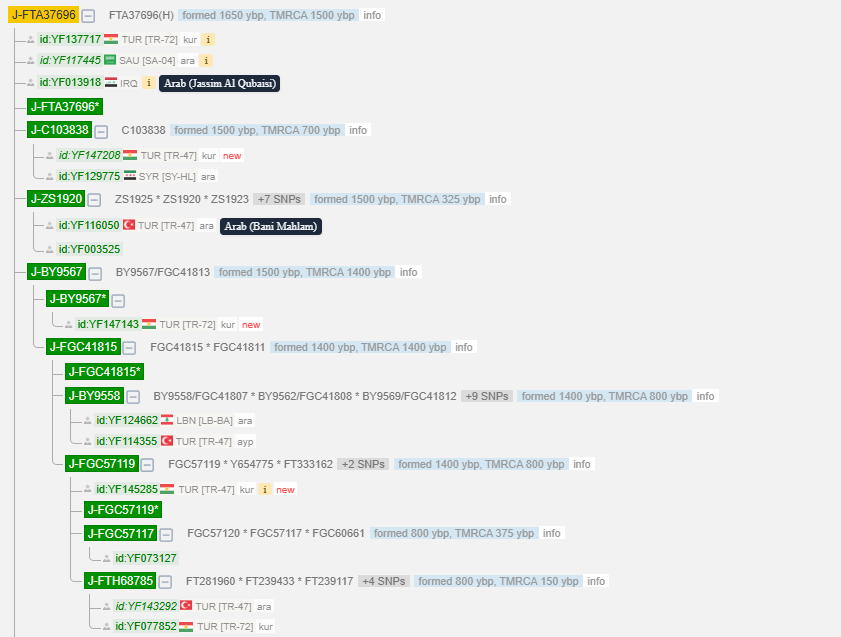
One of the great ironies surrounding the various grand bazaars becoming emblematic symbols of Kurdish cities is that their normalisation over the past several hundred years is itself a product of “Turco-Persianate” influence. The very word bazaar is a Persian loanword in Kurdish, even though Kurmanji already possessed an independent derivative root, bāzhār, meaning “city,” which itself came from an older Iranian root referring to trade spots and markets. Kurds, who were traditionally nomadic, associated the custom of markets with their urban subjects, typically seen as the domain of non-Kurds. In pre-Islamic times, there was extreme animosity toward mercantile behaviour, stemming from the pastoral economic self-sufficiency of ancient Iranian societies and reinforced by strict Zoroastrian legal and ethical codes concerning truth, oaths, and the six graded forms of contractual customs governing trade and agreements, both verbal and non-verbal. Any breach of contract could entail severe punishments not only for the individual, but potentially for all his Nabanazdishta (nine generations of next of kin), with hellish torments including limbs being cut off, impalement, and even being forced to drink sulfur-infused potions to atone for sins committed by the tongue, sometimes extending anywhere from 300 to 1,000 years. Most notably, the oldest example we have of ancient Iranians expressing disgust toward bazaars comes from none other than Cyrus the Great, who mocked the Greeks for permitting people to gather in the centres of their cities to barter in common marketplaces, i.e. bazaars, which he regarded as hotspots for Druj (lies and deceit), one of the gravest sins. Mercantile behaviour continued to be viewed with contempt even into the period of the Sasanian Empire, when such practices were associated with non-Iranian peoples, particularly Mesopotamians, and merchants were placed within the lowest social strata. This dehumanisation, in turn, contributed to the mercantile caste of Iranian society being disproportionately represented among the earliest converts to Islam during the formative phases of the Islamic era. Kurds, who maintained their pastoral and herding background even after converting to Islam, largely confined the peasantry engaged in settled life and mercantile activities, such as working in the bazaars, to the status of social outcasts within the broader Kurdish clan structure throughout Kurdistan. The pastoral tribal class heavily restricted their social mobility by removing many freedoms available to these groups. This commonly included denying them the right to participate in political affairs, the right to bear arms, and similar privileges. Greater respect and dignity were often shown to rival clansmen than to the peasantry of one’s own clan. Even when the peasantry was ethnically Kurdish, their Kurdish identity was frequently not regarded as equal to that of the tribal pastoral class.
Ari tweet media
English
4
9
41
4.2K
Bilz retweetledi
Ari
Ari@KurdiCompendium·
Are Kurds Iranian? Undoubtedly yes. For those struggling to comprehend that words can have more than one meaning, the term "Iranian" is indeed one such case where it carries various meanings. The term "Iranian" is not just a passport, nor was the term "Iran" coined in 1935. The term "Iranian" is among the oldest continuously used terms in human history. As relevant to Kurds, the term "Iranian" encompasses the linguistic, cultural, genetic, and civilisational roots and heritage tied to the Iranian plateau. That doesn't mean that now all Kurds have to join Iran as a political movement, or to endorse pan-Iranianism. You can be a Kurdish nationalist and be committed to truth no matter what the topic is about. This is a brand new phenomena that has arisen in the past several decades where some Kurds are coping about the most basic 1 + 1 level fact possible. This is despite the fact historical Kurds have repeatedly asserted their Iranian nature in multiple dimensions. Any Kurd who denies being Iranian is either stupid or ignorant, and usually both. This post is dedicated to the peanut brained copers on this platform who take issue with my posts, and like backtalking like little girls.
English
6
14
55
7.5K
Bilz retweetledi
devilscave
devilscave@devilscave24153·
Neolithic qpAdm models for a series of North African samples Pastebin with outputs, dataset, rights, etc pastebin.com/J2snqvZF
devilscave tweet media
English
1
4
20
1.1K
Bilz retweetledi
Ari
Ari@KurdiCompendium·
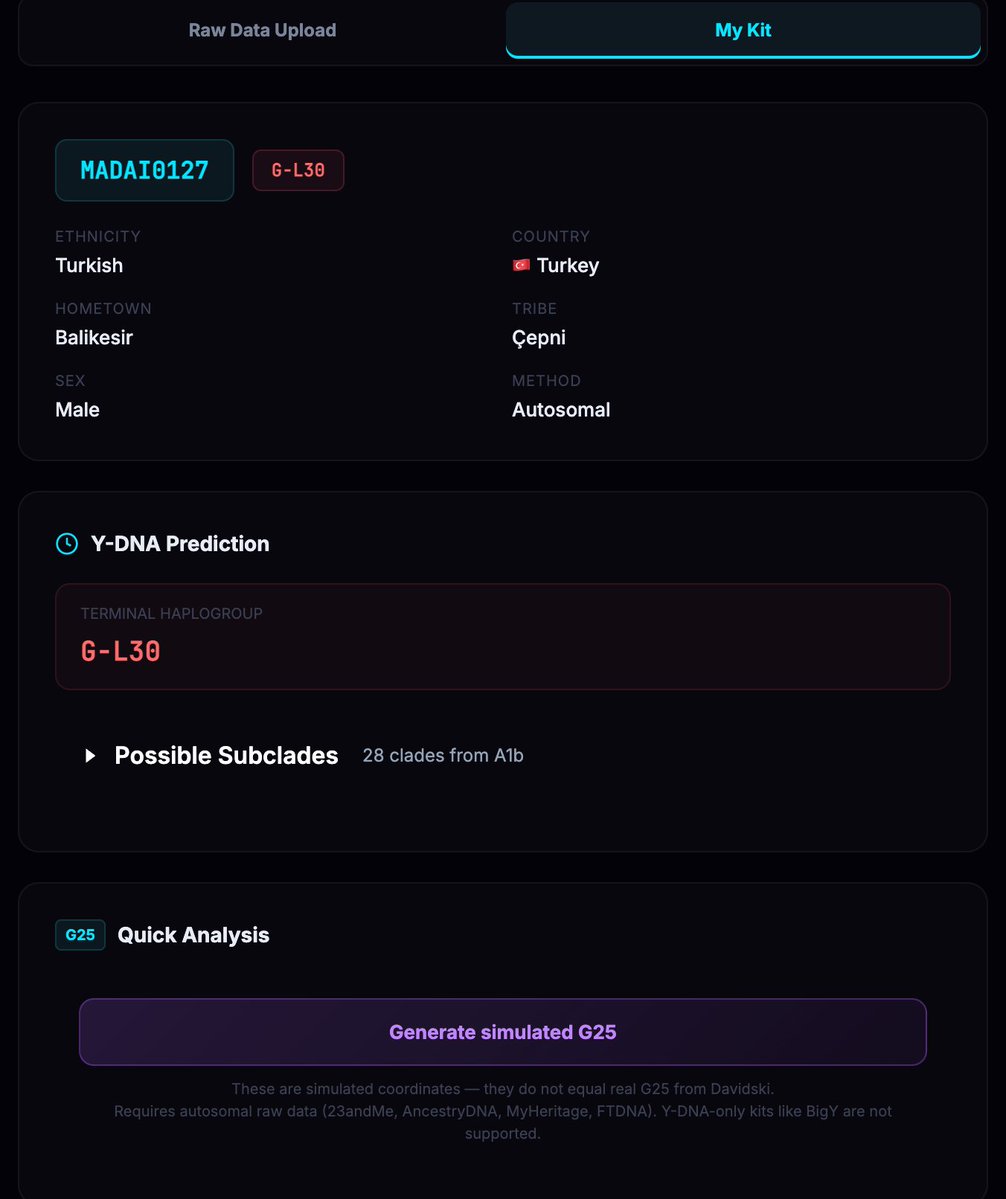
The largest genetically confirmed Bedouin Arab paternal Y-DNA lineage that exists among Kurds traces back to the Adnanite patriarch Rabi'a ibn Nizar J1-P58>Z2331>Z1884>FGC11>Y10887>FGC4453. More specifically, it is likely linked to the Banu Shayban tribal, itself a branch of Banu Bakr bin Wa'il (Banu Bakr), whose original heartland was centred in what is now Najd, Saudi Arabia. The first Rabi'ah groups to enter Northern Mesopotamia were the Taghlibi Arabs, who arrived following the Basus War in the 500s AD, making them roughly contemporary with the earliest Kurdish settlements in Mesopotamia. The legacy of Banu Bakr's descendants is still visible today: the modern Kurdish city of Diyarbakır takes its name from Diyar Bakr, meaning "The Abode of Bakr." Banu Shayban arrived later than their historic rivals and close cousins, the Taghlibis. They are perhaps best known for their role in the Islamic conquest of Sassanid Iran, most notably at the Battle of Dhi Qar, a conflict whom Kurds fought in the defence of Iran. Given their newly shared geography, tribal structures, and common faith, Kurds and Bedouin Arabs had historically alternated between shared confederation and rivalry. Periods of cooperation naturally created opportunities for assimilation in both directions. However, as Kurds rapidly consolidated their hold over Upper Mesopotamia in the post-Islamic era, the dominant vector of assimilation was into Kurdish society, though recorded accounts of the reverse also exist. No ancient genetic samples from Banu Shayban have yet been recovered, but we have samples from their close kin, the Taghlibis during their rule under the Hamdanid dynasty (890–1004 AD) in northern Mesopotamia and Syria. Despite their Bedouin paternal roots, the Hamdanids' autosomal DNA was heavily shaped by extensive intermarriage with Armenians, Kurds, and Syriacs, with Iranian/Kurdish ancestry accounting for approximately 30–50% of their genetic profile. This legacy persists today among the Baggara Arabs of Syria, who have retained a substantial proportion of Hamdanid lineage from their forebears.
Ari tweet media
English
3
5
51
9.7K
Bilz retweetledi
𝙈𝘼𝘿𝘼𝙄 𝙇𝘼𝘽𝙎
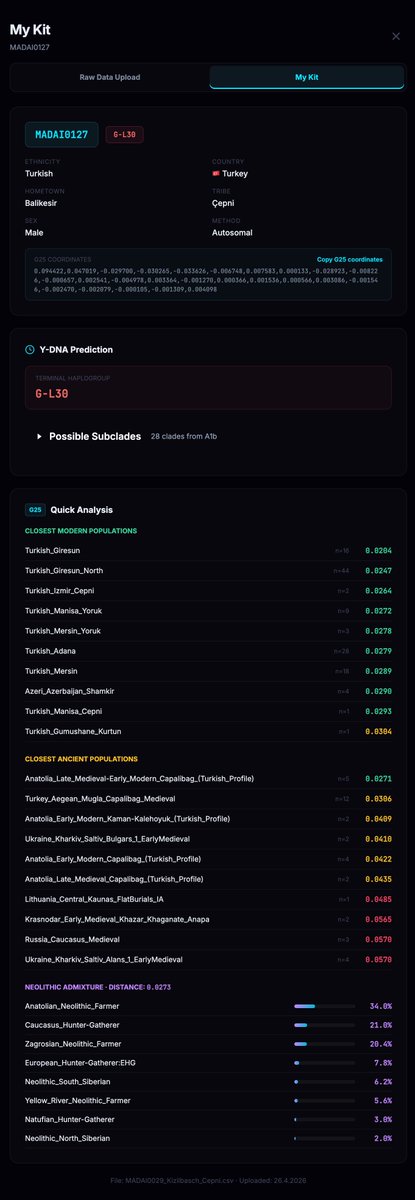
🚀 BIG UPDATE — Simulated G25 is now available on MADAI LABS 🧬 Don’t have real G25 coordinates? No problem — MADAI LABS now offers a FREE simulated G25 alternative after uploading your raw DNA data. Just open “My Kit” and generate simulated coordinates in ~1–3 minutes ⚡ 📊 Includes: • Simulated G25 coordinates • Automatic Y-DNA prediction • Closest modern & ancient populations • Neolithic ancestry breakdowns • Ready for admixture modeling ✅ Supported raw data: • 23andMe • MyHeritage • FTDNA • AncestryDNA ⚠️ These are simulated coordinates and are not identical to Davidski’s official G25 coordinates. If you want “real” G25 coordinates, you still need to purchase them from Davidski. 🔥 This makes population genetics and admixture modeling far more accessible for everyone. 👉 madailabs.de
𝙈𝘼𝘿𝘼𝙄 𝙇𝘼𝘽𝙎 tweet media𝙈𝘼𝘿𝘼𝙄 𝙇𝘼𝘽𝙎 tweet media𝙈𝘼𝘿𝘼𝙄 𝙇𝘼𝘽𝙎 tweet media
English
4
5
21
2K
Bilz retweetledi
Palestinian Kurds
Palestinian Kurds@PalestinianKurd·
My friend I don’t think positively of pan iranism or any similar ideology but abulfeda has disregarded this being associated with the label western Iranians isn’t limited to the nation state of Iran today. This however is of no means a call for uniting with Iranian nationals.
Palestinian Kurds tweet media
Shoresh Geshti@Geshti_Azadi

Also, interestingly: The Ayyubids, arguably the most famous medieval-era Kurdish family, never refer to themselves as Iranians Ever

English
4
3
17
1.2K
Bilz
Bilz@bilz_27·
RT @Iranic_Genomes: We at the Iranic Genomes Project are happy to report that the haplogroup of Baba Hindu Lorestani, teacher of Shah Khosh…
English
0
2
0
33
Bilz
Bilz@bilz_27·
@LRRTurinT @CordedKemite @nrken19 Yseq takes at minimum 8 month takes long just take a tellmegen and convert fastq to bam and you should be good to go
English
1
0
1
43
Bilz retweetledi
Nrken19
Nrken19@nrken19·
Cool website where you can merge your personal raw files into the new and old Harvard AADR dataset. qpadm.app
Nrken19 tweet media
English
2
8
89
7.1K
Bilz
Bilz@bilz_27·
@LRRTurinT @CordedKemite @nrken19 No but if you pay €25 to Yseq then you get a bam but if you want to do for free you can use WGSExtract but it will take 2 days since the files are about 90gb
English
1
0
1
62
Bilz
Bilz@bilz_27·
@LRRTurinT @CordedKemite @nrken19 with bam files it’s possible via using WGSExtract converting your bam to 23andme Format the limit is 25 MB tho so I don’t think it will work since BAM 23andme are usually 50MB but I can personally merge it for you if you want to.
English
1
0
1
96
Bilz
Bilz@bilz_27·
@CordedKemite @nrken19 Vcf won’t work since they don’t have enough alles for autosomal data. Who did you test with?
English
2
0
0
110
eylok
eylok@asteraex·
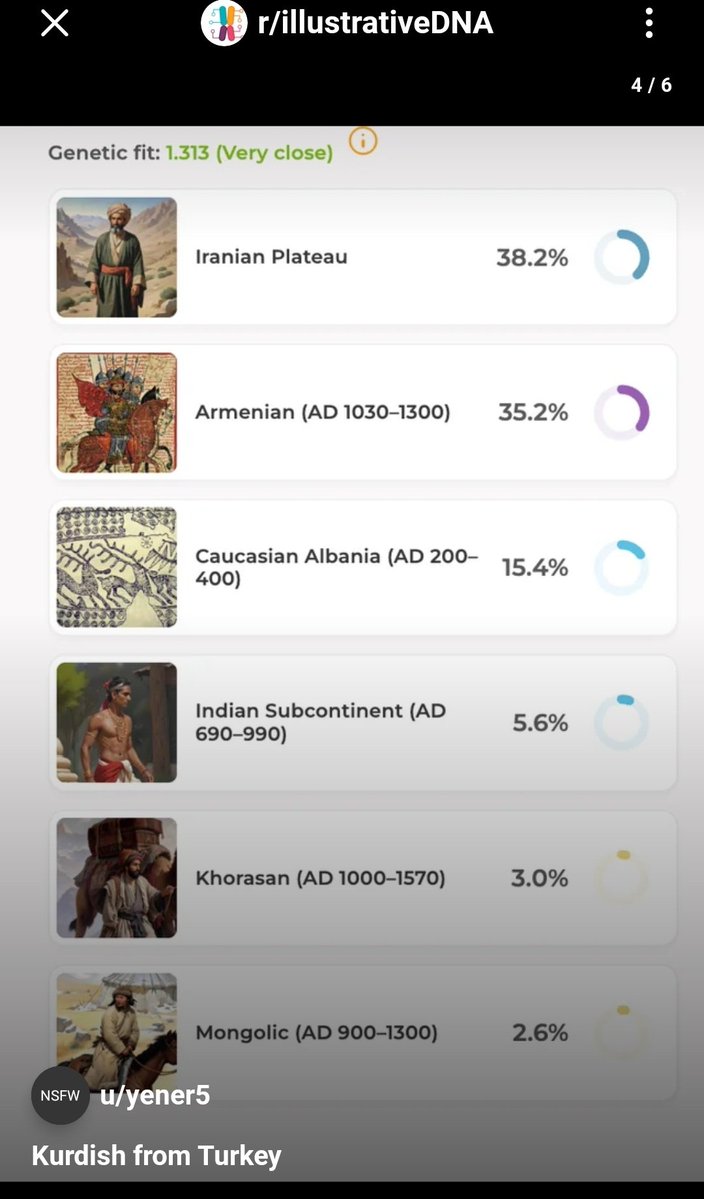
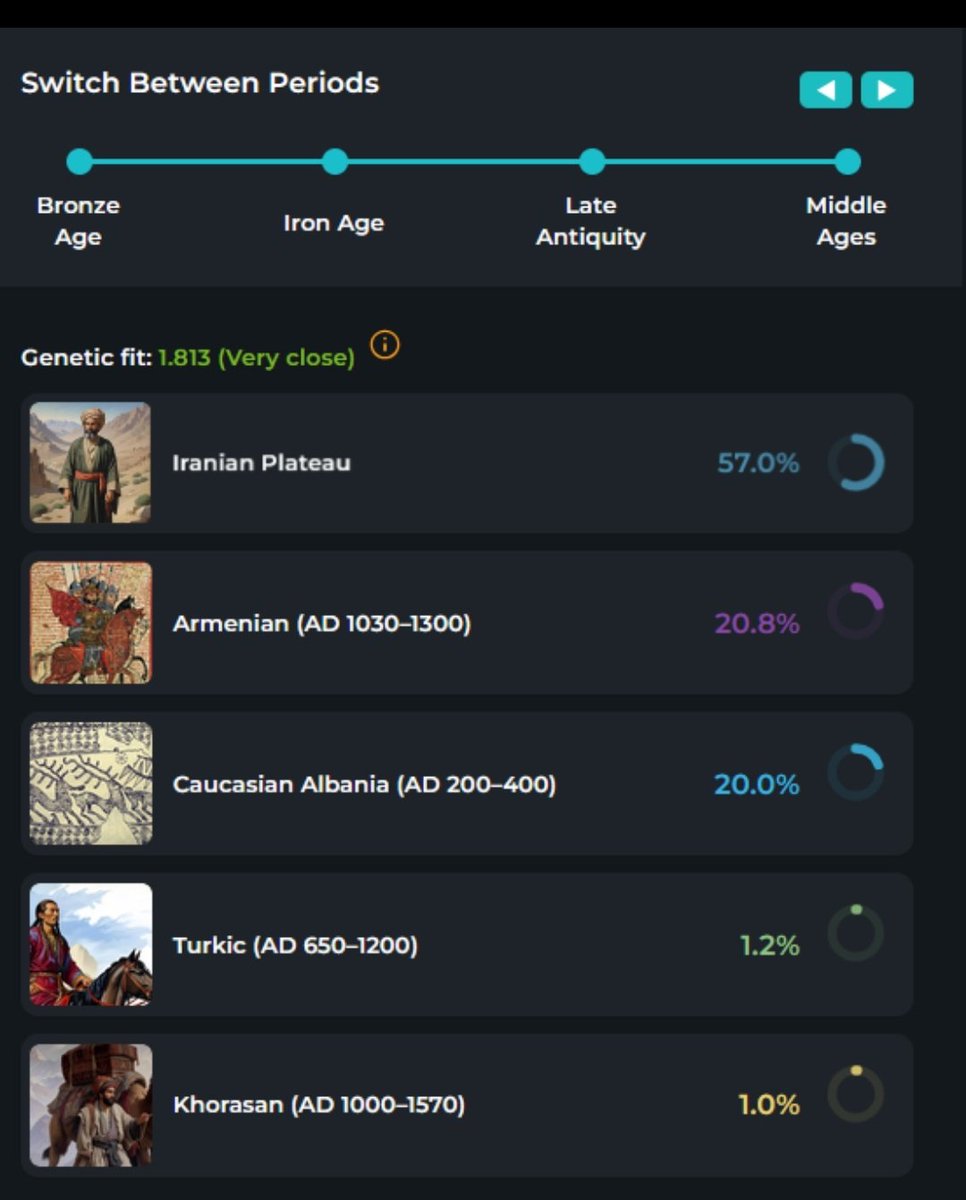
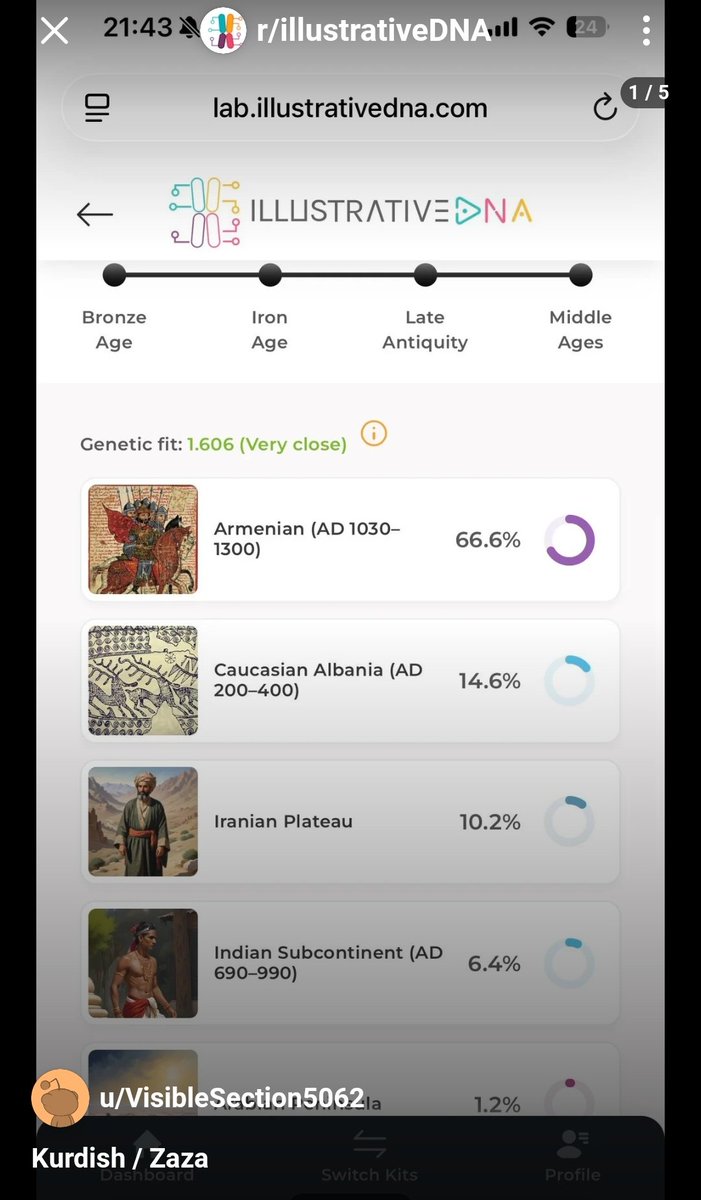
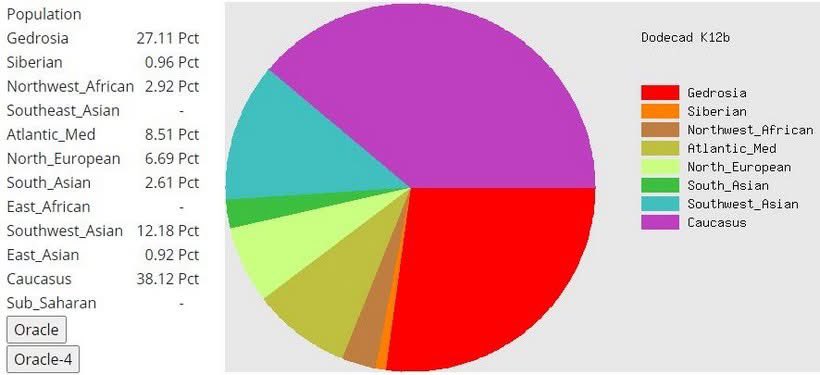
Buna benzer Sinemilli sonuçlari çok gördüm. Sinemilliler hem otosomal hem baba soyu olarak orijinal Alevi Kürt aşiretidir. Kökenlerinin Iran’in Kirmaşan şehrine dayanildiğina göre rivayetler var. Sinemilli ocağina ve aşiretine ismini veren Sultan Sinemil’in silsilesi Pir Ebu’l Vefa el Kürdi’ye dayaniyor. Bu da Elbistan’dan 27% Gedrosiali bir Sinemilli sonucu:
eylok tweet mediaeylok tweet media
Alevi Kurdish DNA Project@AleviKurdishDNA

🧬 Pazarcık'tan Alevi Kurmanç sonucu, aşireti Sinemilli.

Türkçe
6
7
72
8K