Bogdan

2.5K posts

Bogdan

Bogdan

@bohdyone

Software engineer. Sceptical but open-minded. Not satisfied until I know how it works!

Australia Katılım Mayıs 2010
310 Takip Edilen135 Takipçiler
Bogdan retweetledi
Peaceful Warrior
Peaceful Warrior@RanjYousif·
@alisaesage the real play here is that vibe coding floods the world with vuln-rich software, then Anthropic sells the antidote. create the disease, sell the cure. kinda genius tbh
English
6
2
61
11.9K
Ketofan1000
Ketofan1000@ketofan1000·
@bohdyone @bigfatsurprise @LuluAddict Thermodynamics applies everywhere, including human body. You cannot eat countless calories and not gain weight without burning all of them. As simple as that.
English
1
0
0
26
Nina Teicholz, PhD
Nina Teicholz, PhD@bigfatsurprise·
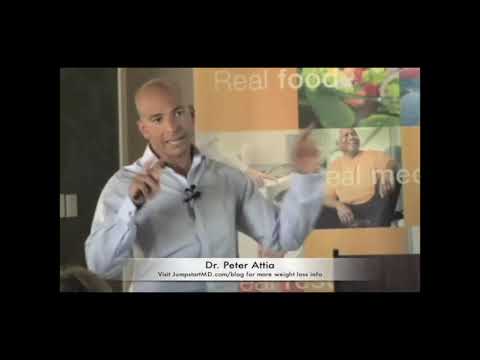
Peter Attia once promoted low-carb, yes. In fact, 15y ago, he faced his own stubborn weight problem despite swimming 3-4 hours/day—a huge amount of exercise. Then he gave up sugars, starches, and finally went full keto. A high-fat diet, He lowered his protein. His calories increased by more than 1000/day (!). Says he lost 40 lbs fat, went from a body fat of 20% to “close to what it was in high school,” which he says was 4%. He recounts this in a talk he gave in 2011: youtube.com/watch?v=lVm7iD… Yet years later, in his book, he says, “Calories Matter” and doesn't single out carbs as a particular problem. It’s a reversal that allowed him to stay inside the orthodoxy. But it does not reflect his experience, or at least part of his experience. Gary Taubes wrote this up, coincidentally, in late Dec substack.com/home/post/p-18…
YouTube video
YouTube
English
150
101
939
209.4K
Bogdan retweetledi
Y☦︎P
Y☦︎P@YoungPenitent·
I have been able to cut my medication for schizophrenia almost in half by eating a ketogenic diet, and I fully expect to be able to reduce it even further. This is cutting edge medicine.
English
11
6
78
4K
Ketofan1000
Ketofan1000@ketofan1000·
@bigfatsurprise @LuluAddict Do you want me to invite a physicist to explain thermodynamics to us? Claims of photos taken by humans are rather poor method to falsify physics.
English
1
0
1
98
A.H Nielsen
A.H Nielsen@Assbear100·
@bigfatsurprise @LuluAddict Unless you increase your energy expenditure even more, increasing your energy intake literally can't result in weigt loss. It's been shown in metabolic ward studies that low-carb vs high-carb produces the same amount of weight loss/gain if calories are equal.
English
1
0
0
152
Bogdan
Bogdan@bohdyone·
@tednaiman So what you're saying is.. I can just slam protein shakes And magically lose weight
English
0
0
0
74
Ted ⚡️ Naiman
Ted ⚡️ Naiman@tednaiman·
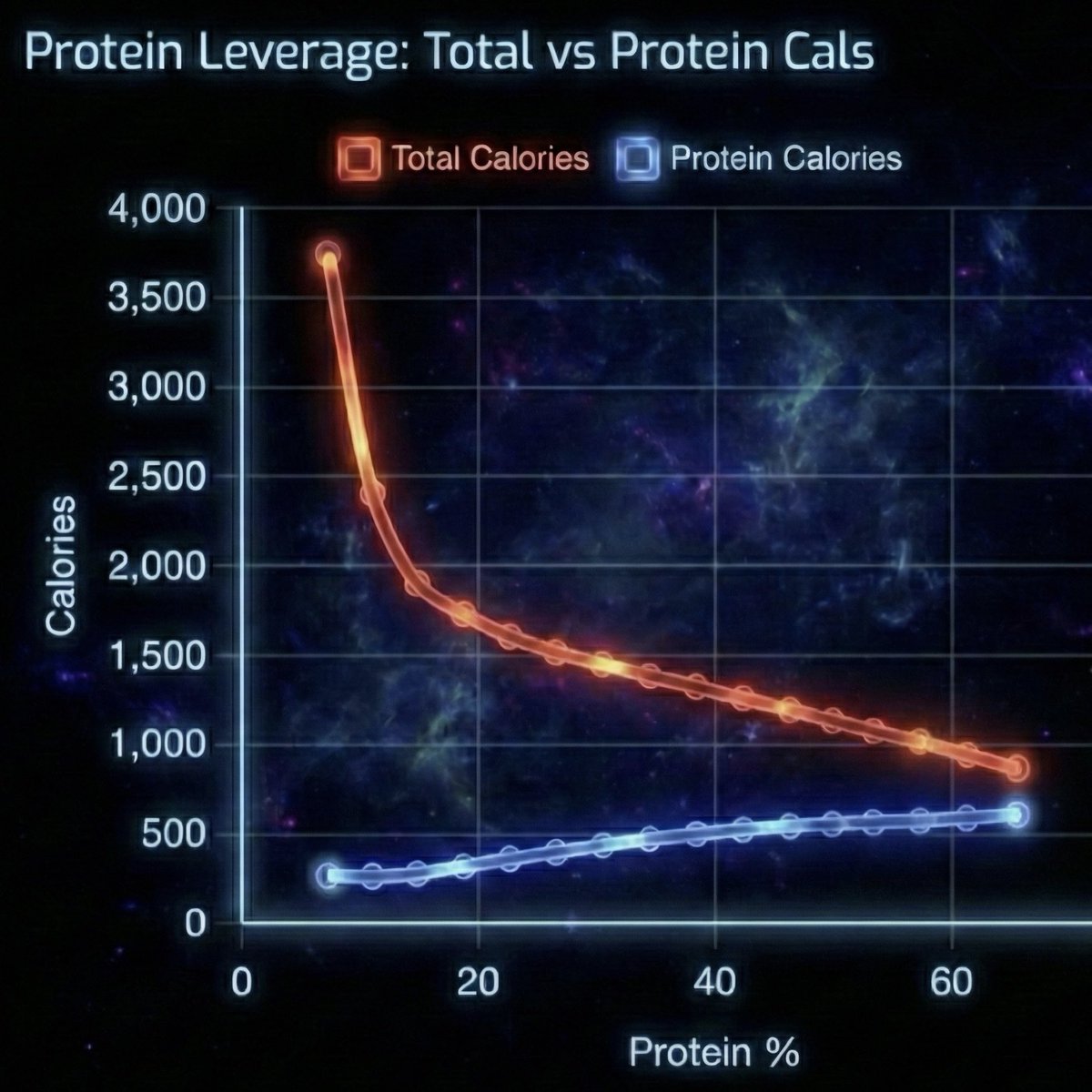
✨📈📉✨ Latest data download of >250,000 person-days of Hava data showing absurdly powerful protein leverage — as predicted! Protein percent of calories is the single most important factor, by a mile. 🔥👊🏼🔥
Ted ⚡️ Naiman tweet media
English
4
10
56
8.4K
Bogdan
Bogdan@bohdyone·
@BioavailableNd One thing i wonder about is why some of those bits are so gross and spew inducing for many people. Have we lost the taste for it, or were there better ways to prepare it in the past?
English
0
0
0
27
Andra
Andra@BioavailableNd·
Only ~15% of a cow can realistically be grilled like a steak. To believe we evolved eating this way is truly incorrect. A true nose-to-tail approach leaded human history, and it largely involved stewing, simmering, and cooking meat in water, using all parts of the animal: tough cuts, connective tissue, organs, skin, bones. Unpopular opinion: The fact that we can now select to buy only rib eyes and sirloins is selective wastage, made only possible by the same industries that we blame to poison our food. A nose to tail approach is the most ethical and ecological way of eating an animal.
Colonization Respectr@StoneageF1

@BioavailableNd Nah, it’s evolutionary. Bad for animals, but they didn’t evolve to eat grilled meat, as we did.

English
167
110
2K
191.9K
Ryan
Ryan@reallyoptimized·
Mine as well. But some of us experiment a lot and the results may surprise you a bit. Like @markeatsmeat carb experiments. I personally cycle carbs and find it works great despite ketosis being ideal - I'm still in ketosis the next day after a few carbs for dinner and feel very good.
English
2
0
4
138
Ryan
Ryan@reallyoptimized·
Carbs cause overeating. Dr Baker experienced this first hand. If you want to control hunger, cut the carbs. (No reason to go full carnivore). That said, cycling carbs 1 or 2 meals a week with potato or rice can also work very well and keeps you flexible so you don't crash over an apple...
Ryan tweet media
English
16
0
19
6.8K
Bogdan
Bogdan@bohdyone·
@Alexleaf This seems somewhat obvious from first principles. The "whoops genetic mutation now cancer" model has never been very good at explaining why it happens within the complex system of the human body, which immune cells, apoptosis mechanisms, etc.
English
0
0
1
47
Alex Leaf
Alex Leaf@Alexleaf·
There's a lot of background here that I'm not going to talk about, but I did want to share something fascinating. We evolved with constant exposure to benign microbes all throughout the environment: air, soil, food, water, etc. These "old friends" have a central role in helping our immune system develop properly, and part of that job is cancer cell surveillance and elimination. FIRST, UNDERSTAND THIS... Dr. Sam Palmer and colleagues proposed that cancer incidence doesn’t rise with age simply because mutations accumulate, but because the immune system slowly loses its ability to keep abnormal cells in check (PMID: 29432166) As long as immune capacity stays above that threshold, abnormal cells are eliminated. But once immune reserve falls below it, cancer can emerge. When Palmer tested this model across 101 cancer types, it fit real-world cancer incidence curves with remarkable accuracy — a median R-squared of 0.956. R-squared is simply a measure of how well a model explains what actually happens in the real world. An R-squared of 1.0 would mean a perfect match where the model explains everything and an R-squared of 0.0 would mean it explains nothing. So a value of 0.956 means this model explains about 96% of the observed rise in cancer incidence with age. That’s extraordinary. In most biological systems, especially something as complex as cancer, models rarely come close to that level of explanatory power. Yet this simple framework, based primarily on immune decline rather than mutation accumulation, tracked real cancer patterns across dozens of cancer types well into old age. In other words, for many cancers, loss of immune capacity may be the dominant driver of risk with aging, not just the slow buildup of DNA damage or carcinogen exposure. HERE'S WHERE OLD FRIENDS COME INTO PLAY In mice genetically predisposed to breast cancer, simply adding the probiotic Lactobacillus reuteri to drinking water dramatically reduced tumor development even on a Westernized diet (PMID: 24382758). I added an image from the study. Start in the top left panel. This is a survivorship curve. The solid line represents mice that received no microbial intervention. The dotted line represents mice that simply had Lactobacillus reuteri added to their drinking water. Nothing else changed. You can see that the untreated mice start dying off earlier, while the L. reuteri–treated mice live significantly longer. That alone tells us something fundamental is different about how their bodies are handling disease. Now look at the top right panel. This shows how many mice reached a critical tumor size — two centimeters — at different ages. In the untreated group, nearly all of the mice developed large tumors as they aged. But in the mice given L. reuteri, far fewer ever reached that threshold. Tumor growth was delayed, and in many cases prevented entirely. So already we see two things: (1) longer lifespan and (2) fewer and slower-growing tumors. Now drop your eyes to the bottom left panel, which shows average tumor volume at euthanasia. Mice that received immune cells from untreated donors had large tumors. But mice that received immune cells from L. reuteri–treated donors had dramatically smaller tumors. And this is the key insight. The protection didn’t come from the bacteria directly killing cancer cells. It came from immune cells that had been trained by microbial exposure. That becomes even clearer in the bottom right panel, which shows tumor multiplicity (how many tumors formed). Mice that received CD25-positive immune cells from L. reuteri–treated donors developed far fewer tumors, even though they themselves were never given the probiotic. In other words, the anti-cancer protection was transferable. The bacteria trained the immune system. The immune system carried the protection. This tells us something profound. Exposure to "old friends" microbes reprograms immune regulation at a deep level, increasing the immune system’s ability to suppress cancer even in genetically high-risk animals eating a Westernized diet. A trained immune system doesn’t just fight infections better. It protects you from cancer long before cancer ever has a chance to grow. And cancer is just one of many pillars that old friends' microbial exposures influence. Something to chew on.
Alex Leaf tweet media
English
5
2
27
3.2K
Bogdan
Bogdan@bohdyone·
@Chatterbox4710 @exfatloss I think with Japan there are other "moderating factors", as in many other healthy habits and nutritious food which blunt the effect of seed oil consumption.
English
0
0
0
16
XPhile
XPhile@Chatterbox4710·
@exfatloss Having lived in England and Japan, I find the data very hard to credit. The Japanese certainly eat a lot of oily food and it is always with so called seed oils. Butter and olive oil are almost luxury foods at this point. Margarine is in every bready product too.
English
5
0
9
676
exfatloss🥛
exfatloss🥛@exfatloss·
Fact check: most Asians consume WAY less seed oils than Americans. These weird anecdotes about "muh Asians drink seed oils" are plainly contradicted by all available data. And the ones that do are rapidly getting unhealthy, just look at the obesity & diabetes trends in various Asian countries.
Lauren Chen@TheLaurenChen

I banished seed oils from my house almost 4 years ago But now I'm in Asia and they practically drink the stuff, yet everyone is skinny and has great skin and lives to 100 I don't really know what to think anymore

English
20
10
296
15K
Bogdan
Bogdan@bohdyone·
@alexleaf Generally agree with this post. Nice work appreciating the forest beyond the trees 👍
English
0
0
2
63
Alex Leaf
Alex Leaf@Alexleaf·
This is a great example of why distinguishing between proximal and ultimate causes is important. “Excess calories cause obesity” is true. A chronic energy surplus is the proximal cause of fat gain and, over time, obesity. It’s the final common pathway through which everything else converges. But telling people to intervene directly on that cause has largely failed. This is the classic “eat less, move more” advice. The advice itself is trivially true and does produce predictable changes in body fat under highly controlled conditions, like metabolic ward studies or bodybuilding prep, where structure, incentives, and willpower are pushed to unnatural extremes. For most people living normal lives, though, it’s not actionable. The more useful question is why a chronic energy surplus developed in the first place. That’s where ultimate causes come in, like lifestyle habits, food quality, eating patterns, stress, sleep, environmental constraints, beliefs, and individual biology. These factors are far more actionable for most people, but they’re also highly individual. What worked for one may not work for another. In any case, the real goal isn’t to fight biology harder, but to shape conditions so that energy balance takes care of itself, without constant hunger, fatigue, or feelings of restraint.
Raphael Sirtoli@raphaels7

"Excess calories cause obesity" is as useful as a financial advisor saying "to get rich, earn more than you spend" How this passes as science is bewildering

English
18
2
37
13.5K
Don Junk
Don Junk@realDonJunk·
@KingManninen @alexleaf Nuclear reactions? Lol! The caloric content of your food has nothing to do with mass energy. It's about *chemical* reactions and the energy of chemical bonds.
Middletown, PA 🇺🇸 English
1
0
2
25
Bogdan
Bogdan@bohdyone·
@ScottAppliedSci Yeah it's a bit of an vague one, but as part of diet changes and resistance training, I believe I got access to my fat stores again and changed from someone who fattens easily to one that doesn't. Now it's quite easy to maintain a healthy weight.
English
1
0
1
24
Andrew Scott
Andrew Scott@ScottAppliedSci·
@bohdyone You’ll get no argument from me on that one. I’ve known far too many people who dropped weight effortlessly when they made a diet switch. But what do you mean by point 2, fixing your metabolism?
English
1
0
2
31
Andrew Scott
Andrew Scott@ScottAppliedSci·
In this brilliant post, Mike confronts a reality most people want to run away from: you need to eat less to shed fat. So many Magic Diets ™ exist to take your money in return for pretending it ain’t so. But it is. Click and read it. It’s the authentic voice of experience.
Mike Lifts@mikeoniron

You might just have to eat less. This was a realisation for me. All things considered, less food would nudge me along to a lean physique. - healthier - stronger - faster - generally more useful Getting the fat off is the biggest health lever. I needed to make a decision. - overweight, unhealthy OR - lean, healthy A big part of that was accepting I eat too much. And this is not about macros or calories. It’s about, what does my body actually need? Getting perspective. - what’s a reasonable amount of food? My expectations - a lot Reality - a lot less I started to get my food portions and choices to reflect who I wanted to be. - whole foods - good whack of protein - cLeAn carbs - lowish fat I also accepted, I’m not him. What he does works for him. I can learn, emulate, adjust. In our food environment, eating is a skill. A very personal one. Everything is against you: - large portions - ultra processed food - convenience - advertising - mis-Information It’s a lot to navigate. What I have learned is the application of the skill gets easier over time. With my adjusted expectations and practice I’m now consuming a reasonable amount of food. Sometimes it’s easy. Other times it’s tough. But on balance, I feel a sense of calm. The body and mind adjust. Where I once struggled, I’m thriving. It started with a choice and a reality check.

English
3
0
10
1.9K
Bogdan
Bogdan@bohdyone·
@alexleaf @arteesun Pardon my ignorance then, but how do you define and measure "energy balance" independent of weight?
English
1
0
1
18
Alex Leaf
Alex Leaf@Alexleaf·
Because energy balance is so closely linked with changes in body mass, I think treating them as equals tends to work in the real world. However, they are still separate entities, which is apparent in metabolic ward studies where energy balance can be largely accounted for independent of body weight.
English
1
0
0
14
Alex Leaf
Alex Leaf@Alexleaf·
I do appreciate Nick being very direct with what he believes. That makes his claims easy to addressed without ambiguity. Saying that “calories don’t cause obesity” and that “calorie balance is just a post-hoc description” is fundamentally wrong. Period. Energy imbalance is the proximal cause of obesity. Always. That’s not up for debate; it’s built into the laws of physics. The biology behind appetite, metabolism, hormones, and behavior can absolutely be complex, but all of that complexity funnels into one outcome: whether more energy enters the system than leaves it. When that happens, the excess is stored. That’s the mechanism of weight gain. Biology influences why energy balance shifts, but energy balance determines what happens when it does. Those aren’t competing explanations. They’re nested. Calling energy balance “post-hoc” just doesn’t hold up. We can intervene directly on energy intake or expenditure and produce predictable, measurable changes in body weight. That’s de facto causality. Changes in energy balance precede changes in body mass, not the other way around. So no, calories aren’t “biology,” but they absolutely describe the physical process through which biology exerts its effects. Dismissing that isn’t being nuanced, it’s just wrong.
Alex Leaf tweet media
English
30
4
107
13K
Bogdan
Bogdan@bohdyone·
@alexleaf @arteesun "energy balance" is still defined by weight loss/gain Changes in intake or expenditure may or may not produce weight loss / gain. When they do, we say it "tipped the energy balance" Genuinely curious if you disagree with any statement here.
English
1
1
0
41
Alex Leaf
Alex Leaf@Alexleaf·
@bohdyone @arteesun No, tautologies are saying the same thing twice in different words. Changes in energy balance precede and cause weight changes. They are so closely linked that they seem tautological, but that simply exemplifies how central energy balance is to changing body mass.
English
2
0
2
113
Bogdan
Bogdan@bohdyone·
In this thread Vegans get schooled by AI Of course it will be water off a duck's back, so to speak.
English
0
0
1
25
Bogdan
Bogdan@bohdyone·
@arteesun @alexleaf The definition of positive or negative energy balance is entirely based on the weight loss or gain. Some people notice that this is tautological..
English
2
0
1
123
Arteesun
Arteesun@arteesun·
Here’s an example. You could keep calories in the same, but change what you eat and it influences calories out causing positive or negative energy balance. I don’t think that’s debatable. Energy balance is being argued to be post hoc redundancy here because we can’t really control the systems in our body that determine how those calories are used (for fuel or storage).
English
2
0
2
215