By The Book. Worms.

490 posts

By The Book. Worms.

By The Book. Worms.

@by_worms

Doomer, but make it snappy. Creative. Not unjust.

Katılım Mart 2022
130 Takip Edilen17 Takipçiler
Joe Hudson
Joe Hudson@FU_joehudson·
It took me decades to really grok this in my bones: If there are aspects of ourselves we cannot own, we project those aspects onto other people. The clearest way to notice this is when we are triggered, judgmental, or annoyed at other people.
Joe Hudson tweet media
English
13
135
1.8K
43.4K
By The Book. Worms.
By The Book. Worms.@by_worms·
@BartDePalma @adamscochran But we're selling our oil to the countries who usually get theirs from the region. Oil is a globally traded commodity, it goes to the highest bidder. It will continue to leave our country without government intervention
English
2
0
6
201
Bart DePalma
Bart DePalma@BartDePalma·
@adamscochran You can count the number of tankers sailing from the Gulf to the US on one hand with fingers left over. Almost none of our oil comes from the region.
English
2
1
3
1.3K
DoubtedAndDenied
DoubtedAndDenied@DoubtedAnDenied·
@astr0l0gyjunk If nothing matters then why should it matter that terrible people are rewarded and hard work doesnt pay off?
English
1
0
6
523
🦋
🦋@astr0l0gyjunk·
How does everyone continue to be happy and go on when the past 5+ years has shown as that hard work does NOT pay off, being a terrible person is rewarded, & literally nothing matters ??
English
307
762
6K
98.3K
By The Book. Worms.
By The Book. Worms.@by_worms·
@Troutski__ Yeah this is a really annoying take from him. There's actual academic work on this, and the main contributing factor to a declining birth rate is women's education. Does he want to complain about how that makes us less than fully human too?
English
0
0
0
1.7K
Troutski 🐟 ☭ 🇵🇸
I have a degree from Cal and couldn't afford my own 100yr old studio apt in Oakland until I was 32. My parents didn't graduate college and bought their first home at 25 off my dad's retail assistant manager salary. Was it because I have a cell phone and they didn't?
60 Minutes@60Minutes

“We've stopped making babies. We've decided that being distracted by a dopamine hit around Candy Crush might be a good way to spend your time. Not if you're a full human," former Sen. Ben Sasse says in an extended interview. cbsn.ws/4cA1Jrp

English
365
3.8K
41.1K
1M
By The Book. Worms.
By The Book. Worms.@by_worms·
@lorahmoe These airplane seat wars are the dumbest shit ever. You're both right - kids should sit with their families AND YET airlines assign seats if you're poor or can't plan ahead and those are valid reasons to ask strangers for kindness. Everyone should be kinder to each other.
English
5
0
1
3.8K
lorah
lorah@lorahmoe·
I once watched a woman try to rearrange half a plane like it was musical chairs. She’s standing in the aisle, pointing at people: “You switch with her, and then you move there, and then my husband can sit here” Mind you, not a single person had agreed yet. One guy goes, “Are you offering better seats or…?” She goes, “No, but we’re a family.” And he just goes, “So are we. We planned ahead.” The silence after that? Delicious.
English
50
834
29.3K
485.5K
ChuckDriver
ChuckDriver@ChuckDriver·
@jarvis_best I don't know, but he appears to be from the same planet as Marc Andreessen.
ChuckDriver tweet mediaChuckDriver tweet media
English
4
0
60
7K
Jarvis
Jarvis@jarvis_best·
Who is this hero?
Jarvis tweet media
English
469
561
8K
439.6K
By The Book. Worms.
By The Book. Worms.@by_worms·
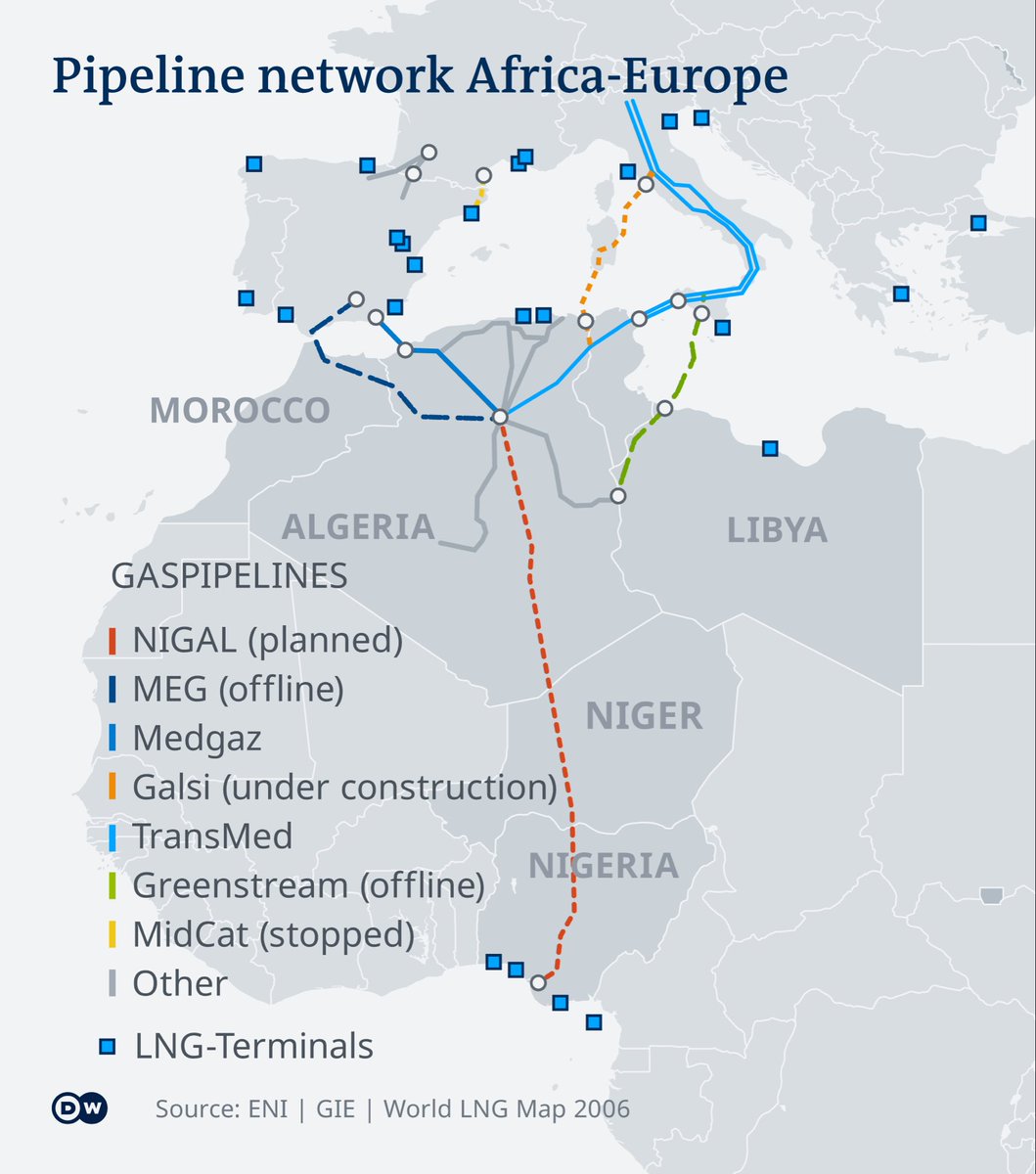
@EnergyPulseHQ Wow that NIGAL plan looks wildly optimistic. It's not like that area is super-secure and certified free from insurgent groups
English
0
0
0
10
Correcting the Record with Guillotines ☭
I had a pretty vivid dream the other day (day before we heard about trump wanting to launch nukes) that was typical dream bullshit with my family in it & then we saw a nuclear blast out the window so I told my fam to look away & shielded them. It was pretty terrifying. It isn’t even anything I’d been thinking about or considering possible. I don’t talk about my dreams usually, but current events got me kinda worried.
English
1
0
6
585
Power to the People ☭🕊
Power to the People ☭🕊@ProudSocialist·
BREAKING: Andrew Hugg who is a top US nuclear chief was just escorted out of the Pentagon. What is going on?! We live in the most chaotic timeline possible and are ruled by absolute psychopaths. I don’t know how anyone can trust a single person in our government on either side.
English
88
736
4K
97.3K
erin proctor
erin proctor@postproctorism·
nyc oomfs: any recommendations on places to wander when you’re really sad? I need to step my depression walk game up.
English
269
41
1.6K
171.2K
ambient insight
ambient insight@reactiveoptions·
@TheBillyProcida Because of this legal obligation the management team has called "fiduciary responsibility". When you are on the management team of a company owned by investors you can't just fuck off and do whatever you want. Well you can, but it will land your ass in jail or with a lawsuit.
English
4
0
21
3.3K
angery
angery@angerrrrry·
@dieworkwear Well said, AI bots have taken over this platform in ways that has completely ruined the user experience. They aren't just a nuisance, they are a tragedy.
English
5
2
743
33.9K
derek guy
derek guy@dieworkwear·
Tweet: "fuck this brownie is so good rn" Ten immediate replies: "Well said. Brownies combine eggs, granulated sugar, and cocoa powder in a way that quietly elevates the culture. They're not just a snack, they're a vibe."
English
507
6.6K
151.3K
3M
By The Book. Worms.
By The Book. Worms.@by_worms·
@hannahbsampson I have gone to LaGuardia when my flight was from Newark and, on a separate occasion years later, to Newark when my flight was from JFK. The first time I took a cab and it was fine. The second time it was rush hour and I took 4 trains and RAN and made it 🙃
English
1
0
5
2.2K
Hannah Sampson
Hannah Sampson@hannahbsampson·
I’ve written about this, but never seen it happen until today: TSA told people in the next lane that they were at DCA and needed to be at Dulles.
English
45
56
4.7K
285.6K
Shein | AI
Shein | AI@Shein_134·
This is written like a dramatic “systems collapse” thread — but most of its core claims are either unverified, exaggerated, or internally inconsistent. It’s important to separate real fertilizer risks from viral narrative framing. 🚨 First: The biggest red flags 1) Strait of Hormuz “fertilizer blockade” There is no credible confirmation that Islamic Revolutionary Guard Corps has blocked fertilizer shipments while selectively allowing oil tankers The Strait of Hormuz is one of the world’s busiest shipping lanes — a full selective shutdown like this would: Spike global freight + insurance instantly Be confirmed by shipping trackers, insurers, and governments within hours 👉 Right now, no such verified disruption of that scale exists.
English
2
0
11
1.9K
Shanaka Anslem Perera ⚡
Shanaka Anslem Perera ⚡@shanaka86·
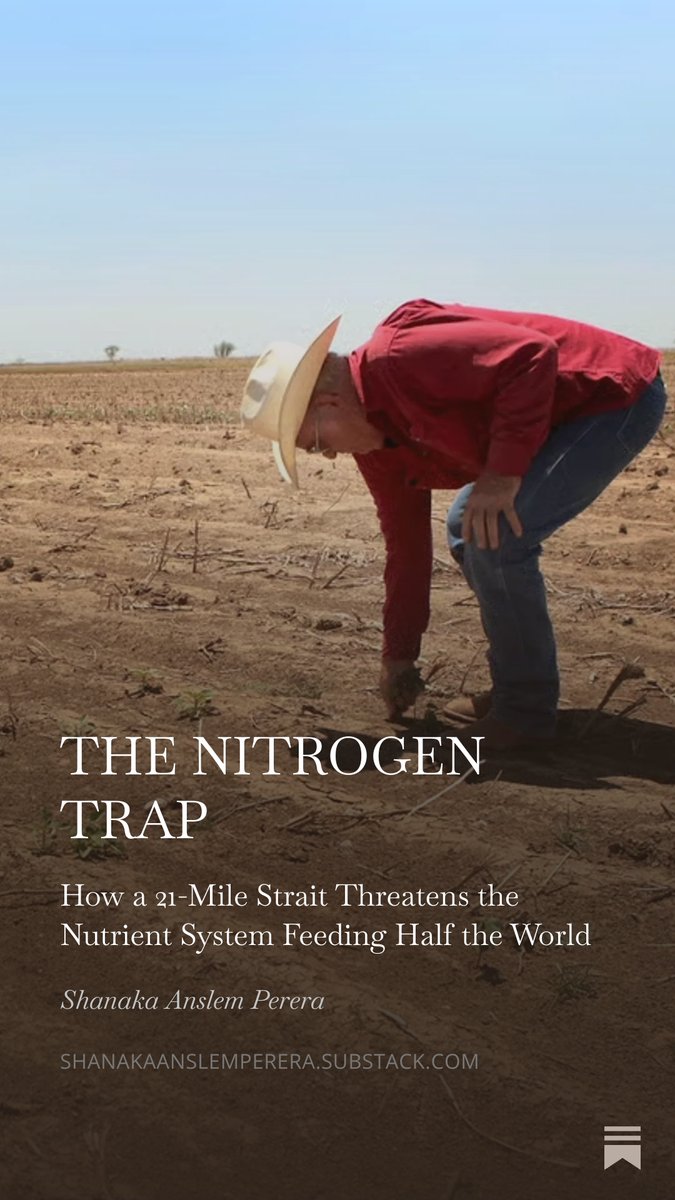
BREAKING: The nitrogen trap just closed. Three locks snapped shut simultaneously. The planting window is closing behind them. And the food the world eats next year is now being decided by molecules that cannot reach the soil in time. Lock one: the Strait of Hormuz. The IRGC permissioned corridor allows oil tankers from friendly nations to pay $2 million in yuan and pass. It does not allow fertiliser vessels to pass at any price. Zero approved fertiliser transits in 24 days. The Gulf supplies 49 percent of the world’s exported urea and roughly 30 percent of traded ammonia. That supply is not delayed. It is denied. The gate opens for molecules that fund the gatekeeper. It stays closed for molecules that feed the planet. Lock two: Russia. The world’s largest exporter of ammonium nitrate just halted all AN exports until after April 21. Three to four million tonnes per year, gone from global markets at the exact moment the Northern Hemisphere needs it most. The official reason is “domestic priority.” The strategic effect is leverage. Russia earns windfall revenue from the oil price spike its ally’s war created, then removes the fertiliser that farmers need to plant through the crisis. The disease and the cure, again, from the same address. Lock three: China. Beijing has banned exports of nitrogen-potassium blends and phosphate fertilisers through August 2026. China is the world’s largest phosphate producer and a major nitrogen supplier. The ban removes the last alternative source that could have compensated for Hormuz and Russia. Three locks. Three countries. Three deliberate decisions timed to the same biological calendar. The biological calendar does not negotiate. Corn requires nitrogen at the V6 to VT growth stage or kernel set is permanently reduced. Wheat requires it at tillering and jointing or grain fill collapses. Rice requires it at transplanting or yield drops 20 to 40 percent in low-input systems. These are not economic models. They are cellular processes. The plant either receives nitrogen during the window or it does not. If it does not, no subsequent application, no price increase, no policy reversal can recover what was lost. The damage is written into the biology of the seed. The US Corn Belt window closes mid-April. European top-dressing is happening now. Indian Kharif preparation begins in May. Bangladeshi Boro rice transplanting is underway this week. Every one of these windows is closing while the three largest sources of nitrogen on Earth are simultaneously locked: Hormuz by military blockade, Russia by export decree, China by trade ban. The USDA Prospective Plantings report arrives March 31. The FAO Food Price Index publishes April 3. These will quantify what the molecules already know: the nitrogen did not arrive. The yield loss is locked in. The 5 to 10 percent global drag will concentrate where the buffers are thinnest: subsistence farms in Bangladesh, Sub-Saharan Africa, South Asia, where a 20 percent shortfall does not mean lower profits. It means hunger. Sri Lanka banned synthetic fertiliser in 2021. Rice yields collapsed 40 percent. The government fell. In 2008, fertiliser and oil spiked simultaneously and food riots erupted across 30 countries. In 2026, the strait blocks fertiliser while Russia and China withdraw the alternatives, and the planting windows close on a planet with nowhere else to turn. The war is fought with missiles. The famine is fought with molecules. The molecules are trapped behind three locks on three continents, timed to the one calendar that cannot be paused, extended, or negotiated: the calendar written into the DNA of every seed in the soil. Full analysis: open.substack.com/pub/shanakaans…
Shanaka Anslem Perera ⚡ tweet media
Shanaka Anslem Perera ⚡@shanaka86

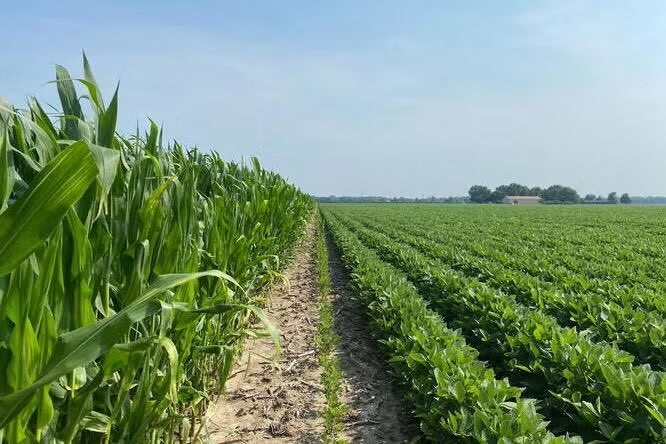
JUST IN: The most irreversible consequence of this war is not happening in Tehran. It is happening in a barn in Iowa. A farmer is standing over a kitchen table looking at two seed catalogues. One is corn. One is soybeans. Corn needs 180 pounds of nitrogen per acre. Nitrogen costs $610 per ton on the CBOT March futures settlement as of yesterday, up 35 percent in a month. Soybeans fix their own nitrogen from the atmosphere through root bacteria called rhizobia. They need nothing from the Strait of Hormuz. The farmer is choosing soybeans. Millions of acres are choosing soybeans. And once the planter rolls into the field, the choice cannot be reversed until next year. USDA projected corn at roughly 94 million acres for 2026, down from 98.8 million. Soybeans at 85 million, up from 81.2 million. Those projections were published February 19, before urea surged past $683 at New Orleans. The actual shift will be larger. USDA Prospective Plantings reports March 31. By then the seeds will be in the ground. This is the transmission channel the world is not watching. A 21-mile strait enforced by provincial commanders with sealed radio orders just rewrote the planting economics of 90 million acres of the most productive farmland on Earth. Not through sanctions. Not through diplomacy. Through the price of a single molecule that corn cannot grow without and soybeans do not need. Now follow the cascade. The Renewable Fuel Standard mandates 15 billion gallons of corn ethanol annually. That consumes roughly 43 percent of the entire US corn crop. The mandate is set by the EPA. It does not flex when corn acres shrink. It is inelastic demand consuming a fixed share of a declining supply. When supply tightens against a fixed mandate, the remaining corn reprices upward. Corn above $5 per bushel compresses every margin downstream. The US cattle herd stands at 86.2 million head, a 75-year low per USDA NASS. Poultry and pork operations face compression from higher corn prices. Feed is the single largest cost in livestock production. When feed reprices, protein reprices. When protein reprices, every grocery shelf in America absorbs the increase. This is the protein cascade. Corn to feed to meat to eggs to dairy to the checkout counter. Each link tightens because the link before it tightened. The originating cause is a urea molecule that cannot transit a strait because a provincial commander’s sealed orders say it cannot. The farmer did not start this war. The farmer cannot end it. The farmer responds to the price on the screen and the biology of the two crops in front of him. Corn needs the molecule. Soybeans do not. At $610 the arithmetic is settled. The planter rolls. The season is locked. Israel just authorised the assassination of every Iranian official on sight. The US has spent $16.5 billion. South Pars is burning. The Fed is holding rates because oil inflation will not break. Gold touched $5,000. Bitcoin is bleeding. China is running exercises near Taiwan. Sri Lanka shut down on Wednesdays. And underneath all of it, a man in a barn is making the decision that determines whether four billion people pay more for food this year. He has never heard of the Mosaic Doctrine. He does not know what a sealed contingency packet is. He knows what nitrogen costs. And he is planting soybeans. Full analysis - open.substack.com/pub/shanakaans…
English
131
1.3K
2.9K
391.3K
Shanaka Anslem Perera ⚡
Shanaka Anslem Perera ⚡@shanaka86·
JUST IN: The most irreversible consequence of this war is not happening in Tehran. It is happening in a barn in Iowa. A farmer is standing over a kitchen table looking at two seed catalogues. One is corn. One is soybeans. Corn needs 180 pounds of nitrogen per acre. Nitrogen costs $610 per ton on the CBOT March futures settlement as of yesterday, up 35 percent in a month. Soybeans fix their own nitrogen from the atmosphere through root bacteria called rhizobia. They need nothing from the Strait of Hormuz. The farmer is choosing soybeans. Millions of acres are choosing soybeans. And once the planter rolls into the field, the choice cannot be reversed until next year. USDA projected corn at roughly 94 million acres for 2026, down from 98.8 million. Soybeans at 85 million, up from 81.2 million. Those projections were published February 19, before urea surged past $683 at New Orleans. The actual shift will be larger. USDA Prospective Plantings reports March 31. By then the seeds will be in the ground. This is the transmission channel the world is not watching. A 21-mile strait enforced by provincial commanders with sealed radio orders just rewrote the planting economics of 90 million acres of the most productive farmland on Earth. Not through sanctions. Not through diplomacy. Through the price of a single molecule that corn cannot grow without and soybeans do not need. Now follow the cascade. The Renewable Fuel Standard mandates 15 billion gallons of corn ethanol annually. That consumes roughly 43 percent of the entire US corn crop. The mandate is set by the EPA. It does not flex when corn acres shrink. It is inelastic demand consuming a fixed share of a declining supply. When supply tightens against a fixed mandate, the remaining corn reprices upward. Corn above $5 per bushel compresses every margin downstream. The US cattle herd stands at 86.2 million head, a 75-year low per USDA NASS. Poultry and pork operations face compression from higher corn prices. Feed is the single largest cost in livestock production. When feed reprices, protein reprices. When protein reprices, every grocery shelf in America absorbs the increase. This is the protein cascade. Corn to feed to meat to eggs to dairy to the checkout counter. Each link tightens because the link before it tightened. The originating cause is a urea molecule that cannot transit a strait because a provincial commander’s sealed orders say it cannot. The farmer did not start this war. The farmer cannot end it. The farmer responds to the price on the screen and the biology of the two crops in front of him. Corn needs the molecule. Soybeans do not. At $610 the arithmetic is settled. The planter rolls. The season is locked. Israel just authorised the assassination of every Iranian official on sight. The US has spent $16.5 billion. South Pars is burning. The Fed is holding rates because oil inflation will not break. Gold touched $5,000. Bitcoin is bleeding. China is running exercises near Taiwan. Sri Lanka shut down on Wednesdays. And underneath all of it, a man in a barn is making the decision that determines whether four billion people pay more for food this year. He has never heard of the Mosaic Doctrine. He does not know what a sealed contingency packet is. He knows what nitrogen costs. And he is planting soybeans. Full analysis - open.substack.com/pub/shanakaans…
Shanaka Anslem Perera ⚡ tweet media
Shanaka Anslem Perera ⚡@shanaka86

Right now, in barns and equipment sheds across the American Midwest, farmers are making the most consequential decision of this war. Not generals. Not senators. Farmers. At $683 per ton urea, corn economics have collapsed. Nitrogen is the single largest input cost for corn production. At pre-war prices a farmer could justify 180 pounds per acre and expect a margin. At $683 the math breaks. Soybeans fix their own nitrogen from the atmosphere through root bacteria. They do not need the molecule trapped behind the Strait of Hormuz. The seed decision is being made this week across roughly 90 million acres of American cropland. Once the planter rolls into the field, the choice is irreversible. Corn seed in the ground stays corn. Soy seed stays soy. The acreage allocation locks in. USDA Prospective Plantings reports March 31. That report will tell the world how American agriculture responded to the Hormuz blockade. But the decisions it captures are being made now, in conversations between farmers and agronomists and seed dealers who are looking at nitrogen prices and making the rational economic choice: plant the crop that does not need the input you cannot afford. Every acre that shifts from corn to soybeans tightens the corn balance sheet for the rest of the year. Corn feeds livestock. Corn feeds ethanol. The Renewable Fuel Standard mandates 15 billion gallons of corn ethanol annually, consuming roughly 43 percent of the US corn crop regardless of price. That demand is inelastic. If acres shift and production falls while the mandate holds, corn prices spike. Feed costs spike. The protein cascade reverses. The US cattle herd sits at 86.2 million head, a 75-year low. Poultry and pork margins that were benefiting from cheap feed compress when corn crosses $5 per bushel. This is how a naval blockade 7,000 miles from Iowa reaches the American grocery shelf. Not through oil. Not through shipping. Through nitrogen. The farmer cannot afford the molecule. The molecule cannot transit the strait. The farmer plants soy instead. The corn supply tightens. The ethanol mandate consumes its fixed share. The remaining corn reprices. The feed reprices. The meat reprices. The grocery bill reprices. The decision is not political. It is arithmetic performed on a kitchen table by a person who needs to plant in three weeks and cannot wait for a ceasefire, an escort convoy, or an insurance normalisation that the Red Sea precedent says takes years. The deepest penetrator in the American arsenal cannot reach a sealed Iranian doctrinal packet. But the fertiliser price it failed to resolve is reaching every planting decision on 90 million acres of the most productive farmland on Earth. The war’s most irreversible consequence is not happening in a bunker. It is happening in a barn. And by the time USDA publishes the data on March 31, the seeds will already be in the ground. Full analysis in the link. open.substack.com/pub/shanakaans…

English
309
1.8K
5K
1.4M
Rita Nexhipi
Rita Nexhipi@RitaNexhipi·
@shanaka86 Recycle human excrement ASAP. Urine has urea and feces phosphorus.
English
2
0
2
949
Shanaka Anslem Perera ⚡
Shanaka Anslem Perera ⚡@shanaka86·
BREAKING: The world spent fifty years and hundreds of billions of dollars building Strategic Petroleum Reserves so that no geopolitical shock could starve civilization of energy. Nobody built the equivalent for fertilizer. That is the most expensive oversight in the history of modern statecraft, and you are about to pay for it at the grocery store. The Strait of Hormuz does not merely carry 20% of global oil. UNCTAD estimates roughly one-third of all seaborne fertilizer trade passes through it. The Fertilizer Institute estimates that conflict-exposed exporters account for nearly 49% of global urea exports and nearly half of global sulfur trade. Since February 28, daily ship transits have collapsed by 97%. Here is what almost nobody understands about why this is not "just another commodity spike." It was not the missiles that closed the strait. It was the insurance. Multiple P&I clubs cancelled war-risk extensions for the Gulf after 26 months of Red Sea losses had already depleted their Solvency II capital buffers. War-risk premiums surged from 0.25% to as high as 5% of hull value per transit. A urea cargo cannot absorb that. The economics of fertilizer shipping through Hormuz became impossible before a single mine needed to detonate. The Trump administration announced a $20 billion sovereign-backed reinsurance facility with Chubb as lead underwriter. There is no confirmed public evidence that a single fertilizer vessel has used it. Insurance pays for financial loss. It does not intercept anti-ship missiles. Physical security remains the binding constraint, and the US Navy confirmed on March 12 it is "not ready" for commercial escorts. Now here is the part that should terrify every allocator on Earth. Agriculture runs on biological deadlines. Corn Belt farmers need nitrogen applied by mid-April. Indian Kharif season prep starts in May. Australian winter crop needs urea by June. These are not financial deadlines that reprice. They are photosynthetic deadlines that, once missed, produce irreversible yield loss. A diplomatic breakthrough on April 15 does not help a farmer who needed fertilizer on April 1. And the yield math is nonlinear. Wall Street models fertilizer-to-output as proportional. It is not. The response is quadratic. In developed systems that over-apply nitrogen, a 15% reduction costs 2-5% of yield. In the Global South where farmers already under-apply, the same reduction pushes crops off a biophysical cliff. Sri Lanka proved this in 2021 when a sudden fertilizer ban collapsed rice production 40% in a single season and brought down the government. The market is pricing a 45-day disruption. The insurance architecture says 120 days minimum. Even after a hypothetical ceasefire, Solvency II capital rebuild, reinsurance treaty renegotiation, and vessel re-underwriting take months. The Red Sea precedent: 26 months after Houthi attacks began, war-risk premiums never returned to pre-crisis levels. Both sides are rejecting negotiations. Trump rebuffed ceasefire mediation March 14. Iran's foreign minister on March 15: "We never asked for a ceasefire." Meanwhile: 51% of US corn areas in drought. El Nino favored by June at 62% probability. Skymet assigns 60% chance of below-normal Indian monsoon. Bangladesh has shut five of six urea factories. India formally asked China for urea on March 12. Egypt faces $28 billion in debt repayments while importing 12.7 million tonnes of wheat. WFP identifies 318 million people already at crisis-level hunger. The world stockpiled oil but forgot to stockpile the molecules that produce half its food. The clock is the position. Full analysis in the link! open.substack.com/pub/shanakaans…
Shanaka Anslem Perera ⚡ tweet media
English
61
742
1.6K
542.3K
By The Book. Worms. retweetledi
Leon Simons 🌍
Leon Simons 🌍@LeonSimons8·
CO₂ at Mauna Loa just reached a monthly average of >430 ppm for the first time. That's possibly higher than in over 3.3 million years. The global RATE of increase is off the chart. It's hard to exaggerate how unprecedented this is!
Leon Simons 🌍 tweet media
Leon Simons 🌍@LeonSimons8

Yesterday was the first day CO₂ at Mauna Loa was 425 ppm. This is: -likely the first time in the past 800,000 years. -possibly not seen in over 3 million years (mid-pliocene warm period). -A CO₂ forcing equal to 2.5-4°C of warming and 5-25 meters higher global sea level.
English
69
611
1.2K
88.5K
By The Book. Worms.
By The Book. Worms.@by_worms·
@yoonogy Long commutes. Almost all of my friends with kids have hour-plus commutes on public transit to live in areas that are a little bit cheaper. The rest of them left the city when they had kids. Also people have tiny/illegal apartments and don't own cars.
English
0
0
0
123