Richard Scott

1.1K posts

Richard Scott banner
Richard Scott

Richard Scott

@doingnz

Accurate Cuff #BloodPressure #Hypertension #AF #CVD #PWA #PWV #PRV #PPV #AIx #SEVR #CentalBP #CKD | Improving outcomes | @Uscom BP+ Tweets are my own.

Auckland, New Zealand Katılım Ağustos 2010
4.8K Takip Edilen1K Takipçiler
Sabitlenmiş Tweet
Richard Scott
Richard Scott@doingnz·
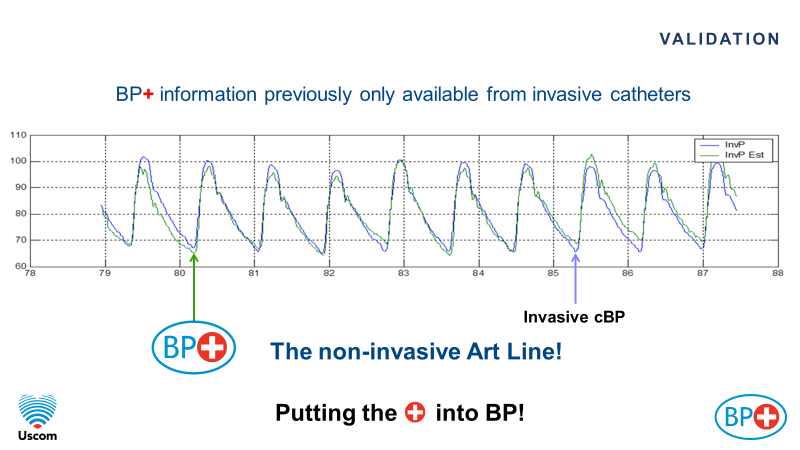
@JohnRMontford @kramer_holly Non-invasive measurements using a regular upper-arm cuff can accurately measure intra-arterial waveforms, including people with bad vascular disease without risks associated with an invasive measurement! Blue = invasive aortic catheter Green = calculated aortic waveform
Richard Scott tweet media
English
14
3
32
0
Richard Scott
Richard Scott@doingnz·
@pash22 @Mihir_Kelshiker Is it false economy to avoid 15 seconds of screening early vs the impact on the medical system when these patients hit A&E in crisis?
English
0
0
0
9
Richard Scott
Richard Scott@doingnz·
@elonmusk Have you considered a donation to cover SNAP funding for November? A great way to show you are for the American people.
English
1
0
0
19
Richard Scott
Richard Scott@doingnz·
From nature.com/articles/jhh20… Arterial waveform parameters in a large, population-based sample of adults: relationships with ethnicity and lifestyle factors. Abstract Little is known about how aortic waveform parameters vary with ethnicity and lifestyle factors. We investigated these issues in a large, population-based sample. We carried out a cross-sectional analysis of 4798 men and women, aged 50–84 years from Auckland, New Zealand. Participants were 3961 European, 321 Pacific, 266 Maori and 250 South Asian people. We assessed modifiable lifestyle factors via questionnaires, and measured body mass index (BMI) and brachial blood pressure (BP). Suprasystolic oscillometry was used to derive aortic pressure, from which several haemodynamic parameters were calculated. Heavy alcohol consumption and BMI were positively related to most waveform parameters. Current smokers had higher levels of aortic augmentation index than non-smokers (difference=3.7%, P<0.0001). Aortic waveform parameters, controlling for demographics, antihypertensives, diabetes and cardiovascular disease (CVD), were higher in non-Europeans than in Europeans. Further adjustment for brachial BP or lifestyle factors (particularly BMI) reduced many differences but several remained. Despite even further adjustment for mean arterial pressure, pulse rate, height and total:high-density lipoprotein cholesterol, compared with Europeans, South Asians had higher levels of all measured aortic waveform parameters (for example, for backward pressure amplitude: β=1.5 mm Hg; P<0.0001), whereas Pacific people had 9% higher loge (excess pressure integral) (P<0.0001). In conclusion, aortic waveform parameters varied with ethnicity in line with the greater prevalence of CVD among non-white populations. Generally, this was true even after accounting for brachial BP, suggesting that waveform parameters may have increased usefulness in capturing ethnic variations in cardiovascular risk. Heavy alcohol consumption, smoking and especially BMI may partially contribute to elevated levels of these parameters
English
0
0
0
66
Dr. Martha Gulati ♥️🫀❤️‍🩹🇨🇦
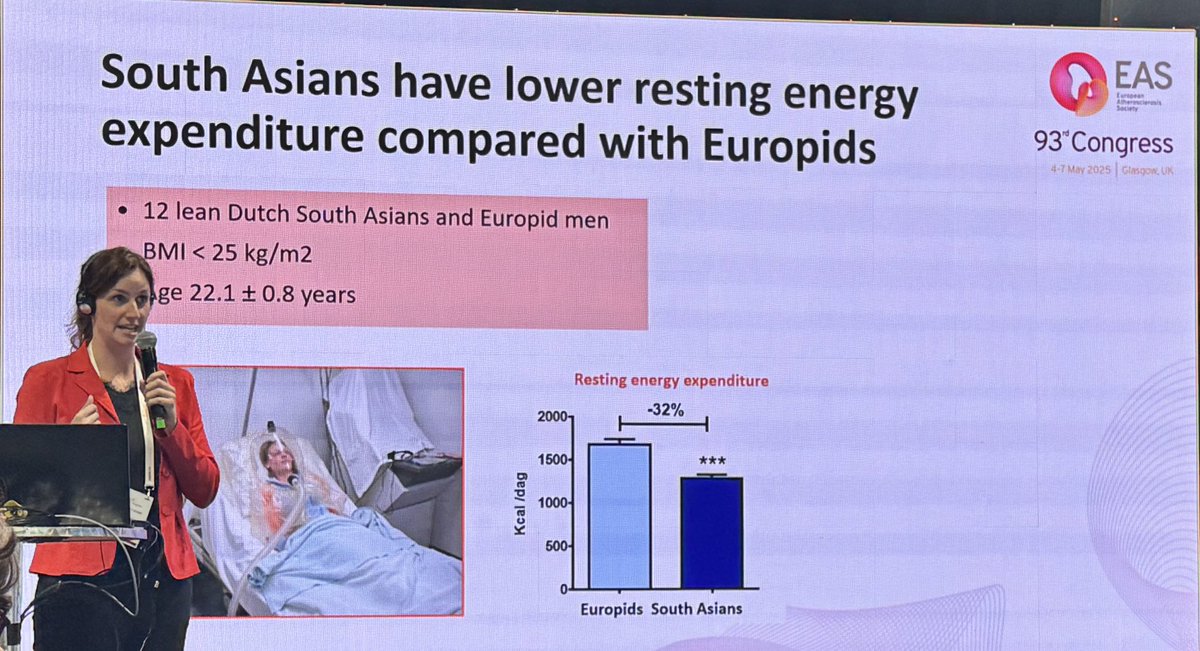
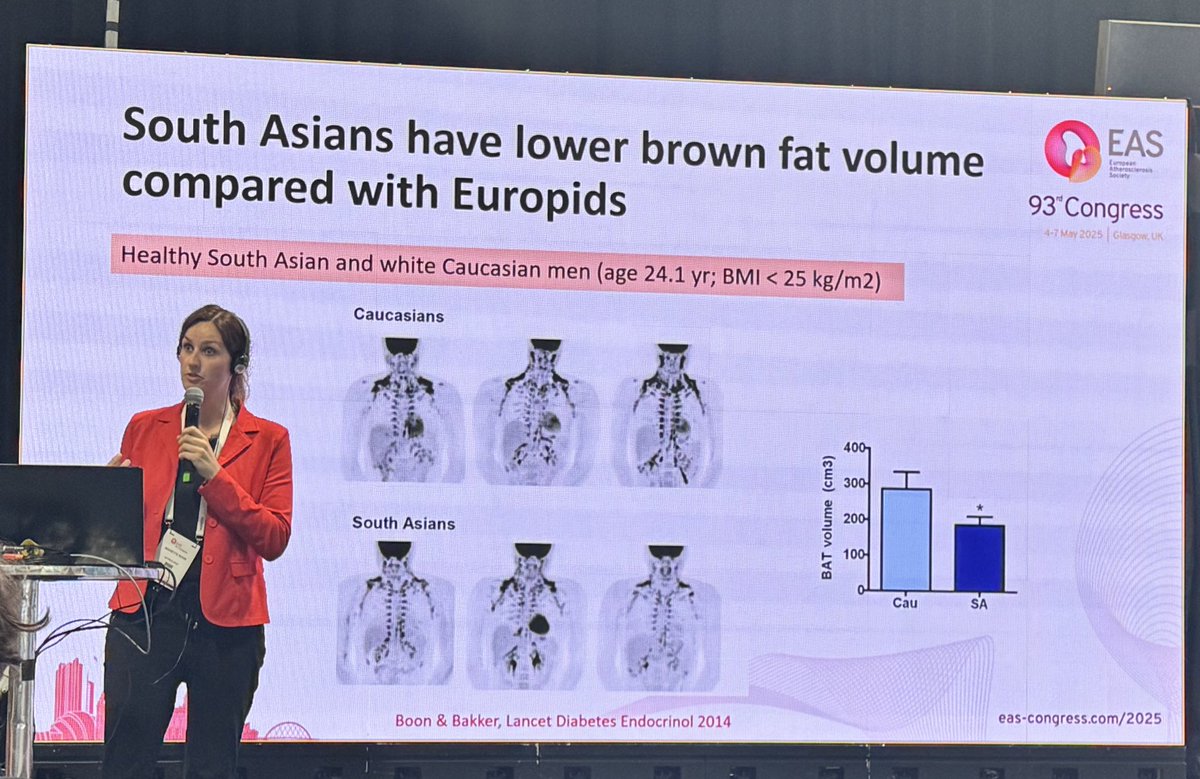
South Asian: 🫀⬇️ skeletal muscle 🫀⬇️ energy expenditure even when control for difference in muscle mass 🫀⬇️ brown fat volumes in skeletal muscles (🥶) 🫀⬆️ inflammation Compared with Dutch controls Differing metabolic phenotype #EASCongress2025
Dr. Martha Gulati ♥️🫀❤️‍🩹🇨🇦 tweet mediaDr. Martha Gulati ♥️🫀❤️‍🩹🇨🇦 tweet mediaDr. Martha Gulati ♥️🫀❤️‍🩹🇨🇦 tweet mediaDr. Martha Gulati ♥️🫀❤️‍🩹🇨🇦 tweet media
English
5
26
114
9.4K
Richard Scott
Richard Scott@doingnz·
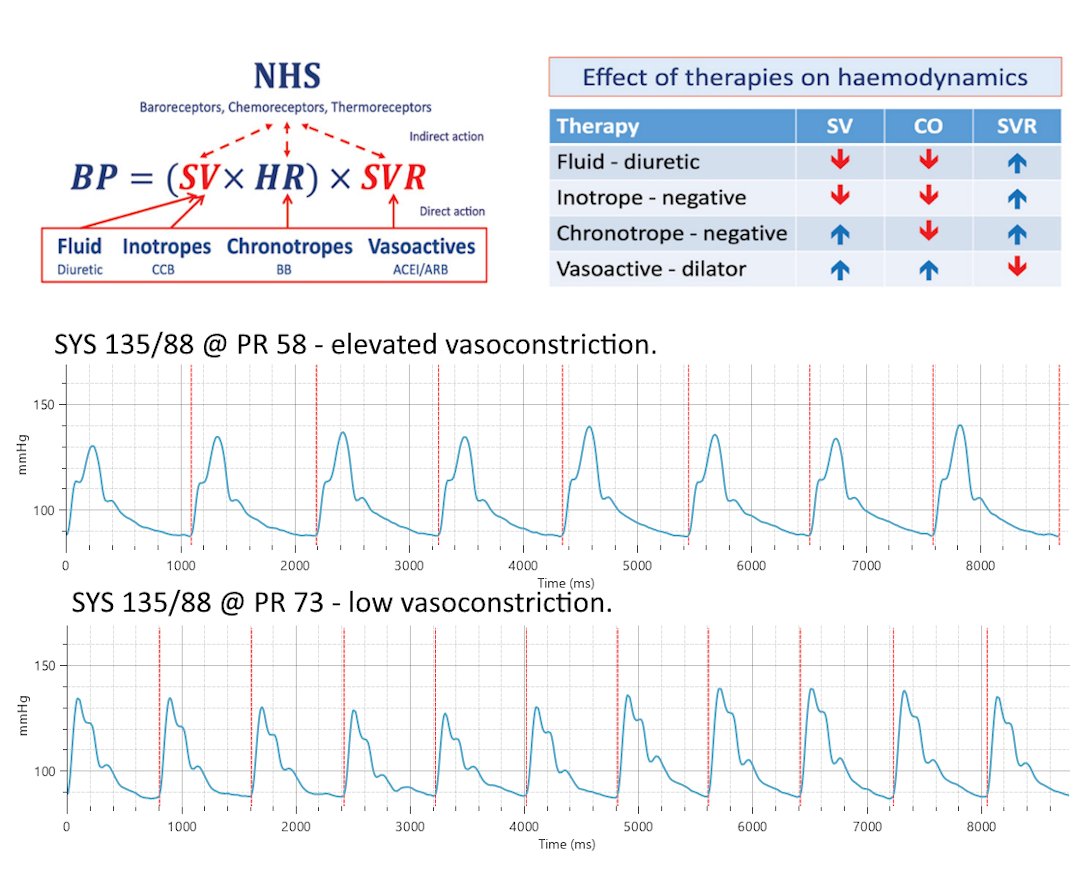
@DrMarthaGulati @WHA @BaimInstitute @GoRedForWomen @dranulala @ShrillaB @aayshacader @mchonig @pnatarajanmd @Drroxmehran @PamTaubMD @ASPCardio @AnastasiaSMihai @WomensHeartCS BP = SV x HR x SVR Different Stroke Volume, Heart Rate and Systemic Vascular Resistance achieve same Blood Pressure Superficial "no BP difference" is not the same as demonstrating "equal CVD risk"!🤔 Measure underpinning physiological differences. Women not small men. @Uscom
Richard Scott tweet media
English
0
2
5
613
Richard Scott
Richard Scott@doingnz·
@Uscom For those who attend #ArabHealth, this is your opportunity get a Cardiovascular Assessment with the @Uscom BP+. See how easy it is to use in everyday clinical use wherever you are measuring legacy cuff BP.
Richard Scott tweet media
English
0
1
1
64
Richard Scott retweetledi
Uscom
Uscom@Uscom·
We are excited to announce that Uscom will be showcasing our innovative medical products at the upcoming #ArabHealth exhibition, taking place in Dubai between 27-30th of January. Visit us at the national stand of Hungary SA.F55! #Uscomconference #Arabhealth2025 #Uscom
Uscom tweet mediaUscom tweet media
English
5
1
2
179
Richard Scott
Richard Scott@doingnz·
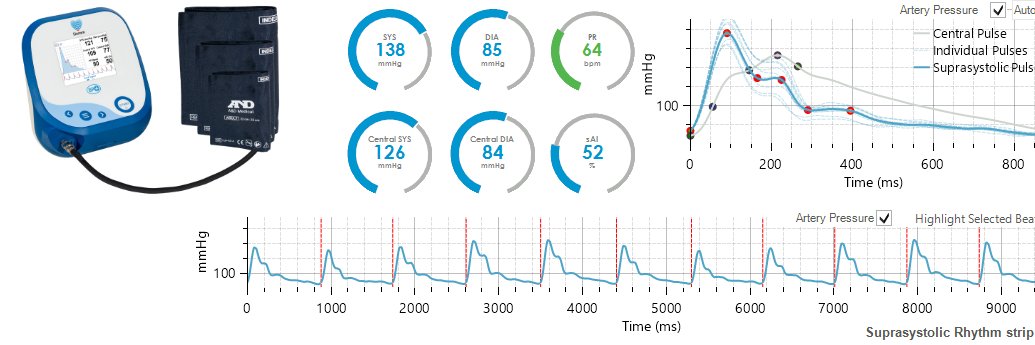
Measure non-invasive central blood pressure with pulse wave analysis, including SEVR for an estimate of V02 Max and better predictor of CVD risk with a simple, objective and automated 42 second cuff measurement. At the same time evaluation of valve function, risk of AFib and differentiate between people with similar brachial BP, but very different central BP and different vascular tone (stiffness).
Richard Scott tweet media
English
0
0
7
654
Dr Paddy Barrett
Dr Paddy Barrett@Paddy_Barrett·
Someone asked me a great question: If I could only test 5 things on a patient to assess their cardiovascular risk what would they be? My answer: 1. V02 Max 2. APOB 3. Insulin Kinetics 4. Blood Pressure 5. Visceral Fat I would optimise these first.
English
11
20
169
24K
Richard Scott
Richard Scott@doingnz·
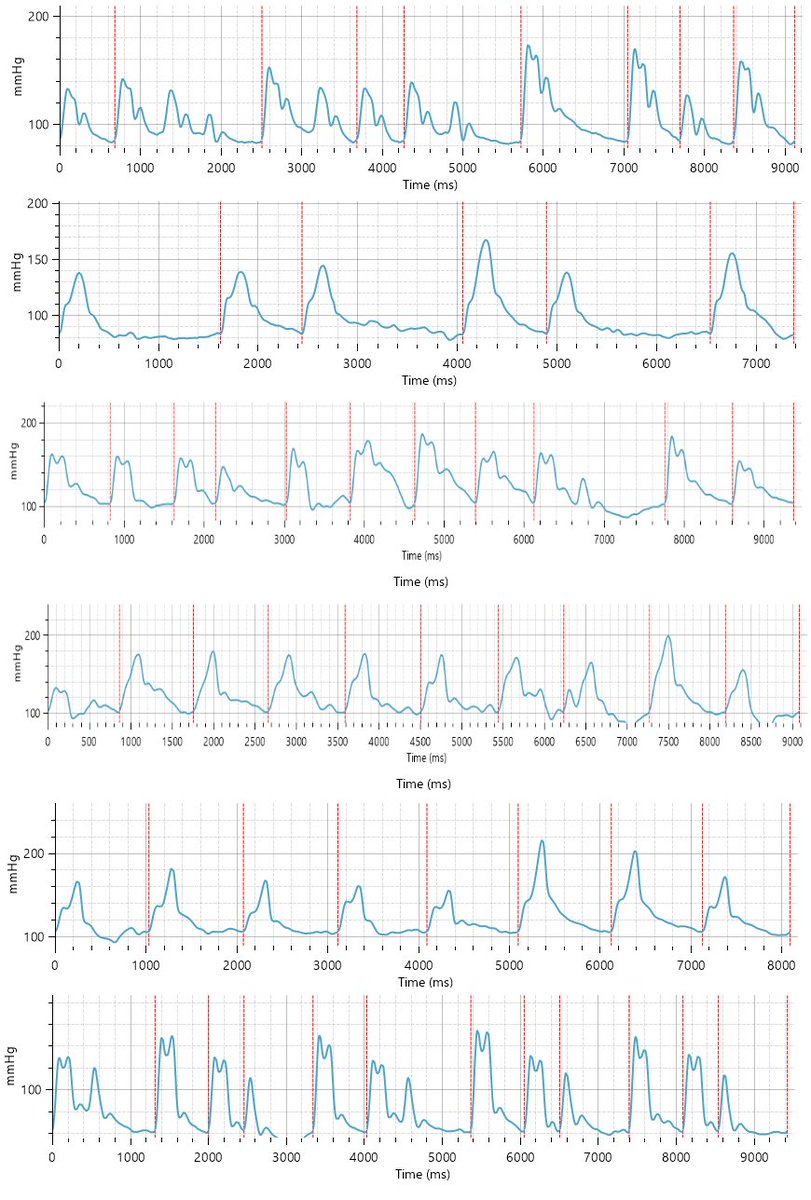
@HRIAust @ProfJRMcMullen Consider @Uscom BP+ to screen early for risk of AF and other CVD. A regular cuff BP measurement has lots of unused clinically relevant information. See detailed pulse pressure rhythm trace for early warning of AF risk long before becoming ED statistic!
Richard Scott tweet media
English
0
0
0
36
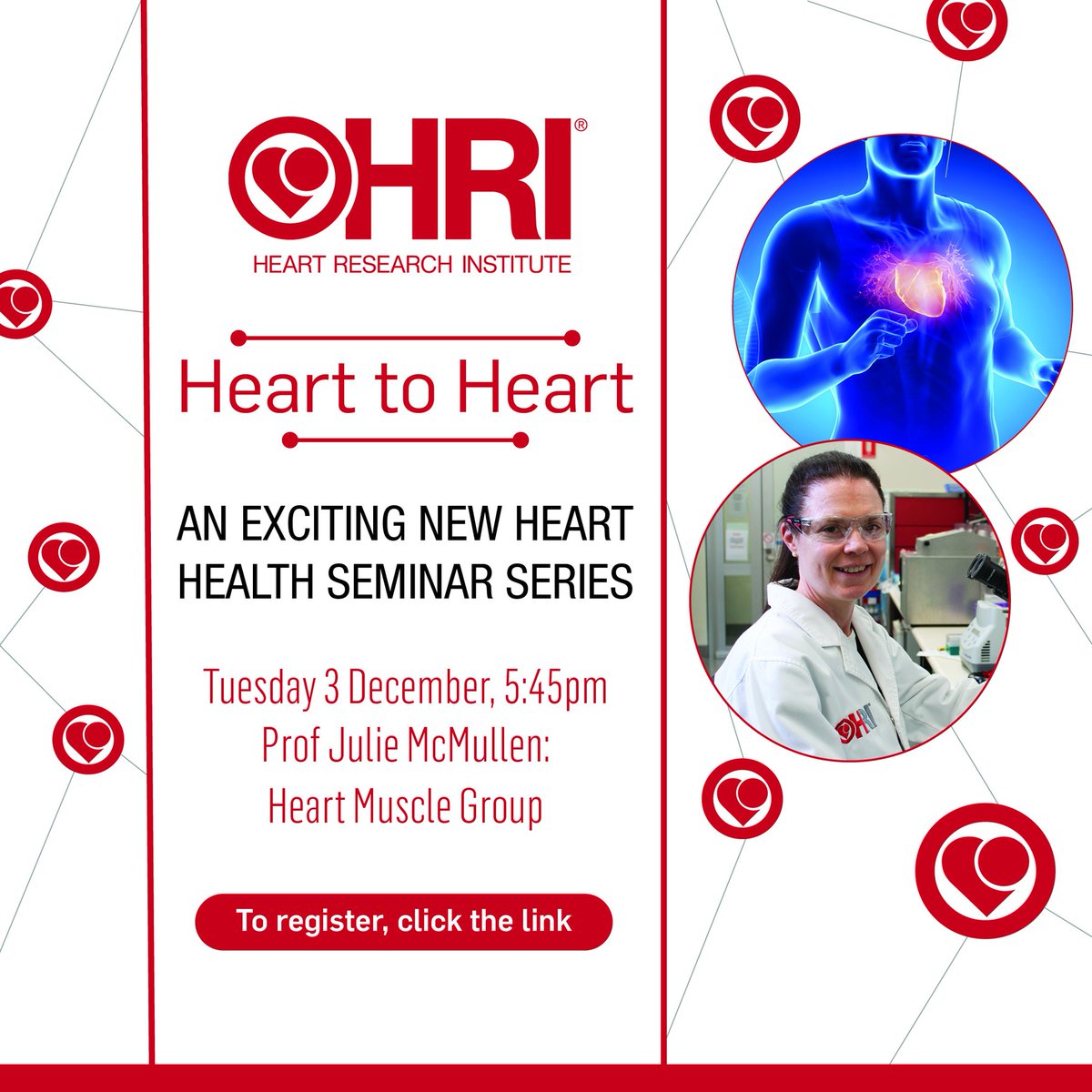
Heart Research Institute
Don't miss our next Heart to Heart #seminar on Dec 3! Join us in person at HRI, or online, and learn more about the amazing @ProfJRMcMullen. You'll also meet Warren Williams – an athlete with lived experience of AF and cardiac arrest. RSVP Now: bit.ly/4dAwTgQ
Heart Research Institute tweet media
English
1
3
7
599
Richard Scott
Richard Scott@doingnz·
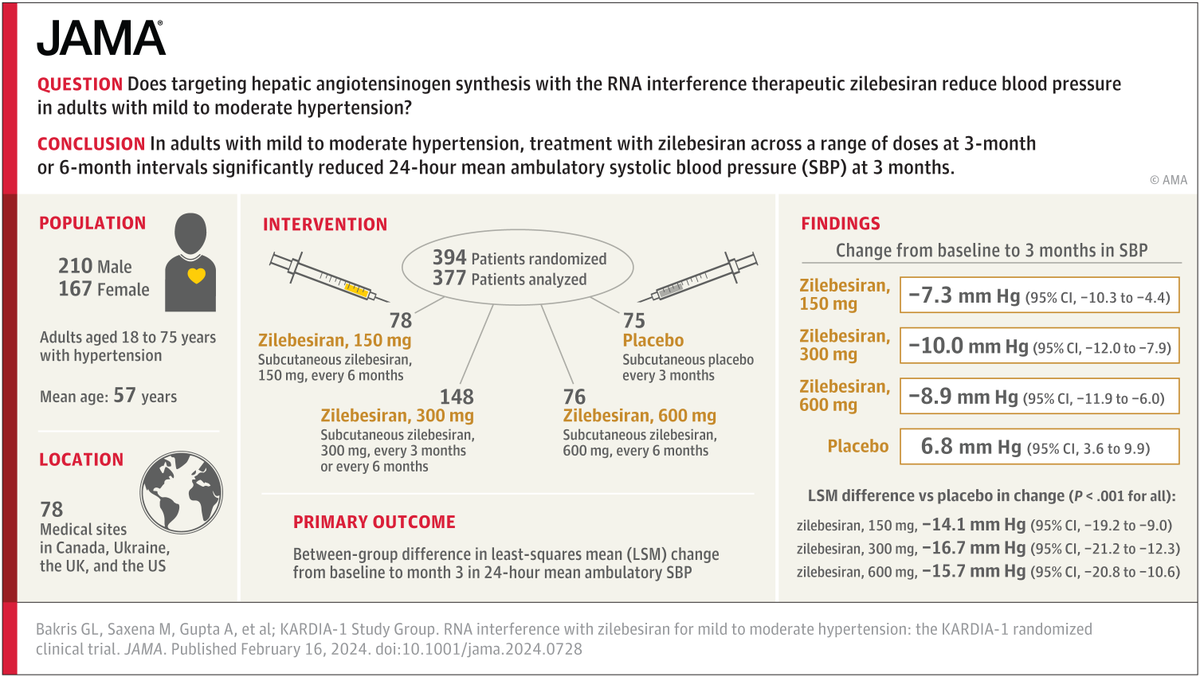
@DrRaniKhatib What would be interesting is understanding who benefits the most. Mean improvement is great, but there must be some achieving significantly better than the mean, some less than the mean. Consider @Uscom BP+ to improve discrimination with upper arm cuff measurements.
Richard Scott tweet media
English
0
0
1
264
Dr Rani Khatib FESC
Dr Rani Khatib FESC@DrRaniKhatib·
The future of managing hypertension?
Dr Rani Khatib FESC tweet media
English
3
35
146
25.6K
Richard Scott
Richard Scott@doingnz·
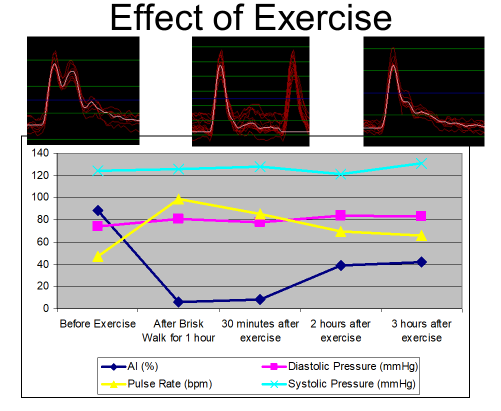
@Paddy_Barrett The difference between telling people exercise is beneficial vs. showing the the benefits. Graph shows dramatic change in peripheral artery stiffness with walking 🚶‍♂️ 🚶‍♀️. Numerically in AI % drop and visual change in pulse shape. @Uscom @BPplusPWA
Richard Scott tweet media
English
1
0
1
213
Dr Paddy Barrett
Dr Paddy Barrett@Paddy_Barrett·
As a cardiologist I meet so many people who think they cannot be active if they don't run. What they often do not realise is that, for most people, an hour's walk is pretty much as good as a 5 km run. And will almost certainly keep them in the right exercise zone.
English
3
13
145
21.7K
Richard Scott
Richard Scott@doingnz·
@EricTopol why do we continue to only use cuff SYS/DIA when so much more is possible?
Richard Scott tweet media
English
0
0
0
16
Richard Scott
Richard Scott@doingnz·
@EricTopol from the AHA article... we can see lowering lipids is not achieving the desired results!
Richard Scott tweet media
English
0
0
1
17
Richard Scott
Richard Scott@doingnz·
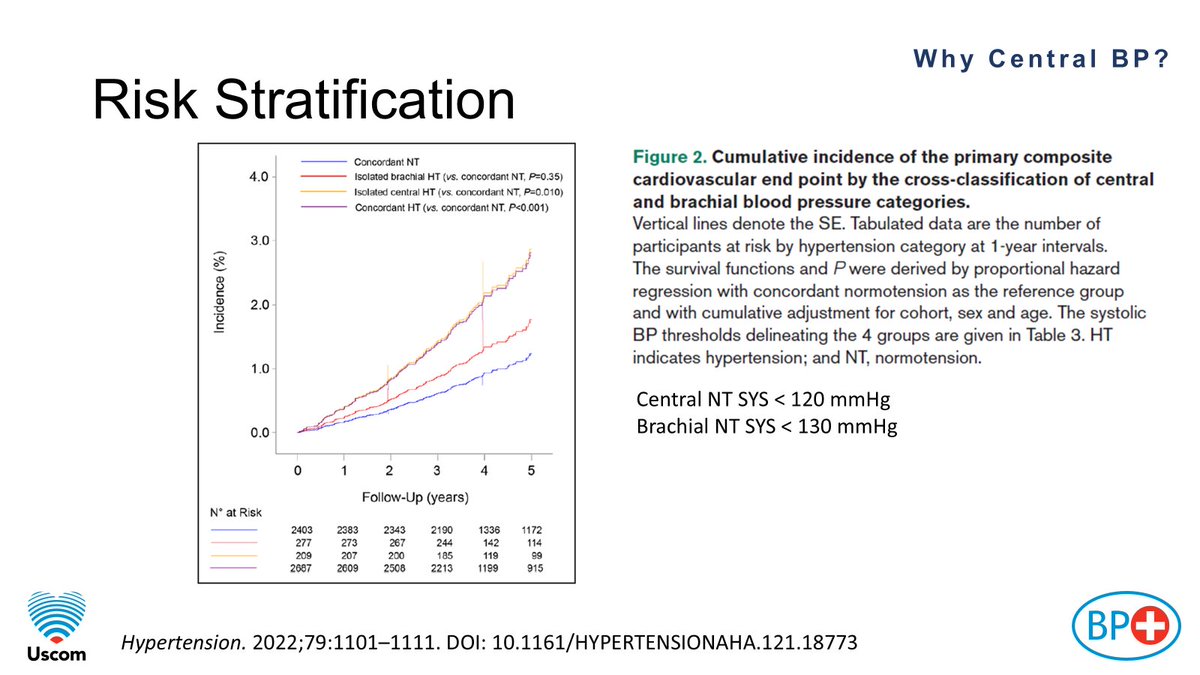
@EricTopol Central aortic BP has long been an indicator of risk over and above cuff BP. e.g. from Hypertension.
Richard Scott tweet media
English
0
0
0
14
Richard Scott
Richard Scott@doingnz·
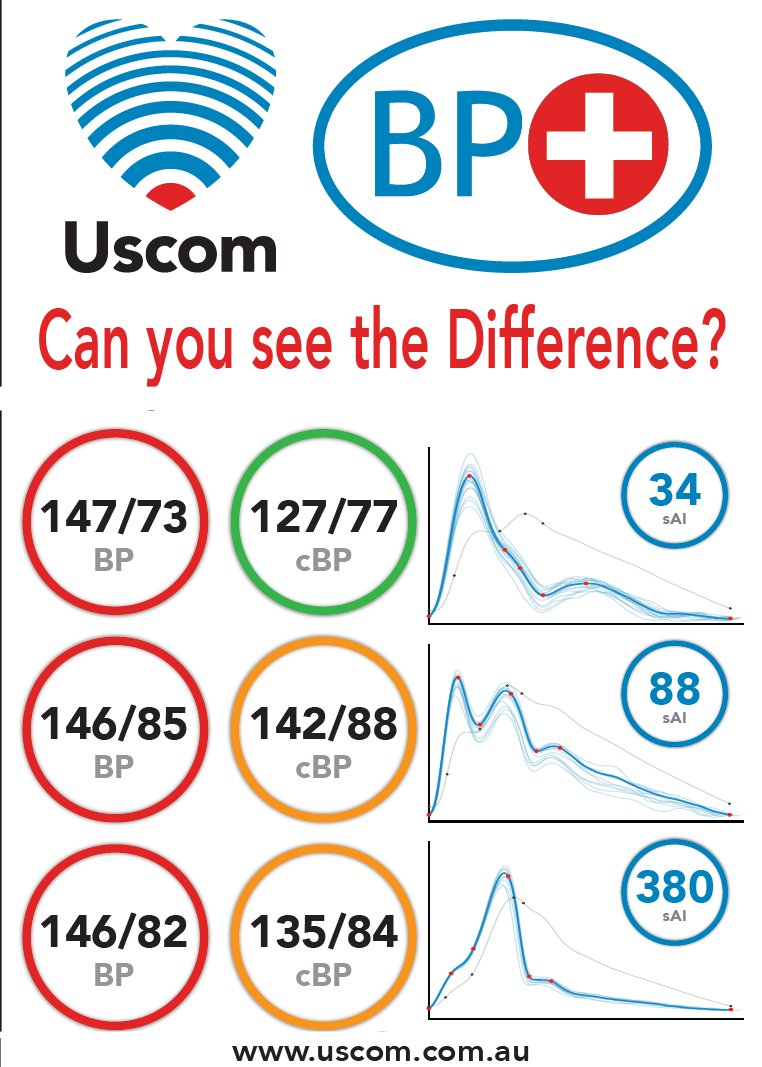
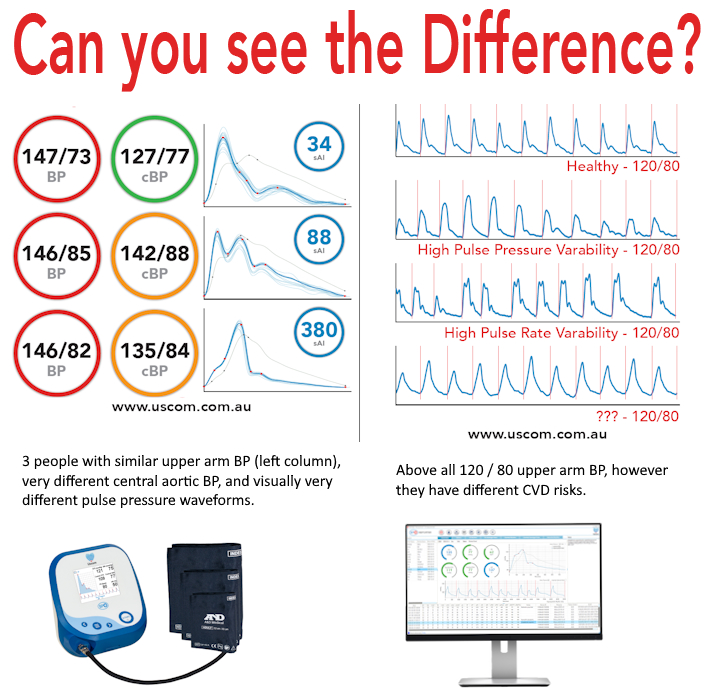
We need to eliminate the MYTH people with the same upper arm cuff blood pressure have the same CVD risks. Regular cuff measurements can easily and routinely collect additional clinically useful data that differentiates between people with similar BP. This is possible today. No need to wait for a future innovation to make this possible! @Uscom BP+
Richard Scott tweet media
English
0
1
1
49
Richard Scott
Richard Scott@doingnz·
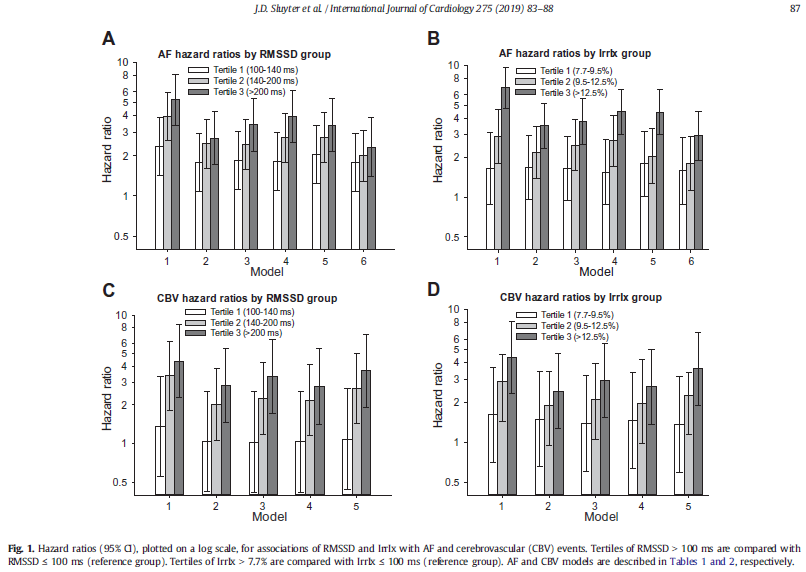
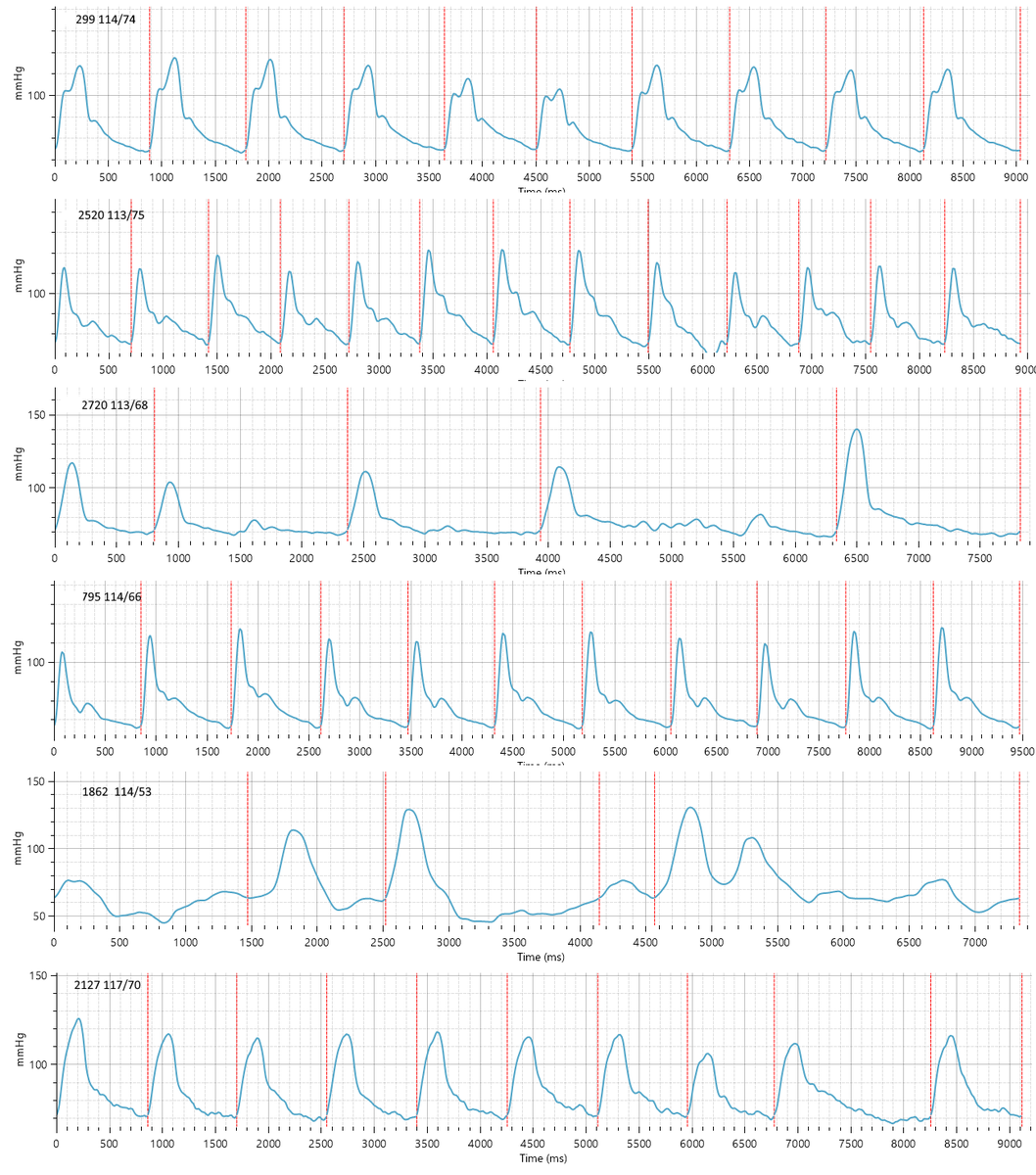
There should be more information on screening for irregular rhythms and risk of stroke. @Uscom BP+ measures detailed pulse pressure rhythm waveforms and morphology not available on any other cuff based BP monitor. Every time you measure BP you can get a risk assessment for stroke! BP+ demonstrated accuracy for cBP to ARTERY requirements presented at #ESC2024 Suprasystolic Pulse Rate Variability (sPRV) has demonstrated high sensitivity AND specificity screening for #AFib vs 12-lead ECG, and importantly higher values shown to predict risk. sPRV should be added to risk scoring used to decide if anti-coagulation therapy is appropriate. @StrokeAHA_ASA
Richard Scott tweet mediaRichard Scott tweet media
English
0
0
1
308
AHA Science
AHA Science@AHAScience·
This updated guideline is intended to be a resource for clinicians to use to guide various prevention strategies for individuals with no history of stroke, and replaces the 2014 Guidelines for the Primary Prevention of Stroke.
AHA Science tweet media
English
5
241
510
70.1K
Richard Scott
Richard Scott@doingnz·
There should be more information on screening for irregular rhythms and risk of stroke. @Uscom BP+ measures detailed pulse pressure rhythm waveforms and morphology not available on any other cuff based BP monitor. Every time you measure BP you get a risk assesment for stroke! BP+ demonstrated accuracyfor cBP to ARTERY requirements presented at #ESC2024 Suprasystolic Pulse Rate Variabilty (sPRV) has demonstrated high sensitivity AND specificity screening for #AFib vs 12-lead ECG, and importantly higher values shown to predict risk. sPRV should be added to risk scoring used to decide if anti-coagulation therapy is appropriate. @StrokeAHA_ASA
Richard Scott tweet media
Auckland, New Zealand 🇳🇿 English
0
0
0
125
Richard Scott
Richard Scott@doingnz·
@nephronus I would suggest studies consider @Uscom BP+ to measure differences & change with intervention in peripheral pulse waves. Sensitive to changed vascular tone (endothelial function etc.) Help select best target patients for different HT agents.
Richard Scott tweet media
Auckland, New Zealand 🇳🇿 English
0
0
0
14