Emiliano
73 posts


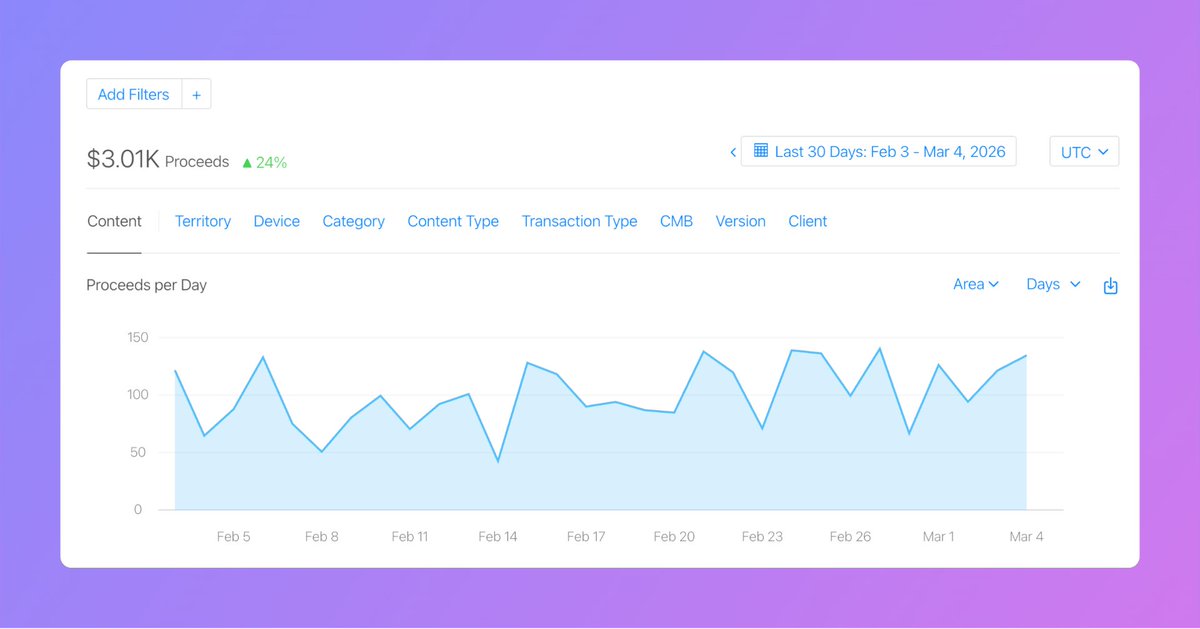
it's time to lock in. - i've been stuck at ~$6k-7k/mo for the past 45 days. - new goal: hit $10k/mo by 3/31. - if i don't hit it, i will venmo one of my twitter followers $100. current progress screenshot:

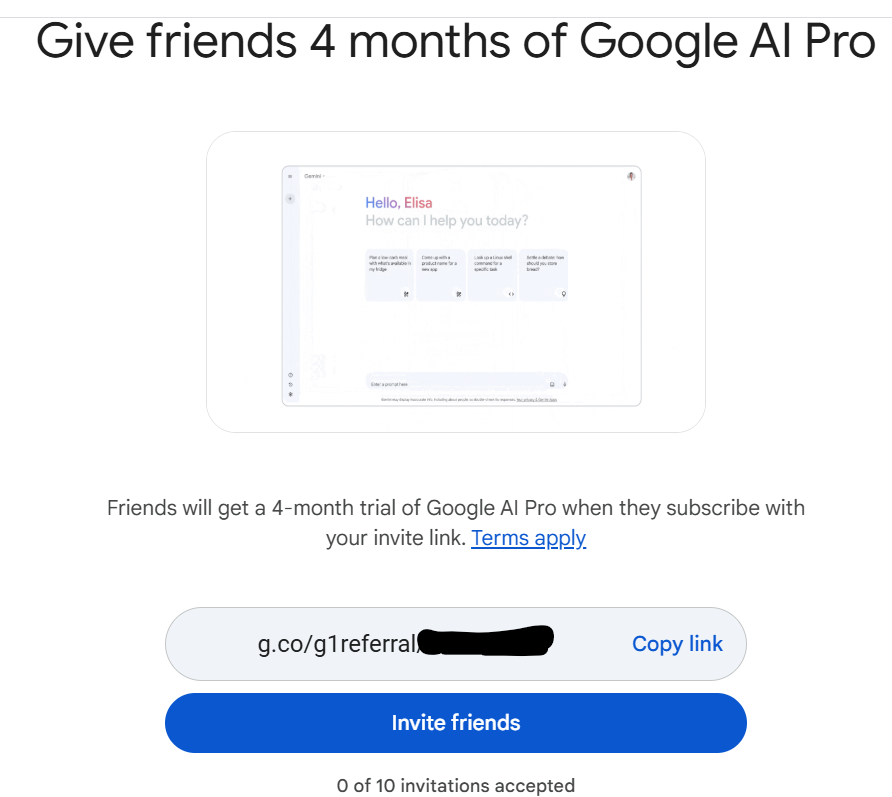
We’re evolving Google AI plans to give you more control over how you build. Every subscription includes built-in AI credits, which can now be used for Antigravity, giving you a seamless path to scale. Google AI Pro is the home for the practical builder, hobbyists, students, and developers who live in the IDE and don't necessarily rely on an agent. This plan features generous limits for Gemini Flash, with a baseline quota included to "taste test" our most advanced premium models. Google AI Ultra serves as the daily driver for those shipping at the highest scale who need consistent, high-volume access to our most complex models. If you’re on Pro but need "extra juice" for a heavy sprint or deeper access to premium models, simply top up your AI credits to customize your plan. Keep building. Keep shipping.





Well that’s a new one My app being used in actual medical environments? I don’t think my insurance would cover that


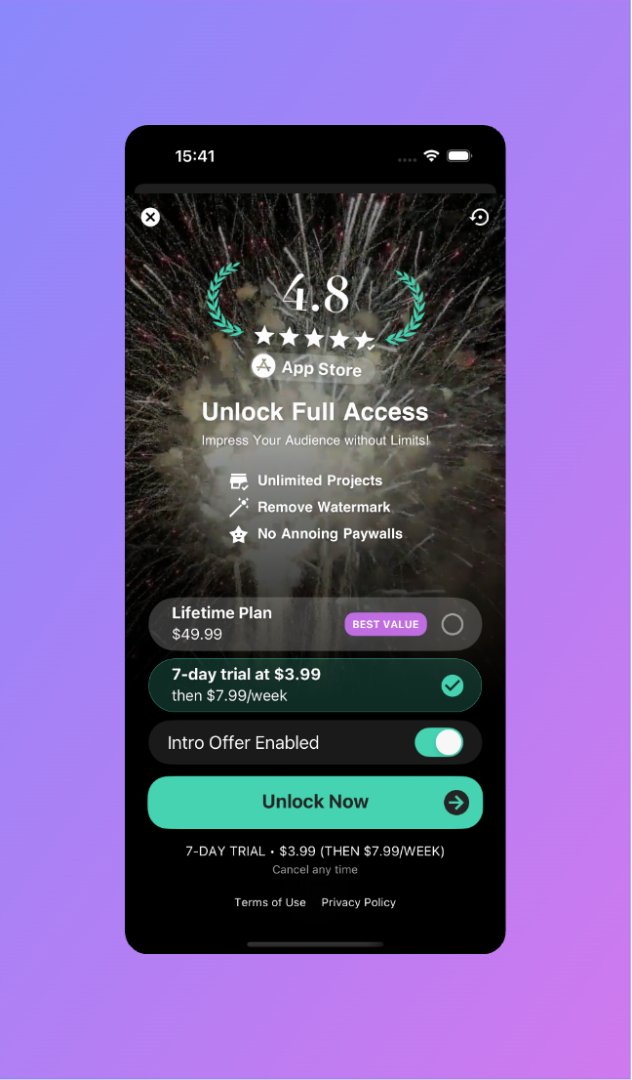

65% of my payments come from trial → subscription conversions. That’s a lot. Without a trial, most of these users would’ve probably deleted the app – and never paid.





How my very first app failed. Part 3 I started my career in software engineering as an iOS developer. Building iOS apps was such an amazing experience, native UI, smooth animations, everything felt great. The Android world, on the other hand, was something I wasn’t very excited about. But when I thought about my app and how to make it grow, I started wondering if expanding to Android could finally solve my problem. And then came the first big question: go native or go cross-platform? Going native would mean maintaining a second codebase, and that would be a pain. Cross-platform sounded better, but I already had my iOS app, something I had put so much effort into, and I’d have to drop it completely and start from scratch! It was discouraging, but I truly believed I’d found the right direction, and that it might finally help. I started exploring cross-platform solutions, and two options came up: React Native and Flutter. Flutter was a new framework back then, but it felt promising, so I decided to give it a try. I bought a Udemy course and spent the next six months mastering Flutter. Once I got a bit more confident, I dived into the creation process. Since there was no AI-assisted coding back then, it took me almost a year. I also redesigned the app to give it a fresher look. Finally, the app was ready and shipped to Android. And yes - the revenue increased… But only a little. Actually, less than iOS, and iOS was already performing terribly. So almost a year of hard work felt like a waste of time. Another failure. I was completely drained. I decided to pause everything for a few months. Even though I had given up, I still couldn’t stop thinking about it. I knew I had lost a battle, but I wasn’t ready to lose the war. And that leads to the next chapter.