

Eric Liang
124 posts
Eric Liang
@eskimoerico
0-1 ai social products (18M downloads in Asia) | previously product @peacock, @twitter
Tokyo-to, Japan Katılım Temmuz 2017
4.4K Takip Edilen601 Takipçiler

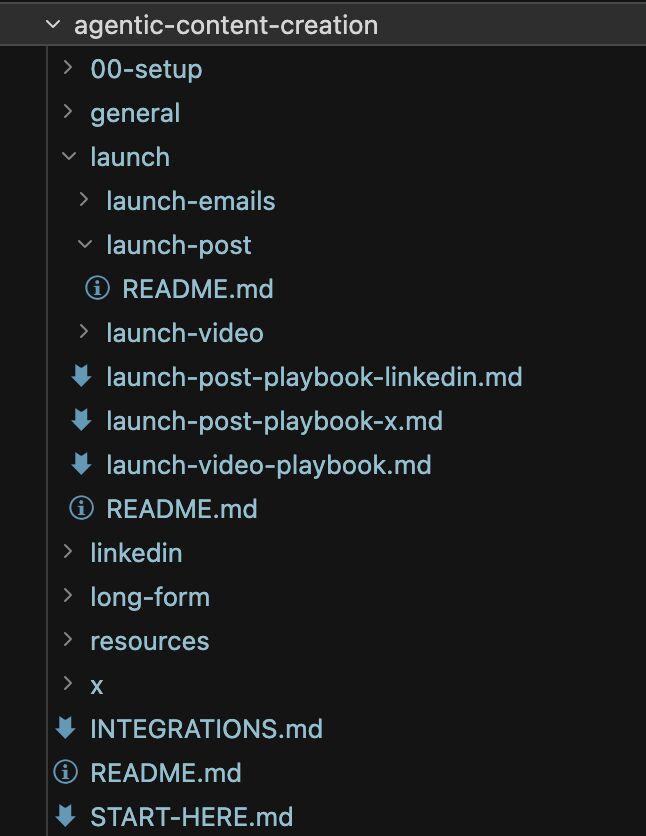
spent like 20hrs making a massive zip file of skills and agents for content creation
linkedin, X, longform, launch videos, etc all a prompt away. I used it to write our next launch script.
lmk if you want to try it and ill send it over.
English

𝗜𝗻𝘁𝗿𝗼𝗱𝘂𝗰𝗶𝗻𝗴 𝗧𝘄𝗶𝗻 — 𝘁𝗵𝗲 𝗔𝗜 𝗰𝗼𝗺𝗽𝗮𝗻𝘆 𝗯𝘂𝗶𝗹𝗱𝗲𝗿.
No setup. Secure. Infinitely scalable.
We just raised a $𝟭𝟬𝗠 𝘀𝗲𝗲𝗱.
After a beta with 𝟭𝟬𝟬,𝟬𝟬𝟬+ 𝗮𝗴𝗲𝗻𝘁𝘀 𝗱𝗲𝗽𝗹𝗼𝘆𝗲𝗱, we’re now opening to everyone.
RT and comment “Twin” — first agents on us. 👇
English

So @cluely is getting 400k+ views with AI TikTok slideshows.
And I just automated the entire system 🤯
AI selfie hook → listicle slides → soft CTA on the last slide.
Rinse. Repeat. Scale.
And now my n8n + Airtable system runs it on complete autopilot.
Perfect for e-comm brands & SaaS companies who want to test this format without the manual grind.
Here's why this format is blowing up:
→ AI-generated "selfie" as the hook image
→ 5-8 slides with tips, hacks, or advice
→ Text overlays generated automatically
→ Promotes product on the final slide
→ Music added automatically on publish
362k views. 462k views. 492k views.
Same playbook, multiple accounts, fully automated.
Here's what my system does:
→ Define your niche, tone, and content style in Airtable
→ AI generates slide text and hooks automatically
→ Nano Banana creates every image with text overlays
→ Preview and approve before anything goes live
→ Blotato publishes to TikTok on your schedule—with music
No manual Canva work.
No writing slides one by one.
No posting by hand.
What you control in Airtable:
* Niche and content direction
* Hook style and tone
* Image aesthetic and reference images
* Posting schedule (days + times)
* Approval before publish
Set it up once. Let it run daily.
I recorded a full step-by-step tutorial showing exactly how to build this system.
Want access for free?
> Like this post
> Comment "SLIDES"
And I'll send it over (must be following so I can DM)
English

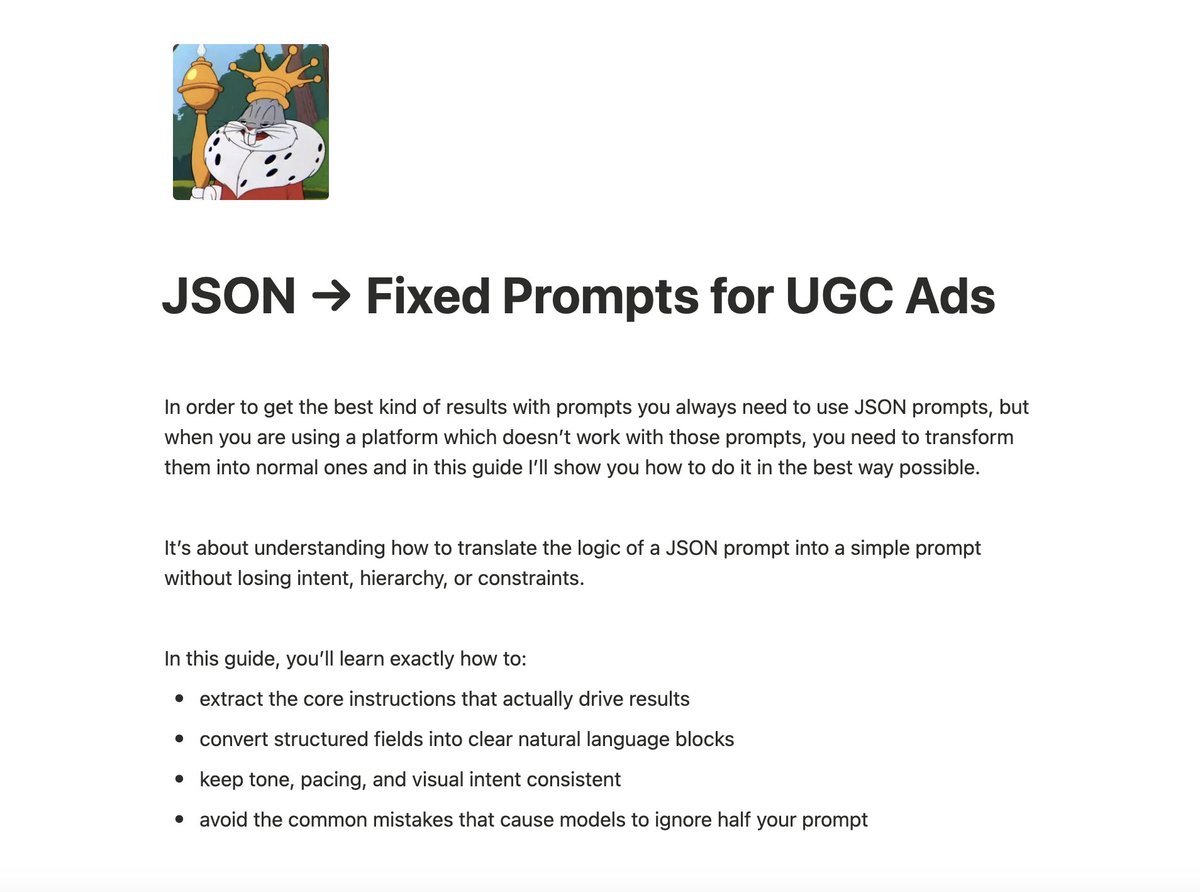
$75k/month stopped being luck once we fixed our prompts
most people use long messy prompts and wonder why results are random
the real unlock was this
JSON → fixed prompts
when a platform doesn’t support JSON you still need its structure
intent
hierarchy
constraints
pacing
we translate JSON logic into clean natural-language prompts
without losing control over the output
that’s how UGC ads stay consistent at scale
and why our creatives actually convert
i put together a short guide showing exactly how to do this step by step
rt + comment “json” and i’ll send it
(follow for dm)
English

I’m feeling generous. Get a Koala on the Walla of your own by completing the steps below. Shipping to lucky mates while supplies last. You’re welcome.
✔️Must be following Outback
✔️like this post
✔️complete this form bit.ly/3KtVERX
✔️comment STEAK when done


English
Eric Liang retweetledi

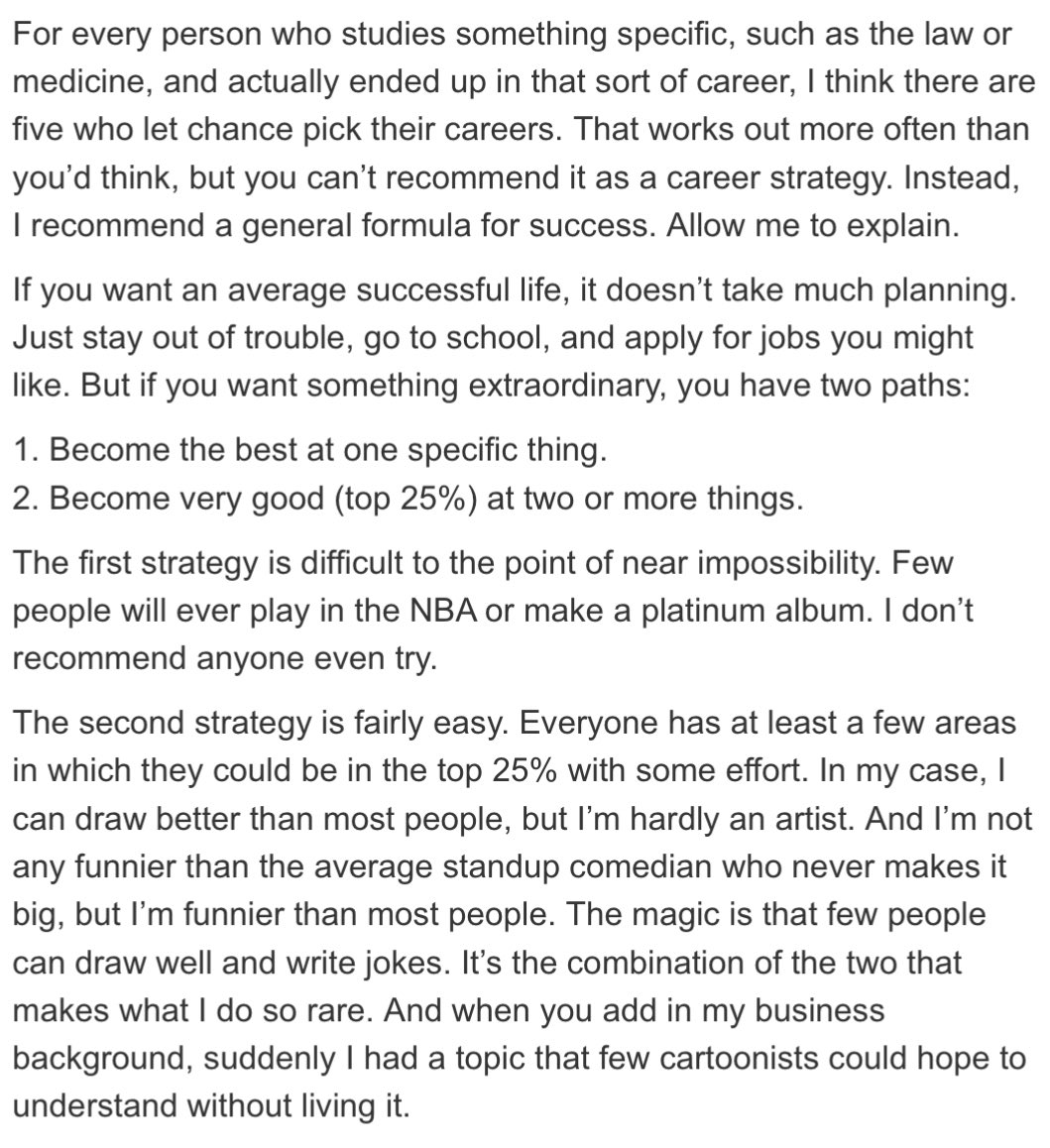
Scott’s “skill stacking” essay completely changed my perspective on work

George Mack@george__mack
Scott Adams is on my Mount Rushmore of people that shaped my life. “The day you became a better writer” is still the best thing I’ve read on writing. His concept of Skill Stacks probably added on billions to global GDP. He convinced me and thousands of other people to try hypnosis. God knows how many phobias and mental blocks he fixed by doing this. His recent book “Reframe Your Brain” passages are my current iPhone screen saver. Sent it to so many friends. Started consuming Dilbert when I was 13 years old. Life is short. Fuck. Lump in my throat. What an incredible human being. Thank you. @ScottAdamsSays.
English

Best luxury hotel for a couples weekend in the US or Mexico - need recs
English

We raised $5.9M to build @variantui: code generation with taste, range, and room to explore
Invites start rolling out today, reply for early access
English

I've had hundreds of people message me about their interest in consumer apps in the past few days...
That's why I just started a FREE group for consumer app founders. It also includes a free roadmap doc to help you launch fast af.
Comment “CONSUMER” and I’ll DM you the link👇
Alex Oak@alexoakdev
The new openai image API just dropped an hour ago. If you ever wanted to get into consumer apps, this is probably your best chance to date. An image literally only costs 1 cent and you can easily resell it for $2-$5 Here‘s what I would do to be profitable in less than 24h 👇
English
Eric Liang retweetledi
personalization effects are the new network effects
Anjney Midha@AnjneyMidha
There are very few moats in AI. But like with human relationships, you will stick with the systems that know you best Memory and context have gravity. State is a moat.
English
Eric Liang retweetledi

Consumer AI startups are going to have to relearn a bunch of things
Startup Archive@StartupArchive_
Keith Rabois explains that the key to LinkedIn’s success was investing 80% of resources in virality Keith was employee number 20 at LinkedIn, and when he left almost three years later, they were at employee 59: “People forget that it took two years to get to a million users, which in a social product feels like an eternity. Revenue - we had like none for the first 2-3 years.” He continues: “The key was Reid Hoffman, who founded LinkedIn, was very savvy, and he knew what the ingredients for success were. He was very consciously aware that LinkedIn had to be a viral product. We could not afford to pay for customer acquisition. So almost everything was predicated on: How do you create a truly viral product? And there’s ways of measuring it. That was like 80% of resources. And once we nailed the viral product, and the [viral] coefficient was above 1, then we could take time to build other products.” Video source: @khoslaventures (2024)
English

Eric Liang retweetledi

@nikitabier “People don’t want to talk to computers, they want to talk through computers.”
English


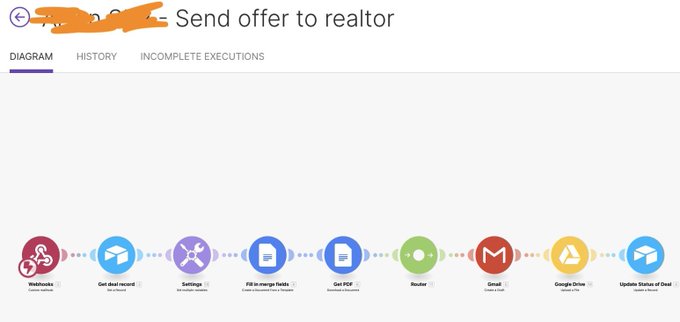
A client of mine is on track to do $600k a MONTH.
How?
I made him a tool that uses ChatGPT to scrape a list of leads, and email them a custom PDF proposal
...for thousands of leads a day
...with a couple $20 tools
Comment "send" to get the tutorial (must be following)
English

@historyinmemes Wonderful world of Ocean 🌊
twitter.com/itsme_urstruly…
English
When you realize this is the bottom of a dried-up ancient ocean
English
@ChoochSkookum @PicoPaco17 Are we talking about high cortisol levels from stress affecting dna or something else?
English

@PicoPaco17 Wait till you discover that your thoughts can affect your DNA.
And that is a big reason why God warns us against sin.
English
Eric Liang retweetledi

An interesting take from Sam. I think our great expansion is over. We’ve grown from 1M people connected to an internet 30 years ago to 4B right now. Now that it is less about expansion, tech innovation is more about spending time better. Replacing one activity for another
sam lessin 🏴☠️@lessin
Tech "Disruption" is Over ... Even As Tech Innovation Continues.
English
Eric Liang retweetledi

@dankvr @CardilloSamuel What are the biggest legal constraints you’re facing right now?
English

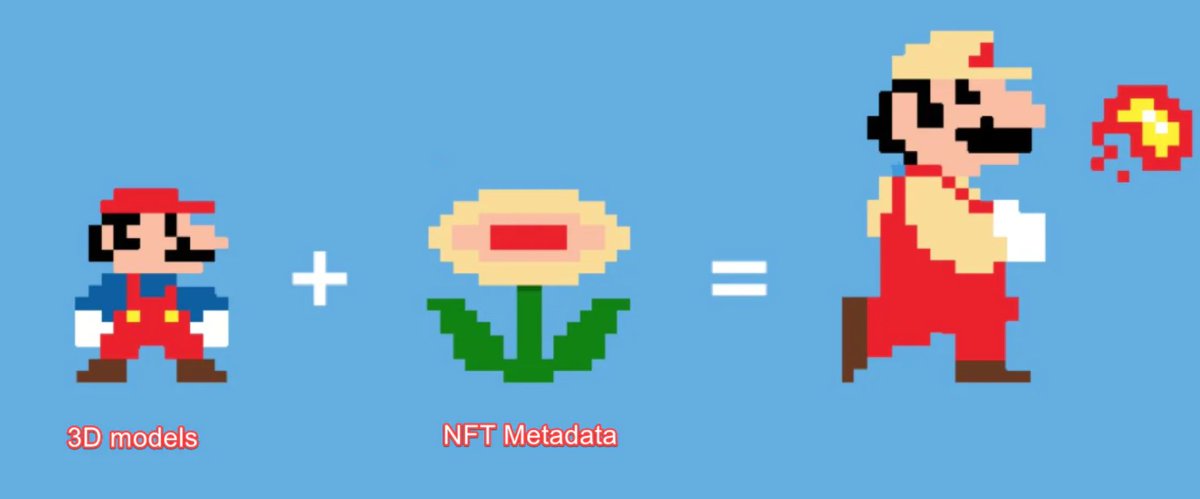
@CardilloSamuel I think this can overall help with potential legal things in the future since attribution can be preserved with the file itself and not decoupled between the asset and representative NFT
More here: mirror.xyz/openvoxels.eth…
English

I am currently in the plane, mapping out flows for a more frictionless RTFKT experience. Lot of challenges to tackle: from wallets connections to interoperability & operational costs.
But I am 100% positive that we will succeed. Technical challenges are made to be solved.
English