Brigham's Burner@FiredUpCoug
My thoughts in regards to permanent Daylight Savings Time:
Having grown up in Washington State and struggled with seasonal depression for decades, I can tell you that Utahns do not fully understand what they would be signing up for with permanent daylight saving time.
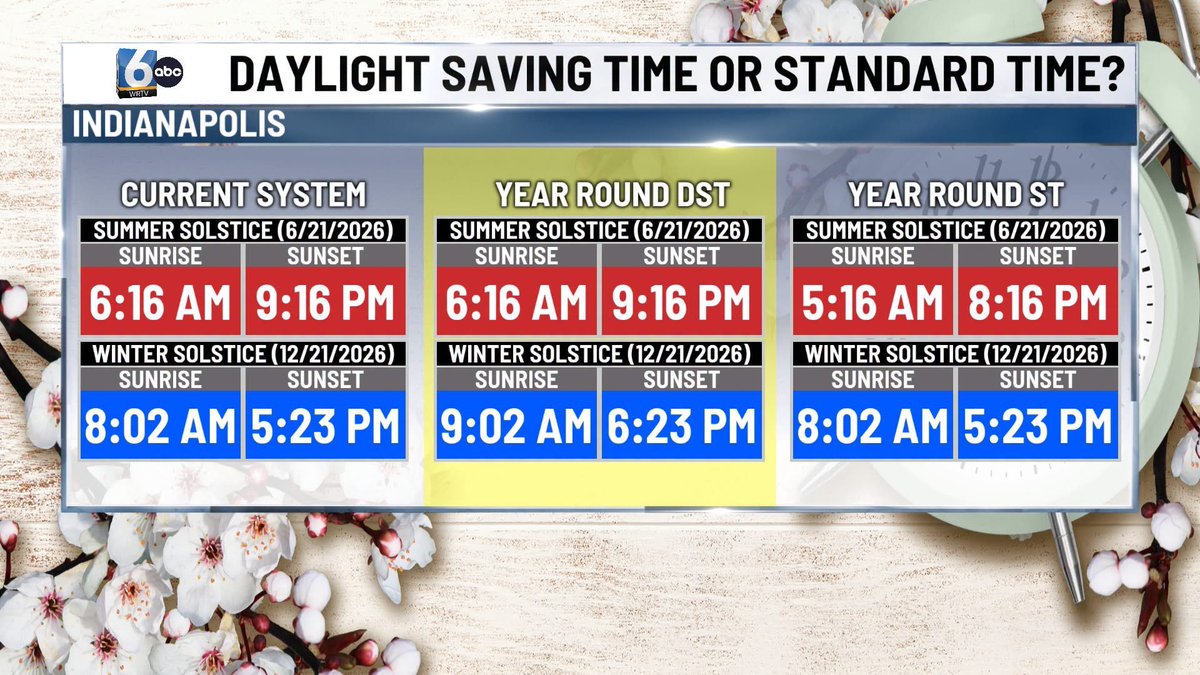
In northern Utah, permanent daylight saving time would push midwinter sunrise to around 9:00 a.m. That would mean children arriving at school in darkness, commuters spending much of the morning without sunlight, and many people beginning their entire workday before their brains receive one of the most important signals for regulating sleep, energy, and mood.
My grandfather was a pioneering sleep researcher who studied circadian rhythms and seasonal depression. He invented the Dawn Simulator, a light-control box that gradually turned on household lights to mimic a natural sunrise. His work helped provide the basis for the modern dawn-simulation systems used today.
The purpose of that invention was simple: morning light matters. Sunrise helps suppress melatonin, anchors the body’s internal clock, and tells the brain that the day has begun.
Permanent daylight saving time would delay that signal by an additional hour during the darkest part of the year. It would likely worsen symptoms for many people who already struggle with seasonal affective disorder, and it could potentially trigger clinically significant symptoms in others who are susceptible but have never experienced them before.
Yes, Utah would gain more evening light, but evening light is not biologically interchangeable with morning light.
An earlier sunset may be inconvenient. A 9:00 a.m. sunrise, repeated throughout the winter, could be genuinely damaging to sleep, energy, and mental health.
Utah should not trade essential morning light for an extra hour of recreation after work.