Sabitlenmiş Tweet
Ariel ليو
15.9K posts


Ariel ليو
@goldrel
Design, strategy, UX & scholarship for some of the world’s largest and smallest orgs. scrib₿les at https://t.co/kDlYgcnYFw 📙
🕊 Katılım Mayıs 2009
1.5K Takip Edilen1.5K Takipçiler

BREAKING: A SECOND Sphinx detected in Egypt as scans hint at 'underground megastructure'
English
Ariel ليو retweetledi


He’s winding down the war and looking for an off-ramp but will blow up all their power plants unless they open the Strait which we don’t need and will open itself anyway which is why he might send ground troops to the country he already blew off the map.

English

He literally explains how to discover what you were born to do (in 2 mins)
English

Although music existed in prehistoric Egypt, the evidence for it becomes secure only in the historical (or "dynastic" or "pharaonic") period after 3100 BC. Music formed an important part of Egyptian life, and musicians occupied a variety of positions in Egyptian society. Music found its way into many contexts in Egypt: temples, palaces, workshops, farms, battlefields and the tomb. Music was an integral part of religious worship in ancient Egypt, so it is not surprising that there were gods specifically associated with music, such as Hathor and Bes (both were also associated with dance, fertility and childbirth).
All the major categories of musical instruments (percussion, wind, stringed) were represented in pharaonic Egypt. Percussion instruments included hand-held drums, rattles, castanets, bells, and the sistrum, a highly important rattle used in religious worship. Hand clapping too was used as a rhythmic accompaniment. Wind instruments included flutes (double and single, with reeds and without) and trumpets. Stringed instruments included harps, lyres, and lutes-plucked rather than bowed. Instruments were frequently inscribed with the name of the owner and decorated with representations of the goddess (Hathor) or god (Bes) of music. Both male and female voices were also frequently used in Egyptian music.
Professional musicians existed on a number of social levels in ancient Egypt. Perhaps the highest status belonged to temple musicians; the office of "musician" (shemayet) to a particular god or goddess was a position of high status frequently held by women. Musicians connected with royal household were held in high esteem, as were certain gifted singers and harp players. Somewhat lower on the social scale were musicians who acted as entertainers for parties and festivals, frequently accompanied by dancers. Informal singing is suggested by scenes of workers in action; captions to many of these pictures have been interpreted as words of songs. Otherwise there is little evidence for the amateur musician in pharaonic Egypt, and it is unlikely that musical achievement was seen as a desirable goal for individuals who were not professionals.
Ancient Egyptians have long valued music much in their daily life. Performing musicians and vocalists are frequently seen alongside the tunes they played or sang along to in wall reliefs and paintings found in temples and tombs. In addition to musical instruments, a wide range of items decorated with images of musical sceneries have persisted to this day. There are many statues and statuettes of musicians, and the abundance of textual material enables us to determine the performers’ names, the names of their instruments, their repertoires, and the playing styles they employed. The singer Kahay, who was praised for his lovely voice, was one of the artists whose names were also well-known.
The harp was not only the most popular musical instrument in ancient Egypt, but it was also shown as one of the sacrifices made to the gods during rituals and processions. Texts indicate that it was decorated with priceless materials. An ebony, gold, and silver harp belonged to King Ahmose. A step farther was taken by Thutmose III, who ordered “a superb harp made with silver, gold, lapis lazuli, malachite, and every splendid precious stone.”
🎥 : Egyptian singer Shahd Ezz performs a song in the language of ancient Egypt. An Egyptian soprano known for performing reconstructed ancient Egyptian chants, like this hymn to Amun-Ra. She's featured in cultural events reviving pharaonic music.
#archaeohistories
English

Marc Andreessen is a fucking moron and i'm tired of pretending otherwise
him and the rest of the Silicon Valley VC midwits like garry tan and so on are some of the most insufferable "intellectuals" i've ever seen and that's why you'll never produce any writing of high quality yourself Marc, that's why your "techno optimist manifesto" reads like it was written by a 12 year old boy
Marc goes on to quote this saying "read Nietzsche" as if Nietzsche supports his point - Nietzsche literally wrote entire books moaning about his feelings
the reality of the matter is that the greatest men and women of history were highly emotional, and the fact that you are too incompetent to even read that says everything about your understanding of humanity
Alexander the Great was one of the most emotional leaders, known for throwing temper tantrums
Napoleon was known for being highly emotional and moaning about his feelings
The Epic of Gilgamesh about the first great ancient king of history is literally about him rolling around in the wilderness moaning about his feelings...
i could go on and on and mention more kings and philosophers and how they were ALL highly emotional
but i don't think you would understand
i don't think you're competent enough to understand what the mind of a great man actually looks like
Marc Andreessen 🇺🇸@pmarca
It is 100% true that great men and women of the past were not sitting around moaning about their feelings. I regret nothing.
English

@YOHAMI What does it say about a mind that wants 100 women vs a mind that wants one
English


Ariel ليو retweetledi

Great men of history had little to no introspection.
The personality that builds empires is not the same personality that sits around quietly questioning itself.
@pmarca and I discuss what we both noticed but no one talks about:
David: You don't have any levels of introspection?
Marc: Yes, zero. As little as possible.
David: Why?
Marc: Move forward. Go!
I found people who dwell in the past get stuck in the past. It's a real problem and it's a problem at work and it's a problem at home.
David: So I've read 400 biographies of history’s greatest entrepreneurs and someone asked me what the most surprising thing I’ve learned from this was [and I answered] they have little or zero introspection.
Sam Walton didn't wake up thinking about his internal self.
He just woke up and was like:
I like building Walmart. I'm going to keep building Walmart. I'm going to make more Walmarts. And he just kept doing it over and over again.
Marc: If you go back 400 years ago it never would've occurred to anybody to be introspective.
All of the modern conceptions around introspection and therapy, and all the things that kind of result from that are, a kind of a manufacture of the 1910s, 1920s.
Great men of history didn't sit around doing this stuff.
The individual runs and does all these things and builds things and builds empires and builds companies and builds technology.
And then this kind of this kind of guilt based whammy kind of showed up from Europe. A lot of it from Vienna in 1910, 1920s, Freud and all that entire movement. And kind of turned all that inward and basically said, okay, now we need to basically second guess the individual.
We need to criticize the individual.
The individual needs to self criticize.
The individual needs to feel guilt, needs to look backwards, needs to dwell in the past.
It never resonated with me.
David Senra@davidsenra
My conversation with Marc Andreessen (@pmarca), co-founder of @a16z and Netscape. 0:00 Caffeine Heart Scare 0:56 Zero Introspection Mindset 3:24 Psychedelics and Founders 4:54 Motivation Beyond Happiness 7:18 Tech as Progress Engine 10:27 Founders Versus Managers 20:01 HP Intel Founder Legacy 21:32 Why Start the Firm 24:14 Venture Barbell Theory 28:57 JP Morgan Boutique Banking 30:02 Religion Split Wall Street 30:41 Barbell of Banking 31:42 Allen & Company Model 33:16 Planning the VC Firm 33:45 CAA Playbook Lessons 36:49 First Principles vs. Status Quo 39:03 Scaling Venture Capital 40:37 Private Equity and Mad Men 42:52 Valley Shifts to Full Stack 45:59 Meeting Jim Clark 48:53 Founder vs. Manager at SGI 54:20 Recruiting Dinner Story 56:58 Starting the Next Company 57:57 Nintendo Online Gamble 58:33 Building Mosaic Browser 59:45 NSFnet Commercial Ban 1:01:28 Eternal September Shift 1:03:11 Spam and Web Controversy 1:04:49 Mosaic Tech Support Flood 1:07:49 Netscape Business Model 1:09:05 Early Internet Skepticism 1:11:15 Moral Panic Pattern 1:13:08 Bicycle Face Story 1:14:48 Music Panic Examples 1:18:12 Lessons from Jim Clark 1:19:36 Clark Versus Barksdale 1:21:22 Tesla Versus Edison 1:23:00 Edison Digression Setup 1:23:13 AI Forecasting Myths 1:23:43 Edison Phonograph Lesson 1:25:11 Netscape Two Jims 1:29:11 Bottling Innovation 1:31:44 Elon Management Code 1:32:24 IBM Big Gray Cloud 1:37:12 Engineer First Truth 1:38:28 Bottlenecks and Speed 1:42:46 Milli Elon Metric 1:47:20 Starlink Side Project 1:49:10 Closing Includes paid partnerships.
English







Ariel ليو retweetledi

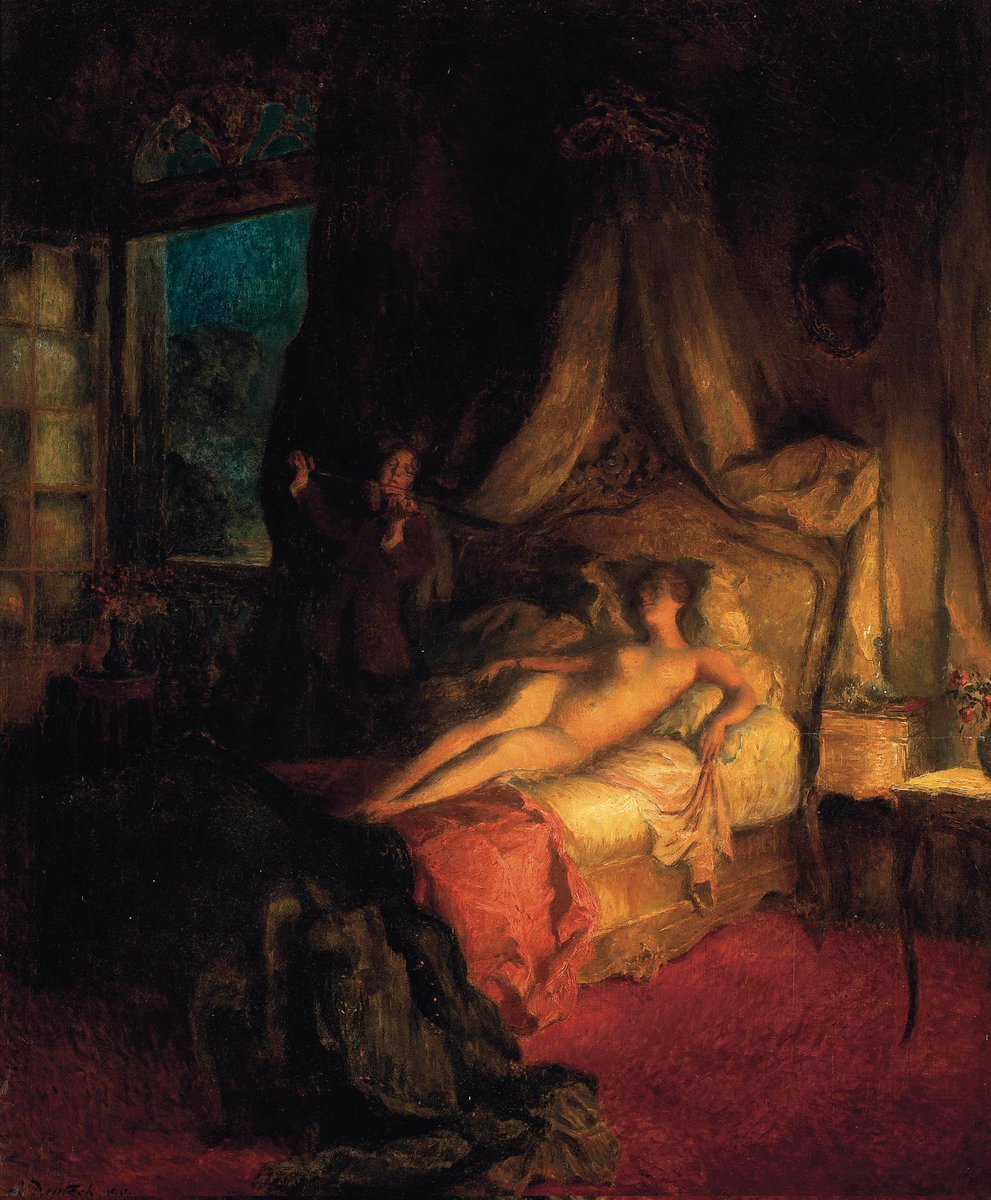

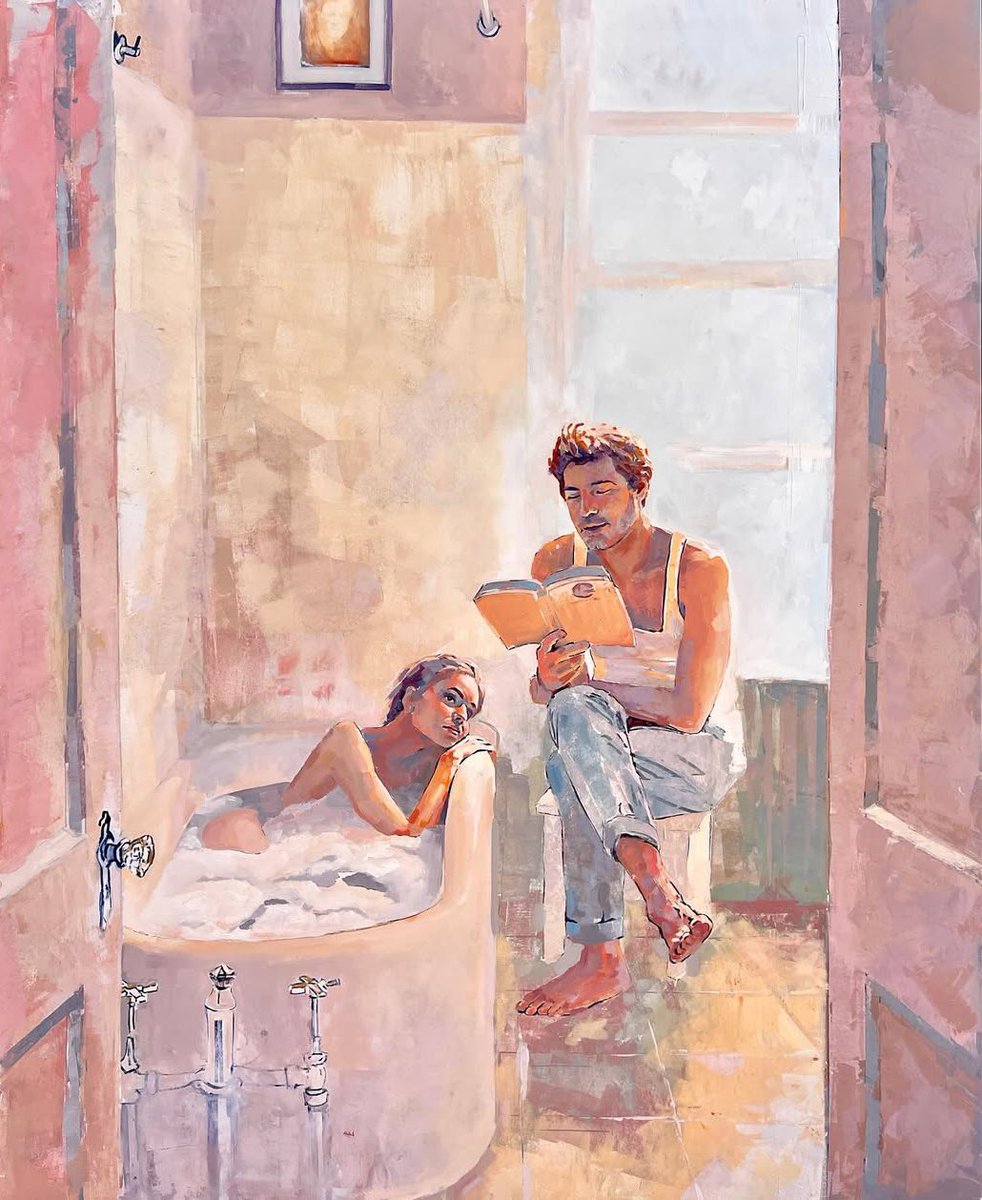

The guy that posted this doesn’t miss.
(we’re f*cked)

English