Sabitlenmiş Tweet

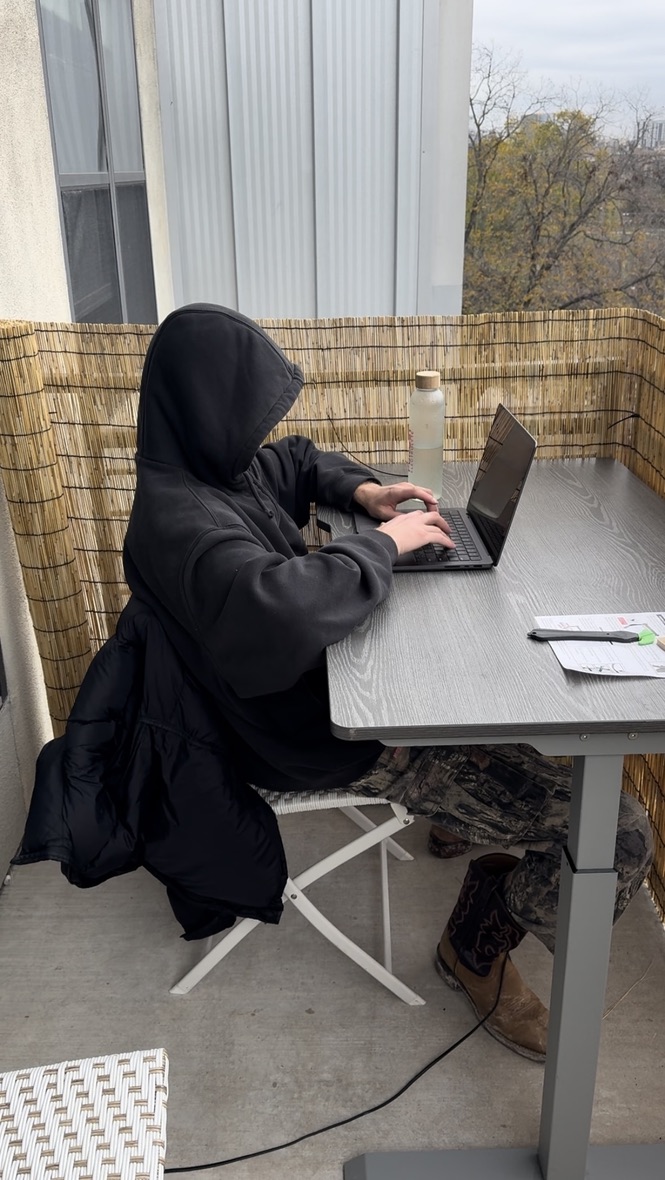
Two months ago, I started building an iOS app with @basedethos.
Today, it’s finally being released into the wild.
Here’s the crazy story of how it all started:
English
JACK SWEENEY
11.9K posts
@jackfsweeney
mystic tech entrepreneur building @coherencebreath download on ios + android: https://t.co/tXO5iKFJsY



excess CO2 is killing your sleep and daytime productivity. don’t believe me? sleep (PMIDs: 26452168, 32979003, 37076419): <750 ppm = safe zone >900-1000 ppm: sympathetic nervous system activation, 1.3% decreases sleep efficiency, more time awake (5-10min+ per night), less deep sleep, morning grogginess, poorer next day cognitive performance. >1300 ppm (common in poorly ventilated bedrooms): 1.8% reduced sleep efficiency, 7 min less deep sleep, higher post wake cortisol, morning grogginess more pronounced. >2000-3000 ppm (extreme): strongly linked to fragmented sleep, morning sluggishness and markedly poorer cognitive performance. daytime (PMID 26502459): >945 ppm: cognitive function declines ~15% on decision making and complex tasks 1400-2500 ppm: dramatic drop (up to 50%) on complex tasks. performance becomes "dysfunctional." The solution is simple. Get a CO2 meter (NDIR is the best), use it, open windows and decrease CO2 levels as much as possible wherever you are, especially when you are sleeping/working.

vagus nerve maxxxxing: - humming - diaphragm breathing - 4/8 breathing - physical touch - massages - grounding - swimming - prayer - sunlight - doing nothing - meditation - singing and chanting your vagus nerve is the most important nerve in your body, controlling heart rate, digestion, immune system and inflammation. high vagal tone = calm, healthy, resilient. low vagal tone = anxious, inflamed, sick.



Rick Rubin has low heart rate variability. So he looked up everything that raises it, picked one technique, and started doing it every day. It worked. The technique: coherence breathing. 10 to 20 minutes a day, at least once, sometimes twice. Now he and @hubermanlab do it together on camera so you can follow along:

WHY YOU SHOULD DO BREATHWORK EVERY DAY: drops stress and anxiety faster than meditation: Stanford RCT (2023, Cell Reports Medicine): 5 min/day of structured breathing reduced anxiety more than mindfulness meditation over 28 days (p < 0.05) improves heart rate variability (HRV): Same Stanford study: daily breathwork significantly increased HRV measured via WHOOP. HRV is the #1 biomarker for stress resilience and longevity lowers resting respiratory rate: Breathwork group saw measurable drops in resting breathing rate vs meditation group, meaning your baseline nervous system state shifts calmer activates the parasympathetic nervous system in under 90 seconds: Slow breathing at 5.5 breaths/min stimulates the vagus nerve, shifting you from fight-or-flight to rest-and-digest within 1-2 minutes (Lehrer & Gevirtz, 2014, Frontiers in Psychology) improves sleep quality: The Stanford study found daily breathwork improved sleep disturbance scores (PROMIS scale) over the 28-day period lowers blood pressure: Slow breathing training at 6 breaths/min significantly reduced systolic and diastolic BP in hypertensive patients and improved cardiac autonomic function (Yuenyongchaiwat et al., 2024, RCT) the only voluntary control you have over your autonomic nervous system: You can't willpower your heart rate down. You can't think your way out of a cortisol spike. But you can breathe your way out. Breath is the one manual override. build the habit on the Coherence app: (use my code JACK14 for 2 weeks free) coherencebreath.com