Jackson Moore-Otto retweetledi

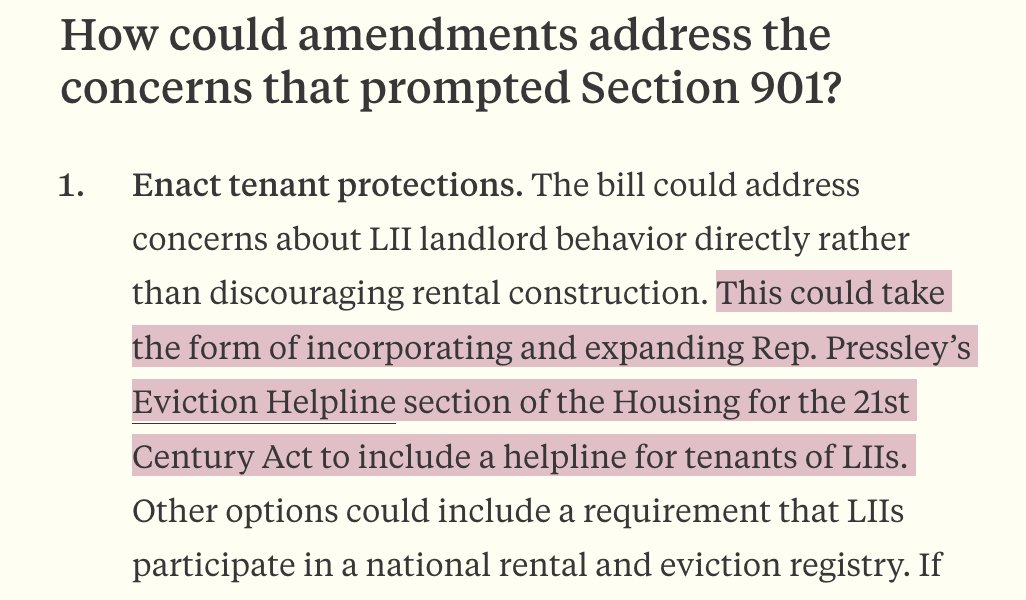
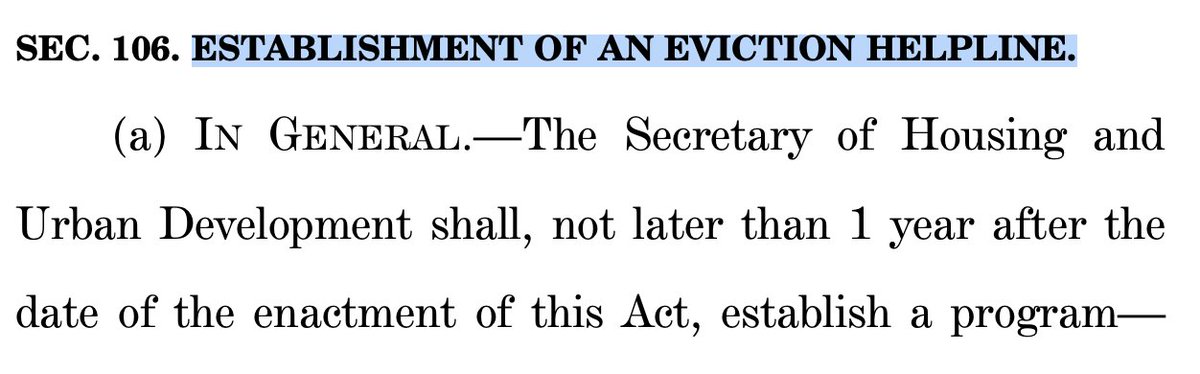
Exciting that the House is taking the approach we suggested in our explainer, enacting protections for tenants rather than restricting rental options

English
Jackson Moore-Otto
1.1K posts

@jmooreotto
Transpo policy @PubEnterprise, also fighting for abundant housing and transit in Massachusetts. Views own.

Exciting that the House is taking the approach we suggested in our explainer, enacting protections for tenants rather than restricting rental options

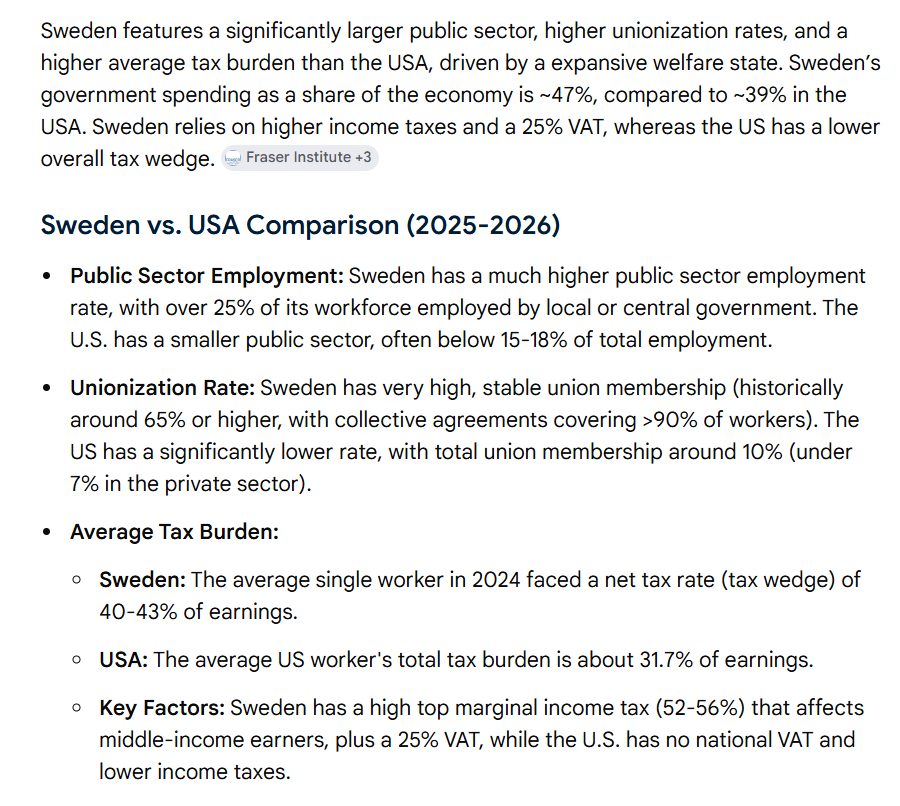
Important piece. After Sweden's 1970s-1980s experiment with sky-high taxes and spending brought economic stagnation and a debt crisis... a reformed Sweden is now, in many ways, more capitalist than the U.S. (with strong results). We're falling behind. wsj.com/world/europe/t…


“Are we kinda bein’ pricks?” a Massachusetts man asked at a town meeting, drawing attention to a housing plan that seemed to intentionally avoid adding much housing on.wsj.com/3PgmDmm





Stay tuned for our playbook of 15 Weird Tricks to build transit faster and more affordably in the US, coming soon!
few interventions are more worthless that new yorkers whining about not having more train lines (or californians not having hsr) unless they also have some real cost control ideas

The stats here are kind of remarkable. BART's new fare gates have led to a 1,000-hour decline in clean up time; 41% drop in crime; and $10 million increase in projected revenue. theatlantic.com/ideas/2026/04/…

Metro‘s board expected to vote Thursday on budget that includes plans to make the Red Line fully automated to the point where trains could run without operators. Platform screen doors would be installed at Red Line stations. Expansion to other lines would depend on funding #wmata



The Senate created the biggest pro-housing bill in years. Why did they add a provision at the last minute that discourages 100K-130K homes per year (7-10% of all US housing supply)? Trump's original proposal banned investors from buying existing single-family homes, but protected build-to-rent housing. Section 901 in the Senate bill does the opposite, reducing homebuilding during a housing shortage. Here’s how Section 901 works: 1. It bans investors from “purchasing” single-family homes, but its definition of “purchase” includes building new homes. 2. There are exceptions: investors can build new homes, but only if they sell them to individuals within 7–10 years. 3. That’s a problem: Many investors build rental homes because they want long-term, steady income (or because it's required for LIHTC affordable housing). Forcing sales could prevent these homes from being built in the first place. 4. Even worse, many can’t sell. A lot of build-to-rent homes sit on shared land that can't easily be split into individual lots. If investors can't sell the home separately, they just won't build it. Then no renter or homebuyer gets a new home. 5. Section 901 has a bigger exception: investors can get around the ban with a “program to promote homeownership.” If they do credit reporting and offer tenants a right of first refusal, they can buy or build as many single-family homes as they want -- including existing ones. 6. But this exception also doesn’t work for shared-lot BTR developments. So investors could stop building affordable, attached housing and shift to costlier models, or just invest in something else entirely, like data centers. 7. Manufactured housing and triplexes are exempt from the section, and other loopholes might work in some circumstances. But if the goal was to stop investors from competing with homebuyers, it fails -- while threatening housing supply. 8. Our writeup includes amendment language that would fix these problems. There are real issues with large landlords (just like there are with small landlords), but Section 901 doesn't address any of them. @reedschwartzsf and I have more details in our @IFP Section 901 FAQ here: ifp.org/road-section-9…