
Nobukhosi Dube
819 posts

@khosiedee22
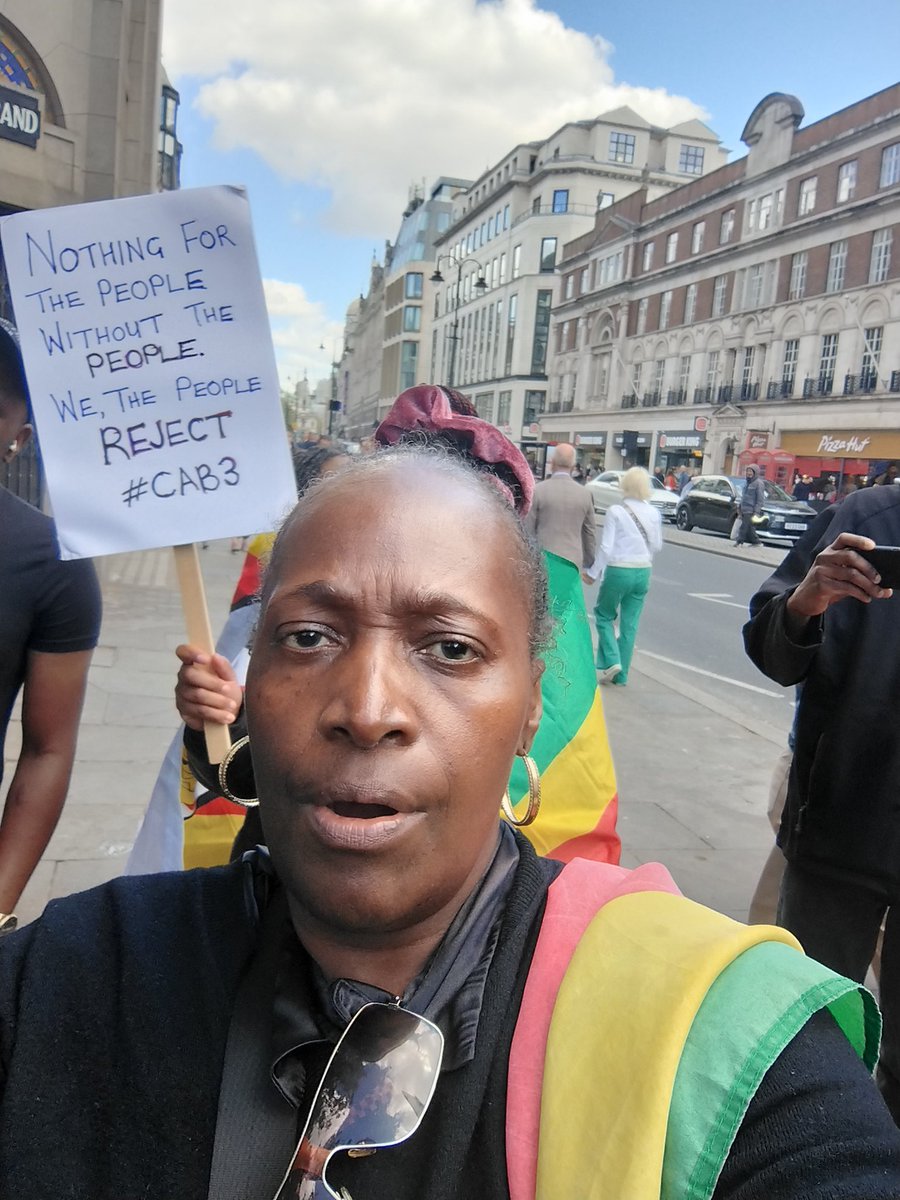
POLITICAL ACTIVISTS✊ Citizens Coalition for CHANGE CCC UK & Ireland, Manchester Branch. Human Rights Activists @ZHRO.


Alert Urgent 🚨 🚨 🚨 ZDF & Zimbabwe. Behind the scenes, ED is building a private kingdom. A leak reveals the final draft for ZDF restructuring ED has gone rogue. The military is being privatized. Read, wake up, and share this with the world. I have warned you.


🟡 CHANGE ECONOMY The Mirage of a “Gold-Backed” Currency By Change News Economic Desk `Follow Change News WhatsApp Channel ` whatsapp.com/channel/0029Vb… Zimbabwe’s ZiG currency was introduced as a so-called “gold-backed” domestic currency meant to restore confidence and stabilize the economy. But for many ordinary Zimbabweans, the phrase “gold-backed” means very little in practical terms. Ask ordinary citizens whether ZiG truly feels backed by gold, and many simply say: 🗣️ “No.” And in many ways, they are right. In modern economies, currencies are ultimately backed less by physical commodities and more by: ⚖️ Trust 🏛️ Institutional credibility 📈 Economic productivity 💰 Fiscal discipline 📊 Predictable monetary policy That trust is severely lacking in Zimbabwe. Many Zimbabweans say they see no real connection between the country’s gold reserves and the actual lived reality of using ZiG: Prices continue fluctuating Businesses still prefer USD Citizens rush to convert local currency into hard assets or foreign currency Savings confidence remains low The deeper issue is psychological and institutional. If people genuinely believed ZiG was securely tied to gold value, they would bank it confidently, save in it, and transact in it voluntarily. Instead, many Zimbabweans continue behaving defensively because past experiences with currency collapse, inflation, and wiped-out savings remain deeply traumatic. After all, nobody realistically expects to walk into a bank and demand physical gold bars in exchange for ZiG notes. Citizens understand instinctively that the “gold backing” exists more as a policy narrative than a tangible guarantee. That is why many economists argue the future stability of Zimbabwe’s currency will not come from gold slogans or marketing campaigns. It will come from: 📉 Lower inflation 📊 Policy consistency 💼 Economic growth 🏦 Central bank credibility ⚡ Functional production sectors 🧾 Transparency and accountability A stable currency is built through trust — and trust must be earned over time. Zimbabweans want a domestic currency they can confidently: ✔️ Save ✔️ Budget with ✔️ Invest with ✔️ Retire with ✔️ Pass on to their children without fear of collapse Until then, many citizens will continue seeing ZiG not as “gold-backed,” but as another uncertain experiment in a long history of monetary instability. 🇿🇼 We, The Citizens, want a serious economic recovery plan — not economic mirages. #ChangeEconomy #ZiG #Zimbabwe #CurrencyCrisis #WeTheCitizens


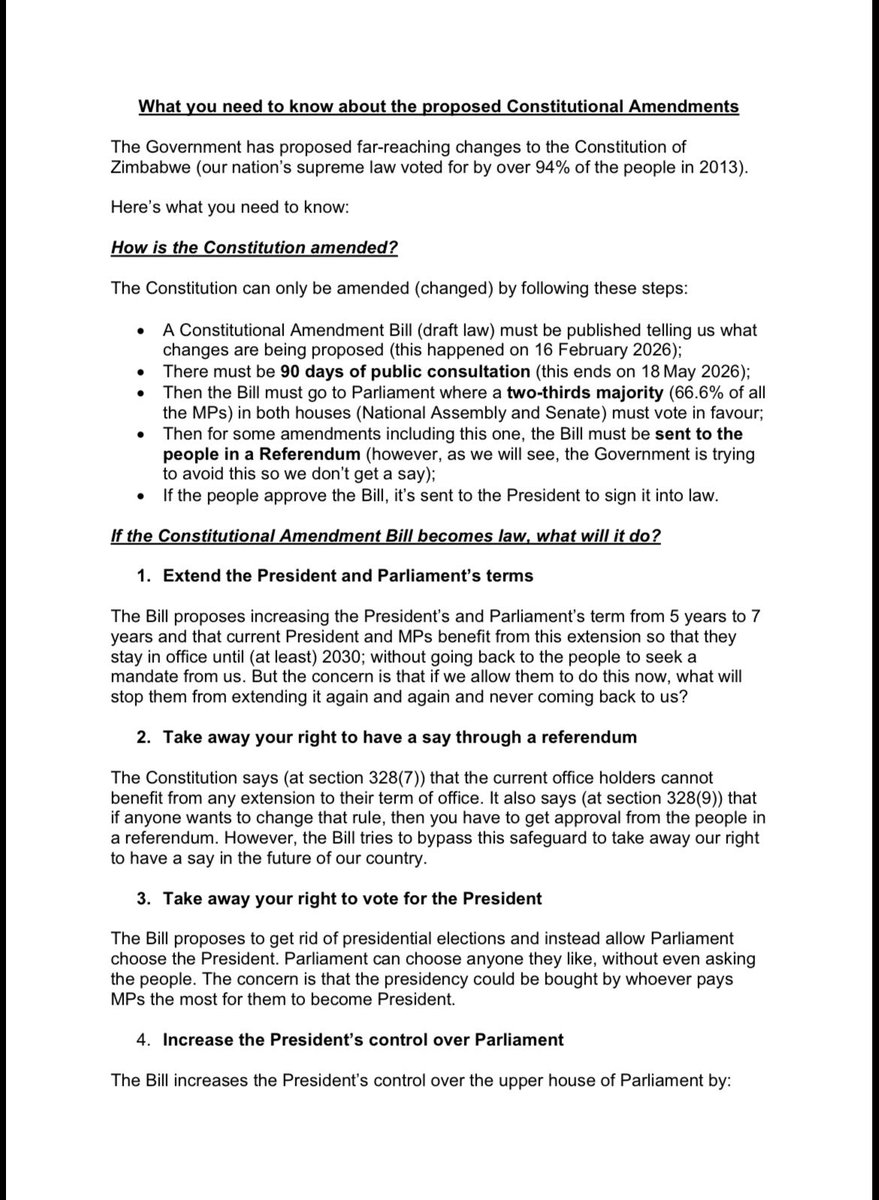
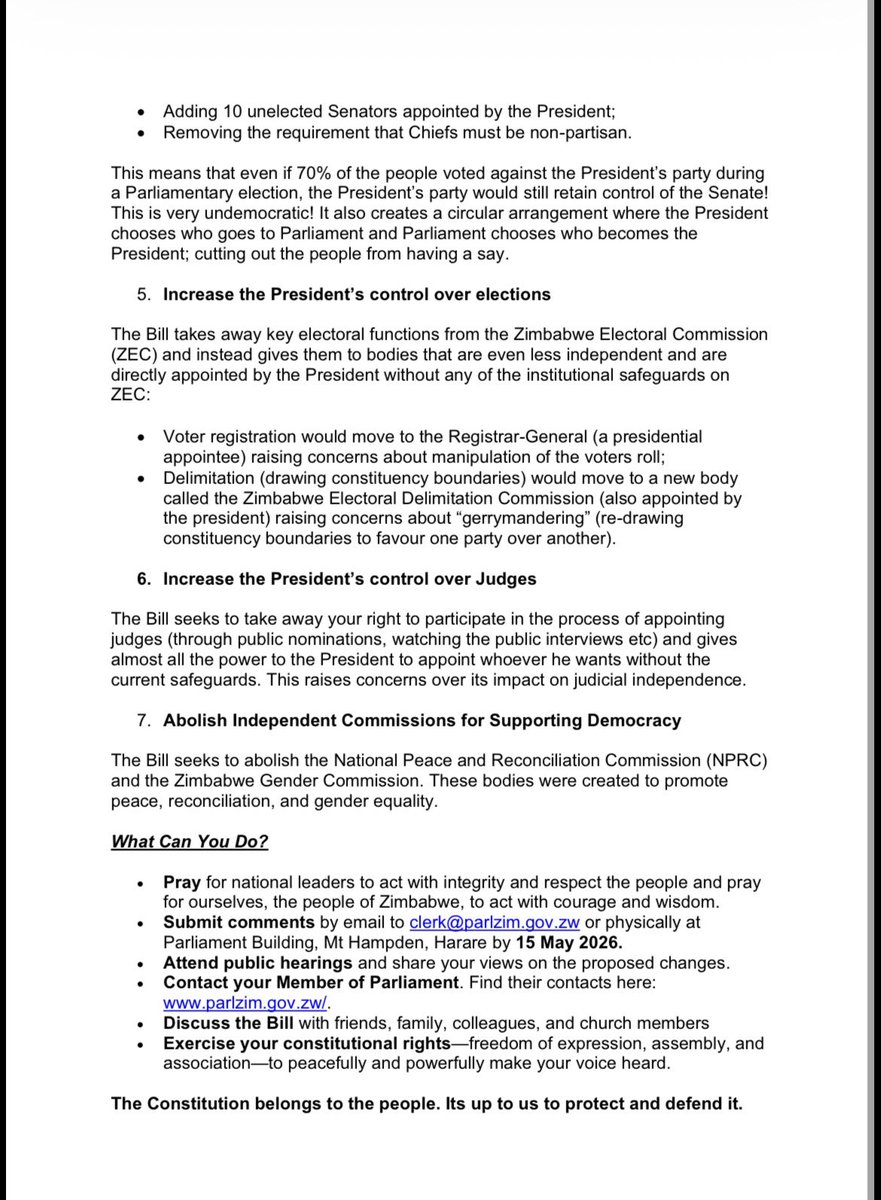
It is actually very silly to think you can fundamentally change public opinion in Zimbabwe using paid trolls, bots, and ghost accounts. Zimbabweans are living the reality of unemployment, collapsed hospitals, corruption, power cuts, poor roads, and an economy that has failed millions of people. No amount of fake accounts on social media can convince someone with no electricity, no clean water, and no job that their life is improving. Manufactured consensus online does not change lived reality offline. At best, these ghost accounts create noise, intimidate some people, and distort conversations temporarily, but they cannot permanently alter what people experience every single day in their homes, communities, and wallets. In fact, overuse of trolls often has the opposite effect because people eventually recognise the coordinated messaging and lose even more trust in those deploying it. What I find fascinating is the huge number of bots and ghost accounts, many of them opened in 2026, which have completely spoiled any genuine attempt to engage with the CAB 3 debate. The use of these accounts demonstrates a certain type of desperation by whoever is deploying them. Instead of engaging intellectually, they flood the conversation with coordinated agreement and attempt to manufacture the illusion of overwhelming public support. What is even more revealing is how many of these accounts have little to no posting history, very few followers, and exist almost entirely to amplify one narrative. It exposes how social media manipulation is now being comically used to distort public debate. It also shows how amateur the person behind this operation is, an incompetent individual with access to vast resources but completely lacking strategic thinking. It is a crude and unsophisticated approach that mistakes noise for influence. Instead of strengthening their position, it exposes desperation and a complete misunderstanding of how public opinion is actually formed in a society where people are living through the crisis themselves every day.