
Sabitlenmiş Tweet
Michael Dolejš
10.3K posts


Michael Dolejš
@michaeldolejs
Graphic Designer from Prague | Digital, Identity & Communication | [email protected] | Partner at @studionajbrt
Prague, Czech Republic Katılım Temmuz 2009
2K Takip Edilen964 Takipçiler
Michael Dolejš retweetledi


Michael Dolejš retweetledi

Michael Dolejš retweetledi

Michael Dolejš retweetledi

I wish @internetofshit was still a thing
Quinn Nelson@SnazzyLabs
I’m just updating the firmware on my kitchen knife…
English
Michael Dolejš retweetledi

Michael Dolejš retweetledi

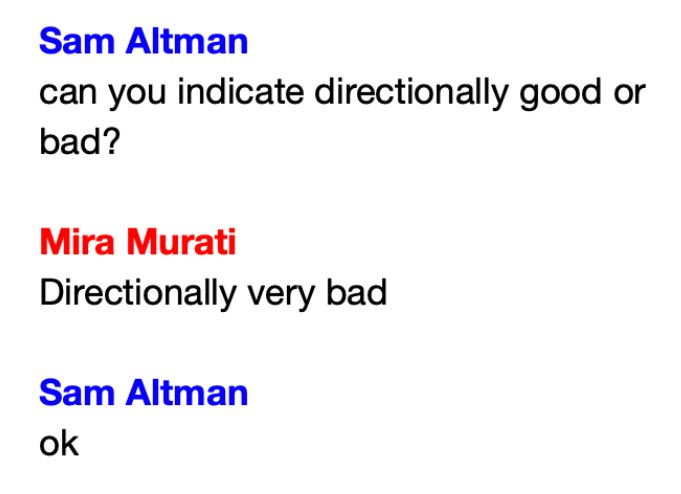
every company is trying to figure how to deal with AI. so we made a TV show (comedy sketches, really) about it.
aicompanyshow.com
English
Michael Dolejš retweetledi

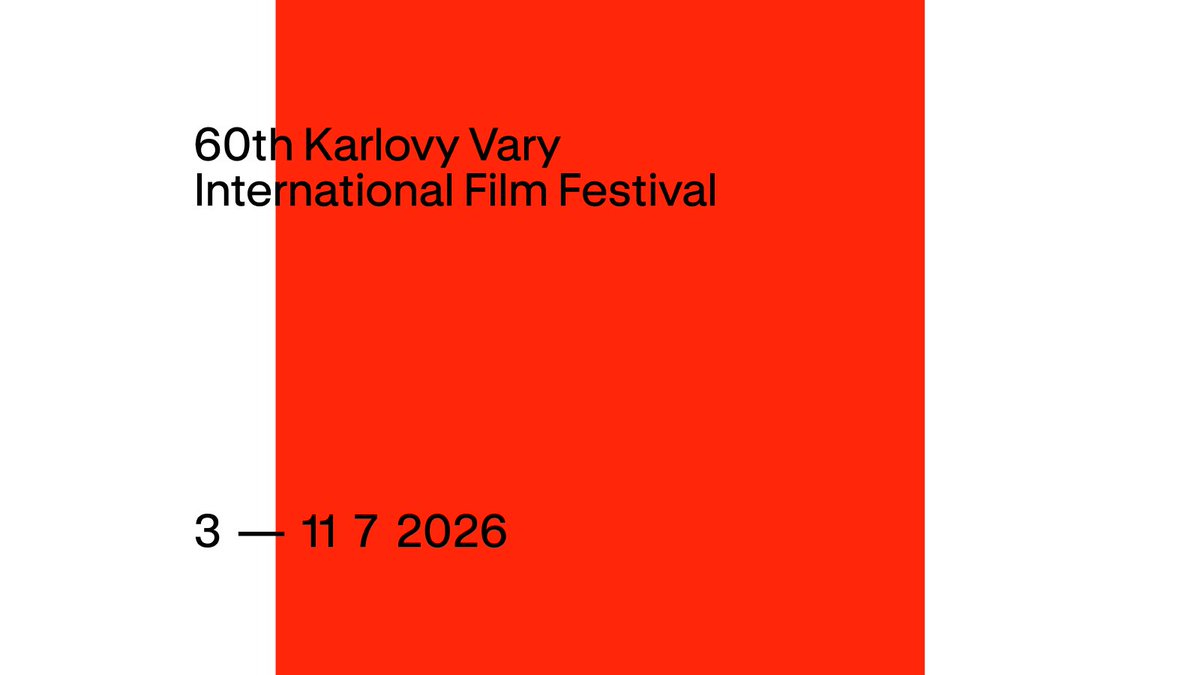
#KVIFF60 invites all visitors to the red carpet - the very thing that inspired this year’s festival visual.
“The red carpet is there for everybody. All film lovers and festival visitors can walk across it,” say the visual’s creators, Jonatan Kuna & Aleš Najbrt from Studio Najbrt.
English
Michael Dolejš retweetledi


Michael Dolejš retweetledi

Už se na to nemohu dívat. Půl roku jsem byl pryč. snažil jsem se žít jako normální člověk. Ale takhle to dál nejde. Zítra se vracím na YouTube.
Čeština

This is really neat but it’s not a design tool as much as it’s a design _production_ tool.
The practice of design is mostly about what comes before production.
There’s no doubt in my mind that all parts of software production will become automated very soon. Writing code, making web pages, putting pieces of a design system together etc.
And that’s fine. I think few people actually enjoy this kind of production work. Wouldn’t it be better if we spent our precious time in life on what is more meaningful?!
At the core, the practice of design is methodical; like architecture, not like art. In a nutshell: We find constraints, form comprehension of the whole and propose solutions that honor those constraints. First after that do we enter some form of production phase, usually prototypes first, learn about some constraints that were hidden before, loop back, prototype and then build the production-grade “final” artifact.
These last few tasks are quickly losing value because AI tools can do it much faster (not yet better though) than humans. It’s simply just what has the best RoI for a business.
Some companies and individuals will continue to spend human time on certain parts of the “production line” as a market differentiator, but it will cost them a relatively high price compared to competitors.
Anyhow, I still haven’t seen a tool better than Figma that supports the actually-interesting part of the design process.
I wouldn’t be surprised if Figma focused their products on that, maybe separating “products for production” of “products for ideation & exploration.” The latter would obviously still leverage AI, but not to do the work for me but rather to support my efforts the way a therapist helps me live a better life (not living my life for me.)
Claude@claudeai
Introducing Claude Design by Anthropic Labs: make prototypes, slides, and one-pagers by talking to Claude. Powered by Claude Opus 4.7, our most capable vision model. Available in research preview on the Pro, Max, Team, and Enterprise plans, rolling out throughout the day.
English
Michael Dolejš retweetledi

OpenAI quietly solved the single problem that's been blocking computer-use agents from going mainstream: the cursor war.
Anthropic shipped computer use in October 2024. OpenAI shipped Operator. Google shipped Mariner. All three hit the same wall. When the agent moves the cursor, you can't. The screen is one resource, and two drivers cannot share it. Every demo ended the same way: "run this while I go get coffee."
That kills the ROI math. If the human has to stop working to let the agent work, the agent is functionally a replacement. Adoption of computer-use agents flatlined at power users and scripted demos for exactly this reason.
Here's what OpenAI actually shipped. Codex runs multiple agents against your real Mac apps, in parallel, with their own cursors, in the background, while you keep using your machine. The mechanism is OS-level sandboxing. OpenAI acquired Sky Applications last fall. That's the team that built Workflow, which became Apple Shortcuts. They spent a decade figuring out how to let third-party code drive other Mac apps without breaking the foreground experience. OpenAI didn't buy a team. They bought the only people on Earth who had solved this.
The economic unit of white-collar work just changed. Yesterday the ceiling was one human with one agent doing one task. Today it's one human supervising five agents working across five apps the human is simultaneously using. The bottleneck stops being compute. It becomes the human's ability to review output.
Codex has 3M weekly devs. The feature that matters is not the IDE. It's that OpenAI turned the Mac into a multiplayer instrument.
Sam Altman@sama
Lots of major improvements to Codex! Computer use is a real update for me; it feels even more useful than I expected. It can use all of the apps on your Mac, in parallel and without interfering with your direct work.
English
Michael Dolejš retweetledi

Michael Dolejš retweetledi

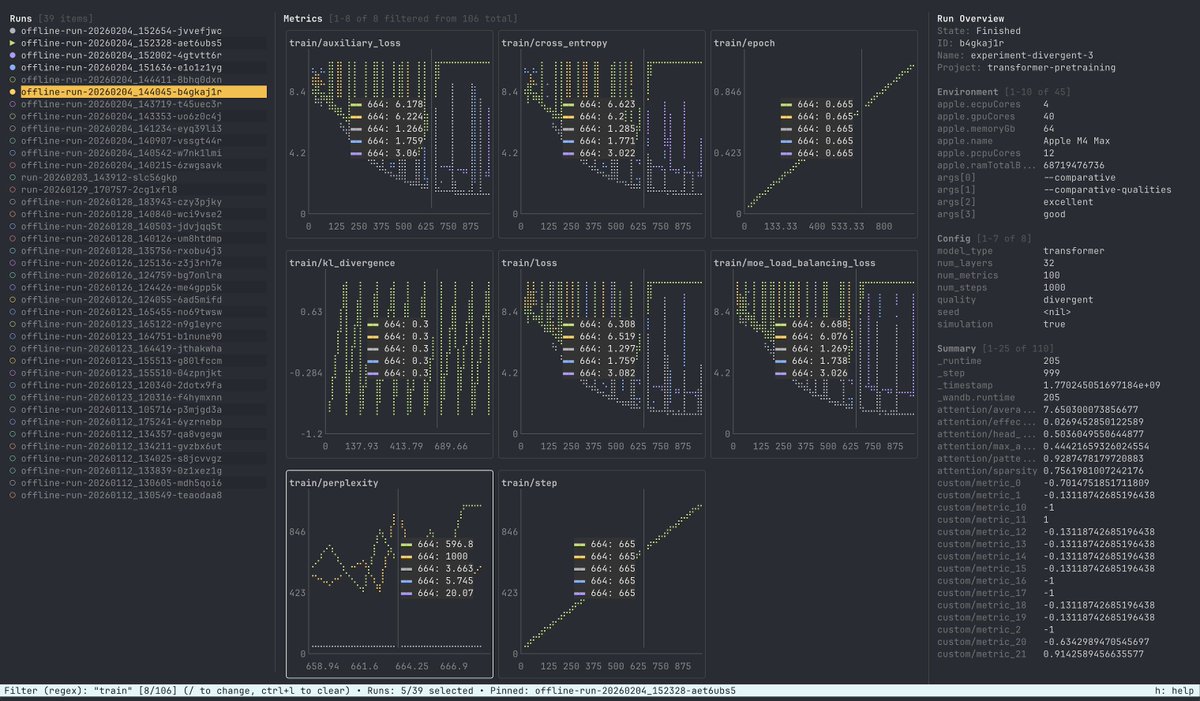
BREAKING: Meek Mill has abandoned the W&B web dashboard entirely. Says he only monitors training runs in the terminal now. "I don't need a browser to know loss is converging," sources close to the rapper confirm.

English
I’ve recently been featured on Logo X Logo – a great project by Roel Stavorinus – where you’re invited to share your best logotype, but also someone else’s work you wish you had created.
Not as easy as it sounds, but I’m quite happy with my choice!
logoxlogo.com/michael-dolejs/
English
Michael Dolejš retweetledi




Michael Dolejš retweetledi

Michael Dolejš retweetledi

Figma design systems in one click!
Finally I won't spend decades building it perfectly.
Comment below if you want early access to it!
English
Michael Dolejš retweetledi

Michael Dolejš retweetledi

Hot take: it has never been more important in history to have REAL photos and videos come from smartphone cameras
TechDroider@techdroider
Samsung Mocks Apple iPhone 😂
English