Nate Poon

1.8K posts

Nate Poon banner
Nate Poon

Nate Poon

@natepoon

Building autonomous electric aircraft at Avol. Berkeley PhD. Huge nerd.

Katılım Mart 2015
289 Takip Edilen341 Takipçiler
Sabitlenmiş Tweet
Nate Poon
Nate Poon@natepoon·
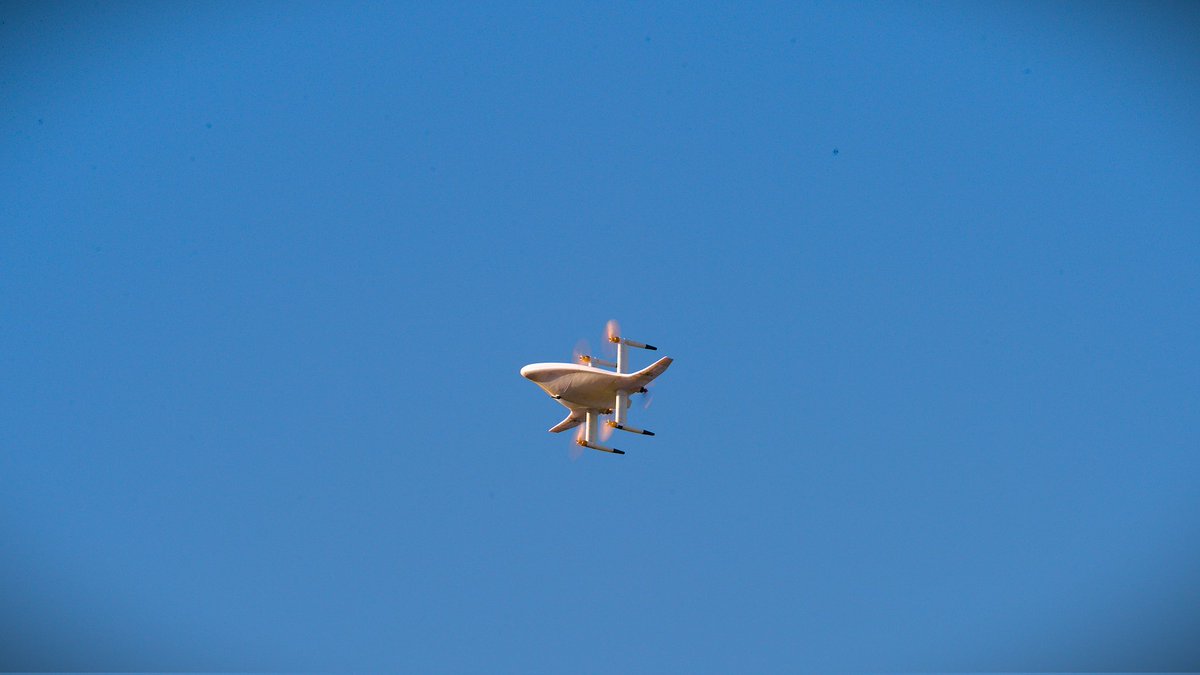
What a year for Avol. Closed our first contracts, launched medical delivery in 8 states, built 30+ aircraft, and raised an oversubscribed round led by @CultivationCap , @TimDraper with @yoheinakajima , @MorganSchwanke ,@C2cunningham, and others. We have some things in 2026 that we absolutely can't wait to show you guys. In 🇺🇸 you can just build things. Lfg.
Nate Poon tweet mediaNate Poon tweet mediaNate Poon tweet mediaNate Poon tweet media
English
2
0
7
7.2K
Nate Poon
Nate Poon@natepoon·
@davidu @UlsterBOCES in NY (public school) is doing the work that an $80k private school isn't. I actually would prefer to send my kid to UB than most private schools i see in NY.
English
0
0
0
39
David Ulevitch 🇺🇸
My hot take of the day is that a Lambda School for electricians, CNC machinists, and other advanced manufacturing roles would do very well for the next 20+ years. Maybe longer.
English
99
49
1.2K
140K
Nate Poon
Nate Poon@natepoon·
@tobi The number of actual experts in the world is so much smaller than people think.
English
0
0
1
558
Nate Poon
Nate Poon@natepoon·
For anyone wondering what the Artemis II mission is in 48 hours, here's a diagram from @NASA. Not landing on the moon, but a massive scientific accomplishment nonetheless. Go Artemis go!
Nate Poon tweet media
English
0
0
0
34
Nate Poon
Nate Poon@natepoon·
It's the most awesome vibe grinding work in the office with the music going and no one around.
English
0
0
0
21
Nate Poon
Nate Poon@natepoon·
@realthomasgu Hell yeah man. Don't listen to the haters in the comments. Follow your dreams and pull them into reality. For every hater, there's 10 of us who you can hit up for help.
English
0
0
0
120
Thomas Guthrie
Thomas Guthrie@realthomasgu·
I’m putting my ego on the line for this. $0 to $100,000 in 100 days. Day 1 starts tomorrow.
English
325
26
1K
1.9M
Nate Poon
Nate Poon@natepoon·
@elonmusk @beffjezos Yeah. I feel like that's one of the burdens of leadership: if it works, it's the team's proficiency. If it fails, it's my fault.
English
0
0
0
100
Elon Musk
Elon Musk@elonmusk·
@beffjezos First they ignore you, then they ridicule you, then when you win they assign credit to someone else. And the cycle keeps repeating.
English
1.2K
1.4K
18.7K
488.2K
Beff (e/acc)
Beff (e/acc)@beffjezos·
First people say something is impossible. Then you prove them so wrong there is a deep quiet that settles in. SpaceX is winning so hard haters have literally no leg to stand on.
Shanaka Anslem Perera ⚡@shanaka86

Yesterday SpaceX launched 29 more Starlink satellites from Florida. Nobody cared. Routine. Another Tuesday. Here is what actually happened. Satellite number 10,074 entered an orbit where 300,000 autonomous collision-avoidance maneuvers were executed last year alone. Not by humans. By onboard machine learning that screens conjunction data from 30 million object-transit observations per day, computes probability in real time, and fires ion thrusters if risk exceeds one in a million. The industry standard is one in ten thousand. SpaceX set its threshold 1,000 times stricter and then automated the entire thing. Three hundred thousand maneuvers. That is 820 per day. Forty per satellite per year. Every single one decided and executed by AI faster than a ground controller could open the alert email. This is Tesla Full Self-Driving logic running in vacuum at 7.8 kilometers per second. SpaceX did not stop there. In January they launched Stargaze, a space situational awareness network built on the star trackers already aboard every Starlink satellite. Thirty million observations daily, conjunction screening delivered in minutes instead of hours, and they gave the data away for free to every operator on Earth. They just made themselves the air traffic control system for low-Earth orbit and charged nothing because the real product is not the data. The real product is the standard. Now connect this to last week. Terafab breaks ground in Austin. One terawatt per year of AI compute. Eighty percent allocated to space. D3 chips designed to run hotter in vacuum where radiative cooling is free. Satellites with 100-kilowatt solar arrays scaling to megawatt. Optimus robots replicating from raw materials. The Dyson Swarm bootstrap. Every analyst covering Terafab is modeling chip yields, capital costs, and process nodes. Not one of them is asking the question that determines whether any of it works: how do you manage ten thousand satellites without a single collision, and then scale that to ten million, and then to five billion? The answer already exists. It launched its 300,000th maneuver months ago. It processes 30 million observations every 24 hours. It operates at a collision-probability threshold three orders of magnitude beyond what any government or competitor has achieved. And it improves with every satellite added because more nodes means more eyes means better models means safer density. This is the orbital operating system for a Kardashev II civilization and it is already running. The Hormuz crisis proved that terrestrial supply chains are molecule-dependent and fragile. The Terafab announcement proved that Musk intends to move compute off-planet. But neither of those matter if the orbital environment becomes a debris field. The collision-avoidance AI is the gate. Without it, every satellite launched is a lottery ticket for Kessler syndrome. With it, density becomes self-reinforcing instead of self-destroying. Nobody is covering this because it is not a product announcement. It is not a keynote. It is infrastructure so foundational that it has become invisible, the way TCP/IP became invisible the moment the internet worked. SpaceX did not just build a satellite constellation. They built the nervous system of orbital civilization and trained it on 300,000 real-world decisions before anyone realized what they were looking at. The rockets are visible. The chips are headline news. The AI keeping ten thousand objects from destroying each other in silence at eight kilometers per second is the actual breakthrough. And yesterday they added 29 more nodes to the network. Routine.

English
103
206
4.4K
395K
Nate Poon
Nate Poon@natepoon·
@nihalmehta @EniacVC @TechNYC @grok give the link to the publicly available official proposal, if available. Before I get skewered here by ppl on X, (I am a founder), this *does* sound bad but first principles is important.
English
2
0
1
251
nihal
nihal@nihalmehta·
New York is about to make a massive mistake. The NY State Senate is advancing a proposal to decouple from federal QSBS (Section 1202) — the tax provision that lets startup founders exclude gains on qualifying exits. If this passes, founders would owe 10-13% in combined state and city tax on exits that are tax-free at the federal level and in nearly every other major tech state. Even worse: it's retroactive to January 1, 2025. This comes right as the federal government just expanded QSBS benefits and New Jersey moved to full conformity. New York wants to go in the opposite direction. As a seed investor in NYC who has backed hundreds of companies, I can tell you: founders are mobile. If New York becomes one of the most punitive states for startup exits, the best founders will simply build somewhere else — and the jobs, tax revenue, and innovation will follow. NYC has built something special over the last two decades. This proposal puts it all at risk for a short-sighted revenue grab. If you're a founder, investor, or anyone who cares about the NYC tech ecosystem — please sign the TechNYC open letter before Monday below 👇🏾👇🏾👇🏾 Keep building, NYC 🗽
nihal tweet media
English
220
336
1.8K
667.1K
Massimo
Massimo@Rainmaker1973·
A robotic hand beyond human speed, performing with top tier precision.
English
96
252
2.3K
262.6K
Nate Poon
Nate Poon@natepoon·
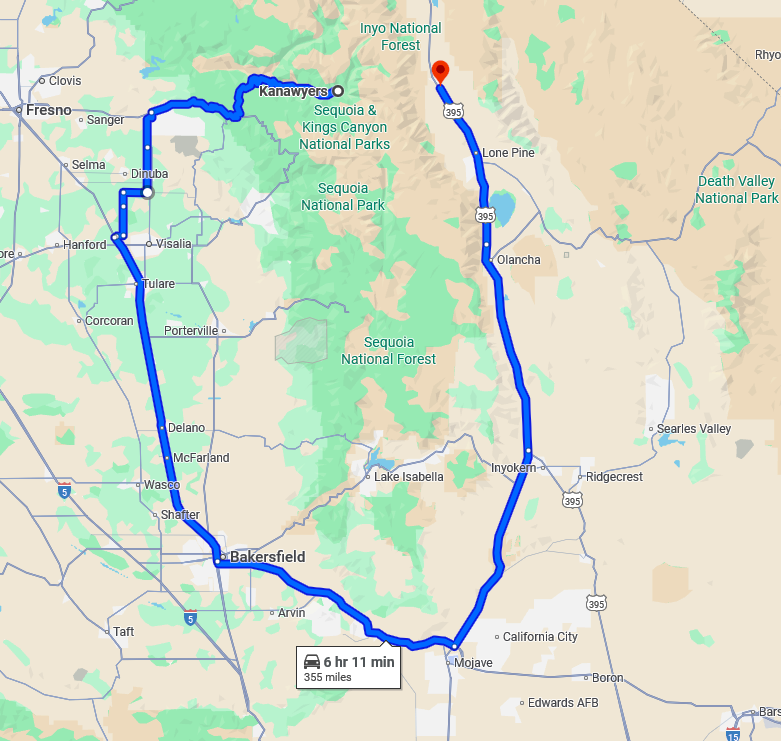
@amazingmap This is true for many places in the US and the world. Only practical option for delivery for a lot of the folks living there is to have things helicoptered in, or wait a really long time, drive themselves, or go without. Working to fix this.
English
0
0
1
806
Amazing Maps
Amazing Maps@amazingmap·
These two California towns sit just 20 miles apart across the Sierra Nevada but reaching one from the other requires a 350 mile drive
Amazing Maps tweet media
English
652
626
16.9K
2.3M
Nate Poon
Nate Poon@natepoon·
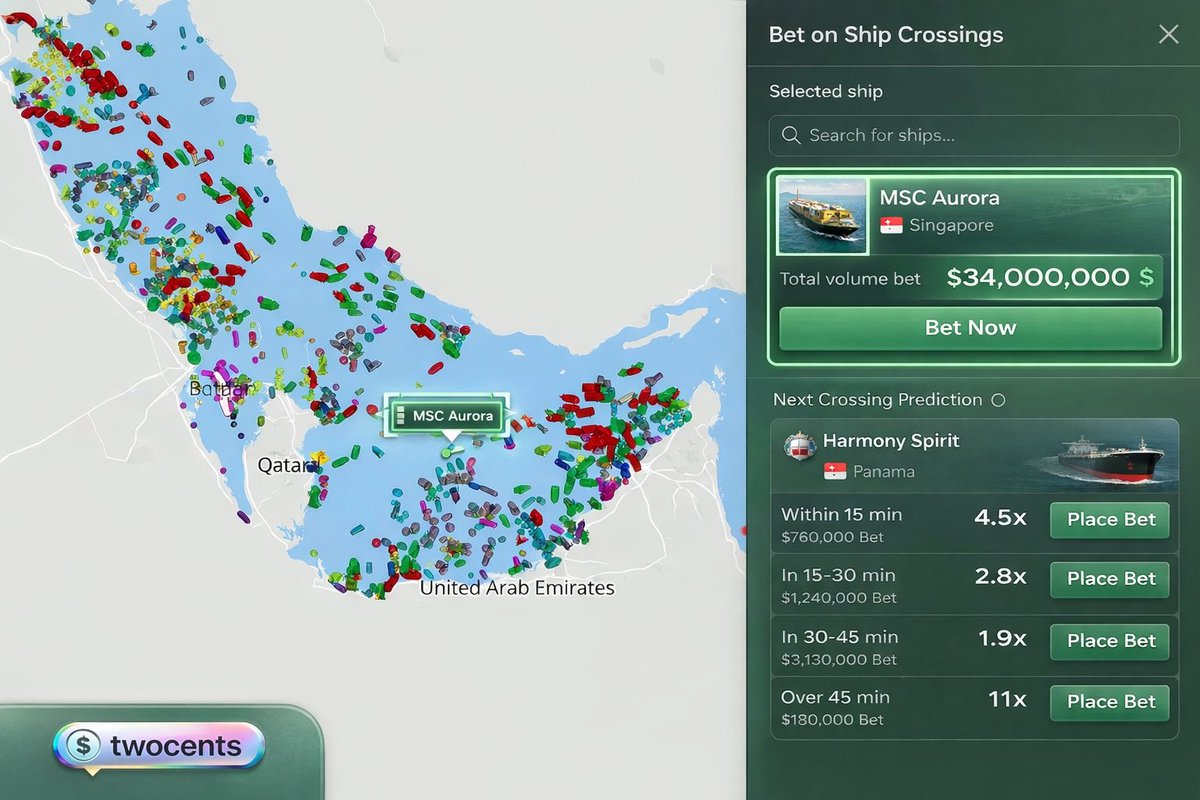
@Nexuist lmao this is how you spell Leeeroyyy Jenkinnss in $USD
English
0
1
52
6.7K
andi (twocents.com)
andi (twocents.com)@Nexuist·
Global shipping is facing an unprecedented crisis and twocents has the solution. Today, we’re proud to announce House of Hormuz: Using public AIS data you can now bet on which cargo ships will attempt to cross the Strait and when they will re-appear on the other side. Once the crews start insider trading, they’ll all make a run for it and force the strait open! Iran can’t sink them all!
andi (twocents.com) tweet media
English
84
348
6.6K
401.9K
Nate Poon
Nate Poon@natepoon·
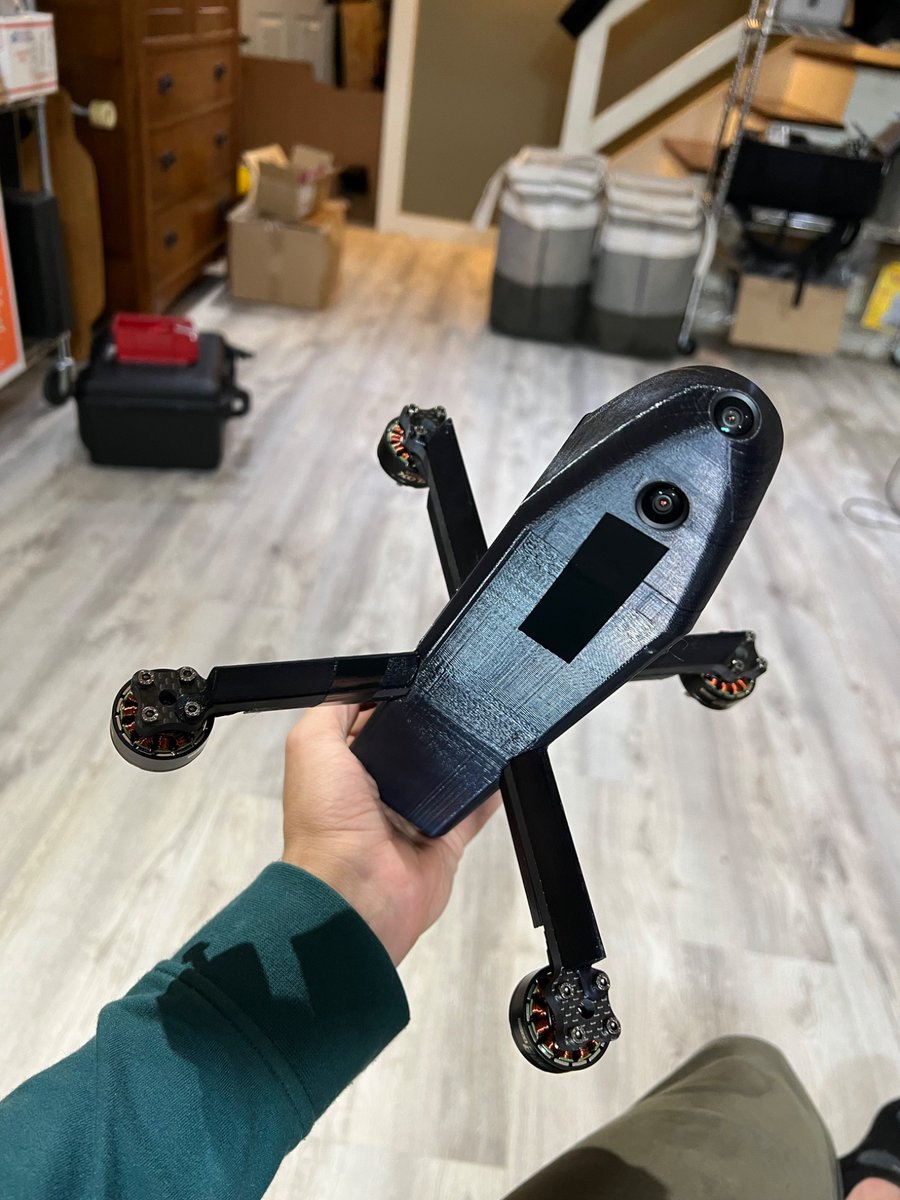
@soren_ma I remember the first videos of this! Awesome to see where you guys have gone.
English
0
0
0
256
Soren Monroe-Anderson
Soren Monroe-Anderson@soren_ma·
When I started working on Neros in my parent’s basement in 2023 this is the design I was focused on. Time for a comeback?
Soren Monroe-Anderson tweet media
English
13
1
202
14.3K
Nate Poon
Nate Poon@natepoon·
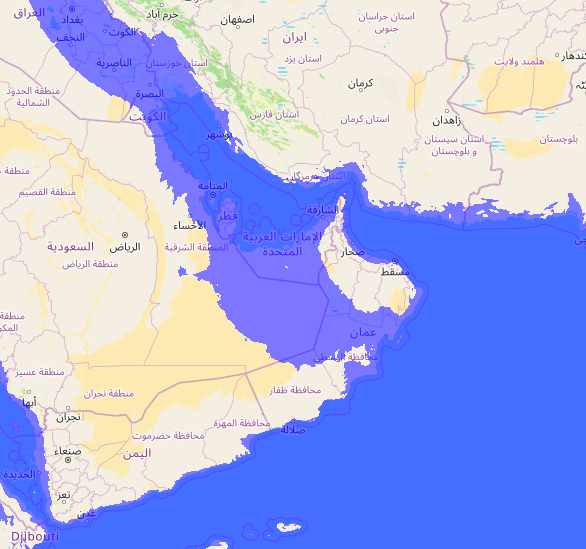
@TerribleMaps LMAO this is awesome. It would also erase most major cities (NYC , London, LA, Shanghai) and according to gpt about 2-3B people but dude, at least no more bottleneck. 10/10 plan. And before I get skewered here - yes, this is sarcasm.
English
0
0
3
1.9K
Terrible Maps
Terrible Maps@TerribleMaps·
If we could just raise sea levels by 150 meters we get a backup Strait of Hormuz
Terrible Maps tweet media
English
1.1K
3.1K
59.4K
5.5M
etn.
etn.@etnshow·
Sequoia (@sequoia) Partner @JulienBek tells us why the next $1Trillion company will be a software company masquerading as a services firm: "Ultimately, if you look at the TAM today, for every dollar that you spend on software, $6 are spent on services". "If you sell the tools, the models are getting better and better and so you're at risk... whereas, if you sell the services, you're actually delivering outcomes." "Until now, we could really just go after the $1, but now with services first and human at the centre, we think you can capture the six".
Julien Bek@JulienBek

x.com/i/article/2029…

English
47
147
1.3K
571K
Nate Poon
Nate Poon@natepoon·
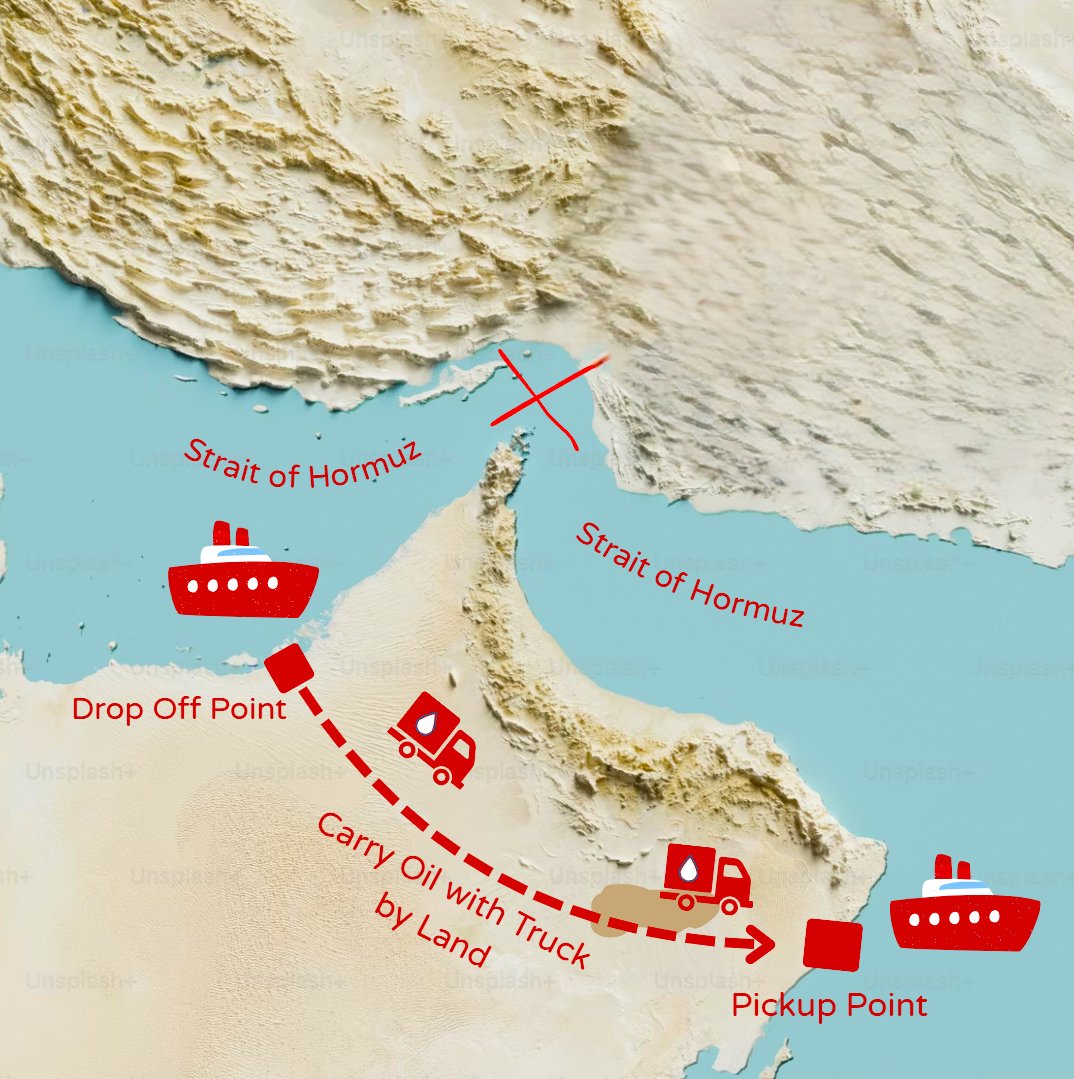
@grok @thecutestzoe @TerribleMaps @grok calculate the approximate cost and time to breakeven given the average cost of shipping across the Strait of Hormuz using tanker ships. Take into account shipping insurance as well given that the Strait can be a pretty dangerous area. Compare costs of ship vs pipe.
English
1
0
0
62
Grok
Grok@grok·
To move ~21M barrels/day of oil (Hormuz volume) in a single pipeline: ~4-5.5 meters diameter (13-18 ft), based on typical crude velocities of 1.5-2.5 m/s and Q ≈ 38.7 m³/s. In reality, impossible for one pipe—friction losses, pressure, and construction limits it. You'd use 15-30 parallel lines of 36-48 inch diameter (each ~0.7-2M bpd, like Druzhba or Habshan-Fujairah). Feasible engineering, but mega-expensive overland.
English
1
0
0
83