Patrick Sulem

478 posts

Patrick Sulem

Patrick Sulem

@patsule

MD, Co-managing director deCODE genetics - Amgen

reykjavik Katılım Aralık 2010
332 Takip Edilen340 Takipçiler
Patrick Sulem
Patrick Sulem@patsule·
@jakphd Great trio of papers. Amazing what happens when data on whole genome sequence are analyzed instead of exome. Whereas non-coding genes where known, role of variants in such genes have been surprising us all. Agnostic approach is fueling scientific breakthrough. @NatureGenet
English
0
0
3
697
Eric Topol
Eric Topol@EricTopol·
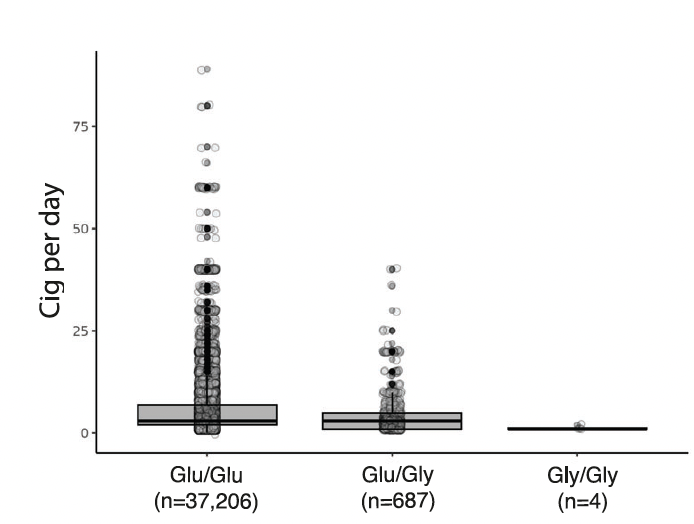
There's a gene for that! Rare variants and less cigarette smoking across ancestries Maybe a pathway vs nicotine addiction nature.com/articles/s4146…
Eric Topol tweet media
English
8
25
119
18.7K
Patrick Sulem
Patrick Sulem@patsule·
@ShihchengGuo @NatureComms Nice paper- diversity is key . Very consistent with what we observed among Europeans that were assessed by the 2 platforms ,wrt to modest correlation -Eldjarn 2023
English
1
0
1
19
Patrick Sulem
Patrick Sulem@patsule·
@SFatumo In Eldjarn et al Nature 2023 we reached similar observation by analysing UKB participants with African ancestry. Gaining both poulation specific/ enriched variant pqtl and ancestry refinement of ld class for pqtl
Patrick Sulem tweet media
English
0
0
0
25
Segun Fatumo
Segun Fatumo@SFatumo·
Proud to share our latest work in #NatureGenetics, which links the plasma proteome to genetic variation in individuals from continental Africa in Uganda, addressing a long-standing gap in global genomics.
Segun Fatumo tweet media
English
2
3
5
163
Patrick Sulem
Patrick Sulem@patsule·
In population studies, there is now multiple studies of individiuals with African ancetsry including replication / meta-analysis Many years after starting a series of findings in Europeans, novel findings in GWAS of non-Europeans are now reported: IBKB and Lupus @NatureGenet
Patrick Sulem tweet media
English
1
0
1
301
Patrick Sulem
Patrick Sulem@patsule·
@doctorveera Always very clear. Genetics of the last 25 years in a nutshell. 🙏
English
1
0
3
961
Veera Rajagopal 
Veera Rajagopal @doctorveera·
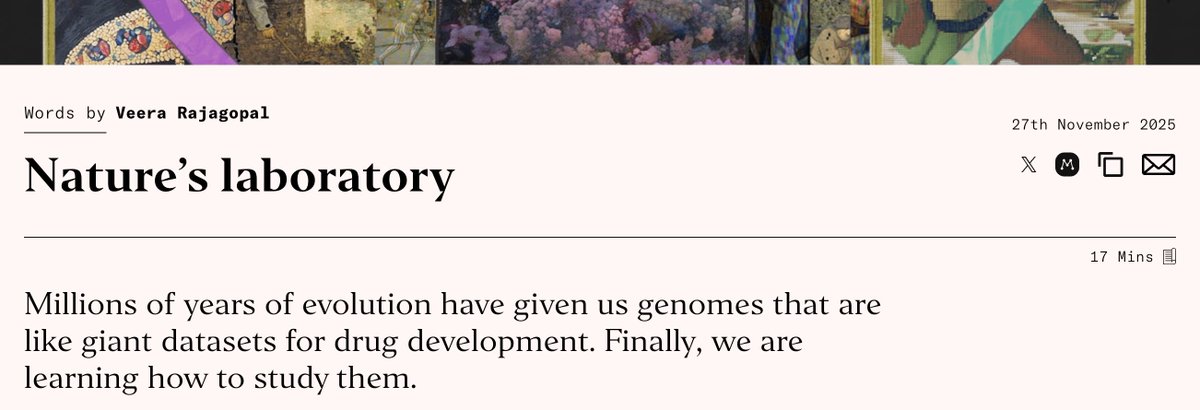
This went live today, on Thanksgiving, which feels quietly special. This article is about one of my favorite topics: how human genetics is being used to shape drug development. It’s a synthesis of ideas and lessons that have emerged over many years, brought together into a single narrative. I’m grateful for the opportunity to give structure to these thoughts — and excited about where human genetics–driven drug development is headed next. The future here feels genuinely promising. Many thanks to the editors at @WorksInProgMag@bswud and @salonium — for the opportunity and for helping edit this article into its best possible version. Hope you enjoy this light read on Thanksgiving Day :) 🧬 Nature’s laboratory worksinprogress.co/issue/natures-…
Veera Rajagopal  tweet media
English
14
72
311
101.8K
Patrick Sulem retweetledi
Veera Rajagopal 
Veera Rajagopal @doctorveera·
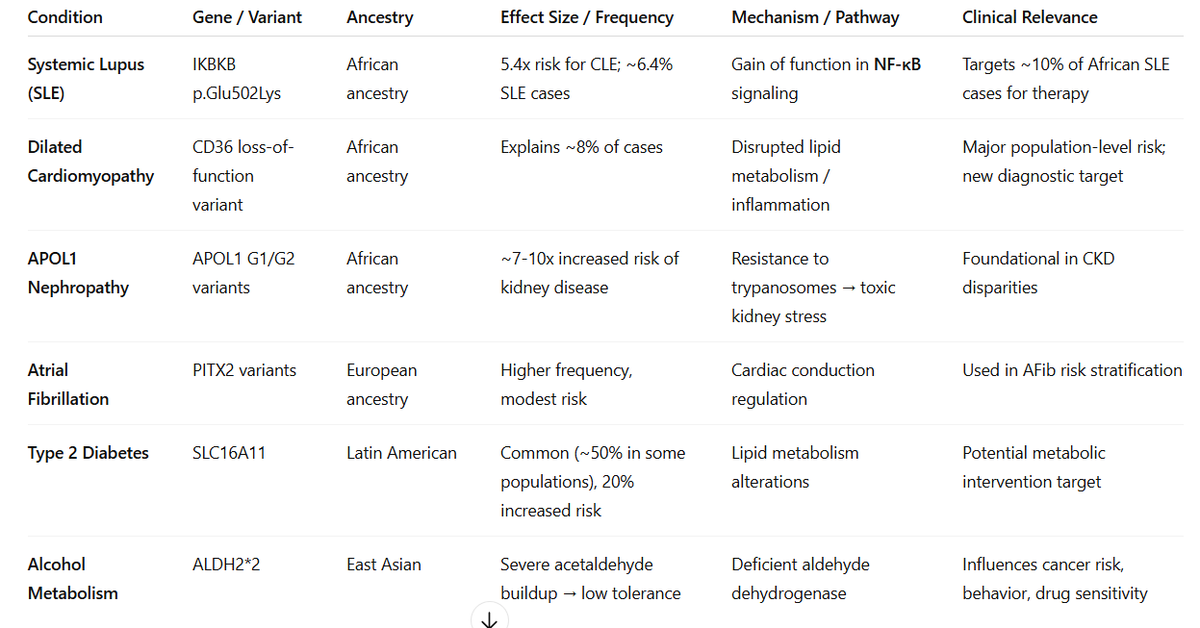
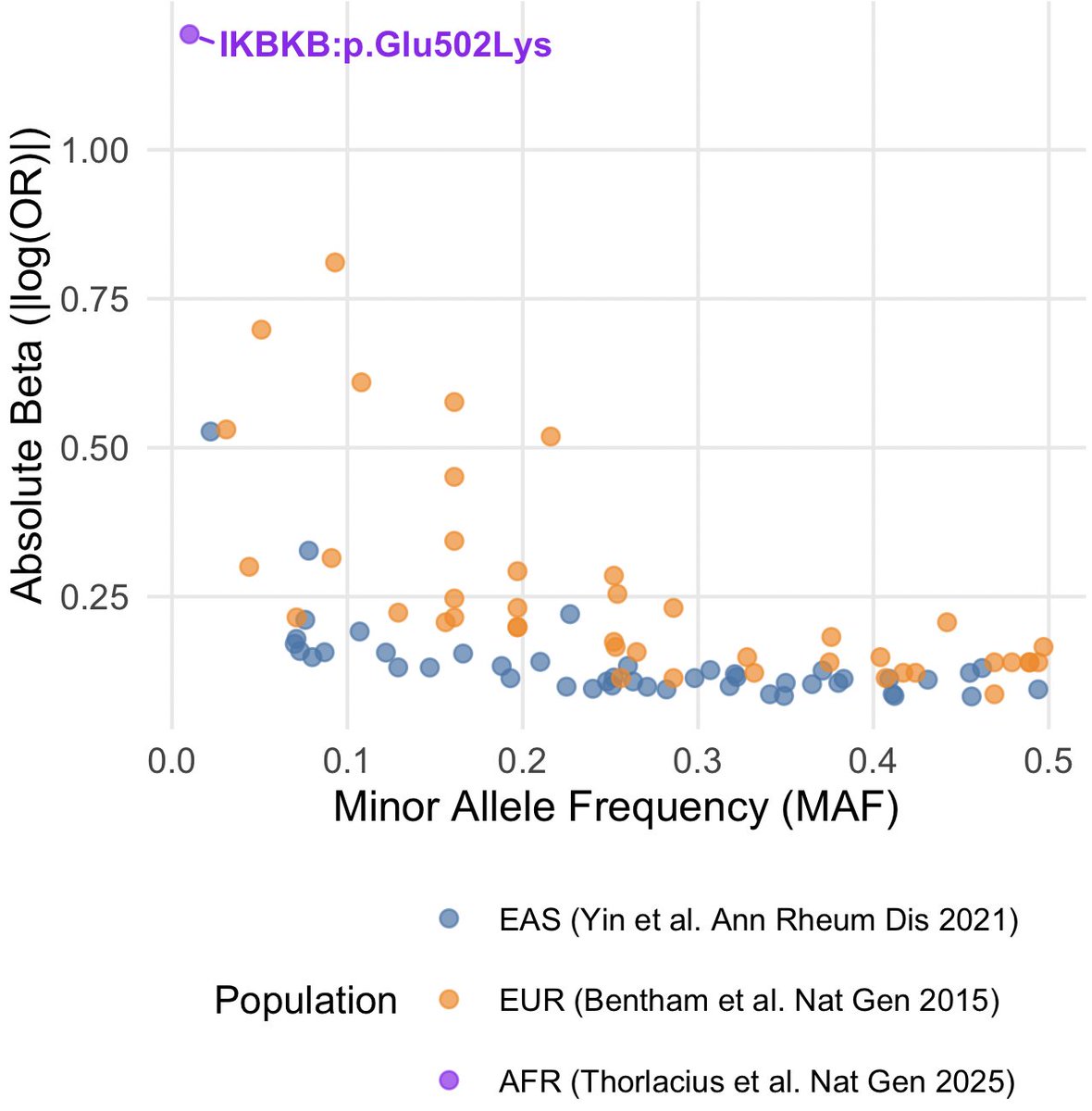
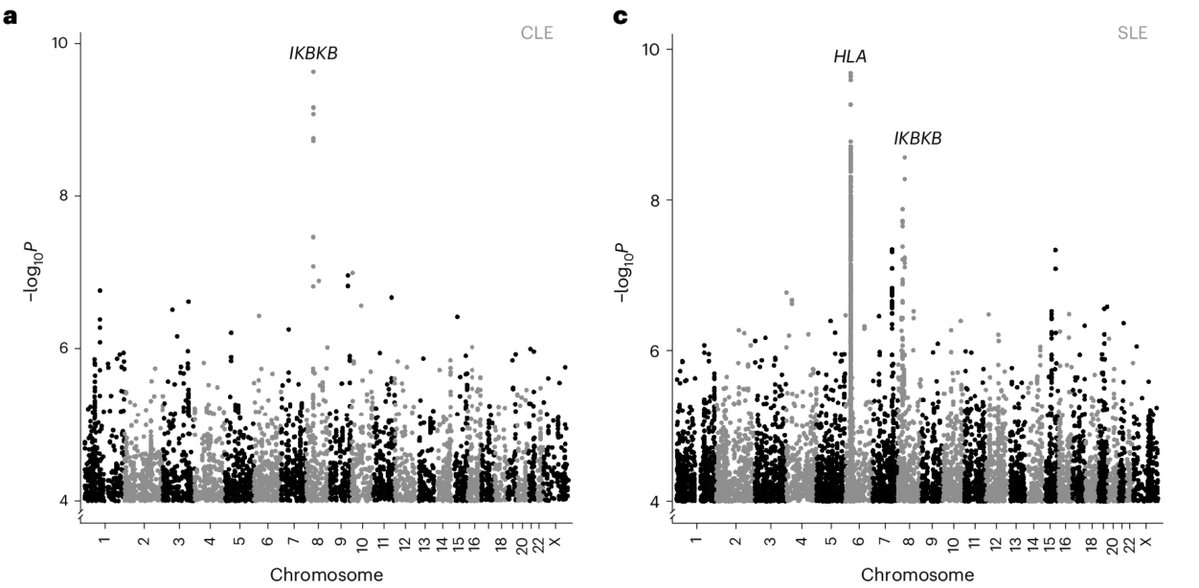
Another incredible GWAS finding this year: an African ancestry–specific missense variant confers the largest common-variant risk effect reported to date for SLE. Just weeks ago, there was a GWAS paper reporting the discovery of a major genetic risk factor for dilated cardiomyopathy--an African ancestry-specific loss of function variant in CD36--explaining up to 8% of the cases in African populations. (x.com/doctorveera/st…). Now, deCODE Genetics has uncovered a major genetic risk factor for lupus, a missense variant p.Glu502Lys in IKBKB, explaining 10.4% of cutaneous lupus (CLE) and 6.4% of cases of systemic lupus (SLE) in African populations. The variant increases CLE risk by 5.4 fold, uncovered by comparing just 211 cases to 25,360 controls of African ancestry from the Alliance for Genomic Discovery (AGD). It highlights how deeply African ancestries have been underrepresented in lupus GWAS efforts. Lupus is more common (2-3x) and more severe in individuals of African ancestry compared with those of European ancestry. Certain forms, like discoid lupus, are 10 times more common in African populations. Despite that, only one of the past 33 SLE GWASs involved African-ancestry population!! Interestingly, that one study (Langefeld et al. Nat Comm 2017) that involved African ancestry individuals actually captured this IKBKB locus (connecting the signal to a different nearby gene, PLAT), but they seemed to have never identified the right gene and overlooked the importance of the finding. Here is a plot I roughly made to highlight the effect size of this variant. The plot compares the effect sizes vs minor allele frequency of GWAS loci reported the past large SLE studies in European (Bentham et al. Nat Gen 2015) and East Asian ancestries (Yin et al. Ann Rheum Dis 2021). I overlayed the IKBKB missense variant to show the it's effect size for SLE dwarfing even the largest effect sizes reported for HLA variants. The allele frequency of this missense variant in African ancestries is ~1%. Around 2% of the African ancestry individuals are carriers, and among the SLE/CLE cases, more than 10% carry this variant. Amazing! Analyzing related clinical phenotypes, the authors found that the carriers tend to have a more severe phenotype (more CLE, more glomerular involvement, proteinuria and lower blood counts). The gene IKBKB encodes an immune protein that activates the NF-κB signaling, a key immune response pathway. Partial or complete loss of IKBKB cause Mendelian forms of immunodeficiency conditions. The missense variant likely confers a gain of function effect leading to autoimmunity. This discovery highlights the importance of NF-κB signaling in lupus pathogenesis, particularly in individuals of African ancestries. The finding has many translational implications, for example, it suggests a large target population (~10% of African cases) for any NF-κB targeted SLE treatment. Another great work by deCODE scientists! Thorlacius et al. Nat Gen 2025
Veera Rajagopal  tweet mediaVeera Rajagopal  tweet mediaVeera Rajagopal  tweet media
Patrick Sulem@patsule

Congratulations to my colleagues Gudny Ella and Erna. Studying diverse ancestries as part of a large collaboration enables the discovery of association, with lupus, of an IKBKB missense quite specific to individuals with African ancestry. @NatureGenet nature.com/articles/s4158…

English
4
27
102
21.9K
Patrick Sulem
Patrick Sulem@patsule·
@manuelrivascruz @doctorveera Entering into the study of individuals with Non European ancestry is somewhat reminding me of the start of gwas some years back. A word at the time was low hanging fruit… it is seasonal again. My colleagues have made a rare type of finding . Large risk, low freq @erna_valdis
English
1
2
6
5.6K
Patrick Sulem
Patrick Sulem@patsule·
THis is great to have the cardiomyopathy CD36 story in the same journal as our new publication. African specific genetic asociations are empowered by more diverse populations @NatureGenet
English
0
0
0
316
Patrick Sulem
Patrick Sulem@patsule·
Congratulations to my colleagues Gudny Ella and Erna. Studying diverse ancestries as part of a large collaboration enables the discovery of association, with lupus, of an IKBKB missense quite specific to individuals with African ancestry. @NatureGenet nature.com/articles/s4158…
Patrick Sulem tweet media
English
1
9
20
22.8K
Patrick Sulem
Patrick Sulem@patsule·
@doctorveera Augmenting population diversity brings extra variants pointing to new associations, and the sample size reached are still modest, so more will likely come.
English
1
0
1
148
Veera Rajagopal 
Veera Rajagopal @doctorveera·
A common (MAF=9%) loss of function variant in CD36, encoding a fatty acid transporter, is found to be the major genetic risk factor of dilated cardiomyopathy (DCM) in African populations. 8% of the DCM cases in African populations could be explained by this single variant. Mind blowing! Early days of the genome-wide association study (GWAS) era was fun with scientists competing each other to get their hands on the "low-hanging fruits" of genetic risk factors in human diseases. Many discoveries were made in the early days such as - CFH Y402H missense variant associated with AMD in Europeans - PNPLA3 I148M missense variant associated with fatty liver disease in Europeans - APOL1 risk variants associated with chronic kidney disease in Africans Most of such discoveries were made in European populations as early GWAS studies involved only them, with few exceptions such as the APOL1 discovery (in which case the variant frequency and effect sizes were too big to not find). With GWAS sample sizes increasing to hundreds of thousands, discoveries of low-hanging fruits got soon saturated with no major common variant genetic risk factors left to discover. But that was obviously true only for European populations. We have still a lot of major genetic risk factors left to discover in non-European populations. With increasing sample sizes of Non-European populations in major biobanks, such discoveries are beginning to surface. Below is a great example. A GWAS of DCM involving 1,802 cases and 93,804 controls of African ancestry in the Million Veterans Biobank identified a single GWAS locus driven by a nonsense variant in CD36 with a relatively larger effect size (het OR=1.25, hom OR=2.74) and high allele frequency (maf=9%). The authors estimate the population attributable fraction for this variant to be 8.1%, which is comparable to some of the major clinical risk factors like BMI and type 2 diabetes. The biology side of this discovery is also fascinating. Heart uses free fatty acids as the primary fuel for energy and the protein encoded by CD36 is a fatty acid transporter acting as the gateway for fatty acids to enter the heart cells. Loss of this transporter deprives the heart muscle of proper energy supply and makes it weak, which somehow is leading to dilated cardiomyopathy. Around ~1% of African populations (this number will vary across sub populations) are homozygotes for this variant, who will now become target population for a CD36-focussed therapeutics (similar to APOL1. and PNPLA3 story). Love this discovery, and easily one of my favorites of this year. Huffman, Gaziano, Al Sayed, et al. Nat Gen 2025 nature.com/articles/s4158…
Veera Rajagopal  tweet mediaVeera Rajagopal  tweet media
Krishna Aragam@KrishnaAragam

Today in @NatureGenetics, we report the discovery of a common CD36 variant specific to individuals of African ancestry that increases risk of DCM, and may help explain the ~2x higher rate of DCM/heart failure in this population nature.com/articles/s4158…

English
4
20
116
35.2K
Patrick Sulem
Patrick Sulem@patsule·
@EricTopol Of interest, the genetics of eye/skin pigmentation overlaps with the genetics of retinal characteristics. Among most significant effects.
English
0
0
1
646
Eric Topol
Eric Topol@EricTopol·
The information encoded in the retina photo but not discernible by expert clinicians is remarkable. Now add the retinal vessels as a window into the inflammaging process and the related genomic underpinnings science.org/doi/10.1126/sc…
Eric Topol tweet media
English
6
40
159
34.7K
Patrick Sulem
Patrick Sulem@patsule·
@drughunter_com This post sent me back in time 13 years ago when TREM2 missense were shown by my colleagues to confer Alzheimer’s predisposition #microglia
English
0
0
0
34
drug hunter
drug hunter@drughunter_com·
TREM2 has generated considerable attention as a potential target for Alzheimer’s Disease, with both small molecule and monoclonal antibody therapies having entered clinical trials in the past few years. This receptor serves multiple roles on microglia, with numerous native ligands triggering a variety of signaling pathways and cellular processes, including those involved in the classic pathologies of Alzheimer’s Disease. This Target Review will summarize what is known about this complex target’s role in Alzheimer’s Disease, some of the key findings from preclinical and clinical studies on modulating TREM2, and how the patent literature has exploded with small molecule agonists in the past two years. Read more: drughunters.com/4q6enDg
drug hunter tweet media
English
3
1
5
1.8K
Patrick Sulem retweetledi
Jay Bradner, M.D.
Jay Bradner, M.D.@jaybradner·
New in Nature Metabolism: CNS GIPR and GLP-1R are both essential for weight loss response to a GIPR-Ab/GLP-1 peptide–antibody conjugate in mice—and this signaling happens through brain regions that reach outside the blood–brain barrier. This provides a new perspective on central metabolic control. Kudos to Murielle Véniant-Ellison, @ClarissaMLiu & partners @UofT. #MyCompany
Amgen 🧪🔬🧬@Amgen

Today, @NatMetabolism published new preclinical research in mice around blocking GIPR and activating GLP-1R. 🧬🔬 This study was led by @DanielJDrucker, Endocrinologist and Professor at @UofT, and Murielle Véniant-Ellison, Scientific VP at Amgen leading #obesity research. 🔗 Learn more: amgen.ly/44e09Yz

English
1
5
41
7.6K
Patrick Sulem retweetledi
Jay Bradner, M.D.
Jay Bradner, M.D.@jaybradner·
Delighted to see LLF580 (efimosfermin alfa) acquired by @GSK, an FGF21 biologic for MASH. Thanks to @BostonPharm for believing in this idea. Third NIBR-born spin-out to be acquired for approx $1 bn or more. endpts.com/gsk-to-pay-1-2…
English
1
3
31
3.7K
Patrick Sulem retweetledi
Jay Bradner, M.D.
Jay Bradner, M.D.@jaybradner·
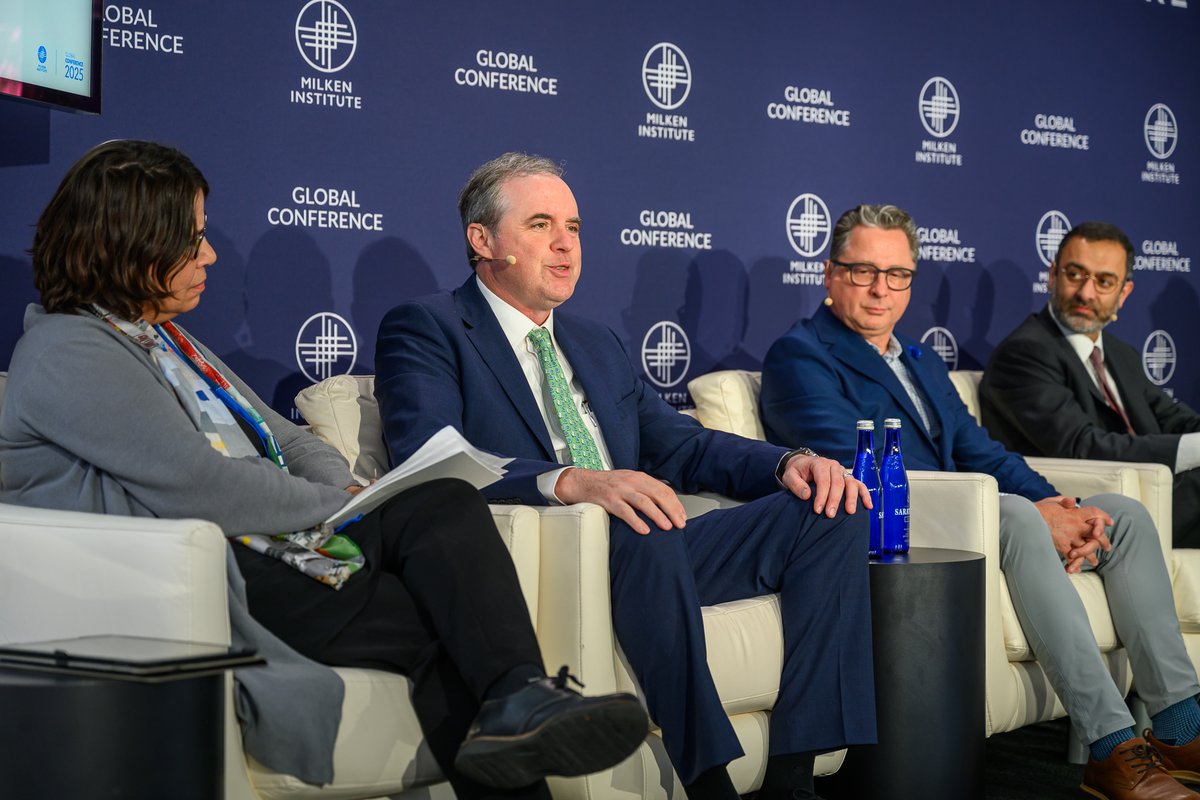
At the @MilkenInstitute Global Conference panel, we discussed how AI, genetics & protein engineering are transforming drug discovery. From our research targeting Lp(a) to uncovering potentially protective mutations in obesity, we’re entering a new era of precision and prevention. The future of medicine is happening now. #MyCompany
Jay Bradner, M.D. tweet media
English
1
4
22
3.8K
Patrick Sulem
Patrick Sulem@patsule·
@MariosGeorgakis Rarer variants or smaller effect sizes drive most of the discoveries. The latter is sometimes tough to detect due to need of sequencing data, but they have the potential to have large effect size.
English
0
0
0
41
Marios Georgakis
Marios Georgakis@MariosGeorgakis·
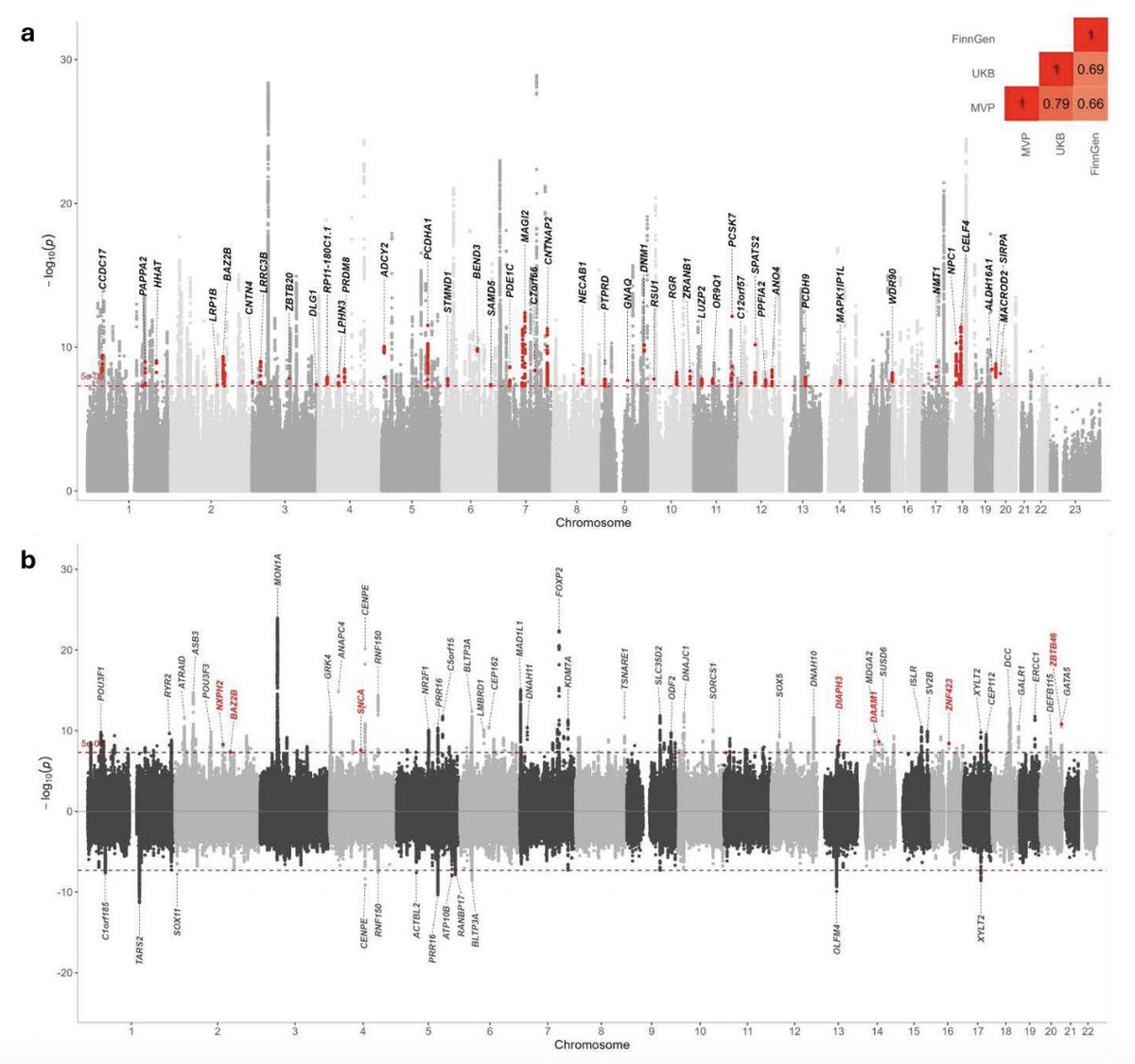
6⃣Massive GWASs offer insights into biology of common diseases • chronic pain: 343 risk loci in N=1,235,695 • heart failure: 176 risk loci in N=2,358,556 • osteoarthritis: 339 risk variants in N=1,962,069 👉Bigger GWASs still mean more discoveries for most traits. Many hidden potential drug targets for very common human diseases in these datasets. 🔗researchsquare.com/article/rs-617… 🔗nature.com/articles/s4158… 🔗nature.com/articles/s4158…
Marios Georgakis tweet media
English
1
1
8
874
Marios Georgakis
Marios Georgakis@MariosGeorgakis·
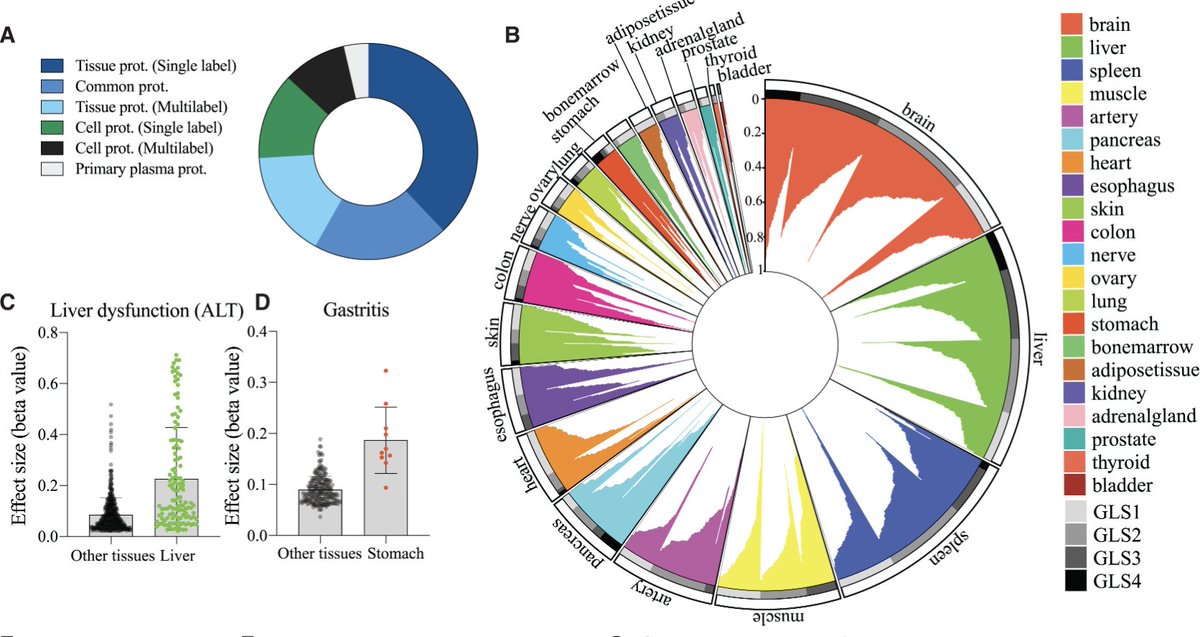
Interesting reads on genetics, omics, & precision medicine from this week👇 1⃣A distribution atlas of the human proteome There is constant influx and efflux of proteins between the plasma and surrounding organs and cells. Applying proteomics in 18 organs & 8 blood cell types and integrating it with existing RNA/protein atlases, this study maps the tissue/cell origin of each plasma protein! 👉A foundational resource for discovering specific circulating signatures of organ pathologies. 🔗cell.com/cell/fulltext/…
Marios Georgakis tweet media
English
1
29
168
18.6K