Rick Blaine

1.6K posts

Rick Blaine

Rick Blaine

@quiconch

Early crypto adopter (2017) | Airdrop sniper • DeFi degenerate • RWA believer | Alpha leaks, deep dives & daily Web3 thoughts
Katılım Şubat 2018
2.1K Takip Edilen281 Takipçiler
Sabitlenmiş Tweet
Rick Blaine
Rick Blaine@quiconch·
Yüksek takipçili kripto fenomenlerin, önceden almış olduğu coinin grafiğini paylaşıp tepeden takipçilerine satmasından bıkmadınız mı?
Türkçe
1
1
26
0
Rick Blaine
Rick Blaine@quiconch·
@DrOmerileri Yurtiçi yurtdışı ayrımının resmen yerli kripto platformlarının dayatması olduğu çok açık değil mi? Yurtiçi, yurtdışı ayrımı yapmadan adil bir sistem kurgulanmadan bu öneri bu haliyle kabul edilemez.
Türkçe
0
0
3
40
Dr. Ömer İleri
Dr. Ömer İleri@DrOmerileri·
TBMM Genel Kurulunda görüştüğümüz kanun teklifinde yer alan kripto varlıklara ilişkin bazı maddelerin, kamuoyunda oluşan hassasiyetler göz önünde bulundurularak değişiklik önergesi verilmesi yoluyla yeniden düzenlenmesine yönelik çalışmalarımız devam etmektedir. İlgili çalışmalarımız sonuçlandığında kamuoyunun bilgisine sunacağımızı paylaşıyor, sürecin hayırlara vesile olmasını diliyorum.
Türkçe
1.3K
334
3.4K
766.2K
800.HL
800.HL@degennQuant·
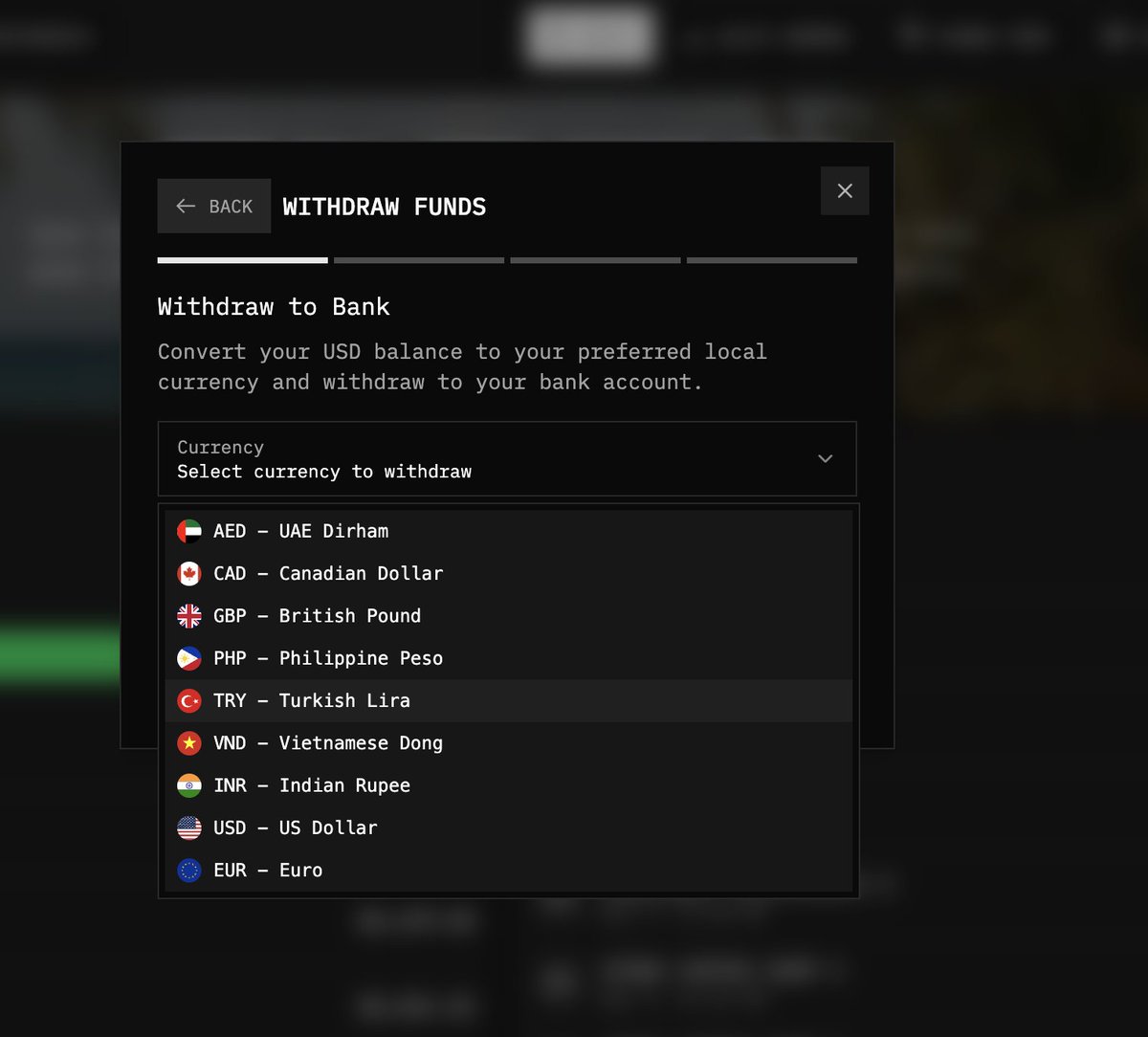
Very soon you will be able to withdraw $TRY (Turkish Lira) directly from your Liquid Bank account to your Turkish Bank account. Liquid Banking.
800.HL tweet media
enes.hl@enesonchain

wen turkey ?? i saw @BR4ted posting about it in cerebro but turkey was not in the list.. its huge market actually as 25% percent of the population uses crypto in turkey + high inflation forces most people to spend stablecoins and hold their money in neobanks instead of traditional ones

English
38
6
268
134.5K
Mina Protocol (httpz) 🪶
Mina Protocol (httpz) 🪶@MinaProtocol·
Everyone’s talking about how crypto is over. Meanwhile, people who are extremely good at math keep building me. I trust them.
English
39
17
211
18.3K
Rick Blaine
Rick Blaine@quiconch·
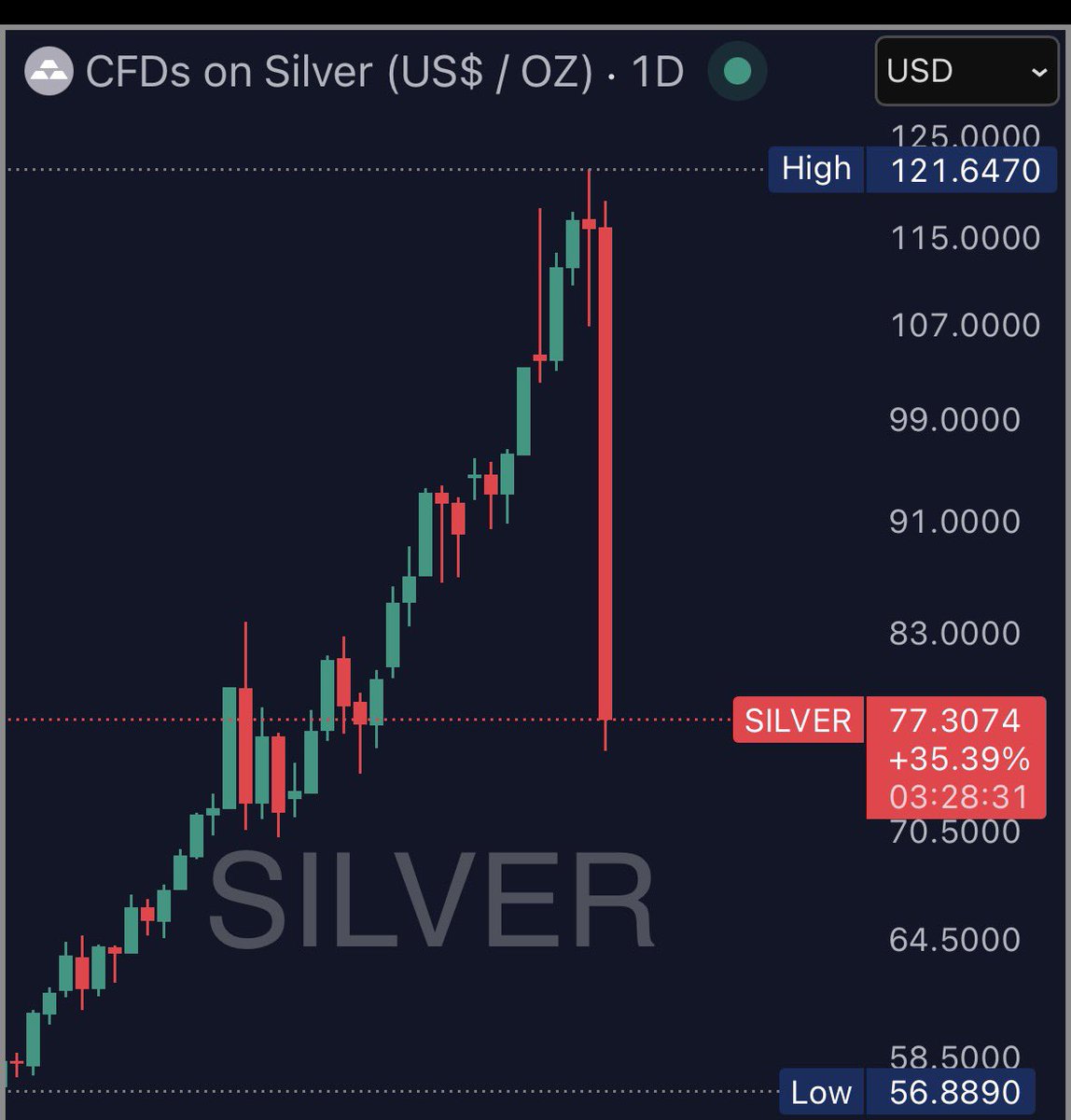
@cevikfinance 75 de demişsin, 122 den döndü ve ben demiştim diyorsun :))
Türkçe
1
0
8
297
Zach Witkoff
Zach Witkoff@ZachWitkoff·
Funny how the loudest “concerns” about @binance @cz_binance @heyibinance always seem to arrive in perfect formation. Coordinated outrage is usually the tell. Builders keep building. Noise fades. History remembers those who actually moved the industry forward.
English
231
34
423
91.8K
Mina Protocol (httpz) 🪶
Mina Protocol (httpz) 🪶@MinaProtocol·
The mountain man's cabin shouldn't require a data center. Mina's constant ~22KB chain means anyone can verify the entire chain with a single proof, from any device. - exactly the ZK-SNARK future Vitalik describes.
vitalik.eth@VitalikButerin

I no longer agree with this previous tweet of mine - since 2017, I have become a much more willing connoisseur of mountains. It's worth explaining why. x.com/VitalikButerin… First, the original context. That tweet was in a debate with Ian Grigg, who argued that blockchains should track the order of transactions, but not the state (eg. user balances, smart contract code and storage): > The messages are logged, but the state (e.g., UTXO) is implied, which means it is constructed by the computer internally, and then (can be) thrown away. I was heavily against this philosophy, because it would imply that users have no way to get the state other than either (i) running a node that processed every transaction in all of history, or (ii) trusting someone else. In blockchains that commit to the state in the block header (like Ethereum), you can simply prove any value in the state with a Merkle branch. This is conditional on the honest majority assumption: if >= 50% of the consensus participants are honest, then the chain with the most PoW (or PoS) support will be valid, and so the state root will be correct. Trusting an honest majority is far better than trusting a single RPC provider. Not trusting at all (by personally verifying every transaction in the chain) is theoretically ideal, but it's a computation load infeasible for regular users, unless we take the (even worse) tradeoff of keeping blockchain capacity so low that most people cannot even use the chain. Now, what has changed since then? The biggest thing is of course ZK-SNARKs. We now have a technology that lets you verify the correctness of the chain, without literally re-executing every transaction. WE INVENTED THE THING THAT GETS YOU THE BENEFITS WITHOUT THE COSTS! This is like if someone from the future teleported back into US healthcare debates in 2008, and demonstrated a clearly working pill that anyone could make for $15 that cured all diseases. Like, yes, if we have that pill, we should get the government fully out of healthcare, let people make the pill and sell it at Walgreens, and healthcare becomes super affordable so everyone is happy. ZK-SNARKs are literally like that but for the block size war. (With two asterisks for block building centralization and data bandwidth, but that's a separate topic) With better technology, we should raise our expectations, and revisit tradeoffs that we made grudgingly in a previous era. But also, I have actually changed my mind on some of the underlying issues. In 2017, I was thinking about blockchains in terms of academic assumptions - what is okay to rely on honest majority for, when we are ok with 1-of-N trust assumption, etc. If a construction gave better properties under known-acceptable assumptions, I would eagerly embrace it. On a raw subconscious level, I don't think I was sufficiently appreciative of the fact that _in the real world, lots of things break_. Sometimes the p2p network goes down. Sometimes the p2p network has 20x the latency you expected - anyone who has played WoW can attest to long spans of time when the latency spiked up from its usual ~200ms to 1000-5000ms. Sometimes a third party service you've been relying on for years shuts down, and there isn't a good alternative. If the alternative is that you personally go through a github repo and figure out how to PERSONALLY RUN A SERVER, lots of people will give up and never figure it out and end up permanently losing access to their money. Sometimes mining or staking gets concentrated to the point where 51% attacks are very easy to imagine, and you almost have to game-theoretically analyze consensus security as though 75% of miners or stakers are controlled by one single agent. Sometimes, as we saw with tornado cash, intermediaries all start censoring some application, and your *only* option becomes to directly use the chain. If we are making a self-sovereign blockchain to last through the ages, THE ANSWER TO THE ABOVE CONUNDRUMS CANNOT ALWAYS BE "CALL THE DEVS". If it is, the devs themselves become the point of centralization - they become DEVS in the ancient Roman sense, where the letter V was used to represent the U sound. The Mountain Man's cabin is not meant as the replacement lifestyle for everyone. It is meant as the safe place to retreat to when things go wrong. It is also meant as the universal BATNA ("Best Alternative to a Negotiated Agreement") - the alternative option that improves your well-being not just in the case when you end up needing it, but also because knowledge of it existing motivates third parties to give you better terms. This is like how Bittorrent existing is an important check on the power of music and video streaming platforms, driving them to offer customers better terms. We do not need to start living every day in the Mountain Man's cabin. But part of maintaining the infinite garden of Ethereum is certainly keeping the cabin well-maintained.

English
19
22
145
13.7K
Rick Blaine retweetledi
Wblake.eth
Wblake.eth@CryptoWblake·
BUY this dip, you wont be sorry at Christmas
English
0
1
1
100
Egem Eraslan
Egem Eraslan@EgemEraslan·
Portfoyleri birakin yorumlara, tshirt gonderiyorum *stoklar bitene kadar
Doruk Tiryaki@dotiryaki

@getmidas tişörtten isteriz diyenler beğenebilir mi, sadece CEO giymesin topluluk da giysin

Türkçe
1.5K
30
1.2K
877.2K
Brian
Brian@ronin_miy·
@quiconch agree, interesting gamble
English
1
0
0
19
Benjamin Cowen
Benjamin Cowen@benjamincowen·
Powell: "We may be approaching the end of our balance sheet contraction in the coming months" QT will be ending soon.
English
442
632
8.9K
433.1K
Rick Blaine retweetledi
Smart Contract
Smart Contract@0xSmartContract·
Donald Trump, Çin teknoloji ithalatına %100 gümrük vergisi getirileceğini açıkladıktan sonra merkezi borsa @binance da neler oldu? Ben olaya yatırım açısından değil, tamamen teknik, güvenlik ve kod mimarisi açısından bakacağım. Kaldıraçlı vadeli işlemlerin doğası gereği sistemsel olarak hataya, manipülasyona ve otomatik tasfiye zincirlerine açık olduğunu unutmamalıyız; bu yüzden vadeli ve kaldıraçlı işlemlerin kesinlikle kullanılmaması gerektiğine inanıyorum.Üstelik bu sadece bir görüş değil, bu sistemlerin kod denetimini bizzat yaptığım için, yapısal riskleri ve güvenlik açıklarını doğrudan gözlemledim. Şimdi gelelim detaylara; Kriz sırasında özellikle üç varlık, aynı anda Binance üzerinde anormal şekilde çakıldı: ▶️USDe: $1.00 → $0.6567 ▶️wBETH: $3,813 → $430 ▶️BNSOL: $200 → $34.9 Diğer borsalarda bu varlıklar neredeyse sabit kaldı. Bu, klasik panikten çok Binance e özel bir çöküşün göstergesi. wBETH %89, BNSOL %82 düştü; emir defterlerinde alıcı kalmadı.Bu andan itibaren marjin sistemleri “teminat değerini yanlış ölçmeye” başladı. Binance’in algoritmaları fiyatı temel değer sanınca tasfiyeler zincirleme hale geldi. Stake edilmiş token’ları temsil eden wrapped varlıklar (ör. wBETH) çökmeye başladı. Normalde ETH’ye eşit değerde olan wBETH, 3.800 $ → 430 $ düştü. Temel değer değişmedi , sadece teklif kalmamıştı. Binance’in marjin algoritması, fiyatı “gerçek değer” sandı ve milyonlarca dolarlık zorunlu tasfiye tetikledi. Kısa süre içinde toplam tasfiye hacmi 10 milyar $’ı aştı. Market maker’lar tamamen çekildi, Binance fiyatları diğer borsalardan koptu. Likidite sağlayıcılar, Binance erişimi koptuğu için pozisyon koruyamadı.Kimse fiyat göremiyor, teklif veremiyordu. Bu da “likidite boşluğu” yarattı fiyatı kurtarabilecek aktörler sahadan çekildi. Her sistem, koruma mekanizmasının silaha dönüştüğü noktaya geldi ve tek tek tasviyeleri getirdi. Binance deki krizin teme nedeni: Spot fiyata göre işlem yapmasıydı. Spot fiyat yerine temel (underlying) oranına göre fiyatlama yapılmalıydı. Ama tek neden bu görünmüyor Binance ın hataları büyük tutarların kaybedilmesi ile sonuçlandı, bu hatalar nelerdi? 1️⃣ Fiyatlama Mekanizması Hatası “Mark-to-Spot” Binance, wrapped token’lar (örneğin wBETH, BNSOL) gibi türev varlıkların değerini spot fiyatına göre belirliyordu. Yani: “Bir wBETH’in değeri = wBETH/USDT emir defterindeki son fiyat.” Normalde bu normal de doğru bir politika ta ki likidite çökene kadar. O gece wBETH’in spot fiyatı 430 $’a düştüğünde, Binance bunu “teminat değeri 430 $” olarak gördü. Bu hatalıydı çünkü: wBETH aslında 1:1 oranla ETH’ye bağlıydı (yaklaşık 3.800 $ değerinde). Ama Binance sistemi “fiyat = değer” varsayımıyla teminatları %90 eksik hesapladı. 2022 deki FTX krizinde de aynı fiyatlama mekanizması sorunu olmuştu, Binance tarihten de ders almamış, 2022 de Binance’in 430 $ wBETH vakası gibi, FTX de FTT’nin 22$ → 2$ çöküşünde tüm teminat zincirini yok etti. Ders:“Teminat olarak kullandığın şeyin fiyatını sen belirliyorsan, o teminat değildir.” 2️⃣ Zayıf Emir Defteri ve Likidite Konsantrasyonu Binance, bazı paritelerde (özellikle wBETH/USDT, BNSOL/USDT) tek likidite sağlayıcılara bağımlıydı. O gece:Birkaç büyük market maker çekildiğinde, Emir defteri “boşaldı” , yani fiyatı dengeleyecek alıcı kalmadı. Sonuç:%80–90’lık fiyat düşüşleri oluştu; ama bu, piyasa değeri çöküşü değil likidite boşluğu idi. Binance’in “Market Depth Safeguard” mekanizması (derinlik kontrolü) devreye girmedi. Diğer borsalarda fiyatlar sabit kalırken Binance’te çöküş sürüyordu. Binance 2021 de tamda bu sorunu yaşamıştı ( “BNB/USDT Mayıs 2021 Mini Crash" Olayı) ancak ders almamış Olay:BNB 680$’dan 220$’a saniyeler içinde düştü. Sebep: tek bir büyük market maker’ın (Jump veya Wintermute olduğu tahmin ediliyor) API bağlantısını kaybetmesi.Sonuç:Diğer borsalarda BNB 450–480$ aralığında kaldı.Binance’te emir defteri 100ms boyunca “boş” kaldı.Bu süre, yüksek frekanslı sistemler için bir “karadelik” etkisi yarattı. 3️⃣ Marjin Sisteminin Körlüğü — “Teminat = Fiyat” Varsayımı Binance’in marjin algoritması “fiyatla değeri” eş tuttu. Bir varlık anlık olarak düşerse, sistem anında kullanıcıyı tasfiye eder. Hiçbir gecikme toleransı (latency buffer) veya fair-value oracle yoktu. Sonuç:USDe’nin spot fiyatı $0.65’e inince, marjin sistemi bunu gerçek değer sandı ve USDe teminatlı binlerce pozisyonu tasfiye etti. Oysa protokolün kendi verisine göre USDe hâlâ 1$ değerindeydi. Binance’in hata payı yoktu; algoritmalar körü körüne emir uyguladı. Çünkü binance hiçbir şekilde riski kendisi almayacak şekilde sistemini tasarladığı görünüyor, tüm olası riskleri kullanıcıların üzerinde olacak şekilde sistem tasarımı dikkat çekiyor 4️⃣ Koruma Mekanizması Eksikliği — “Circuit Breaker” Yokluğu Geleneksel borsalarda büyük fiyat anomalileri yaşandığında devre kesiciler (circuit breakers) çalışır. Binance’te böyle bir mekanizma yok olduğunu anladık Yani fiyat 3.800 $ → 430 $ olduğunda sistem hiçbir frene basmadı. Sonuç:Tasfiye motoru, order book boşken bile emir gönderdi. Bu, “tasfiye satışı → fiyat düşüşü → yeni tasfiye” döngüsünü oluşturdu. 5️⃣ Önceden Bilinen Açık Pencereyi Kapatmamak Binance, 6 Ekim’de bu üç varlık için fiyatlama mekanizmasını değiştireceğini duyurmuştu. Yeni sistem 14 Ekim’de yürürlüğe girecekti. Yani 8 günlük bir “zafiyet penceresi” oluştu. Saldırı (veya manipülasyon) 10–11 Ekim gecesi, bu pencerenin tam ortasında gerçekleşti. Sonuç: Bu bilgi herkese açıktı → potansiyel manipülatörler,hangi paritelerin zayıf olduğunu biliyordu. Binance “önceden duyurduğu zayıflığı” güvenlik önlemi almadan açıkta bıraktı. 6️⃣ Market Maker Koordinasyonu Eksikliği Binance’in market maker’ları, sistem çökünce API’lere bağlanamadı, veri akışı koptu. Sonuç ; Likidite bir anda kayboldu. Binance’teki fiyatlar diğer borsalardan tamamen koptu 7️⃣ Risk Yönetimi Eksikliği (Insurance Fund + Hedging) Binance’in Insurance Fund sistemi tasfiyelerdeki zararı dengelemek için var Ancak bu olayda fon devreye girse bile zararı zamanında absorbe edemedi ve piyasa düşüşü sırasında hedge mekanizmaları yetersiz kaldı. Sonuç: Fonların büyük kısmı tasfiye dalgası geçtikten sonra aktive oldu çok geçti. Özetlersek; Birçok blockchain mühendisinin tahminlerine göre; İdeal tasarımlarla yaklaşık 5–8 milyar USD kadar tasfiye engellenebilirdi diyebiliriz, buda olaydaki toplam zararların %25–40 arasına denk geliyor Merkeziyetsiz borsaların @Uniswap , @aave vb sistemleri çok iyi çalıştığı bir krizde , merkezi bir borsanın patlamasıda tesadüf değildi Böyle bir borsa, bir borsa değil; kendi varlığını korumak üzere inşa edilmiş dev bir makinedir aslında, kodları kullanıcıyı değil sistemi kurtarır, hataları telafi etmez çünkü onları “piyasa davranışı” olarak tanımlar, ve her çöküşte insanların kayıplarını platformun istikrar fonuna dönüştürerek kendi sürdürülebilirliğini besler. Yıllık geliri 10-15 milyar USD olan Binance , o gece sadece likiditeyi değil, güveni de kaybetti.
Türkçe
43
107
588
63.4K
Rick Blaine retweetledi
kook 🏝️
kook 🏝️@KookCapitalLLC·
today was the top liquidation event in crypto history
kook 🏝️ tweet media
English
136
247
2.2K
178.1K
Stani
Stani@StaniKulechov·
@acimro @aave Most likely earnings are used to buyback $AAVE given the favourable market conditions.
English
7
7
210
28.3K
Stani
Stani@StaniKulechov·
Today, @aave experienced the largest stress test of its $75B+ lending infrastructure. The protocol operated flawlessly, automatically liquidating a record $180M worth of collateral in just one hour, without any human intervention. Once again, Aave has proven its resilience.
English
270
574
6.2K
957.2K