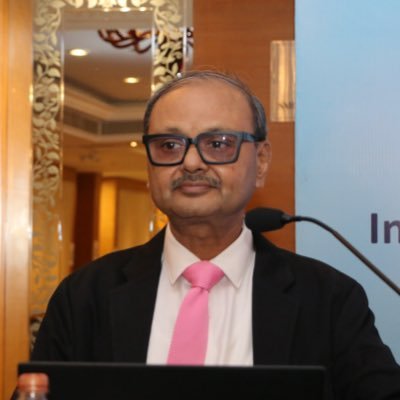
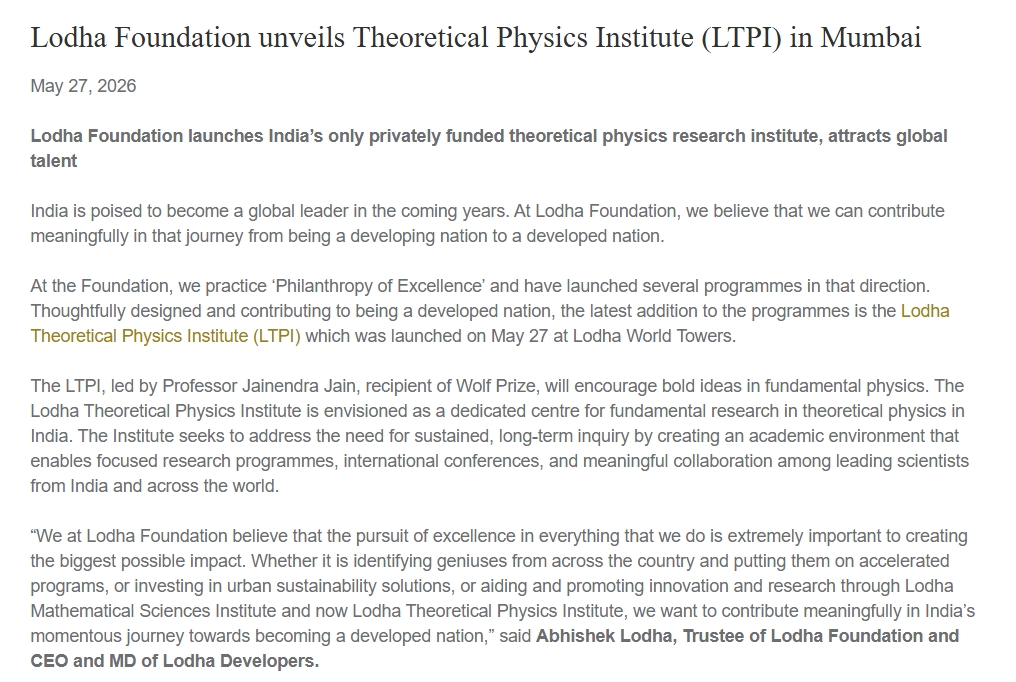
Lodha Foundation has launched the Lodha Theoretical Physics Institute (LTPI) in Mumbai, establishing India's first fully privately funded Theoretical Physics Research Institute.
Directed by Wolf Prize recipient Prof. Jainendra K. Jain, the institute is designed to drive long-term fundamental research and international scientific collaboration.
Moving immediately into operations, LTPI is hosting the 3-day 10th international meeting on Emergent Phenomena in Quantum Hall Systems (EPQHS-10). This inaugural workshop gathers global experts to chart future directions in physics and features a public lecture by Nobel laureate Klaus Von Klitzing. @Jain_Physics
The mass of the proton has almost nothing to do with the mass of the things inside it.
A proton is made of three quarks. You can look up the mass of those quarks. Two up quarks and one down quark, added together, account for about one percent of the proton's mass.
The other ninety nine percent is not matter in any ordinary sense. It is the energy of the gluon field binding the quarks together, churning so violently that Einstein's equation converts it into what we measure as weight.
This means that when you step on a scale, almost none of the number is the stuff you are made of. It is the binding energy of fields holding that stuff in place.
If you could somehow switch off the strong force for a second, your quarks would still be there, but you would weigh about a kilogram. The rest of you is not substance. It is tension.
The calculation that confirms this was not finished until 2008. A team using some of the largest supercomputers then available simulated the interior of a proton from first principles and got the mass right to within a few percent.
Before that, we knew the rule worked but could not derive the number. Ninety nine percent of the mass of ordinary matter, the mass of every star and planet and body, was unexplained from the underlying theory until well into this century.
You are mostly the sound of something holding itself together.
There was a lady who started her PhD a year ahead of me. Eventually, she went for her qualifying exam.
After her 30 mins presentation, she was questioned by the committee for another 1 hour and 30 minutes.
One of the questions she was asked was: Where do transcription and translation take place in the cell? She missed the question completely.
I think the committee was surprised because that was considered very basic science.
At the end of the exam, she was asked to assess her own performance, which is a common practice. She rated herself very highly, and I think that became another concern for the committee because her performance had been considered poor. They probably expected a more honest self-evaluation.
Sadly, she could not continue with the program after that. That was the end of her PhD journey there.
But beyond her experience, I learned something important very quickly: never neglect the basics of science. It is easy to become so focused on complex ideas, advanced techniques, and “big” concepts that you overlook the simple foundations that hold everything together.
After hearing that story, I intentionally went back to revisit my fundamentals. I downloaded materials, watched YouTube videos, and even refreshed my knowledge of statistics. Mind you, I had earned a distinction in Biostatistics…😁 Yet, I still realized there was more depth and clarity I needed.
And interestingly, statistics was part of the questions I was eventually asked during my own exam.
I think many people in science and academia become overly fascinated with complexity while underestimating the importance of truly understanding the basics. But the truth is, good science should be simple enough to explain clearly and understand deeply.
We must pay more attention to the fundamentals because they are what truly make science solid.
🧬 When AI assembles proteins
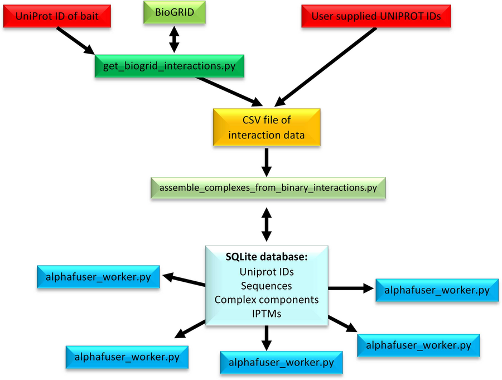
A new study involving IBMP (K. Hammani), led by C. Zubieta & M. Nanao, introduces Alphafuser—a method combining AlphaFold and interactome data to predict higher-order protein complexes.
🔗 doi.org/10.1107/S20597…
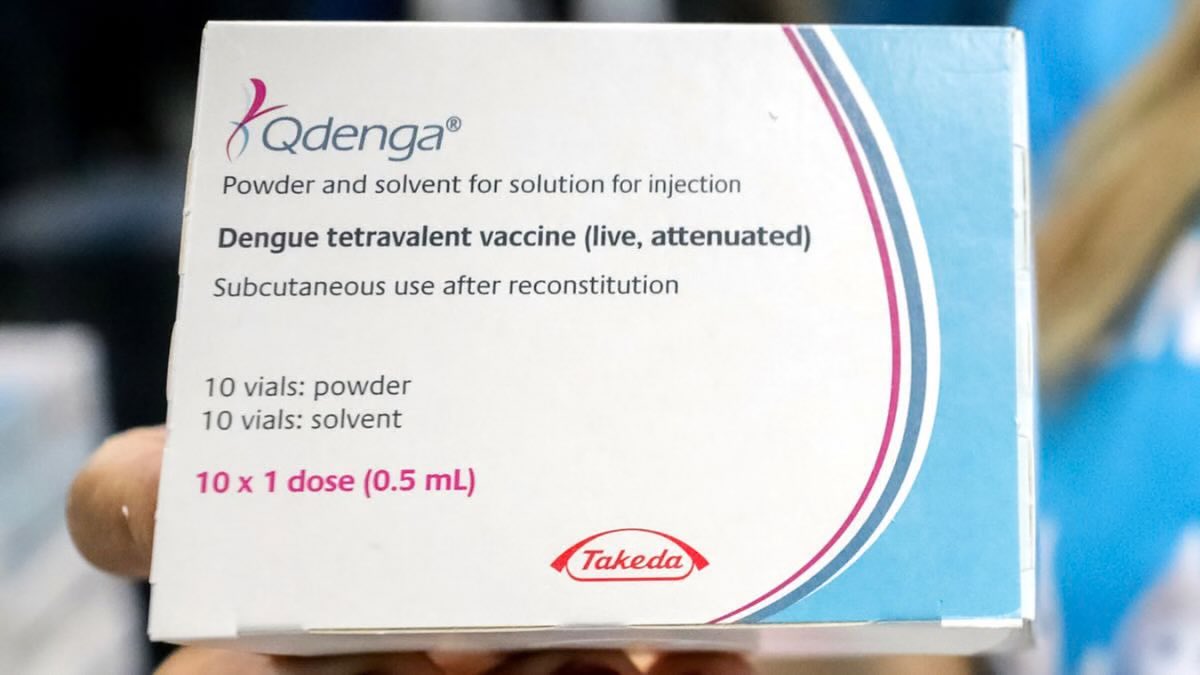
India enters the dengue vaccine era.
TAK-003 (Qdenga) has received India’s regulatory (SEC )clearance—marking a major milestone after decades of relying only on vector control.
But is this a game changer? 1/
It's allergy season, so here's one of my favorite drug discovery stories.
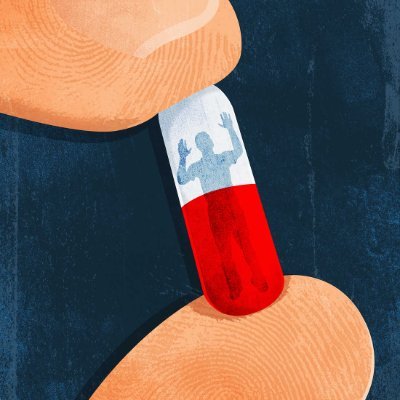
Terfenadine was approved in the 1980s as a non-drowsy antihistamine and became one of the best-selling drugs in the world. There was just one problem: it could cause fatal cardiac arrhythmias in patients taking certain other medications or with liver disease.
The mechanism? QT prolongation - a dangerous disruption of the heart's electrical rhythm.
When researchers dug into why, they discovered something remarkable: terfenadine itself wasn't even the active drug. It was being rapidly converted in the body into a metabolite - fexofenadine - and THAT was what was actually treating allergies.
Terfenadine was the prodrug. Fexofenadine was doing all the work. And crucially, fexofenadine carried none of the cardiac risk.
The result: terfenadine was withdrawn from the market in 1998, and fexofenadine was separately approved and marketed as Allegra - now one of the most widely used antihistamines on the planet.
A blockbuster drug was hiding inside a dangerous one the whole time.
This is why we study drug metabolism.
#DrugDiscovery#Pharmacology#MedicinalChemistry
@LMC_Lucknow
A big temple is being built by unscrupulous elements on government land in front of Eldeco Parkview apartment, Sitapur road, Lucknow (adjacent to Naveen gallamandi). This land is earmarked for road expansion.
Please look into it
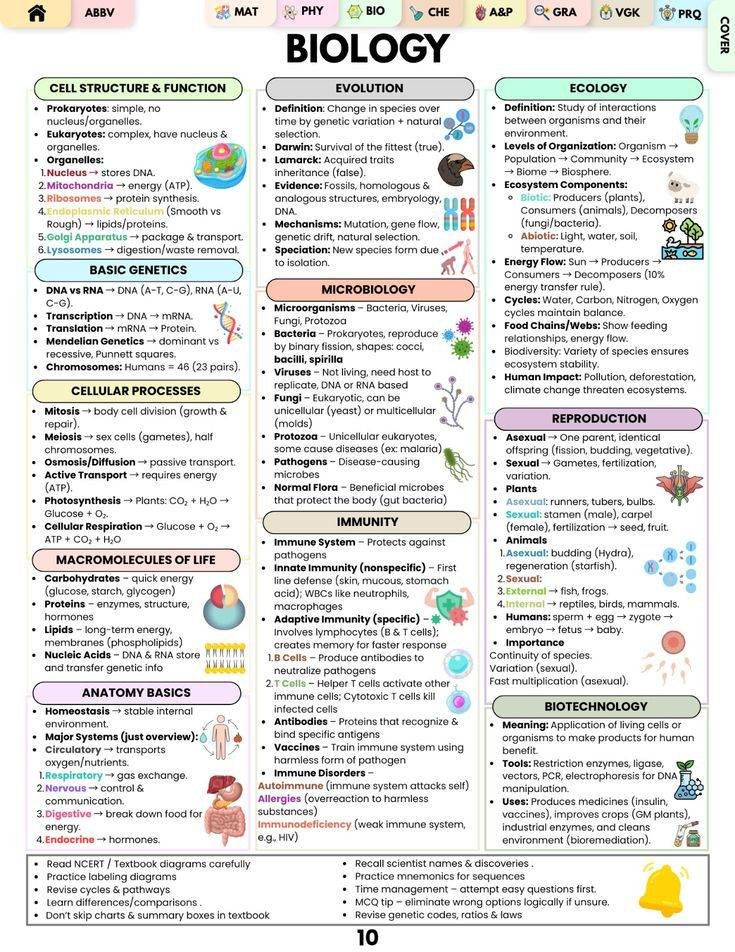
@SwaydeTony@williamwallace It looks like it is a flash card type summary of the NCERT syllabus in India... Common entrance exam for Medical stream...It is mentioned at the bottom of the document.
If school biology had been explained like THIS, half of us would’ve become scientists.
This single page somehow summarizes EVERYTHING your body does, how life evolves, how ecosystems survive, how immunity works, how reproduction happens, and even how microbes shape your health. All in one insanely clear cheat sheet.
If you’ve ever wondered why biology felt overly confusing, this chart suggests it wasn’t you…
it was the way it was taught.
Look at how much you can learn in 30 seconds:
🧬 Cells:
Why bacteria are simple, why your cells are complex, and why mitochondria are your power plants.
🧬 Genetics:
DNA → RNA → Protein.
The one flow that builds every hair, muscle, hormone, and trait you have.
🧬 Cellular Processes:
How your body repairs itself, moves nutrients, breathes oxygen, and makes energy.
🌍 Ecology:
How organisms → populations → ecosystems → biomes all fit together.
AKA: why a bee disappearing can affect your grocery bill.
🦠 Microbiology:
The difference between germs that hurt us and gut bacteria that protect us.
🛡 Immunity:
How your body launches a full military defense the moment a pathogen touches your skin.
🐣 Reproduction:
Asexual vs. sexual, internal vs. external, plants vs. animals
🌱 Biotech:
GMOs, cloning, PCR, vaccines… the stuff that actually runs modern medicine and agriculture.
This isn’t just a study guide — it’s a reminder of how ridiculously interconnected life is.
And honestly?
It should be posted in every classroom, gym, kitchen, doctor’s office, and maybe even on your fridge.
Because when you understand biology,
you understand your body,
your health,
your food,
your environment,
and the system that keeps every living thing alive.
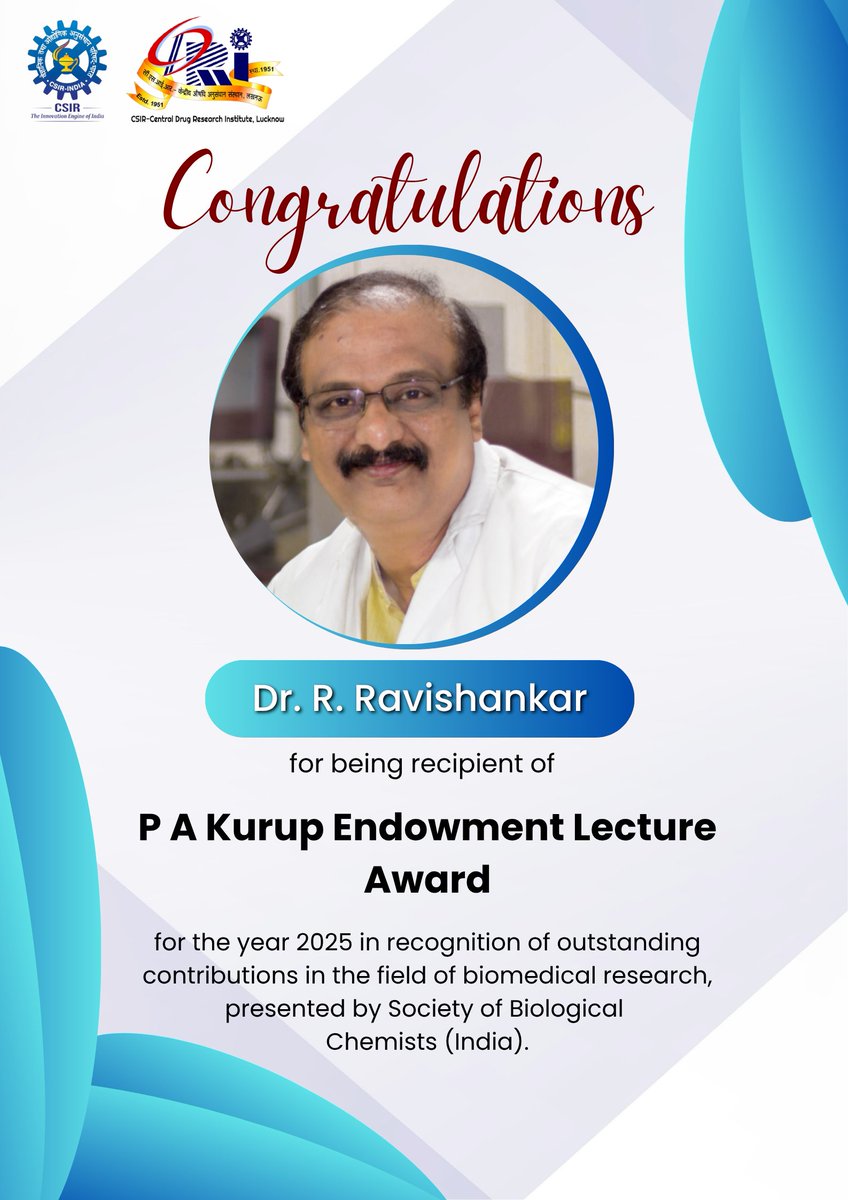
🏆 Congratulations to Dr. R. Ravishankar! 🎉@ravishni He has been honored with the P. A. Kurup Endowment Lecture Award (2025) by the Society of Biological Chemists (India) in recognition of his outstanding contributions to biomedical research. 👏
A proud moment for @CSIR_CDRI !
Academia has institutionalized infantilization.
PhD students in their mid 20s are treated as kids.
Researchers in their mid 30s are junior and need approval from seniors.
It’s keeping adults in intellectual adolescence, and independence is delayed until they are obedient.
Engaging in creative, skill-based activities like dance, music, visual arts, or gaming can reduce your brain's biological age by ~6 years.
Researchers measured the 'brain age gap' (the difference between predicted and actual brain age) and found that creative experts had significantly younger brains.
This expertise translates to greater neural connectivity in brain regions responsible for motor control, precise timing, mental imagery, and salience detection. They also had more efficient local and global neural networks, which is a signature of robust cognitive function.
Healthy brain aging isn't just about nutrition and exercise protocols. Deliberately challenging your brain with creative and skill-intensive pursuits profoundly enhances neural resilience and longevity.
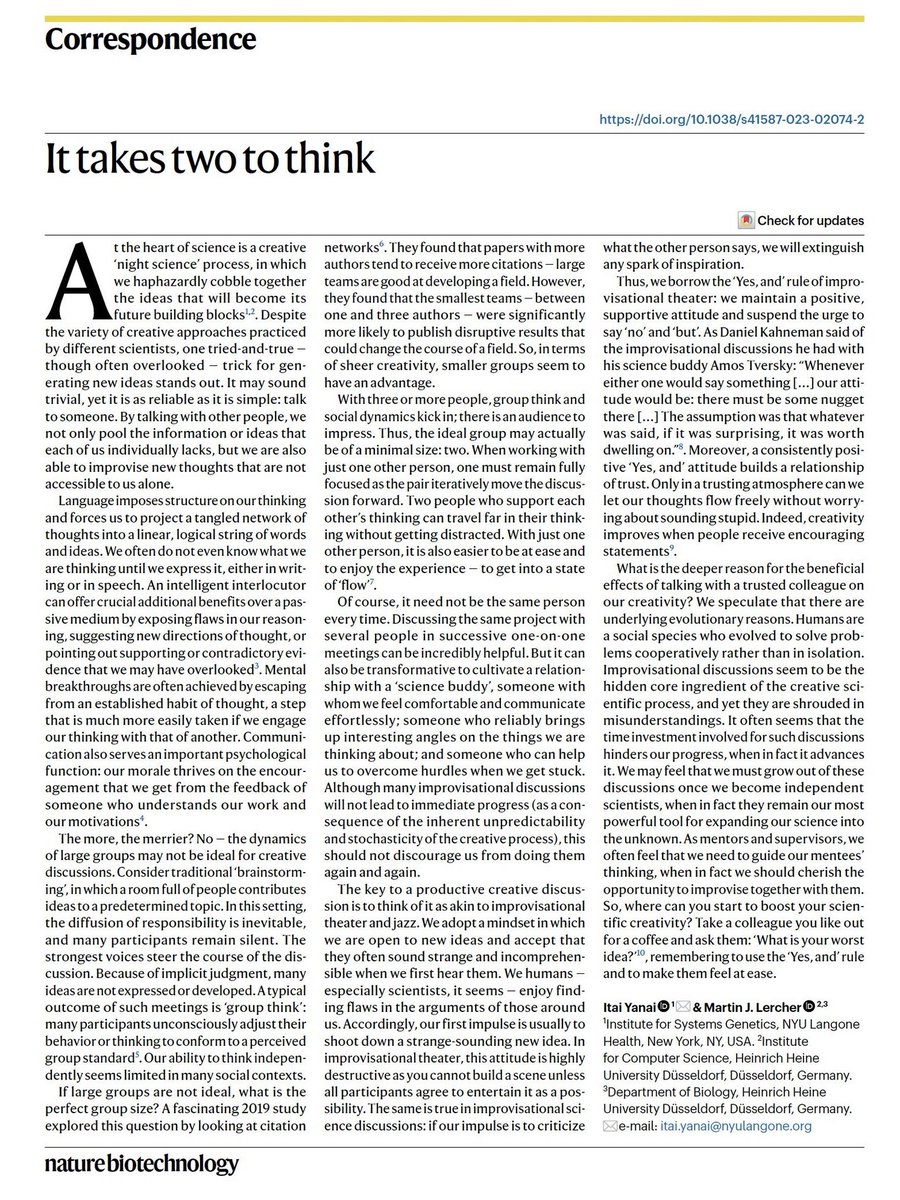
You should be so lucky to have people throughout your research career that you can openly bounce ideas to and from - especially if they complement your strengths in your areas of weakness - it is a rare and precious gift.