
Shizell

83 posts

Shizell

Shizell

@Shizzboo

Katılım Ekim 2009
72 Takip Edilen30 Takipçiler
Shizell
Shizell@Shizzboo·
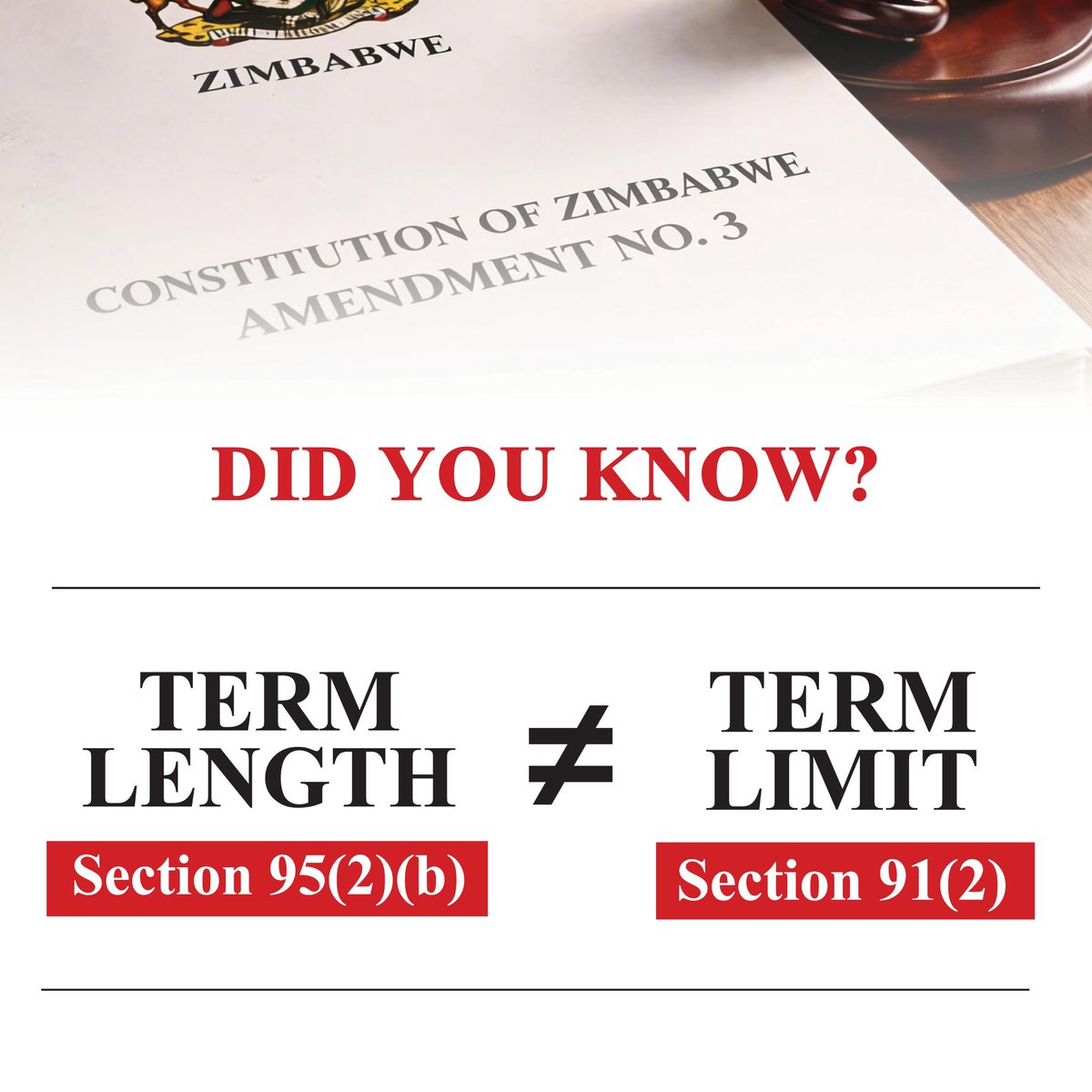
CA3 only seeks to align term length under Section 95(2)(b) it does NOT remove the two-term limit protected under Section 91(2). Term length ≠ term limit.#CA3
Shizell tweet media
English
0
0
0
3
Shizell retweetledi
TheNewsHawks
TheNewsHawks@NewsHawksLive·
#GoodLongRead Evidence-Based Research Shows Direct Presidential Electoral System Places Zim in a Club of Authoritarian States and Dictatorships 𝐺𝑙𝑜𝑏𝑎𝑙 𝑇𝑦𝑝𝑜𝑙𝑜𝑔𝑖𝑒𝑠 𝑜𝑓 𝑃𝑟𝑒𝑠𝑖𝑑𝑒𝑛𝑡𝑖𝑎𝑙 𝐸𝑙𝑒𝑐𝑡𝑖𝑜𝑛 𝑆𝑦𝑠𝑡𝑒𝑚𝑠: 𝐴 𝐶𝑜𝑚𝑝𝑎𝑟𝑎𝑡𝑖𝑣𝑒 𝐴𝑛𝑎𝑙𝑦𝑠𝑖𝑠 𝑜𝑓 𝐷𝑖𝑟𝑒𝑐𝑡 𝑎𝑛𝑑 𝐼𝑛𝑑𝑖𝑟𝑒𝑐𝑡 𝐸𝑙𝑒𝑐𝑡𝑜𝑟𝑎𝑙 𝑀𝑜𝑑𝑒𝑙𝑠 BY KELVIN JAKACHIRA As debate on Zimbabwe Constitutional Amendment Bill N0.3 (CAB3) continues and heads to parliament after the just-ended parliamentary public consultation process, one of the battlefronts is whether the country should stick with a direct presidential election model or shift to a parliamentary system where the president is elected by the legislature. This is now beyond the contest of whether a referendum should be held or parliament has the legal right to make the constitutional amendments. It is now about debating what is and not what should have been: engaging reality as it is whether right or wrong in terms of process. The idea of the debate should not be to win an argument, but to shed light and insight on the public discourse to help the people, voters and legislators make informed and better decisions and choices in the process. The architecture of executive election systems is not a neutral administrative variable. It is one of the most consequential decisions in constitutional design, shaping the legitimacy of executive power, the dynamics of executive-legislative relations, and the long-term trajectory of democratic consolidation. When states choose between the direct and indirect election, they are making a foundational choice about how power is sourced, constrained, and transferred. In the current CAB3 debate, critics of the bill and those who want Zimbabwe to retain a direct presidential election system have deployed a numerical argument: that approximately 110 countries in the world directly elect their president, against only 51 that do so indirectly. Their argument says the global majority therefore vindicates the direct model as the democratic standard compared to electing a president through parliament. The argument is intended to suggest that moving away from direct election represents a retreat from the democratic mainstream. This opinion-editorial tests that argument. While it accepts the 110/51 count, which, as this research shows, is a defensible and methodologically sound figure, it disaggregates the 110 to reveal what that majority entails and demonstrates that the majority of countries which have direct presidential elections are actually authoritarian states and dictatorships. Contempaparry Zimbabwean history shows this. The current direct presidential election system is clearly rooted in the 1987 Unity Accord between Zanu and Zapu in the context of the Matabeleland atrocities and the late former president Robert Mugabe's one-party state agenda. The current direct presidential election system and the imperial presidency was not a creature of the popular will and democratic aspiration; far from it - it is a relic of the one-party state agenda and Mugabe's power consolidation and retention plan. Whether Zimbabwe keeps the current presidential system or transition to the parliamentary model is not the issue, but to show that the mere fact that most countries elect their leaders via direct elections does not make them more democratic and manifest international best practice. When the 110 direct-election states are unpacked by history, region and historical regime type, the overwhelming majority are former military regimes, former one-party states, former socialist states, or current authoritarian systems. The evidence is overwhelming. The direct presidential election model is not the hallmark of liberal democracy. It is, historically and statistically, the preferred institutional design of dictatorships in transition. The Mugabe example and legacy on that fits the bill.
TheNewsHawks tweet media
English
16
99
75
12.5K
Shizell
Shizell@Shizzboo·
@HeraldZimbabwe BRICS engagement opens doors to development financing, expanded trade &accelerated industrial growth beyond traditional Western systems. Greater use of the ZiG & local currencies in trade could reduce US dollar dependence, strengthen monetary stability & economic sovereignty
English
1
0
2
90
Shizell
Shizell@Shizzboo·
🇿🇼 #CA3 Building stronger institutions, stable governance and a future-focused Zimbabwe. Vision, continuity and development working together.
Shizell tweet media
English
0
0
0
18
The Herald Zimbabwe
The Herald Zimbabwe@HeraldZimbabwe·
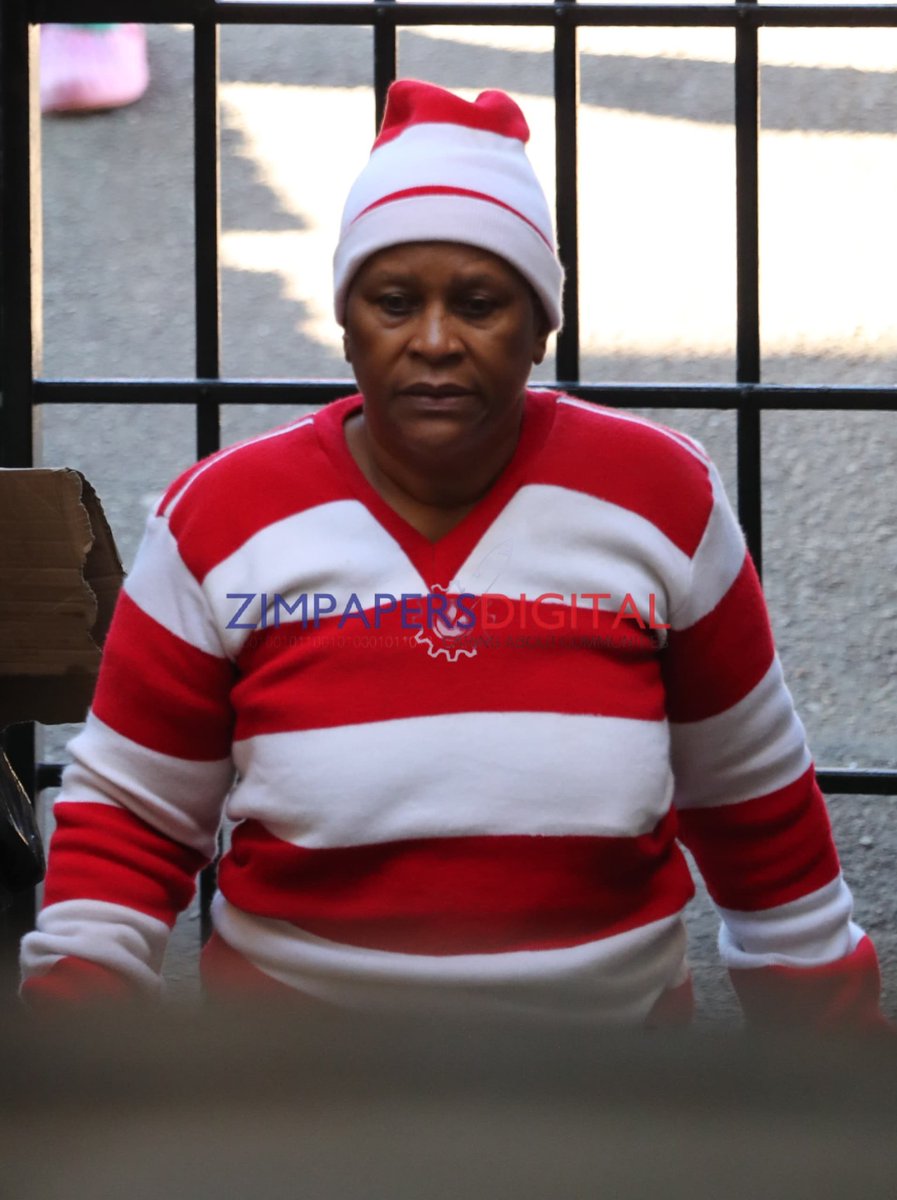
Wicknell Chivayo’s ex-wife, Sonja Madzikanda, and her mother, Tabitha Madzikanda, have arrived at the Harare Magistrates Court for their bail ruling on charges of cyberbullying and harassment. heraldonline.co.zw/chivhayo-ex-wi… 📸: Lee Maidza
The Herald Zimbabwe tweet mediaThe Herald Zimbabwe tweet media
English
172
54
300
175K
Shizell
Shizell@Shizzboo·
@drpaultugwarara Honoured to preside over the Presidential Boreholes Official Opening in Cowdray Park, Bulawayo, on 22 May 2026 on behalf of President Emmerson Mnangagwa. Development knows no politics. Together, we build Zimbabwe and move toward Vision 2030. 🇿🇼 #CA3
English
0
0
1
29
Dr P Tungwarara, Presidential Advisor
I’m pleased to announce that I will be presiding over the Presidential Boreholes Official Opening on 22 May 2026 in Cowdray Park, Bulawayo, on behalf of President ED Mnangagwa. This occasion is yet another testament to what we can achieve when we unite as one nation, regardless of our political differences. Together, we can build our country and move with purpose toward the realization of Vision 2030. #CAB3
Dr P Tungwarara, Presidential Advisor tweet media
English
220
25
76
76.2K
Shizell
Shizell@Shizzboo·
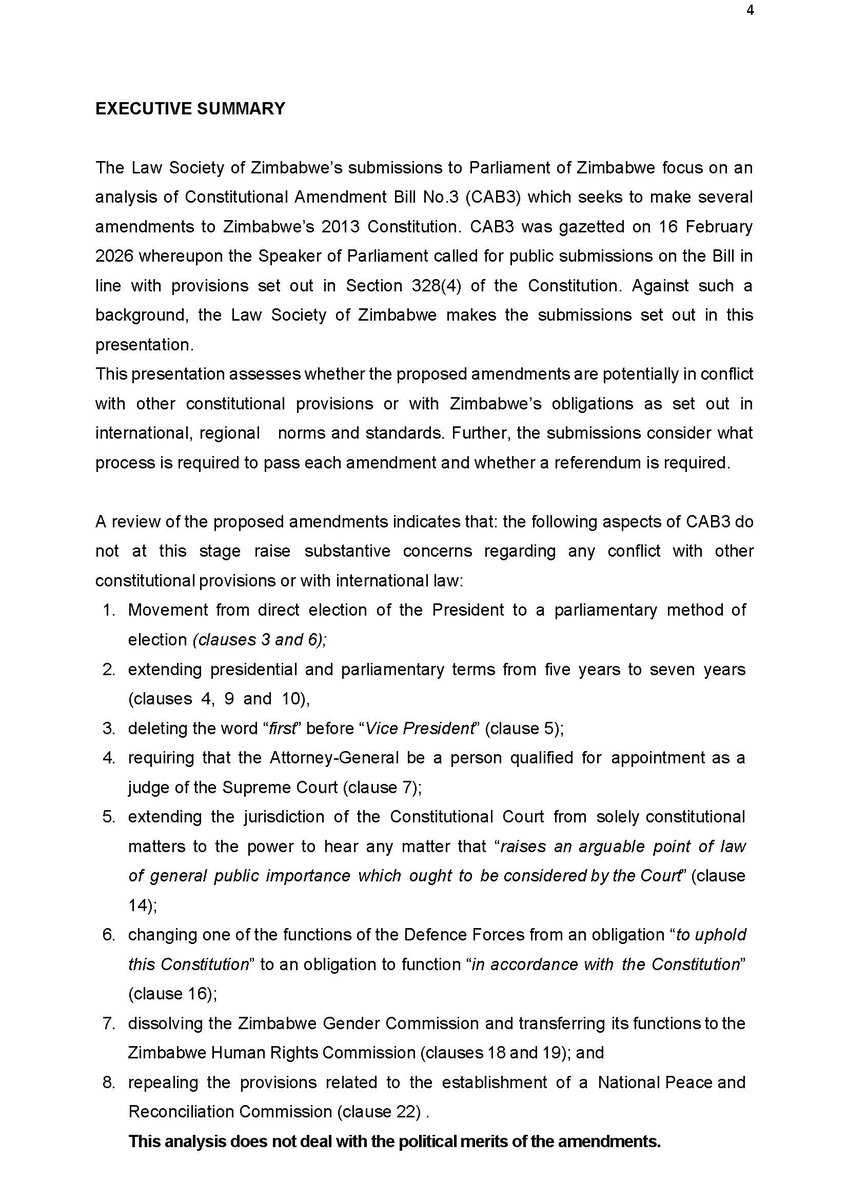
@lawsocietyofzim CA3 does not create a third term. The two-term limit remains untouched. It aligns election timelines, reduces costs, and preserves constitutional continuity. Reform within the Constitution not outside it. #CA3 🇿🇼
English
0
0
0
9
Law Society of Zimbabwe
Law Society of Zimbabwe@lawsocietyofzim·
The Law Society of Zimbabwe has made its submissions on #CBA3 to Parliament. The attached is the Executive Summary of same
Law Society of Zimbabwe tweet mediaLaw Society of Zimbabwe tweet media
English
5
11
25
12K
Shizell retweetledi
Parliament of Zimbabwe
Parliament of Zimbabwe@ParliamentZim·
.Today, Clerk of Parliament Mr. K.M. Chokuda gave clarity on what comes next regarding #Cab3 following the lapse of the 90-day constitutional period. He also noted that public participation has been overwhelming, expressing gratitude for the feedback from citizens and their active engagement in the process.
Zimbabwe 🇿🇼 English
13
52
64
33.1K
Shizell
Shizell@Shizzboo·
A big thank you to the Judicial System of Zimbabwe for this commendable ruling. Justice has prevailed, and our children are safer when individuals who prey on the vulnerable are held fully accountable and removed from society. The protection of our children comes first
ZBC News@ZBCNewsonline

GURUVE SERIAL RAPIST SENTENCED TO 89 YEARS IN PRISON Guruve serial rapist, Anymore Zvitsva, has been sentenced to an effective 89 years in prison after pleading guilty to 10 counts of rape, attempted murder and one count of robbery. #BreakingNews #Guruve #CrimeNews #Zimbabwe #CourtNews #Justice #PublicSafety #ZimbabweNews

English
0
0
0
12
Change Radio
Change Radio@ChangeRadioZW·
Call to Solidarity: Constitutional Court Hearing on CAB3 – Wed 20 May 2026 On Wednesday 20 May 2026, Professor L. Madhuku will challenge CAB3 before the Constitutional Court. This is not just another court case. It is a test of whether the constitution still means what it says about presidential term limits, extensions, and the right of the people to decide. Why this matters CAB3 deals directly with the presidential term cycle and the rules around term limits and extensions. These are not political slogans. They are constitutional questions. If the rules can be changed outside the process the constitution sets out, then the constitution itself becomes optional. That is why we are calling on all progressive opposition forces to attend the Constitutional Court in solidarity with the War Veterans and with the majority of Zimbabweans who have spoken against CAB3. What we stand for We go to court to defend a principle, not a person or a party. The principle is simple: the people set the rules, and those in power must follow them. Our demand is clear: #No To CAB3 #No To ED2030 AGENDA #We Demand One Man One Vote #We Demand Referendum Today Why attend 1. Visibility: The court hears arguments, but it also sees who shows up. Public presence tells the judges and the country that this issue matters beyond legal briefs. 2. Unity: War Veterans, civil society, and opposition groups may differ on many things. On the constitution, we can stand together. 3. Accountability: When the people are in the gallery, the process is harder to manipulate behind closed doors. What we are not doing This is not a call for disruption or lawlessness. The case will be argued in court, with law and precedent. Our role is to show solidarity, to witness, and to make clear that the people are watching. Practical note If you plan to attend, be orderly, follow court rules, and respect the process. The strength of our position is that we are defending the constitution, not attacking it. The court on 20 May 2026 will hear arguments about CAB3. What happens after will depend on whether those arguments respect the constitution as written, and whether the people make it clear they expect nothing less. See you at the Constitutional Court. Sen Morgen Komichi
Change Radio tweet media
English
19
16
23
3.5K
Shizell
Shizell@Shizzboo·
Congratulations ladies
Shizell tweet media
English
0
0
0
10
Shizell retweetledi
Precious Kennedy Mare
Precious Kennedy Mare@KennedyMar33798·
1/8 It's interesting how @DougColtart is citing Gyimah-Brempong without engaging with what the paper actually says. The article's core finding is not that strong executives cause corruption. It is that corruption damages development where institutions fail to control it. @Bete263
Doug Coltart ✊🏼🇿🇼@DougColtart

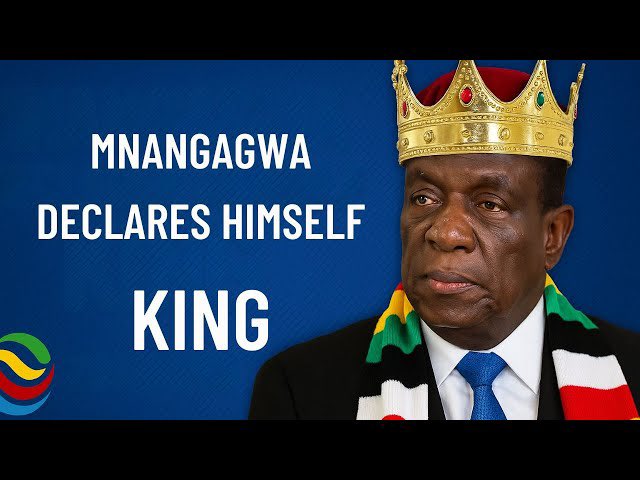
In a groundbreaking study, Kwabena Gyimah-Brempong found that corruption reduces economic growth rates and increases inequality. #CAB3 consolidates power in the executive and removes mechanisms for accountability which will increase corruption. This will affect all of us. #NoToCAB3
English
10
31
27
753
Shizell
Shizell@Shizzboo·
@matinyarare The President was making a historical analogy, not claiming to be a king. Every Head of State operates under security protocols and constitutional authority. President ED remains accountable to the Constitution, Parliament, and the people.@nelsonchamisa
English
1
0
1
1.8K
Rutendo Matinyarare
Rutendo Matinyarare@matinyarare·
We keep warning people that CAB3 is about making our President a King and here he is talking about how a King doesn’t have to tell the people of Munhumutapa where he goes. The President is a civil servant who should be accountable to the people. He is not a King, so how does he say this? How is this normal?
Rutendo Matinyarare tweet media
𝑲𝒖𝒅𝒛𝒂𝒊 𝑴𝒖𝒕𝒊𝒔𝒊@KMutisi

After a weekend of screams @LynneStactia & @mawarirej, President @edmnangagwa gave a short response to those who were looking for him over the weekend.

English
89
128
455
67.6K
Shizell
Shizell@Shizzboo·
CA3 preserves universal suffrage. Citizens elect MPs, and MPs elect the President on their behalf. The vote stays with the people. #CA3
Prof Jonathan Moyo@ProfJNMoyo

'LONG ROAD TO ONE MAN ONE VOTE: THE HISTORY AND REALISATION OF UNIVERSAL ADULT SUFFRAGE IN ZIMBABWE' By Kelvin Jakachira africanreviewer.com 18 May 2026 "Universal adult suffrage — the right of every adult citizen to vote in free and fair elections regardless of race, ethnicity, gender, or class — is the cornerstone of modern democracy in the world. In Zimbabwe, this right was not a gift of colonial transition, but the primary objective of a protracted armed struggle against settler rule. This, together with land and freedom, were the main causes of the liberation struggle. This featured strongly during the constitutional amendments debate. It became a point of serious contestation around the proposal to change the presidential electoral system to elect the President through parliament rather than by direct vote. Critics of the proposal claimed this removed the one man one vote or universal adult suffrage – the right to vote – from ordinary Zimbabweans. The factual and truthful position is that it changes how people exercise that right, but not remove it." africanreviewer.com/long-road-to-o…

English
0
0
0
14