Simon Dankel

2.1K posts

Simon Dankel

Simon Dankel

@simondankel

Professor/Scientist (Medicine, Physiology, Metabolism, Molecular Biology, Genomics), Nutritionist, Food Engineer, husband of @dorothydankel, father of 3 girls

Bergen, Norway Katılım Şubat 2011
147 Takip Edilen750 Takipçiler
Simon Dankel retweetledi

Dr Alexey Kulikov
Dr Alexey Kulikov@KulikovUNIATF·
The uneven rise of #obesity in G7 countries over 30 years.
English
5
50
108
23.7K
Simon Dankel
Simon Dankel@simondankel·
New review showing that lower, not higher, intake of saturated fat (SFA) increases Lp(a), an independent risk factor for CVD. Higher carbohydrate instead of SFA intake increases Lp(a) levels ajcn.nutrition.org/article/S0002-…
English
0
0
9
233
Simon Dankel retweetledi
Nina Teicholz, PhD
Nina Teicholz, PhD@bigfatsurprise·
Lean people on low-carb diets who see LDL-C rise were found to have no signficant difference in plaque build-up compared to matched controls, over ~5y. This is a huge breakthrough paper for this group of people. Congrats to @realdavefeldman et al. for this important work! It's important to realize that LDL-C on low-carb has ONLY been found to rise in this population (BMI<25), not in those with higher BMI, so this study effectively means that low-carb does not seem to increase heart-disease (CVD) risk in ANY population. BMI paper don: 10.1016/j.ajcnut.2024.01.009 Also worth adding that low-carb improves ALL other risk factors (22 out of 23 measured in the largest keto trial to date) at 1 year. doi: 10.1186/s12933-018-0698-8 @nicknorwitz @DrRagnar @AdrianSotoMota @khurramn1 @BudoffMd
Dave Feldman@realDaveFeldman

🚨🚨🚨🚨🚨🚨🚨🚨 Match Analysis Paper Now Published! jacc.org/doi/10.1016/j.… 🙏🙏Please RT far and wide 🙏🙏 KETO-CTA (#LMHRstudy) vs Matched Controls (#MiHeart) METHODS – 80 participants from the #LMHRstudy were matched 1:1 with asymptomatic subjects from #MiHeart, considering age, gender, race, diabetes, hyperlipidemia, hypertension, and smoking history. PRIMARY ANALYSIS – High-resolution heart scans (#CCTA) were used for evaluating Total Plaque Score (TPS), Total Stenosis Score (TSS), and Segment Involvement Score (SIS). RESULTS Matched mean age: 55.5 years, with average #LDL cholesterol of 272 mg/dL (max LDL-C of 591 mg/dL) after an average of 4.7 years on a ketogenic diet. 🚨 There was no significant difference in coronary plaque burden between the #LMHRstudy group (mean LDL-C 272) and #MiHeart controls (mean LDL-C 123 mg/dL); note: pre-KETO LDL-C in the KETO group was 122 mg/dL. 🚨 No significant difference in CAC (median and IQR) [0 (0, 56)] vs [1 (0, 49)], p = 0.520. 🚨 No correlation between elevated LDL-C and plaque levels. ⚠️ NOTE: This analysis focuses on baseline scans. More data will follow from the Keto-CTA longitudinal study in the coming months. Please continue to consult your healthcare provider. 🙏🙏🙏 A huge thank you to everyone who made this milestone publication possible. 🙏🙏🙏 Special shout-out to @nicknorwitz, @DrRagnar, @AdrianSotoMota, @khurramn1, and of course, @BudoffMd. And a MASSIVE thanks to all who contributed their time, money, and support to help make this research a reality! (PS — This is Open Access -- so you are free to download and read in its entirety)

English
27
209
793
49.7K
Simon Dankel retweetledi
Dave Feldman
Dave Feldman@realDaveFeldman·
This is a commonly debated topic. Given inflammation itself induces greater transcytosis ApoB containing lipoproteins (doi.org/10.1093/eurhea…), it's difficult to disentangle the two. This is the value of prospective data on #LMHRs in particular given they have extremely high ApoB, yet typically low inflammation, at a population level. Until we started the #LMHRstudy, all prospective data (that we're aware of) on high ApoB vs ASCVD included or exclusively focused on populations with some form of dysfunctional lipid metabolism. (*Currently getting logistics and funding in place for our second study, so hopefully we'll continue to gather strong data to tackle this crucial question)
Pablo Corral MD@drpablocorral

👉Atherosclerosis IS NOT an Inflammatory disease ☝️Atherosclerosis is not fundamentally an inflammatory disease; rather, it is primarily a disorder characterized by the penetration and retention of apolipoprotein B (ApoB) in the subendothelial space. The process begins when ApoB-containing lipoproteins enter the endothelial layer, subsequently becoming retained and modified. This sets the stage for an inflammatory reaction that intensifies the atherosclerotic process. Similar to how COVID-19 involves an important inflammatory component in its development but is caused by the SARS-CoV-2 virus—addressed with vaccines—atherosclerosis also features a critical inflammatory aspect. However, its primary trigger is the accumulation of ApoB. Therefore, treatment strategies should focus on reducing ApoB levels and concurrently managing the inflammatory response to effectively curb the progression of atherosclerosis. This approach aims at addressing the root causes of the condition, offering a more direct and potentially effective method of treatment.

English
8
11
59
9.2K
Simon Dankel retweetledi
Metabolic Mind
Metabolic Mind@Metabolic_Mind·
What's better for the brain, a "keto" or Mediterranean diet? While the Mediterranean diet is often praised for its benefits on mental health, recent studies suggest limited impact since the 2017 SMILES study. 🍽️💭 Could a ketogenic diet (or even a ketogenic Mediterranean-style diet) be a more effective intervention? A retrospective analysis by Dr. Albert Danan, published with help from @GeorgiaEdeMD, along with @ShebaniMD's Stanford keto trial, both demonstrated that keto had a positive impact on psychiatric symptoms, including remission in some patients. These data suggest that achieving a state of nutritional ketosis can make the difference in treating serious mental illness. 🧠💫 Learn how keto might be a game-changing nutritional strategy for treating mental illness: youtu.be/2dsn1sWai7M
YouTube video
YouTube
English
3
17
68
6.5K
Simon Dankel retweetledi
Marit Kolby
Marit Kolby@MaritKolby·
Hoping for more UPF-studies with biomarker mediation analyses. "Biomarkers of liver function have the greatest mediating effects on all-cause mortality (20.3%), and biomarkers of inflammation have the greatest mediating effects on CVD mortality" (29.2%).pubmed.ncbi.nlm.nih.gov/37690589/
English
0
4
21
1.2K
Simon Dankel retweetledi
Kevin Hall
Kevin Hall@KevinH_PhD·
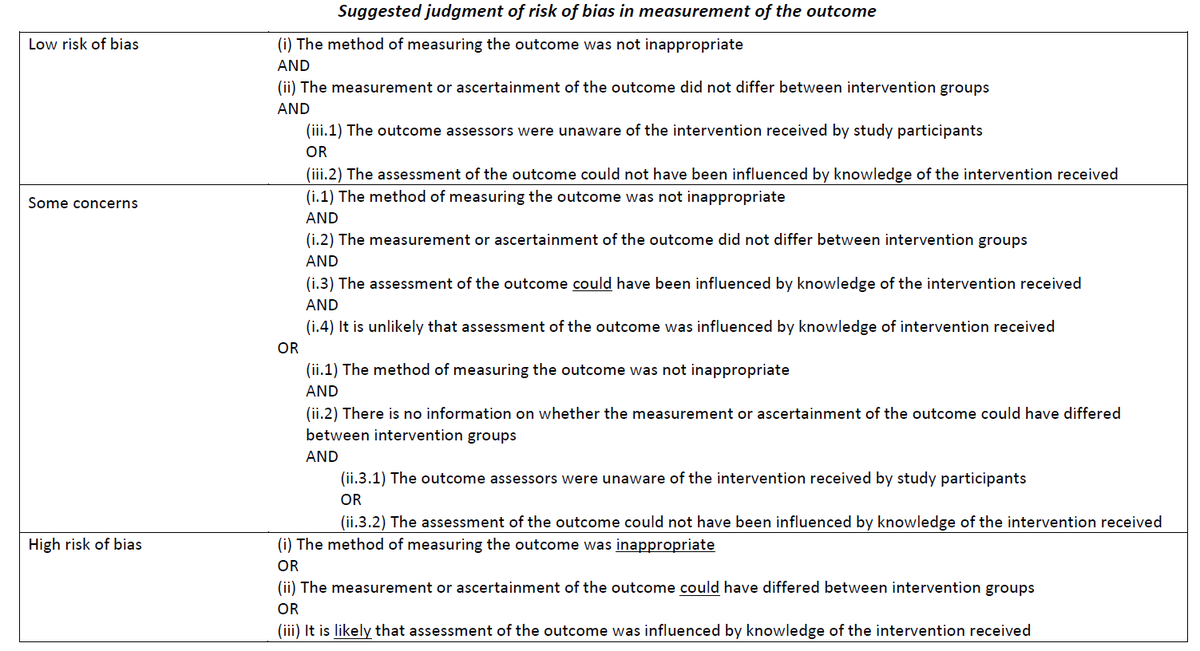
A new systematic review suggests that our UPF RCT outcome measurement had "high risk of bias", but this assessment does not seem to match the Cochran algorithm that was purported to have been used in this assessment. "Some concerns" seems more appropriate. methods.cochrane.org/bias/resources…
Kevin Hall tweet mediaKevin Hall tweet media
Marit Kolby@MaritKolby

In this review, the outcome measures in the unprocessed/ultra-processed by @KevinH_PhD were assessed as "high risk of bias", resulting in low "certainty of evidence" e.g. for reduction in energy intake in this trial. Seems very strange to me. pubmed.ncbi.nlm.nih.gov/38988861/

English
6
9
40
14K
Simon Dankel retweetledi
Jens Lund
Jens Lund@jens_lund·
1/15 Is obesity caused by trapping of fuels in our fat? Led by Mark Friedman @MonellSc, this new article summarizes more than 80 years of research which collectively suggest that faulty fuel partitioning might be a primary driver of obesity! Open Access 👇 onlinelibrary.wiley.com/doi/10.1111/ob…
English
13
42
151
43.6K
Simon Dankel retweetledi
Marit Kolby
Marit Kolby@MaritKolby·
Beware of maltodextrin. "Since MDX as a filler contributes to a large fraction of the volume in numerous processed foods or supplements, our findings highlight the need to reassess the impact of this compound on human intestinal health" ncbi.nlm.nih.gov/pmc/articles/P…
English
2
4
25
3.4K
Simon Dankel retweetledi
Marit Kolby
Marit Kolby@MaritKolby·
There's something about those emulsifiers. And as always, exposure comes first. Then research. And maybe later, regulations. "MDG tends to cause bacterial encroachment into the inner mucus layer and enhance inflammation potential.." MDG is omnipresent. nature.com/articles/s4200…
English
3
14
32
2.8K
Simon Dankel retweetledi
Bret Scher, MD
Bret Scher, MD@bschermd·
Incredibly thorough & detailed case report of an individual with DM1 treated with ketogenic therapy for 10 years with significant improvements in metabolic and cardiac parameters. Great work!
Andrew Koutnik, Ph.D.@AKoutnik

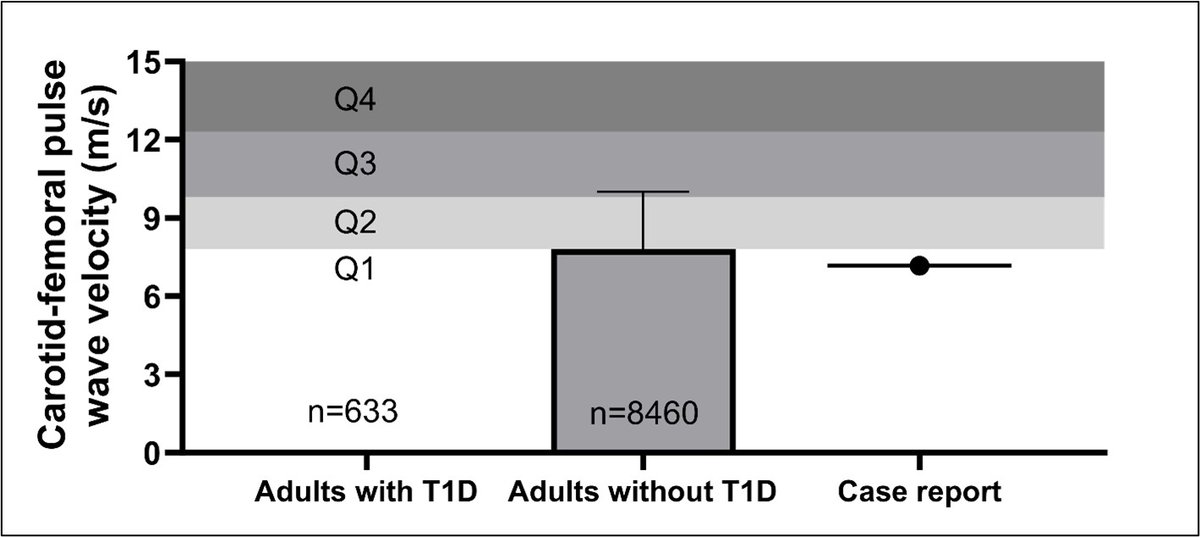
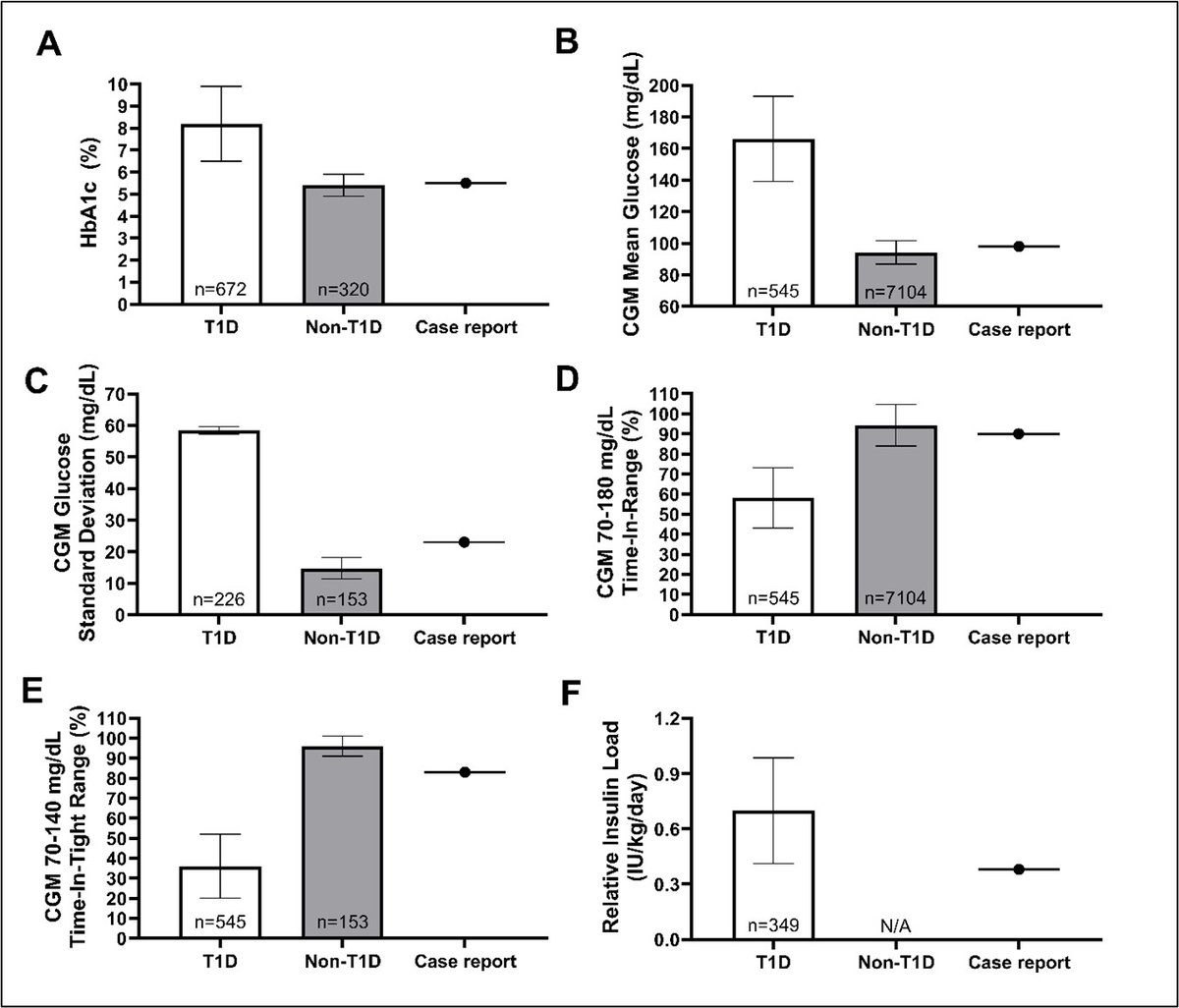
🔬🤯🫀 10-Years longitudinal data on KETOGENIC DIET and Safety, Efficacy & Advanced Cardiovascular Physiology in a patient with HIGH RISK cardiovascular disease (Type 1 Diabetes)? #ADA2024 NEW DATA OUT TODAY: journals.physiology.org/doi/abs/10.115… We (@Joseph_Watso) measured advanced cardiovascular health profile in an adult with elevated cardiovascular risk (type 1 diabetes) who followed a ketogenic diet for 10 years and sustained euglycemia (10-Year HbA1c 5.5%)...what did we find? Was it safe? Did it progress early signs of cardiovascular disease? 1) CLINICAL IMPORTANCE: People with type 1 diabetes (T1D) show early artery damage within 4 years, estimated 10x higher risk of heart disease and 11-18 year early death...Hyperglycemia, as well as insulin, lipids, etc... are believed to drive this risk...the ketogenic diet has been proposed as a promising strategy...but people have concerns about long-term CV risk of KD. 🤯NOTE: THIS IS ONE OF THE LONGEST CONFIRMED REPORT OF KD AND IS THE LONGEST LONGITUDINAL REPORT OF A PATIENT WITH TYPE 1 DIABETES FOLLOWING A KETOGENIC DIET IN THE LITERATURE. 🔬 2) METHODS: VERY UNIQUE case of a patient at high risk for CV disease (type 1 diabetes) who MAINTAINED body composition (DXA confirmed), activity, and calories over a 10-year period (confirmed elevation of R-BHB) while following a KD. Why is this important? Removing confounding influence of body composition, physical activity, and caloric changes allows us to look at macronutrient specific effects of a KD. To our knowledge there is no long-term report where these were controlled...let alone over 10 years in an at risk population allowing us to more closely look at CV impact of KD. 🩸📉3) GLUCOSE & INSULIN RESULTS (1/6): During a 60-day CGM tracking period, the participant demonstrated excellent glycemia (10year HbA1c: 5.5%), achieving mean blood glucose (98mg/dL), glycemic stability, and time-in-range in the top 1 percentile and total insulin load in the top 10 percentile compared with age/sex-matched patients with T1D. 🩸📈4) LIPID RESULTS (2/6): Although LDL-C was elevated over 10-year period on KD, most standard lipid values were not outside normal ranges. Advanced lipid testing demonstrated that LDL-C composition was Pattern A, borderline-high Apolipoprotein B (96mg/dL) and LDL-P (1415nmol/L), consistent with elevated LDL-C; however, Lipoprotein (a) (18.7nmol/L), small LDL-P (<90 nmol/L), LDL size (21.9 nm), and Lp-PLA2 Activity (182 nmol/min/mL) were all within the target range. WHAT ABOUT EARLY SIGNS OF CARDIOVASCULAR DISEASE PROGRESSION WITH 10-YEAR ELEVATED LDL-C? LETS SEE: 🫀🩸 5) STIFFNESS OF ARTERIES & BLOOD PRESSURE: Central artery stiffness (i.e., cf-PWV) was in the lowest (i.e., best) quartile for adults with T1D and similar to adults without T1D. The value of 7.17 m/s was 0.93 m/s lower (i.e., better) than the age-predicted cf-PWV of 8.10 m/s despite the presence of T1D. Not pictured - Seated office BP was 113/67 mmHg during an annual exam (systolic: 18th percentile for T1D; diastolic: 12th percentile for T1D) and ambulatory awake BP was 132 ± 15 mmHg for systolic BP and 80 ± 6 mmHg for diastolic BP. 6) ENDOTHELIAL FUNCTION: A) The peak blood flow response after ischemia (i.e., hyperemic velocity time integral) value was in the third quartile (50-75th percentile, 2nd to best group) of risk from adults without T1D. B) The blood vessel relaxation after ischemia (i.e., flow-mediated dilation, gold-standard assessment of vascular endothelial function) was higher (i.e., better) than adults with and without T1D. ⚡️7) AUTONOMIC REGULATION: The ability to modulate heart rate to maintain blood pressure (i.e., cardiac vagal baroreflex gain) was higher (i.e., better) than adults with and without T1D. Not pictured - Resting heart rate was below (i.e., better) than adults with and without T1D, SDNN (a common HRV marker) was similar to adults with and without T1D, and the Low-Frequency/High-Frequency HRV ratio was lower (i.e., greater parasympathetic dominance) than adults with and without T1D. 🫀 8) LEFT VENTRICULAR FUNCTION: There was no indication of left ventricular diastolic dysfunction. Not pictured - The participant presented with normal sinus rhythms with no sign of Q-T prolongation. 🚨⚠️9) LIMITATIONS: There are clearly limitations, primarily that this is an individual case. However, due to the sheer absence of long-term data, hypothesized risk of a KD, and popularity and use of KD, this data is important to share to generate future research questions. 🗒️CONCLUSION: In the longest known longitudinal report of a ketogenic diet in a patient at high risk for cardiovascular disease (type 1 diabetes), we observed that a KD could be a promising therapeutic option for managing cardiovascular disease risk when combined with other health behaviors. These initial findings should provoke further research into interventions like ketogenic diets to reduce the long-term health risks faced by those living with T1D while closely monitoring both traditional and advanced cardiovascular risk markers. Especially considering that currently available therapies do no reliably allow patients to achieve <7% HbA1c, let alone <5.7% HbA1c. 🔍MORE DATA: YES, MORE IS COMING. 10-YEAR SAFETY AND EFFICACY DATA ON 🦴BONE MINERAL DENSITY, 🚨THYROID FUNCTION, 🚨KIDNEY FUNCTION, & ⚠️LONG TERM CLINICAL ADVERE EVENTS OF A KETOGENIC DIET WILL BE PRESENTED SHORTLY. STAY TUNED... @Joseph_Watso CV & Applied Physiology Lab caplaboratory.com Study how health behaviors (e.g., diet, exercise, etc.) affect cardiovascular health and physiology @SansumDiabetes sansum.org Studying how lifestyle, tools, and medicine affect people with diabetes. TEAM: @AusRob_PhD @sa01singar @fsucehhs @FSUResearch @FSUISSM @AJPCellPhys @diaTribeNews @BeyondType1 @MCRiddell1

English
1
16
70
7.7K
Simon Dankel retweetledi
Andrew Koutnik, Ph.D.
Andrew Koutnik, Ph.D.@AKoutnik·
🔬🤯🫀 10-Years longitudinal data on KETOGENIC DIET and Safety, Efficacy & Advanced Cardiovascular Physiology in a patient with HIGH RISK cardiovascular disease (Type 1 Diabetes)? #ADA2024 NEW DATA OUT TODAY: journals.physiology.org/doi/abs/10.115… We (@Joseph_Watso) measured advanced cardiovascular health profile in an adult with elevated cardiovascular risk (type 1 diabetes) who followed a ketogenic diet for 10 years and sustained euglycemia (10-Year HbA1c 5.5%)...what did we find? Was it safe? Did it progress early signs of cardiovascular disease? 1) CLINICAL IMPORTANCE: People with type 1 diabetes (T1D) show early artery damage within 4 years, estimated 10x higher risk of heart disease and 11-18 year early death...Hyperglycemia, as well as insulin, lipids, etc... are believed to drive this risk...the ketogenic diet has been proposed as a promising strategy...but people have concerns about long-term CV risk of KD. 🤯NOTE: THIS IS ONE OF THE LONGEST CONFIRMED REPORT OF KD AND IS THE LONGEST LONGITUDINAL REPORT OF A PATIENT WITH TYPE 1 DIABETES FOLLOWING A KETOGENIC DIET IN THE LITERATURE. 🔬 2) METHODS: VERY UNIQUE case of a patient at high risk for CV disease (type 1 diabetes) who MAINTAINED body composition (DXA confirmed), activity, and calories over a 10-year period (confirmed elevation of R-BHB) while following a KD. Why is this important? Removing confounding influence of body composition, physical activity, and caloric changes allows us to look at macronutrient specific effects of a KD. To our knowledge there is no long-term report where these were controlled...let alone over 10 years in an at risk population allowing us to more closely look at CV impact of KD. 🩸📉3) GLUCOSE & INSULIN RESULTS (1/6): During a 60-day CGM tracking period, the participant demonstrated excellent glycemia (10year HbA1c: 5.5%), achieving mean blood glucose (98mg/dL), glycemic stability, and time-in-range in the top 1 percentile and total insulin load in the top 10 percentile compared with age/sex-matched patients with T1D. 🩸📈4) LIPID RESULTS (2/6): Although LDL-C was elevated over 10-year period on KD, most standard lipid values were not outside normal ranges. Advanced lipid testing demonstrated that LDL-C composition was Pattern A, borderline-high Apolipoprotein B (96mg/dL) and LDL-P (1415nmol/L), consistent with elevated LDL-C; however, Lipoprotein (a) (18.7nmol/L), small LDL-P (<90 nmol/L), LDL size (21.9 nm), and Lp-PLA2 Activity (182 nmol/min/mL) were all within the target range. WHAT ABOUT EARLY SIGNS OF CARDIOVASCULAR DISEASE PROGRESSION WITH 10-YEAR ELEVATED LDL-C? LETS SEE: 🫀🩸 5) STIFFNESS OF ARTERIES & BLOOD PRESSURE: Central artery stiffness (i.e., cf-PWV) was in the lowest (i.e., best) quartile for adults with T1D and similar to adults without T1D. The value of 7.17 m/s was 0.93 m/s lower (i.e., better) than the age-predicted cf-PWV of 8.10 m/s despite the presence of T1D. Not pictured - Seated office BP was 113/67 mmHg during an annual exam (systolic: 18th percentile for T1D; diastolic: 12th percentile for T1D) and ambulatory awake BP was 132 ± 15 mmHg for systolic BP and 80 ± 6 mmHg for diastolic BP. 6) ENDOTHELIAL FUNCTION: A) The peak blood flow response after ischemia (i.e., hyperemic velocity time integral) value was in the third quartile (50-75th percentile, 2nd to best group) of risk from adults without T1D. B) The blood vessel relaxation after ischemia (i.e., flow-mediated dilation, gold-standard assessment of vascular endothelial function) was higher (i.e., better) than adults with and without T1D. ⚡️7) AUTONOMIC REGULATION: The ability to modulate heart rate to maintain blood pressure (i.e., cardiac vagal baroreflex gain) was higher (i.e., better) than adults with and without T1D. Not pictured - Resting heart rate was below (i.e., better) than adults with and without T1D, SDNN (a common HRV marker) was similar to adults with and without T1D, and the Low-Frequency/High-Frequency HRV ratio was lower (i.e., greater parasympathetic dominance) than adults with and without T1D. 🫀 8) LEFT VENTRICULAR FUNCTION: There was no indication of left ventricular diastolic dysfunction. Not pictured - The participant presented with normal sinus rhythms with no sign of Q-T prolongation. 🚨⚠️9) LIMITATIONS: There are clearly limitations, primarily that this is an individual case. However, due to the sheer absence of long-term data, hypothesized risk of a KD, and popularity and use of KD, this data is important to share to generate future research questions. 🗒️CONCLUSION: In the longest known longitudinal report of a ketogenic diet in a patient at high risk for cardiovascular disease (type 1 diabetes), we observed that a KD could be a promising therapeutic option for managing cardiovascular disease risk when combined with other health behaviors. These initial findings should provoke further research into interventions like ketogenic diets to reduce the long-term health risks faced by those living with T1D while closely monitoring both traditional and advanced cardiovascular risk markers. Especially considering that currently available therapies do no reliably allow patients to achieve <7% HbA1c, let alone <5.7% HbA1c. 🔍MORE DATA: YES, MORE IS COMING. 10-YEAR SAFETY AND EFFICACY DATA ON 🦴BONE MINERAL DENSITY, 🚨THYROID FUNCTION, 🚨KIDNEY FUNCTION, & ⚠️LONG TERM CLINICAL ADVERE EVENTS OF A KETOGENIC DIET WILL BE PRESENTED SHORTLY. STAY TUNED... @Joseph_Watso CV & Applied Physiology Lab caplaboratory.com Study how health behaviors (e.g., diet, exercise, etc.) affect cardiovascular health and physiology @SansumDiabetes sansum.org Studying how lifestyle, tools, and medicine affect people with diabetes. TEAM: @AusRob_PhD @sa01singar @fsucehhs @FSUResearch @FSUISSM @AJPCellPhys @diaTribeNews @BeyondType1 @MCRiddell1
Andrew Koutnik, Ph.D. tweet mediaAndrew Koutnik, Ph.D. tweet mediaAndrew Koutnik, Ph.D. tweet mediaAndrew Koutnik, Ph.D. tweet media
English
32
111
382
149.7K
Simon Dankel retweetledi
Dave Feldman
Dave Feldman@realDaveFeldman·
🚨🚨🚨🚨🚨🚨🚨🚨 BREAKING: FIRST PUBLICATION NOW AVAILABLE —> doi.org/10.1016/j.meta… KETO-CTA (#LMHRstudy) vs Control (#MiHeart) -🙏Please Share! 🙏- METHODS – 80 Participants of #LMHRstudy fell within #MiHeart age range and were then matched 1:1 for age, gender, race, diabetes mellitus, hyperlipidemia, hypertension, and past smoking to asymptomatic subjects from the #MiHeart cohort. PRIMARY ANALYSIS – High resolution heart scans (#CCTA) allowing for primary analysis of Total Plaque Score (TPS), Total Stenosis Score (TSS) and Segment Involvement Score (SIS) RESULTS The matched mean age was 55.5 years, with mean #LDL cholesterol of 272 mg/dL (max LDL-C 591) mg/dl and mean 4.7 years duration on a ketogenic diet. 🚨 There was no significant difference in coronary plaque burden of #LMHRstudy (mean LDL-C 272) cohort as compared to #MiHeart controls (mean LDL 123 mg/dl); nb: pre-KETO LDL-C in KETO group was 122 mg/dl 🚨 There was no significant difference in CAC (median and IQR) [0 (0,56)] versus [1 (0, 49)], p = 0.520 🚨 No relationship of LDL-C elevations and plaque ⚠️ NOTE: This analysis is on baseline scans, we will have further data on the Keto-CTA longitudinal analysis in the coming months. And — as always — please continue to work with your doctor. 🙏🙏🙏 Special thanks to everyone who got us to this first publication milestone. 🙏🙏🙏 Extra shout out to @nicknorwitz @DrRagnar @AdrianSotoMota @khurramn1 and, ofc, @BudoffMd And a MASSIVE thanks to everyone who has contributed their money, time, and/or sharing to help us spread the word and make this research a reality! (PS — this is unfortunately not Open Access as this wasn’t an option we had available for us — but the full manuscript will be published soon as a separate paper and *will* be open access)
Dave Feldman tweet media
English
64
231
763
307.5K
Simon Dankel retweetledi
Marit Kolby
Marit Kolby@MaritKolby·
"Recognizing the role of food processing is crucial for favourable CVD outcomes, even in plant-sourced diets" thelancet.com/journals/lanep…
English
0
4
9
883
Simon Dankel retweetledi
Phillip Baker
Phillip Baker@PhilBakerNZ·
Hot off the press!! 🔥 our new paper reveals the global multi-stakeholder network of the ultra-processed food industry - now a major feature of global food governance that amplifies corporate power in our food system & presents barriers to transformation👇doi.org/10.1007/s10460…
Scott Slater@SlaterS0103

Ultra-processed food corporation power is growing, & multi-stakeholderism is broadly accepted in global food governance. But who governs powerful multi-stakeholder institutions and what are their implications for UPF policy responses, governance & food system transformation? 👇🏼

English
2
38
71
11.9K
Simon Dankel retweetledi
Dr. David Ludwig
Dr. David Ludwig@davidludwigmd·
Scholarly debate... In our new meta-analysis of low-carb diets, LDL-chol ⬆️ markedly in those with LOW BUT NOT HIGH BMI. 👉Evidence for the Lean Mass Hyper-Responder phenotype. Two Letters-to-the-Editor criticize our work. We respond here (open access): sciencedirect.com/science/articl…
Dr. David Ludwig tweet media
English
4
12
50
7.9K