Tom Chen, MD

175 posts

Tom Chen, MD banner
Tom Chen, MD

Tom Chen, MD

@tchen091

internist @uclahealth

Katılım Şubat 2011
528 Takip Edilen157 Takipçiler
Tom Chen, MD
Tom Chen, MD@tchen091·
@ZKForTre That middle ground is a tough place when people have addictions and don’t want to risk relapse but also want social connection through participation.
English
0
0
1
38
🐊ZK For Tre🐊
🐊ZK For Tre🐊@ZKForTre·
I think this is good insight. I drink maybe once or twice a year depending on how many weddings I go to, so I’m hardly a drinker. Still, this gets to a core dichotomy in the health-influencer space: there has to be a middle ground between any imperfection derailing perceived well-being and thoughtful de-prioritization of objective bad things (alcohol, cookies, etc).
Dan Go@CoachDanGo

When you stop drinking, something happens that most people never get to experience: You find out what good health actually feels like. You have sharper mornings, better energy, and a body that talks to you instead of screaming at you. When you drink again after a long break, the hangover is a signal. You’re feeling the real cost for the first time because your standard of health has elevated. Everyone is dunking on Steven for “being soft” but he’s just found a new ceiling for his health and he wants to keep it.

English
5
0
5
1.7K
Bret Scher, MD
Bret Scher, MD@bschermd·
1/ Some critics of The Cholesterol Code documentary argue that the premise is flawed. Their logic? We know ApoB is harmful, so it should be lowered in everyone. They claim there's no point in studying LMHRs because high lipids are always a risk. Let’s dive in. 🧵
English
11
14
162
21K
Tom Chen, MD
Tom Chen, MD@tchen091·
@bschermd When we say that ApoB alone is causal for atherosclerosis, we believe that even normal systolic pressures in healthy individuals causes turbulence and shear wall stress that leads to unavoidable endothelial injury and plaque accumulation. Our physiology isn't perfect.
English
0
0
0
320
Bret Scher, MD
Bret Scher, MD@bschermd·
So, the argument holds that lowering ApoB particles can lower the risk for atherosclerosis… In some people. What we need is more research into the metabolic environment. If we fix the pressure and the inflammation, does the LDL level have the same impact? That’s a question worth asking. What are your thoughts?👇
English
26
3
185
21.2K
Bret Scher, MD
Bret Scher, MD@bschermd·
Your veins and arteries carry the same blood. Same LDL. Same ApoB. Same everything. Yet veins almost never get plaque. Arteries constantly do. Maybe you've seen the recent discussions about this. It's an interesting question that provides clues in cardiovascular science, and could challenge how we think about LDL and ApoB. 🧵
English
60
156
1.2K
296K
Tom Chen, MD
Tom Chen, MD@tchen091·
@elliesmdmba The guidelines do recommend treating aggressively if LDL > 190 mg/dL (or even 160 mg/dL with family history of early ASCVD) regardless of blood pressure, A1c, BMI, etc.
English
1
0
0
36
Dr. Ellie Schwab
Dr. Ellie Schwab@elliesmdmba·
A common misconception: doctors treat LDL in isolation. ASCVD risk incorporates blood pressure, diabetes, smoking, age, family history, and more—then decisions are made with patients using shared decision-making. Meds like statins are tools, not villains. Patients and doctors share the same goal: fewer heart attacks and strokes!
English
1
0
0
100
Metabolic Uncle
Metabolic Uncle@MetabolicUncle·
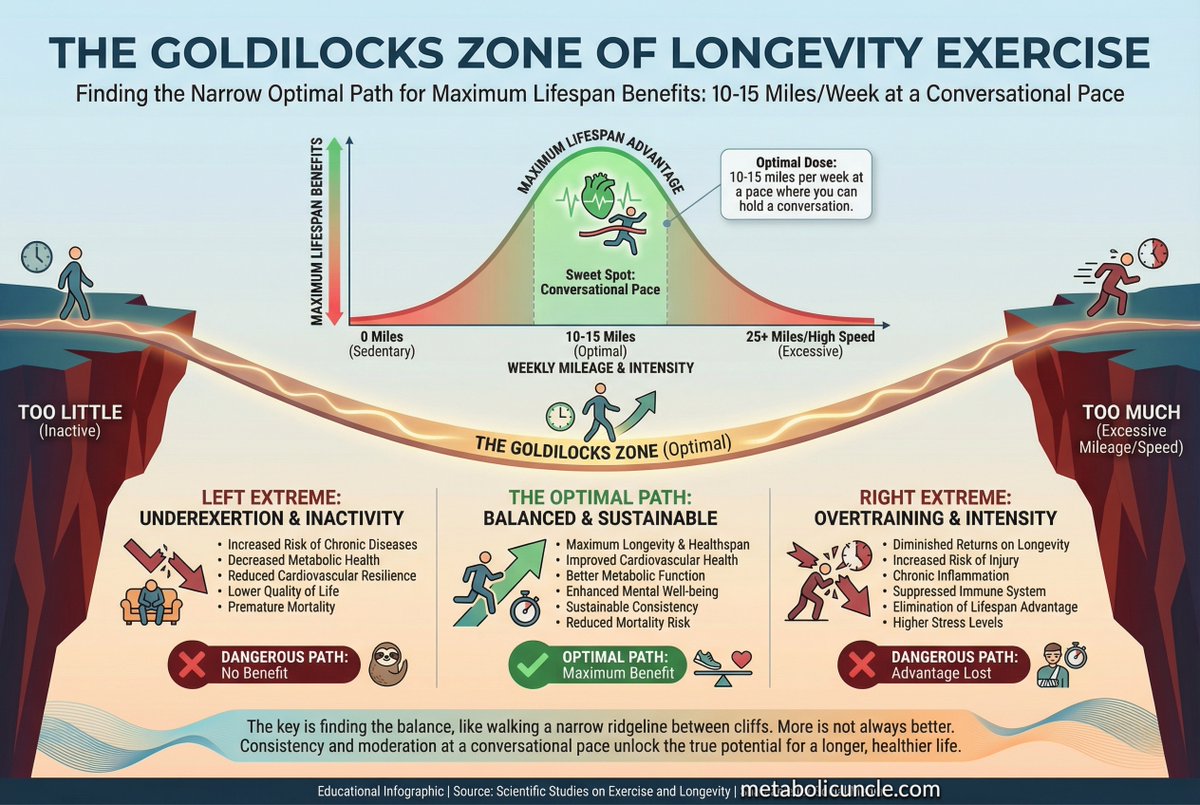
Why Marathon Training is Shortening Your Life Your heart isn't built for chronic punishment. The same cardiovascular stress that makes you endure pain and suffering for longer can also make you vulnerable. Exercise saves lives. That's undisputed. But chronic high-intensity training creates a paradox: veteran endurance athletes show elevated coronary calcification, atrial fibrillation rates five times higher than sedentary people, and myocardial scarring typically seen in cardiac patients. The mechanism is straightforward. During sustained hard efforts, your heart pumps five to six times its resting volume. After 60 minutes, this mechanical stretch overwhelms adaptation capacity. Adrenaline spikes, free radicals accumulate, and microscopic tears appear in cardiac tissue. Do this once, it heals. Do this weekly for years, scar tissue accumulates. Studies of marathoners completing races show over half have elevated troponin levels, a cardiac injury marker cardiologists associate with heart attacks. These are micro-tears from mechanical stress. Repeat exposure causes chamber dilation, wall thickening, and permanent fibrosis. The data is clear. A 52,000-person study tracked runners for 30 years. Runners who covered 5 to 20 miles weekly at a comfortable pace lived 19% longer than non-runners. Those exceeding 25 miles weekly or running faster than 7.5 mph pace saw benefits disappear entirely. Running seven days per week eliminated longevity gains. A separate Copenhagen study found moderate joggers lived six years longer than sedentary controls, but extreme exercisers showed no advantage. The relationship mirrors alcohol consumption, a U-shaped mortality curve where both extremes increase risk. Peak fitness on a treadmill test occurs around 7 to 7.5 mph. Beyond that threshold, further cardiovascular conditioning provides no additional mortality benefit. The plateau is real. Marathoner autopsies reveal enlarged, scarred hearts. One legendary ultrarunner died at 50 during a routine 12-mile run. His autopsy showed idiopathic cardiomyopathy, likely accumulated damage from decades of extreme training. A Minnesota study found 25-year marathon veterans had 62% more coronary plaque than sedentary controls despite better traditional risk factors. Animal studies offer hope. Mice run to exhaustion daily for four months developed the same cardiac pathology. When training stopped, hearts normalized. Fibrosis reversed. Electrical instability resolved. The prescription is simple. Walk daily, as much as possible. Run or perform vigorous exercise 15 to 40 minutes, two to five days weekly, at a conversational pace around 10-minute miles. Your peak heart rate during brief intervals is fine. Sustained Zone 4 or 5 efforts are not. Humans evolved for intermittent intensity followed by recovery. Persistence hunting required stamina, not speed. Modern endurance culture mistakes suffering for progress. Your heart needs pulsatile stress, work followed by genuine rest, not perpetual inflammation. The moderate exerciser lives longest. Not the sedentary person, not the Ironman finisher. The person who moves daily and occasionally pushes hard, then backs off. Combine walking, easy zone 2 activities (swimming, biking, running, rowing) with repeated sprint interval training and you are doing the optimum. You don't need to suffer or learn to sustain pain to be fit. You don't need to aim for a VO2 max beyond 45 to live long.
Metabolic Uncle tweet media
English
160
841
4.6K
522.9K
Tom Chen, MD
Tom Chen, MD@tchen091·
@ZKForTre Time will tell. If Hughes walks as a UFA in 2027 without helping the Wild win a cup, then pretty mad.
English
1
0
0
42
Tom Chen, MD
Tom Chen, MD@tchen091·
@ZKForTre @whitfieldlewis6 You still have to treat the patient as an individual though, and many people are capable of losing weight on their own. Prescribing GLP-1's indiscriminately does increase cost and expose many to side effects unnecessarily. Plus, lifestyle trials can (and should be) short.
English
2
0
1
724
🐊ZK For Tre🐊
🐊ZK For Tre🐊@ZKForTre·
Independent of cost, absolutely. We have decades of data only the relative success of lifestyle. Delaying efficacious treatment for the sake of “proving it” only exposes individuals to preventable risk factors for longer. This whole delaying until proven worthy or delaying until the lesser agents have been tried is only valid through a cost lens. Be it BP management, ApoB management, weight, or otherwise, we have more than enough behavioral efficacy data to be comfortable introducing efficacious pharmacology early. If you want the comparative efficacy, just look at any of the modern trials. The GLP1RA trials are perhaps the most dramatic illustrations of this, no less.
English
2
0
0
103
Whitfield Lewis, MD 🇦🇬🇺🇸
I think GLP-1 agonists are excellent tools in the medical armamentarium. Same with aspirin, statins, PCSK9i, etc. But would you prescribe a statin to a 20-year-old who never tried lifestyle modification—especially if the prior lifestyle advice was misguided? Of course not. Every drug has side effects. GLP-1s are no different, and documented risks exist. I do believe there are people (as Oprah said) who truly tried everything. For them, GLP-1s may be the right tool—especially if their hypothalamus and hunger centers are structurally or functionally perturbed. We have well-documented cases of hypothalamic dysfunction driving polyphagia (see my hypothalamus tweets, e.g. x.com/whitfieldlewis…). These patients absolutely need GLP-1s, and we should develop more drugs that directly target satiety centers. But for the vast majority struggling with chronic hunger, the root problem is insulin resistance (including brain insulin resistance). See my brain insulin resistance tweet x.com/whitfieldlewis… That dysfunction comes from: • Poor food quality • Constant eating (yes, some doctors still tell patients to snack to “boost metabolism” or “prevent sugar crashes”—industry-fed nonsense from useful idiots) • Living in the fed state: ⬆️ High insulin ⬇️ Hormone-sensitive lipase activity ⬇️ Gene expression needed to mobilize fat So yes—GLP-1s can help. But unless we fix the food environment and reverse insulin resistance, we’re only managing symptoms, not root causes.
IntegralAnswers@IntegralAnswers

@whitfieldlewis6 2/ I’m interested in why you believe GLP-1 agonists (like Ozempic Or Tirzepatide [my favorite]) should not be used early on? Anecdote: Tirzepatide + TRT, titrated protein 1.5 grams/kg bodyweight, weigh training, cardio has done miracles for me at 63.

English
3
1
9
1.2K
Tom Chen, MD
Tom Chen, MD@tchen091·
@AnilMakam Perhaps a good example of this... x.com/MichaelAlbertM…
Michael Albert, MD@MichaelAlbertMD

🚨 New CV outcomes signal: Semaglutide vs Tirzepatide - - - A recent real-world study reports that semaglutide reduced the risk of 3-point MACE (heart attack, stroke, ACM) by 29% more than tirzepatide in people with obesity and established CVD—despite an average follow-up of only ~9 months. ow.ly/zuOO50WP92s This raises some critical questions: ❓ Are we seeing molecule-specific benefits unique to semaglutide? ❓ Or is the effect primarily mediated by weight loss? The early divergence of survival curves in the SELECT trial hinted at weight-independent cardioprotection. If true, semaglutide may offer distinct cardiovascular benefits beyond weight loss alone. I’m not fully convinced yet—but this is further reinforcement that semaglutide is not just a weight-loss drug. It may be one of the first obesity therapies with robust, reproducible CV outcome benefits. 🧬 Obesity care is evolving. Are we ready to treat it as a true cardiovascular disease intervention? #ObesityMedicine #GLP1 #CardiovascularHealth #Semaglutide #Tirzepatide

English
0
0
0
27
Anil Makam
Anil Makam@AnilMakam·
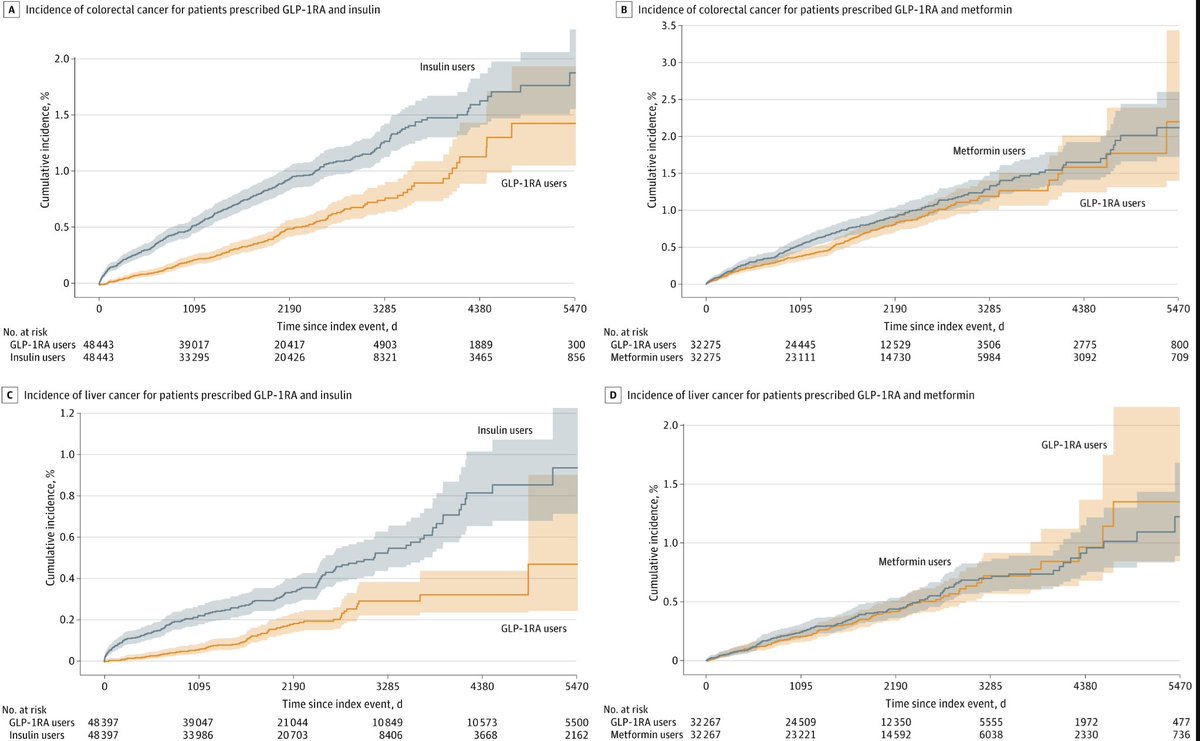
Free epidemiology lesson that will make you a better doctor when you see survival curves diverge way sooner than biological plausibility or what prior trials have shown, it is a dead giveaway something is amiss usually its selection bias I love GLP1ra but they're not magic
Anil Makam tweet media
English
7
17
124
14.1K
Tom Chen, MD
Tom Chen, MD@tchen091·
@ZKForTre There is reasonable evidence that microplastics do impact our health. NEJM released a study in 2024 measuring cardiovascular events in those with plastic found in carotid atheromas vs those who don't. (DOI: 10.1056/NEJMoa2309822).
English
2
0
0
224
Tom Chen, MD
Tom Chen, MD@tchen091·
@DrPlantel Single ingredient swaps alone won't make a difference, but strong societal pressures against ultra-processed foods may discourage consumption the same way it did to cigarette sales in the 1980's. Moderation simply hasn't worked on a population level.
English
1
0
2
100
Nisha Patel, MD MS, Dipl of ABOM, CCMS
Look, I get it, we’re hungry for change. We want a food environment that’s healthier, more sustainable, more affordable, more accessible. We want it to actually support people in eating well. And I know some will say, “Well, it’s a start…” But let’s be clear: swapping one kind of sugar for another or removing a dye from a milkshake isn’t the kind of change that will move the needle on public health. Yet somehow, these performative tweaks are being celebrated as Make America HEALTHY Again “wins”? We deserve better than this breadcrumb reform.
English
2
8
23
1.3K
Tom Chen, MD
Tom Chen, MD@tchen091·
@twelcher15 Spending 9 million on Sam Bennett who reached a career high of 51 points on a championship caliber team will set a very expensive precedent for Holloway and his agent when neither player should be paid more than Thomas/Kyrou.
English
0
0
0
99
Thomas Welch
Thomas Welch@twelcher15·
You have a budget of $9 million to spend this offseason on the #stlblues. Do you: A) Give it all to Sam Bennett for 7 years? B) Give it all to Aaron Ekblad for 7 years? C) Give Toews $2x1, Get Tarasenko at $3.5x1, take a chance on Hakanpaa at $1x1, and Beauvillier at $2.5x2?
English
92
5
114
39.1K
Tom Chen, MD
Tom Chen, MD@tchen091·
@MohammedAlo This is what patients in primary care need. Not simply general advice such as "eat healthy and exercise more." It should be actionable, personalized and supervised. The question becomes how to execute and make intensive therapy scalable for large patient panels.
English
1
0
3
182
Tom Chen, MD retweetledi
Dr Alo, DO, FACC
Dr Alo, DO, FACC@MohammedAlo·
High Protein Diet & Exercise On Diabetes Remission After 12 months of intensive treatment, including medication, a high-protein diet, and moderate exercise: 1️⃣ 73.33% Prediabetes → Normal 2️⃣ 86.67% Diabetes → Remission Lifestyle plays an important role in managing chronic diseases. @NutritionMadeS3 @DrNadolsky @DrKarlNadolsky @drmatthewnagra @MichaelAlbertMd @MichaelMindrum @BevTchangMD Study Link: bmcmedicine.biomedcentral.com/articles/10.11…
Dr Alo, DO, FACC tweet media
English
8
42
106
24.6K
Tom Chen, MD
Tom Chen, MD@tchen091·
@jprutherford Every forward has at least one point tonight. When was the last time that happened?
English
0
0
3
96
Jeremy Rutherford
Jeremy Rutherford@jprutherford·
Sundqvist with a power-play goal, 7-2. The Blues are 3-for-4 on the PP tonight and three in a game is a season-high for the unit. #stlblues
English
1
1
60
8.9K
Tom Chen, MD
Tom Chen, MD@tchen091·
@StevenMBelknap @deportriggers The DOI above didn't register. Do you have a direct link to the article by chance? Also, what are your thoughts on Mendelian Randomization studies demonstrating a relationship between LDL-C and ASCVD?
English
1
0
0
48
Steven M. Belknap, MD PGY43
Steven M. Belknap, MD PGY43@StevenMBelknap·
@deportriggers No. LDL ≠ oxLDL. Please cite the strongest research result that supports your claim that raising LDL causes atherosclerosis. AFAICT, there is no study that is unconfounded by other factors.
English
3
0
0
73
Steven M. Belknap, MD PGY43
Steven M. Belknap, MD PGY43@StevenMBelknap·
There is no strong research result that a 100% plant-based diets is healthy. There is no strong research result that animal-based foods are unhealthy. The Standard American Diet is unhealthy due to excess intake of industrial plant-based foods (e.g., corn syrup, seed oils, & grains). There are healthy indigenous diets that include plant-based foods, such as the Kitavan diet of fish, tubers, coconut & fresh fruit. There are also healthy indigenous diets that are hypercarnivore, such as the Inuit diet of meat (seal, caribou, muskox), birds & their eggs, & fish (sculpin, cod, lake trout). There is no indigenous diet that is healthy and consists of 100% plant-based foods.
English
1
5
33
9.3K
Tom Chen, MD retweetledi
Jonathan Shedler
Jonathan Shedler@JonathanShedler·
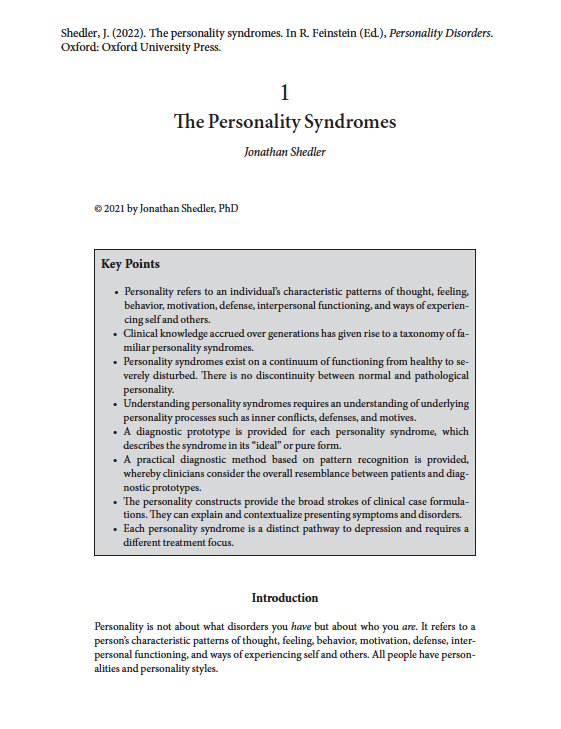
Personality styles are not personality “disorders.” Every company/organization needs these personality styles: 📍Narcissistic personalities have the grand vision. They’re the founders and innovators. They dream the big dreams, attempt what others don’t, inspire others to follow them 📍Obsessional personalities get the work done. They excel at analyzing information and solving logical problems. They pay attention to the details and bring organization and structure 📍Hysterical personalities are natural sales and PR people. They make a good first impression and excel at connecting with others and building relationships 📍Paranoid personalities see around corners that others don’t even recognize as corners. They see what others miss, unearth hidden information, anticipate threats and avert crises 📍A whiff of psychopathic personality has a role. It’s a cutthroat world and it takes a certain Machiavellian manipulativeness and ruthlessness to seize opportunities, exploit advantages, drive the hard bargain, and outflank the competition Our strengths and weaknesses are cut from the same psychological cloth. Success is capitalizing on strengths and mitigating weaknesses
Jonathan Shedler tweet media
English
39
111
599
58.9K
Tom Chen, MD
Tom Chen, MD@tchen091·
@DrPlantel I agree with the above, except for the last sentence. We don’t need companies making us “food.” They will always have an incentive to make their products hyperpalatable. Society needs to shift towards eating evolutionary appropriate whole-foods grown by farmers.
English
1
0
3
125
Nisha Patel, MD MS, Dipl of ABOM, CCMS
Food dyes are a hallmark of ultra processed foods, but they’re not in it of themselves the real issue. The real issue is we are SURROUNDED by ultraprocessed foods. One of the biggest challenges in America is the overconsumption of these calorie dense, ultra processed foods. Swapping out a dye does nothing to change the calorie content or how hyper palatable the food remains, making it just as easy to overeat. Food companies need to be incentivized to create healthier options and healthful food needs to be more affordable, accessible & easier to prepare. That’s what matters.
English
1
1
23
774
Tom Chen, MD
Tom Chen, MD@tchen091·
@CurrentCs @M_Meyer3 Stenberg isn’t a 4th line player though and having him in that role is suboptimal for his development once he’s ready for the NHL.
English
1
0
0
64
CurrentCS
CurrentCS@CurrentCs·
@M_Meyer3 Yeah he likely needs a full year in the AHL next year before he's fully ready, imo. That puts him on the squad at 21 full-time when Sunny, Joseph and Toropchenko contracts are all up without making any moves. Yeah its 4th line to start but there's no logjam.
English
2
0
1
180
Mike Meyer
Mike Meyer@M_Meyer3·
Otto Stenberg’s NHL dream faces a bit of a #STLBlues logjam that has begun to take shape. With long-term contracts being discussed, where does this leave Stenberg in the future? The latest for Blue Notes Rising buff.ly/N6fZVhy
Mike Meyer tweet media
English
16
7
93
11.9K