

Alan Aragon
6.3K posts

Alan Aragon
@TheAlanAragon
The Ron Burgundy of Nutrition
Katılım Aralık 2011
703 Takip Edilen42.3K Takipçiler

Alan Aragon retweetledi

I've lost more friend in the past 5 years than I ever imagined possible. People I was actually close to.
Life goes on. We die, people mourn for a bit, then we carry on. It's sad, but it's just part of life.
Life is a gift. It's so precious.
I'm old enough now to understand this. Every interaction with my kids, every time I kiss my wife...I realize it might me the last.
Many people live their lives filled with such rage and anger that they forget that we have a finite time in this form.
I think back to the final workout I had with John Meadows, the last charity event I hung out with Shawn Rhoden, the last time I spoke with my father.
One day a memory with someone you love will be the last. Act accordingly.

English


Alan Aragon retweetledi

Super excited to share that the 3rd edition of my textbook, "Science and Development of Muscle Hypertrophy," is now available for preorder on Amazon. This revision has been several years in the making, reflecting the substantial body of new research that has emerged on the topic and reshaped various perspectives on muscle-building. The updated edition includes major revisions to many chapters, with evidence-based insights into hypertrophy mechanisms, manipulation of training variables, and practical program prescription.
The book is slated for release this fall, with a target publication date of mid-October. 💪
amazon.com/Science-Develo…
English
Alan Aragon retweetledi
Our recently published meta-analysis found that animal-based proteins confer a modest advantage in stimulating muscle protein synthesis (MPS) compared to plant-based proteins (PMID: 42055214). At first glance, this might suggest a benefit to prioritizing animal protein for muscle building.
However, the interpretation is more nuanced.
The observed advantage of animal protein was largely confined to older adults, whereas younger individuals exhibited comparable MPS responses regardless of protein source. Although speculative, this discrepancy may be related to the lower leucine content typically found in plant-based proteins. In older adults, anabolic resistance appears to elevate the leucine threshold, meaning higher per-meal leucine intake is required to effectively stimulate MPS. Importantly, this limitation can be mitigated by increasing total protein intake or fortifying plant proteins with additional leucine (PMID: 34515966).
A key limitation of the meta-analysis is that it assessed acute MPS responses rather than long-term changes in muscle mass. Nonetheless, when considered alongside recent longitudinal studies, the evidence suggests that both plant- and animal-based proteins can support similar muscular adaptations, provided total daily protein intake is sufficient (approximately 1.6 g/kg; e.g., PMID: 33599941). That said, older individuals may benefit from consuming slightly higher doses of plant protein or supplementing with leucine to optimize the anabolic response.

English
Alan Aragon retweetledi

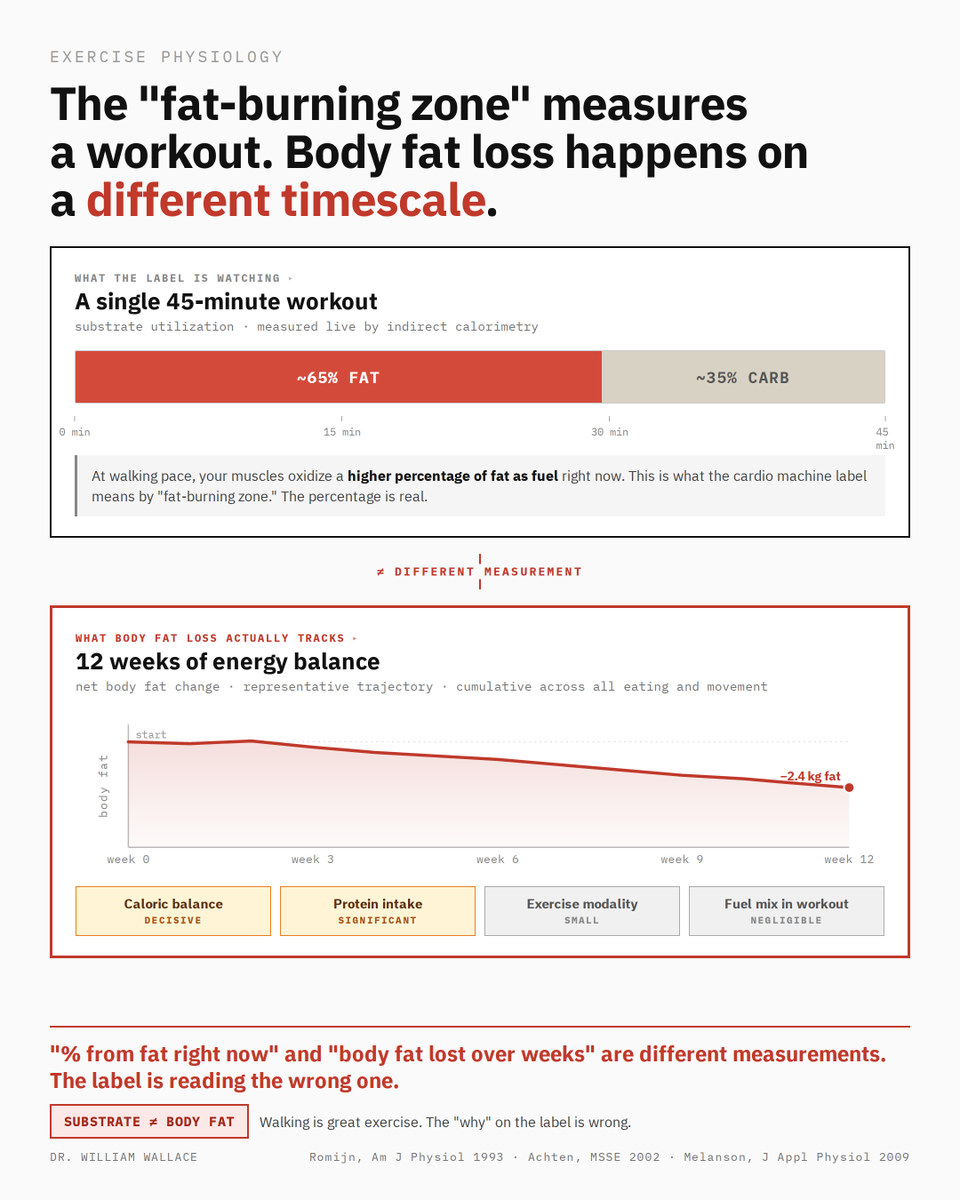
At walking pace, your muscles oxidize a higher percentage of fat as fuel. Romijn 1993 and Achten 2002 confirmed this with stable isotope tracers and indirect calorimetry. The percentage is real.
But "% of fuel from fat right now" and "body fat lost over weeks" are different measurements. Melanson 2009 demonstrated this directly. Subjects cycling for 1 hour at 55% VO₂max increased fat oxidation acutely. When energy balance was maintained, 24-hour fat oxidation didn't differ between exercise and rest days. The acute substrate shift didn't translate to greater fat loss.
Body fat change tracks total caloric balance over weeks. Protein intake matters significantly. Exercise modality has small effects. Fuel mix within a single workout is negligible for body fat once caloric balance is accounted for.
Walking is great exercise. The "fat-burning zone" reading of why is the part that's wrong.
Romijn, Am J Physiol 1993: pubmed.ncbi.nlm.nih.gov/8214047/
Melanson, J Appl Physiol 2009: pubmed.ncbi.nlm.nih.gov/19833807/
English
Alan Aragon retweetledi
Several years ago, a scholarly paper (PMID: 31897480) proposed that consuming high levels of protein (>1.6 g/kg/day) might lead to enlargement of internal organs such as the heart, liver, intestines, and kidneys. The author speculated that protein intake beyond what is needed for muscle-building could instead be redirected toward amino acid metabolism or stimulate growth in these organs.
While that reasoning may sound logical, this does not appear to be the case in practice.
A new study (PMID: 42044299) examined three groups of young individuals: enhanced bodybuilders, natty bodybuilders, and a control of recreationally active participants. Both groups of bodybuilders consumed high protein intakes (>2.5 g/kg/day), while the control group consumed around 1.4 g/kg/day. As expected, muscle mass was highest in the enhanced group, with natural bodybuilders displaying more muscle mass than controls. However, increased internal organ size was observed only in the enhanced bodybuilders, whereas natural bodybuilders and controls showed similar organ sizes.
These findings indicate that a high protein intake alone does not appear to cause enlargement of internal organs in the absence of anabolic drug use. Instead, the observed organ growth is more likely associated with anabolic drug use.
It’s important to note that this study is observational, meaning confounding factors cannot be fully ruled out and thus causality cannot necessarily be established. Even so, the results suggest that consuming relatively high amounts of protein does not, by itself, lead to increased internal organ size.
pubmed.ncbi.nlm.nih.gov/42044299/
English
Alan Aragon retweetledi

Thinking About Peptides? The Truth About BPC-157, TB-500 & Research-Only Compounds | Dr Leigh Baxt
youtu.be/PIDk2xHXKS4
YouTube
English
Alan Aragon retweetledi
Here are some preliminary data from our rest-interval study that will be presented at the upcoming regional NY-ACSM conference next week. We examined the acute effects of self-selected rest intervals versus fixed 2–3 minute rest periods on repetition performance across four sets of various lower-body exercises in resistance-trained individuals. Initial loads were set at the participants' 10RM with the load maintained across all subsequent sets. Results showed similar repetition performance between conditions. Interestingly, total session duration was approximately 15 minutes longer in the self-selected condition compared to the fixed-rest condition.
These findings offer a couple of key insights. First, trained lifters may overestimate the amount of recovery they need between sets. Notably, we restricted cell phone use during sessions, so self-selected rest durations likely reflected genuine perceptions of recovery. Second, rest intervals of 2–3 minutes appear sufficient to maintain repetition performance, with longer rest periods offering no clear additional benefit in this regard.
Note that the findings should be considered preliminary as we will be conducting more extensive Bayesian analysis for journal submission. Moreover, these data are part of a larger longitudinal study examining the effects of self-selected rest intervals on strength, hypertrophy, and muscular endurance over an 8-week training intervention. We'll also determine whether the acute findings persist over time, or if participants in the self-selected condition adjust their rest intervals throughout the study, as well as whether differences may exist between men and women or different levels of strength. We're finishing up data collection on these outcomes in the next few weeks; stay tuned!
As always, kudos to my stellar research team at the Applied Muscle Development Lab for their efforts in helping the project come to fruition, particularly Adam Mohan and Alec Pinero for leading the charge. 💪

English
@DrNadolsky To be fair, Paleo was still pretty big at the time you posted this 😂
English

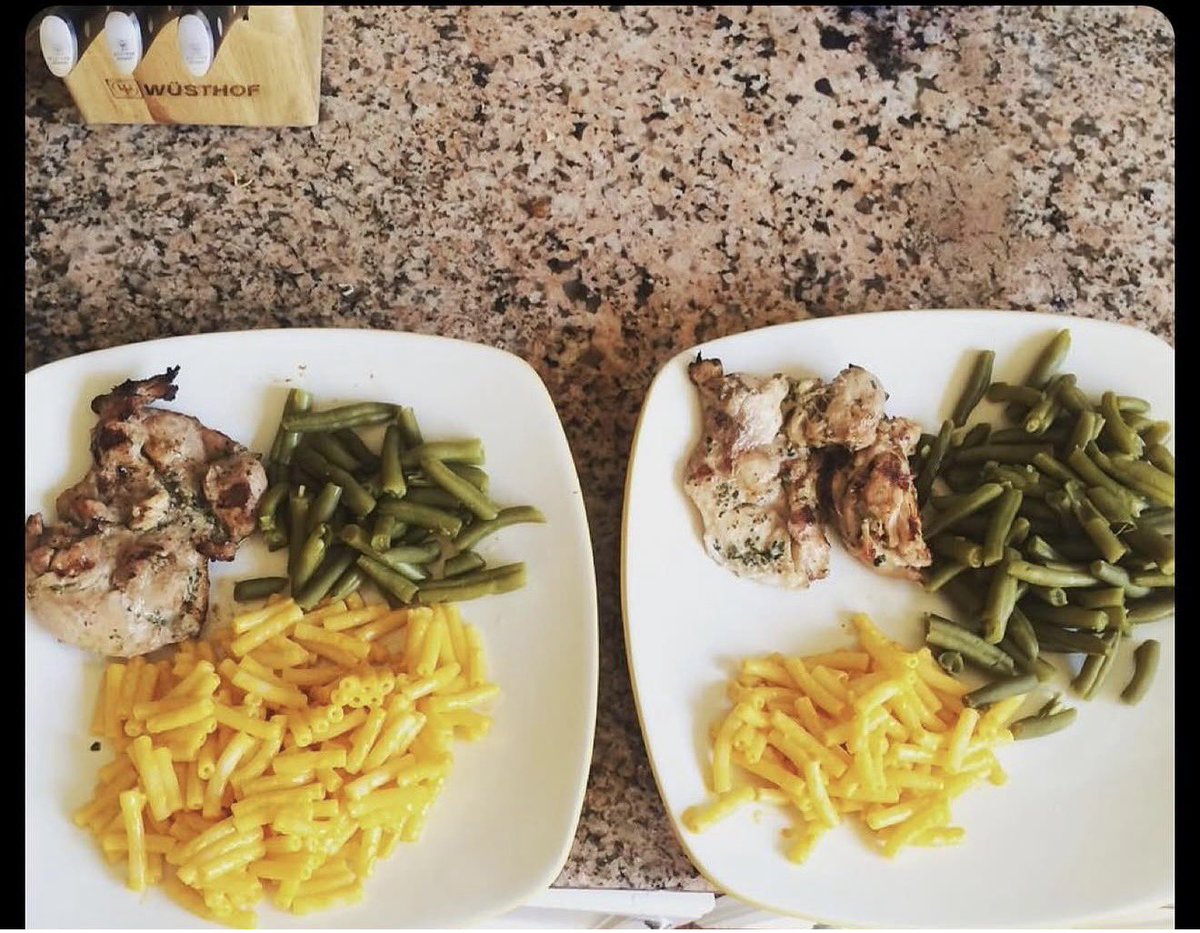
One time I showed this picture on how I teach patients to sometimes cut their starch in half and double their veggies and I got shamed for eating macaroni and cheese.
Turns out the wellness community isn’t “well.”
English
Alan Aragon retweetledi
There is strong evidence that similar hypertrophy can be achieved across a wide range of loading schemes (~5 to 30+ repetitions), provided sets are performed close to muscular failure. That said, some data suggest fiber type–specific differences, with heavier loads potentially favoring Type II fiber growth and lighter loads favoring Type I fibers. A recent meta-analysis offers preliminary support for this idea, although the limited number of eligible studies warrants cautious interpretation.
From a practical standpoint, those aiming to maximize hypertrophy may benefit from incorporating both heavy and light loads within a training program. For the general population, however, loading range is unlikely to have a meaningful impact on overall muscle growth—so selecting loads based on preference and adherence is a sensible approach.
sportrxiv.org/index.php/serv…
English
@hubermanlab @jockowillink Agreed. CA taxpayers likely fund the greatest $$$ amount of fraud globally (and in human history, for that matter).
English

@jockowillink Agreed. I’ve been hearing about this since I was a kid. It took them years just to fix Highway one south of Big Sur. YEARS. As a California taxpayer, I would put this HS rail as very low priority/already demonstrated as a failure/theft.
English

Gross incompetence or theft?
I’m leaning toward theft.
Because this level of stupidity doesn’t even seem possible.
KTLA@KTLA
In a 60 Minutes report, officials said they now believe the rail line linking L.A. and San Francisco could ultimately cost about $126 billion, more than triple the original price tag approved by voters. ktla.com/news/californi…
English
@Doc_Man_G @robertlufkinmd So, bundle the dietary factors that prevent chronic caloric surplus (maximize satiety via sufficient protein & mostly whole & minimally refined foods), high nutrient density? Got it. Maybe we can find a way to brand stuff we’ve known for half a century? Help me out, @Doc_Man_G :)
English
@robertlufkinmd Oh? I see. So, we’re ALL still eating wrong . . . . again? I guess the conveyor belt of the newest best diet will never end. @TheAlanAragon
English

As a medical school professor, I teach my students about DASH, Mediterranean, and other "healthy" diets. They all help.
But new research shows they're not targeting the right pathways.
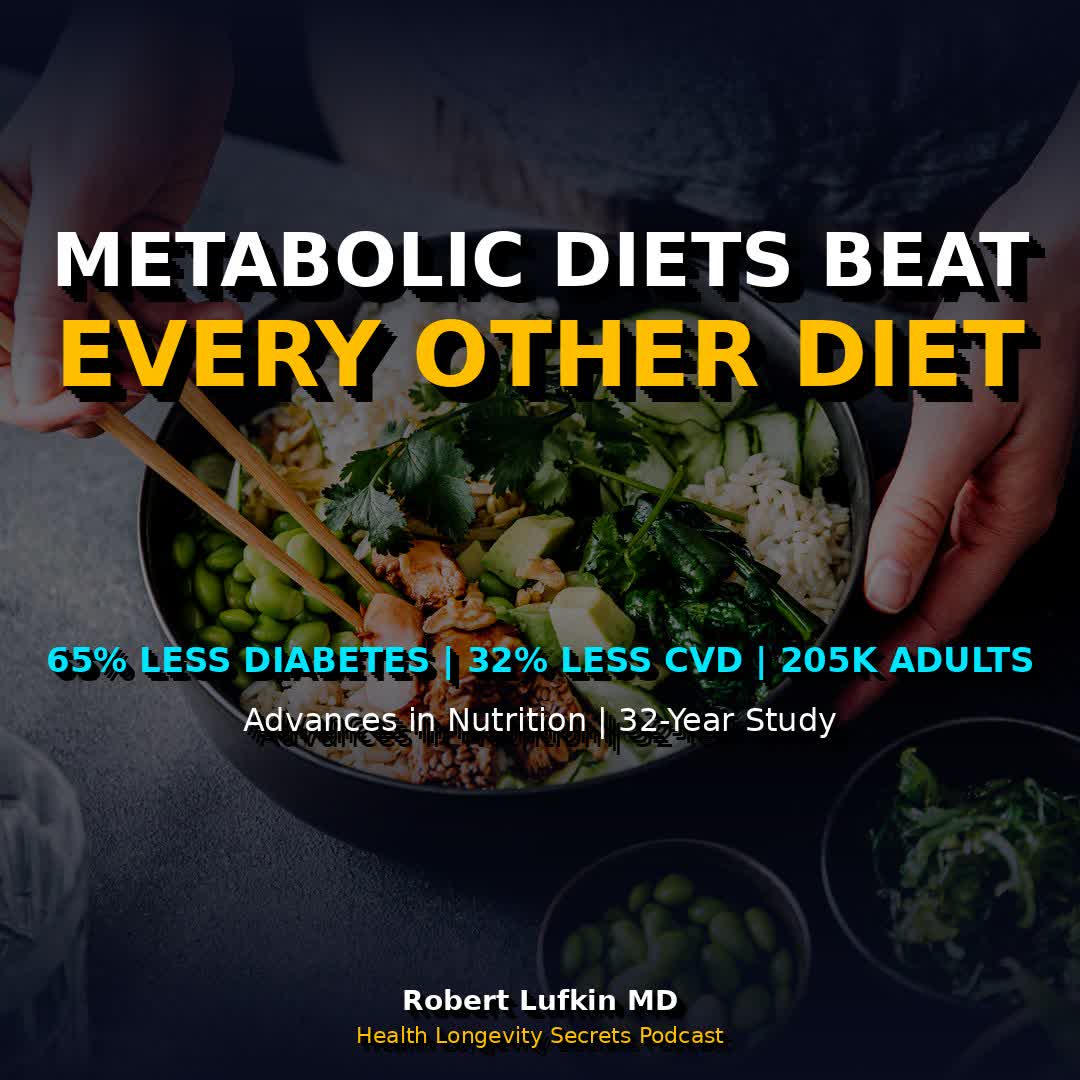
A massive study of 205,852 adults followed for 32 YEARS found that metabolic dietary patterns -- specifically targeting insulin resistance and inflammation -- dramatically outperform conventional diets.
The numbers:
- 65% lower type 2 diabetes risk
- 32% lower cardiovascular disease
- 37% lower coronary artery disease
- Outperformed DASH, Mediterranean, and every standard diet tested
The key difference? These patterns are calibrated to reduce hyperinsulinemia and chronic inflammation -- the two master drivers of metabolic dysfunction.
As I explain in "Lies I Taught in Medical School," we've been focused on calories and macros when we should be focused on insulin and inflammation.
Full breakdown coming on the Health Longevity Secrets podcast.
Source: pmc.ncbi.nlm.nih.gov/articles/PMC12…
#MetabolicHealth #Diabetes #Nutrition #InsulinResistance #HealthLongevitySecrets
English
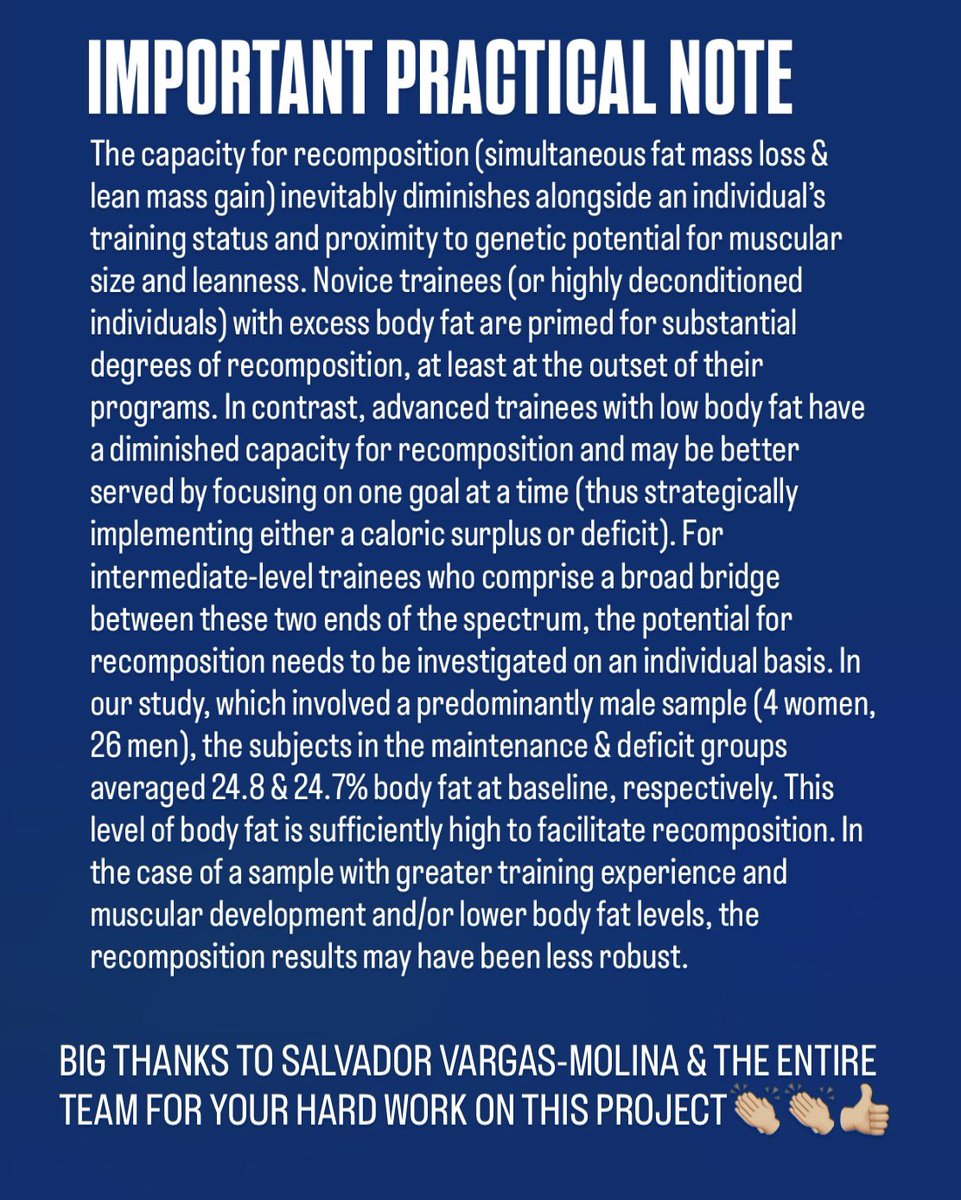
@Rietles See the commentary in the 3rd pic attached to the original post
English

@TheAlanAragon You don't have the individual BF% of the subjects at the beginning of the study, do you?
English
New study just dropped! Link to the full text is in the comments so this app doesn’t bury this post 🙂. Big thanks to the team for grinding this out and pulling it together. L1nk to the full text is below in the comments to minimize the algo’s throttling of this post.
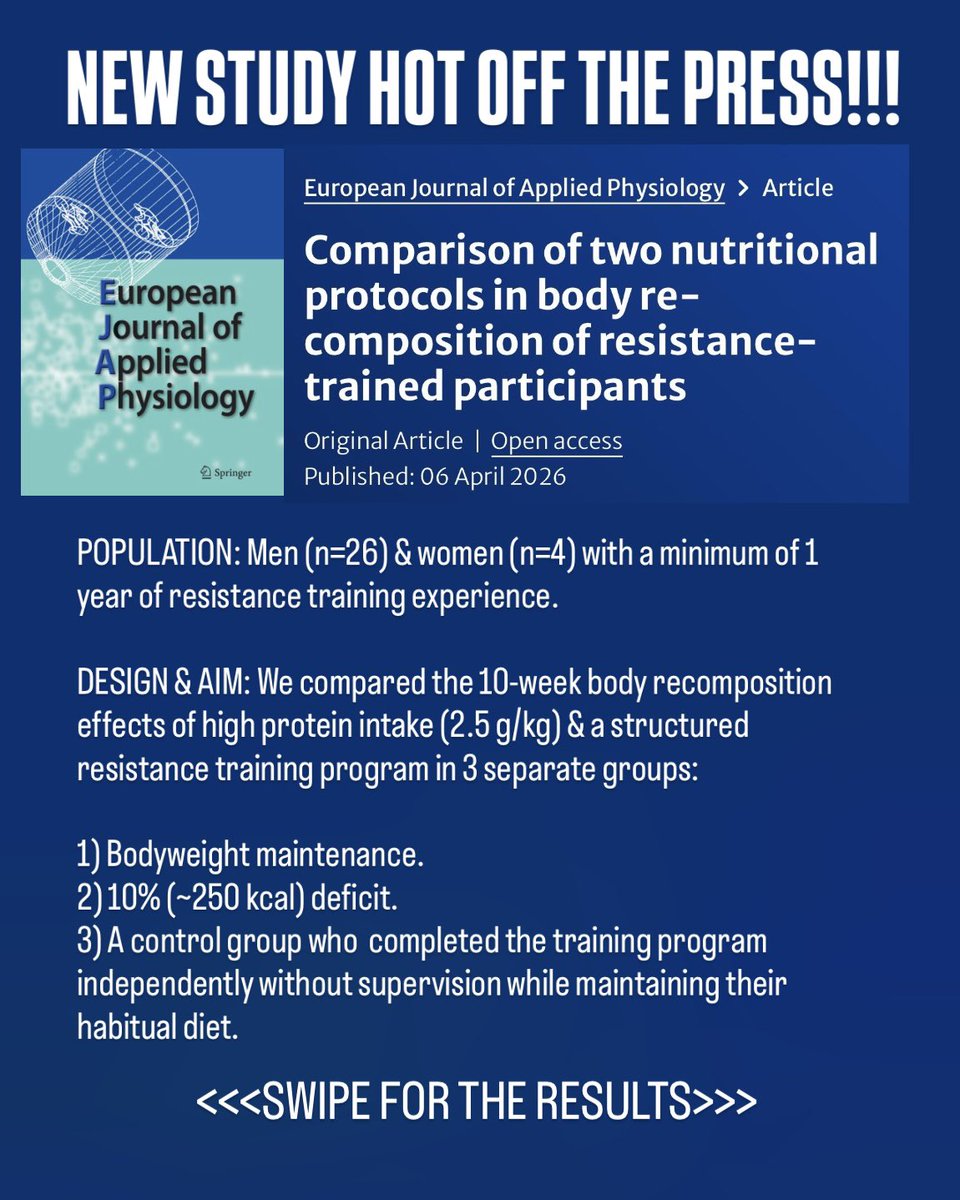
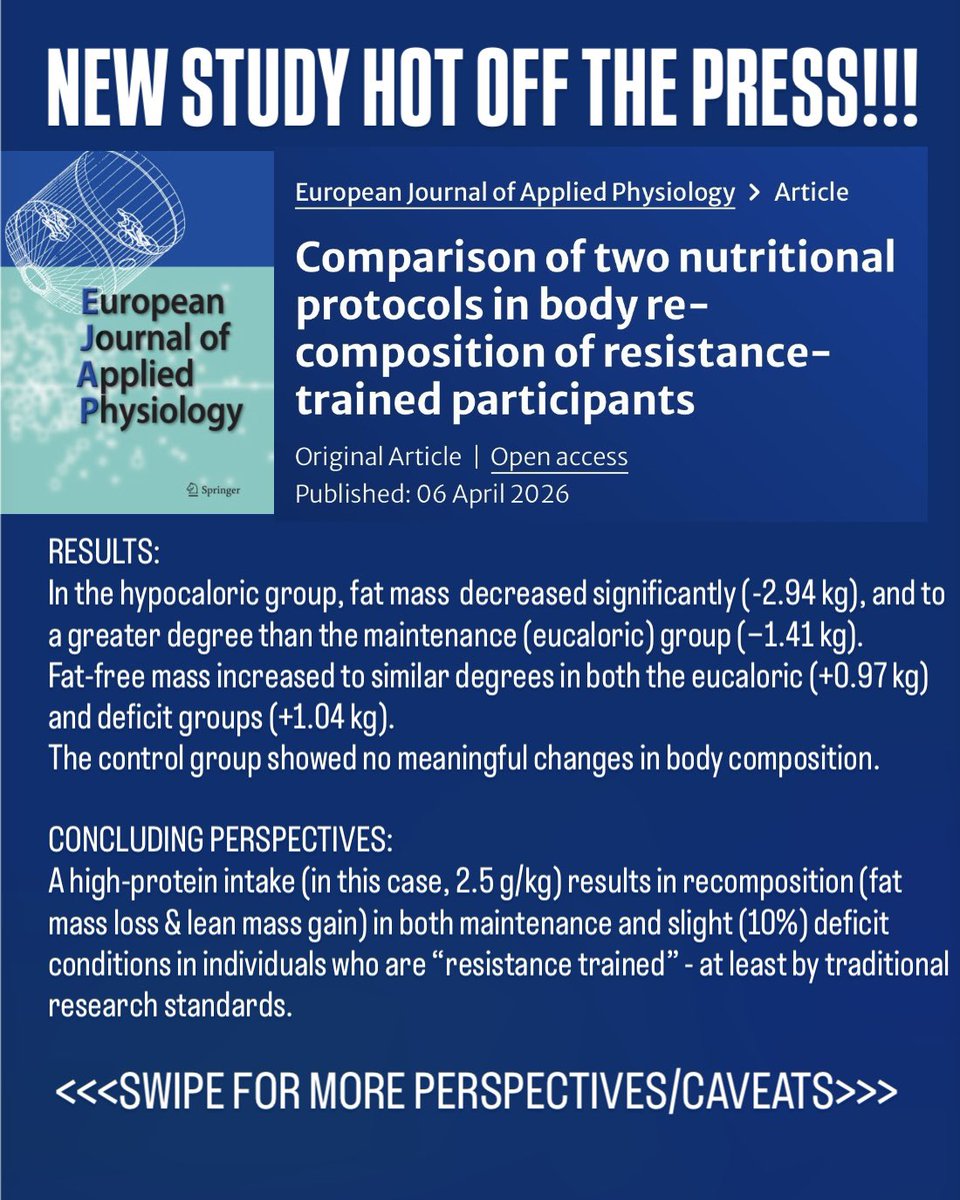
English
@TheAlanAragon I want to know the initial BF% because that plays a huge role in who can and cannot recompose like this.
English
Alan Aragon retweetledi

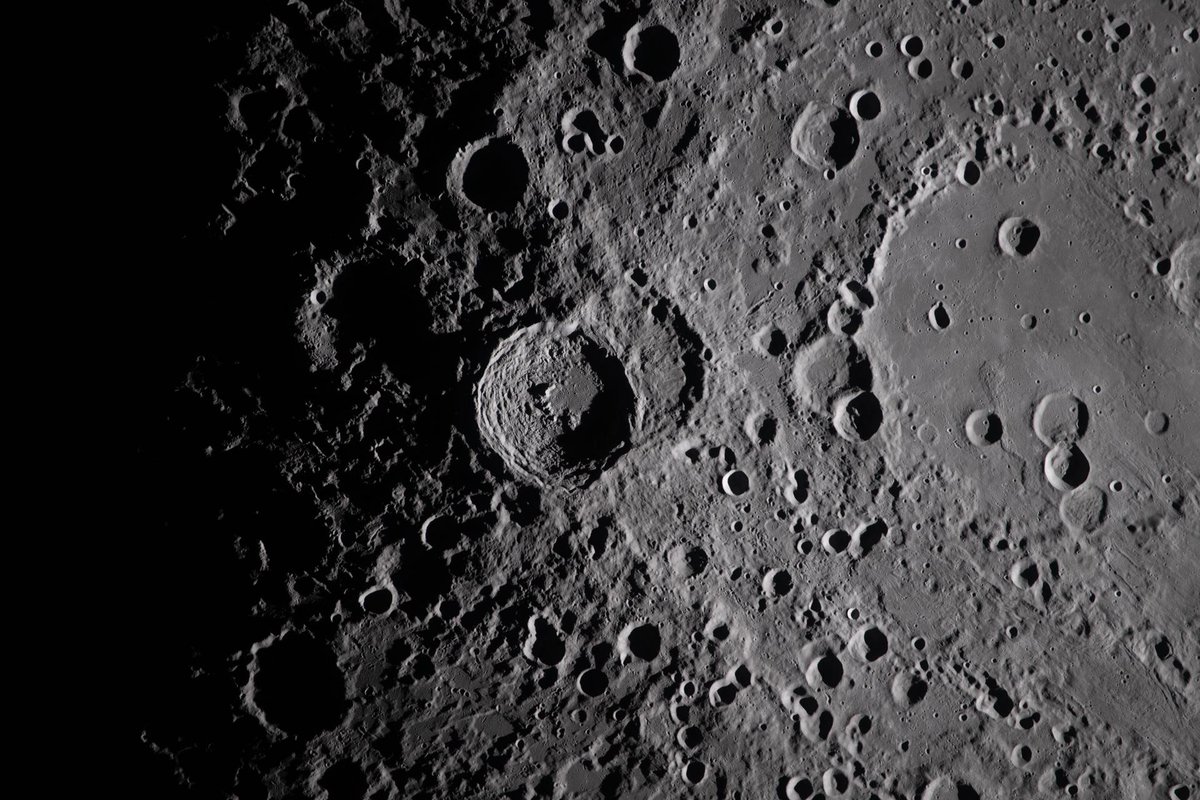
Behind every lunar view is pure Moon (science) joy.



English
Alan Aragon retweetledi

Hello, Moon. It’s great to be back.
Here’s a taste of what the Artemis II astronauts photographed during their flight around the Moon. Check out more photos from the mission: nasa.gov/artemis-ii-mul…
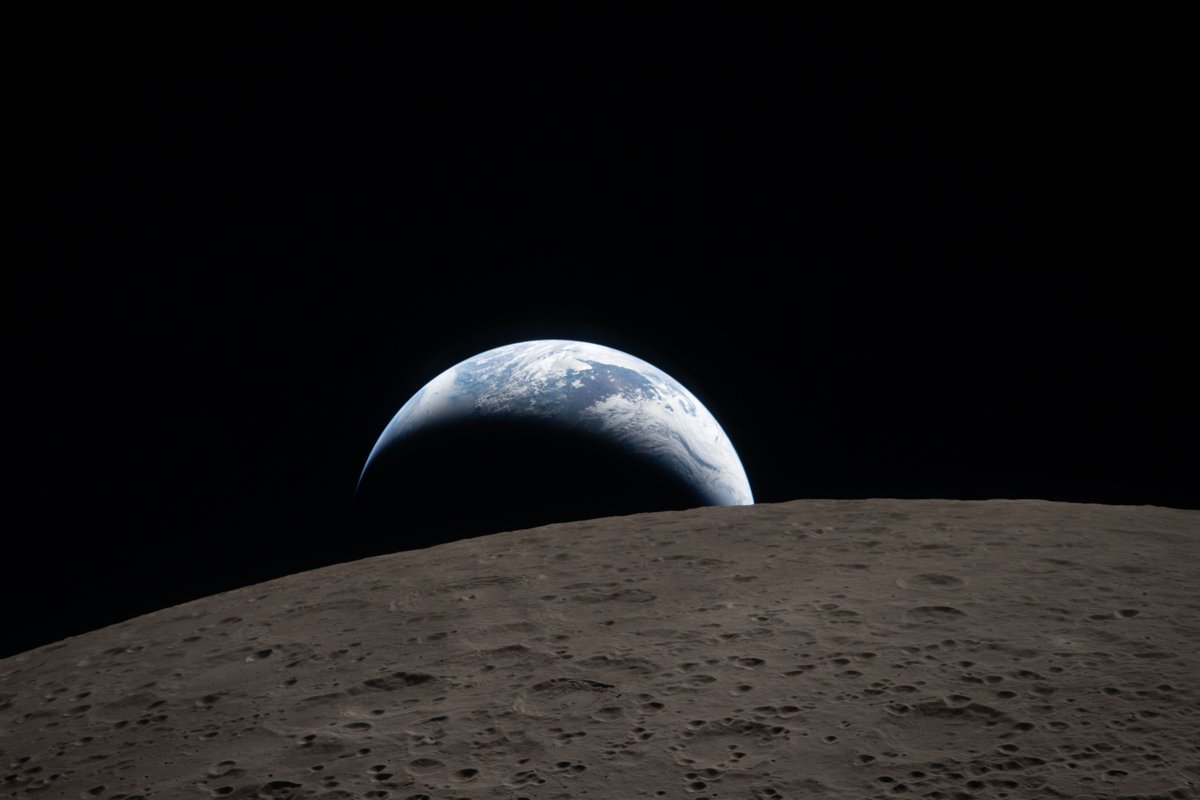
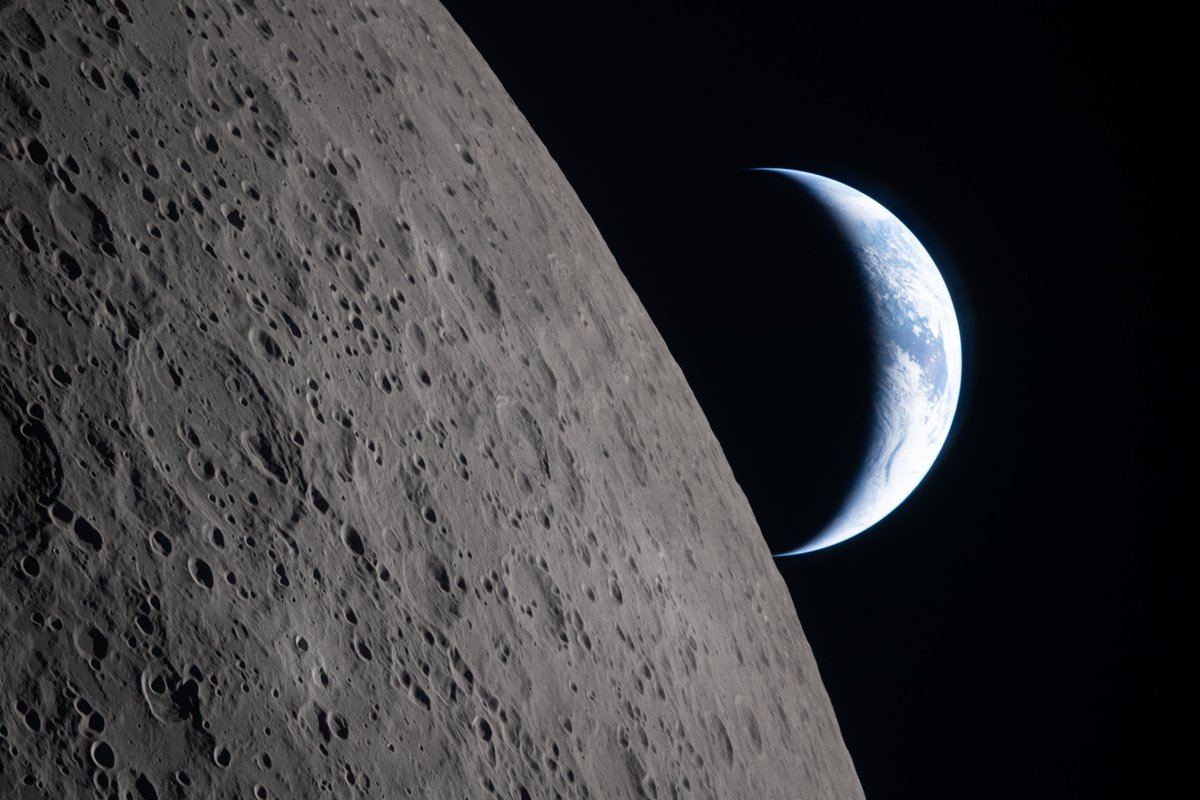
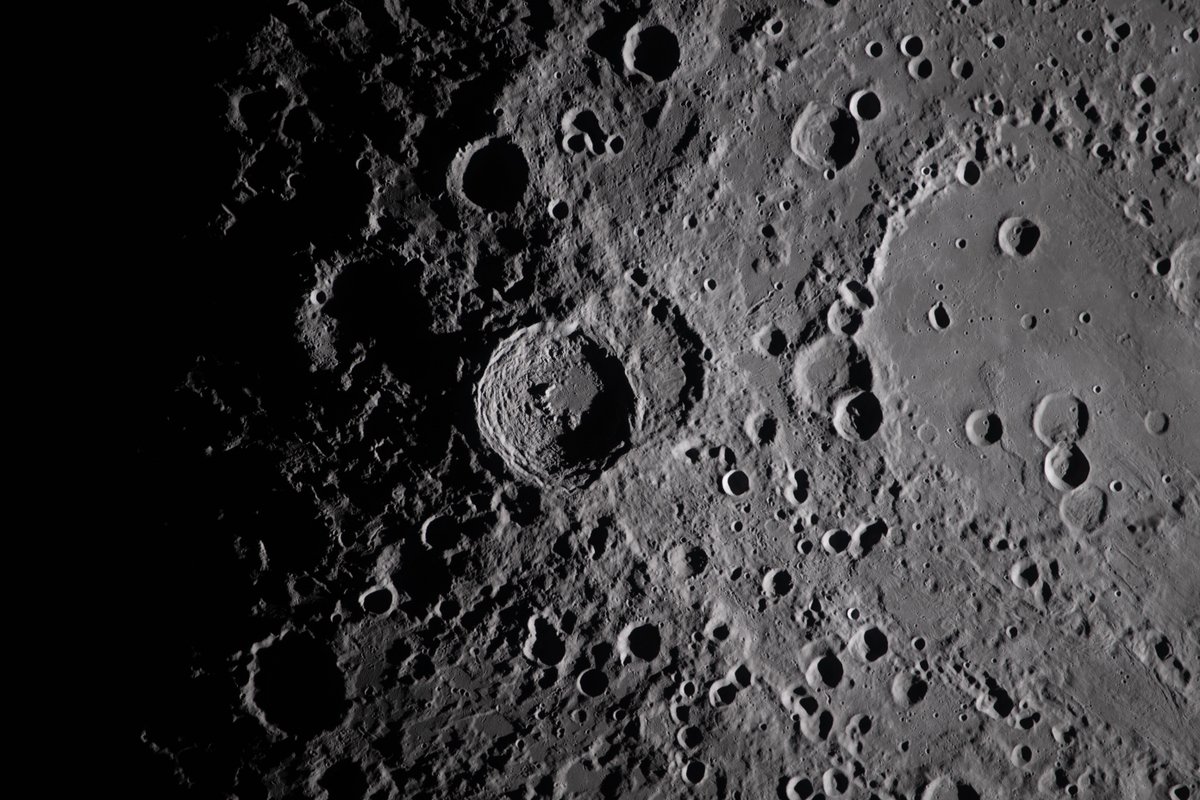
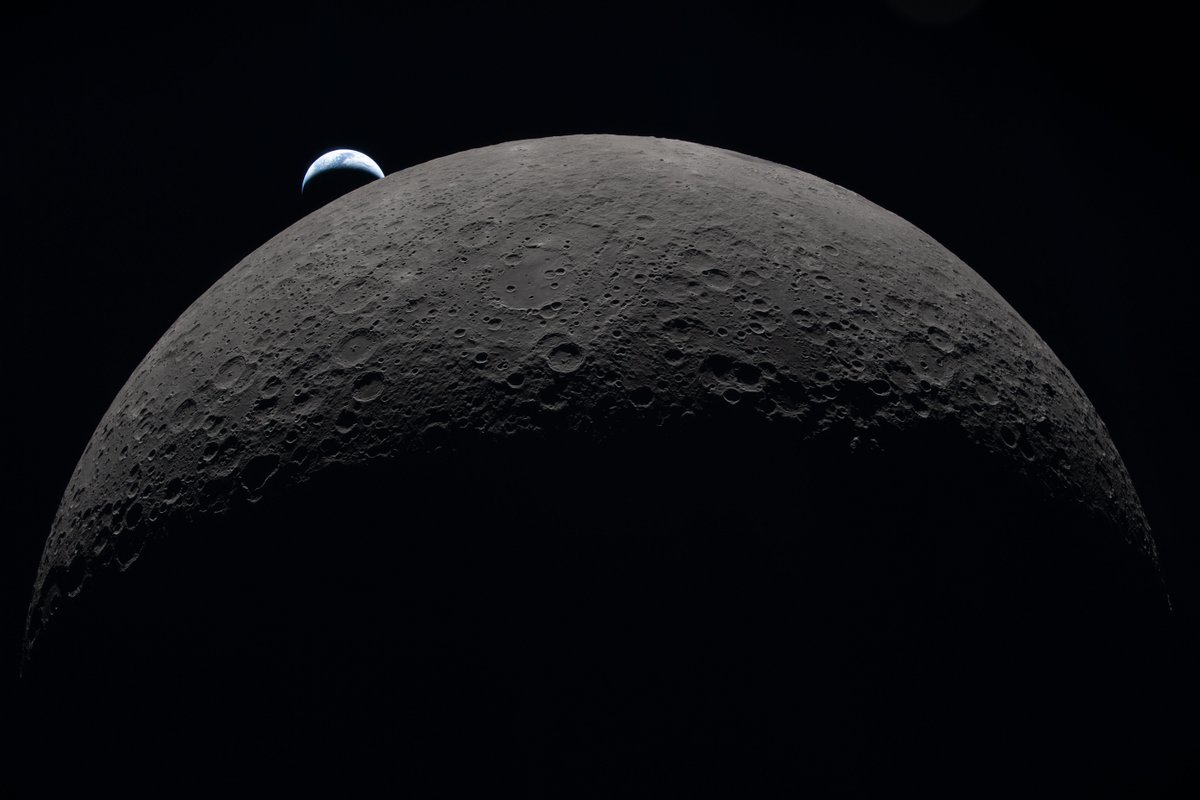
English
Big thanks to @SALVADORVM74 & the team for your hard work👍🏼
English