@Dr_mfh_1972 @ahmeeds1393 في حياتي ما شفت و رأيت مصطلح "الجهل المركّب" إلا يوم شفت تغريدتك.. عافانا الله ما بلاكم فيه من جهل مركّب..
العربية
محب للحق
633 posts

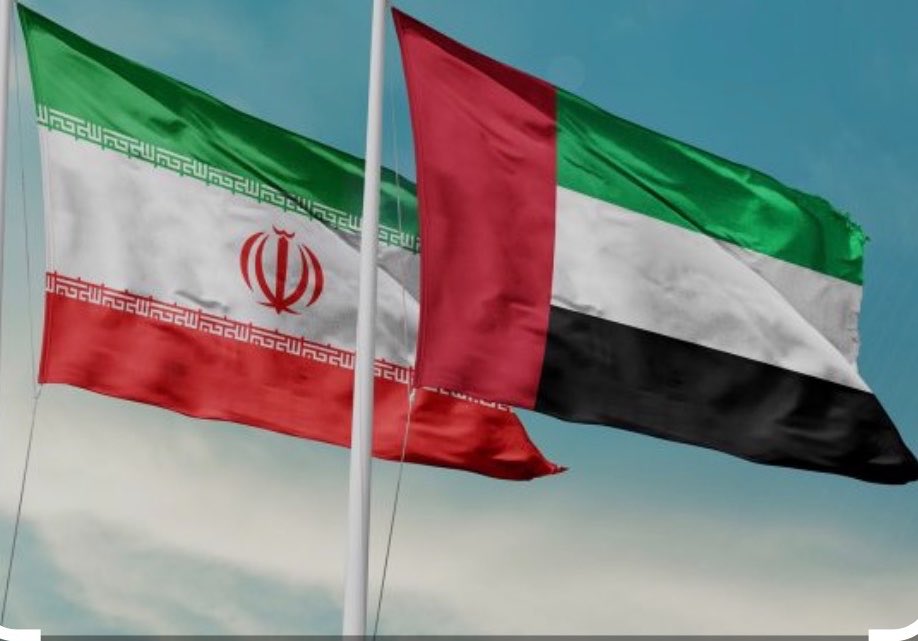

JUST IN: Everyone is asking who wins this war. The answer is not in Tehran or Washington. It is in Riyadh. Saudi Arabia is emerging from the Hormuz crisis as the undisputed strategic beneficiary while Dubai absorbs the physical damage. This is the rebalancing of Gulf power that no one is modelling and everyone will be pricing within months. Dubai has been struck repeatedly since February 28. A fuel tank fire at the international airport. Airspace closures. Over 23,000 flights cancelled. Fertiglobe, one of the world’s largest nitrogen producers at 6.6 million tonnes annual capacity, operates from UAE soil that is now under persistent drone and missile threat. The 314 ballistic missiles and 1,672 drones launched at the UAE have not collapsed the country. Its air defenses hold. But they have damaged something harder to rebuild than a fuel tank: the perception of safety that made Dubai the world’s business hub. Saudi Arabia has absorbed far less direct targeting. The Saudi-Pakistan Strategic Mutual Defence Agreement, signed September 17, 2025, created a military depth that Iran respected even before the war began. Pakistan’s naval assets and nuclear deterrent backstop make direct Saudi targeting exponentially more costly for Iran than striking the UAE. Riyadh calculated this correctly. Now layer the infrastructure. Vision 2030 is not a slogan. It is $1.3 trillion of committed capital building cities, entertainment districts, tourism corridors, and industrial zones on a blank slate. NEOM, the Red Sea project, Diriyah Gate, the Qiddiya entertainment complex. None of these have been struck. None carry the insurance repricing that Dubai’s commercial real estate and aviation hub now face. The 2034 World Cup requires stadiums, transport networks, and hospitality infrastructure that is already being built on a timeline that extends well beyond this war. Every dollar of international capital that hesitates on Dubai because of drone footage is a dollar that considers Riyadh instead. That is not speculation. It is the mechanism by which wars redistribute commercial gravity. The 2003 Iraq war shifted regional banking from Beirut to Dubai. The 2026 Iran war may shift it from Dubai to Riyadh. The fertilizer dimension makes Saudi ascendancy structural rather than cyclical. Saudi Arabia controls significant phosphate reserves. Ma’aden, the state mining company, is one of the world’s largest phosphate producers. With Hormuz blocking Gulf urea and ammonia exports from the UAE and Qatar, and China suspending phosphate exports through August, Saudi overland and Red Sea export routes become the only major non-disrupted nutrient pathway accessible to global buyers. NOLA urea at $683 per ton and FAO projecting 100 to 200 million additional people at acute hunger risk means demand for alternative supply is existential, not optional. Saudi Arabia did not start this war. It pressed Washington to finish it. Reuters confirmed on March 16, citing three Gulf sources and five diplomats, that all six GCC states are urging the US not to stop short. Abdulaziz Sager, chairman of the Gulf Research Center, said Iran crossed every red line. The Gulf wants Iran permanently degraded. Saudi wants something more specific: a region in which its infrastructure, its pacts, its phosphate, and its capital absorb the flows that used to go through a strait it no longer needs to depend on. The bombs fell on Iran. The drones fell on Dubai. The capital is flowing to Riyadh. And the fertilizer leverage that feeds the next decade of Saudi influence is being locked in by a planting season that closes in four weeks. open.substack.com/pub/shanakaans…
🚨 الحرس الثوري الإيراني يعرض مخزونه من الطائرات المسيرة في نفق ضخم مستعرضاً عددًا كبيرًا منها. استثمرت إيران كثيرًا في المخابئ تحت الأرض.




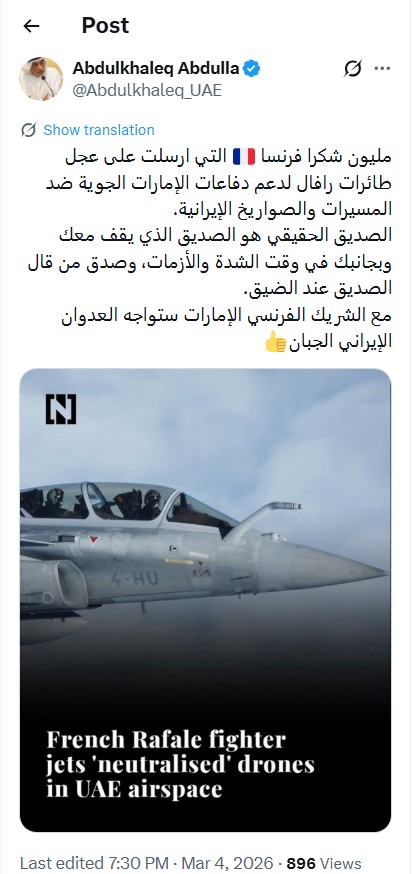
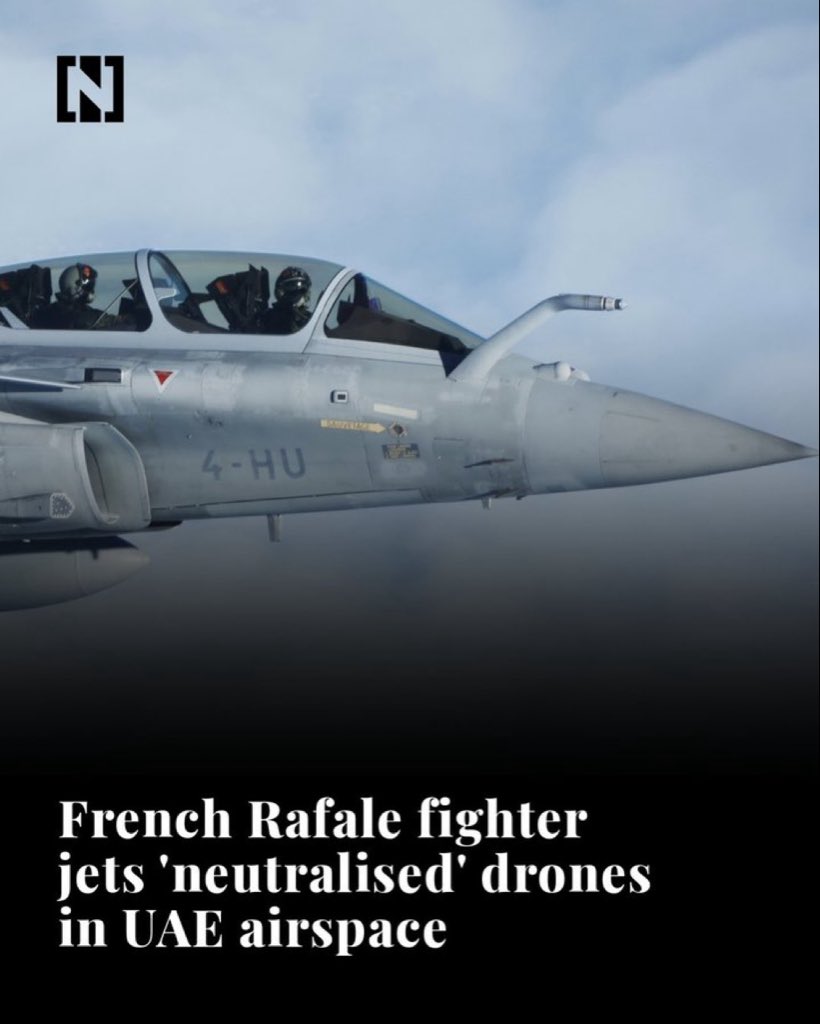
- الإمارات تعلن إغلاق سفارتها في إيران وسحب سفيرها - الإمارات تعلن سحب كافة أعضاء بعثتها الدبلوماسية من إيران - الإمارات: إغلاق سفارتنا في طهران على خلفية الاعتداءات الإيرانية السافرة - الإمارات: إيران قامت بهجمات عدوانية لمواقع مدنية بما فيها مواقع سكنية ومطارات وموانئ - الإمارات: ما قامت به إيران تصعيد خطير وغير مسؤول وانتهاك صارخ للسيادة
I just concluded a very friendly, extensive and consequential meeting with HRH the Crown Prince of the Kingdom of Saudi Arabia Mohammed bin Salman. I have come to know the Crown Prince over the last five years, and remain impressed by his vision for his country and the region. To those who have doubt as to whether or not Saudi Arabia was abandoning its vision of 2030 and beyond, after this meeting, I can say there is no doubt in my mind that MBS is fully committed to his original vision that includes regional integration. I am also hopeful that a dialogue can be started between Saudi Arabia and the UAE regarding their disputes in Yemen and Sudan as soon as possible. The Crown Prince is dealing with the aftereffects of October 7 like all leaders in the region, particularly with the tremendous loss of life in Gaza. Having said that, his vision for the region is for conservative Islam to coexist – with tremendous economic opportunity – for the people of Saudi Arabia, the Middle East, and the entire world. He is the first Arab leader in modern history that’s expressed a vision not only for the faith, but for economic empowerment that is simply stunning when absorbed, and will set the tone for the region for generations to come. Saudi Arabia is the key to the puzzle for what I hope to have happen in the region and the world. The Crown Prince’s vision is not only great for South Carolina, it's great for the United States and the civilized world. For this to be a reality, the region cannot be controlled by the forces of darkness who seek an oppressive future for their own populations. The forces of evil in the Middle East have dwindled, but they still exist. It is my hope that if the Iranian regime is replaced by the Iranian people, it would not only lead to a bright future for Iran, it will also open up a new path for normalization. The Crown Prince believes that it’s imperative that there is a dignified solution for the Palestinian people, consistent with his past statements in this regard, and that the United States and Saudi Arabia will grow closer militarily and economically. A future in which MBS and other allies are partners with the United States, and the ayatollah is out of the picture, would be transformative for the Middle East and the rest of the world. This moment may be upon us. Let us act decisively if that moment comes.


علاقة ابستين بالسعودية متشعبه ولكن انا بكتب عن موضوع الهدايا و خصوصا كسوة الكعبة: ١ نوفمبر ٢٠١٦: عزيزة ترتب لزيارة إبستين للسعودية بالتعاون مع رأفت الصباغ المستشار في الديوان الملكي ٧ نوفمبر ٢٠١٦: ابستين يسافر للسعودية ويلتقي محمد بن سلمان في الرياض وياخذ الصورتين الشهيرتين ١٥ ديسمبر ٢٠١٦: ابستين يتلقى هدايا من محمد بن سلمان (خيمة و سجادة واشياء اخرى) ٧ مارس ٢٠١٧: إبستين يتلقى جزء من كسوة الكعبه تم شحنها من السعودية ٢٢ مارس ٢٠١٧: السعودية عزيزة الاحمدي تشرح مكونات شحنة الكسوة ٢١ يونيو ٢٠١٧: ابستين يتلقى التهاني على صورته مع بن سلمان بعد ان اصبح ولي عهد

عندما أقرأ تغريدات هاني بريك التي يحاول أن يخادع بها أهل اليمن أقول في نفسي لعل انغماسه في الترف أنساه ذكاء وحكمة أهل اليمن فهو يظن أنه يخادع بها أهل اليمن ومايخدع إلا نفسه ، وهو يكذب ويعلم أنه يكذب ويعلم أن الناس تعلم أنه يكذب ، ووالله إن تغريداته لاتنطبق على السعودية ، ولاعلى أهل اليمن الفضلاء الشجعان ، ولا على السلفيين في اليمن الذين هم درع أمان لبلادهم ، وإنما تنطبق عليه وعلى الشرذمة التي اصطفت معه تمام الانطباق