
神奈川小星星
222 posts


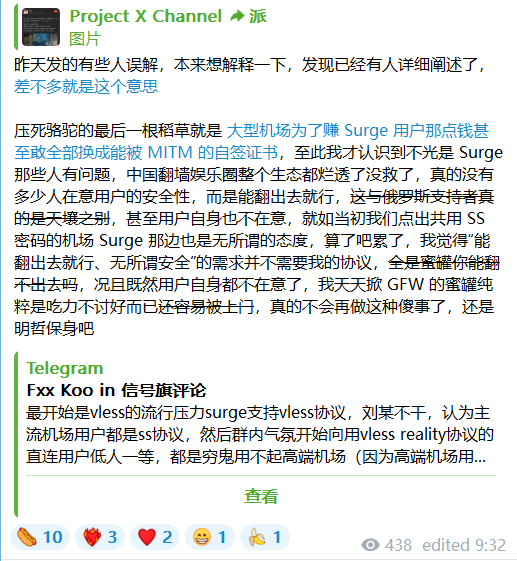

7 月 3 日消息,阿里巴巴内部宣布全面禁用 Claude,全体员工被要求卸载 Anthropic 旗下产品,涵盖 Sonnet、Opus、Fable 等多个模型,以及 Claude Code 在内的 Agent 产品,7 月 10 日正式生效。 ——— 我就说所有人都在用吧,A社你封锁半天没封锁出什么效果来。

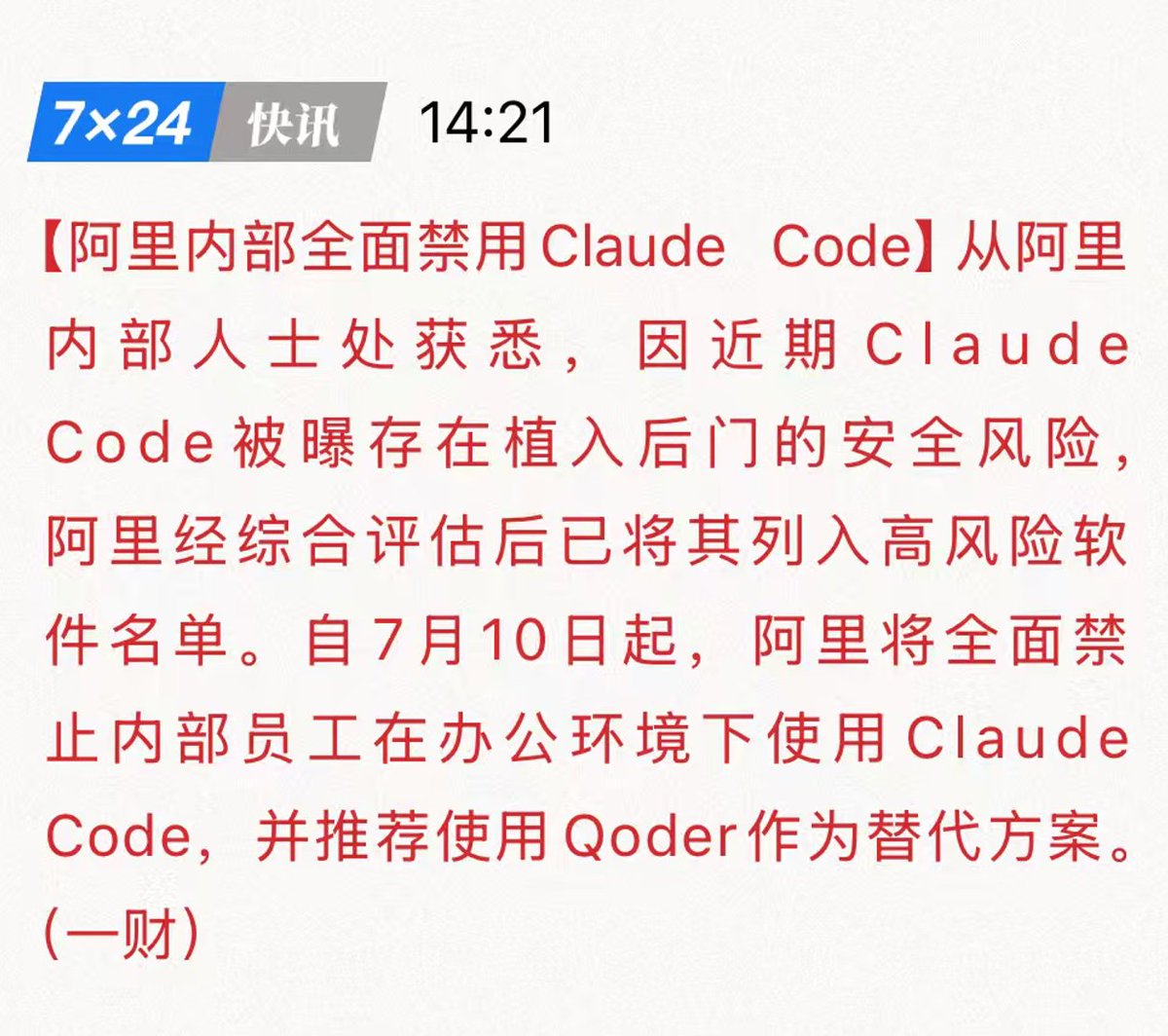


Anthropic Claude Code 负责人承认其公司在3月的更新中在其软件中留下了针对用户(特别是中国用户)检测的后门和间谍代码,旨在防止滥用和蒸馏。并声明将在明日回滚代码解决该问题。


Google and Anthropic agree on one thing about retrieval. They both moved it out of the app and turned it into a standalone service that agents invoke. - Anthropic's MCP exposes retrieval as a tool that an agent invokes. - Google ships it similarly, with its RAG Engine sitting under the Gemini agent platform next to MCP servers. They did this because the old naive RAG setup was built as a one-time pipeline inside a single app, and it caused problems in two places: - The first is stale embeddings. They reflect the source at indexing time, so the index drifts from the source when a doc or a row changes, and stays wrong until the pipeline is rerun. - The second is coupled infrastructure. The retrieval logic sits inside one app, so another app duplicates the connectors, chunking, and embedding instead of reusing them. Both failure modes are resolved by separating ingestion from query and running ingestion as a standing layer. Ingestion runs continuously with content-hash sync, so only changed data is re-embedded, and the layer sits behind one API, so a chatbot and an agent hit the same index. The agent then calls that layer as a tool inside a loop. It reasons, runs a search, reads the result, and issues a refined query, instead of retrieving once at the start. The diagram below depicts all three stages, covering naive RAG, the standing layer, and the agent consuming it. This helps, but it didn't solve all problems yet because across all three stages, the unit of retrieval is the same, i.e., a chunk of text. And inherently, a chunk has no idea of a semantic boundary, version, or source info. The splitter cuts documents mostly on token count, so a single chunk can end mid-table or mid-argument. Because of that, it can pull the top half of a table without the rows, or a conclusion without the reasoning that supports it. Moving to a structured unit, embedding a question with its validated answer, addresses this. My co-founder wrote a full breakdown on solving this. It replaces raw chunks with structured blocks that carry their own source and version. The approach reduces corpus size 40x and improves vector relevance 2.3x. Read it below.


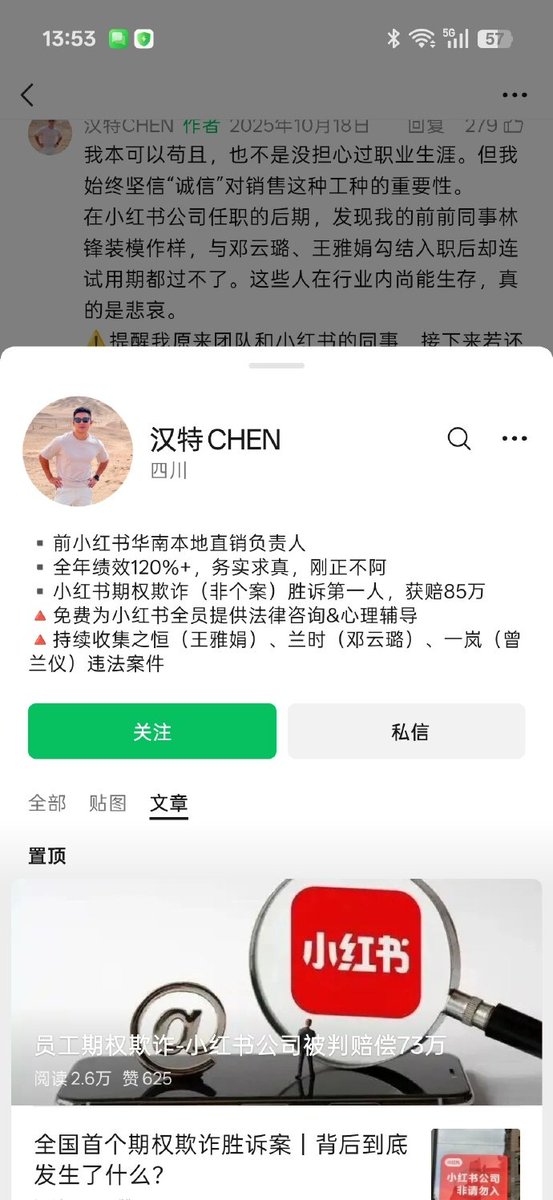

4 天前我就告诉大家 暴风雨即将来临

账号没被封的时候一直忍住没骂过 A 社,这下被封了可以放心开骂了。 通知邮件里还装追踪器,看我在什么位置打开的邮件。 全球 AI 厂就属你丫最心术不正,还整天搁那装大尾(yǐ) 巴狼。 早晚得遭报应。❤️



Anthropic claims: Alibaba continues to distill Claude on a large scale to train Qwen. Via Bloomberg Anthropic is accusing Alibaba-linked operators of running a massive campaign to illicitly access Claude through nearly 25,000 fraudulent accounts. According to Bloomberg, Anthropic claims the campaign generated 28.8 million Claude exchanges between April and June, targeting capabilities like software engineering and agentic reasoning. The company says this is part of a broader pattern of “adversarial distillation,” where Chinese labs allegedly harvest outputs from US frontier models to train rival systems at a fraction of the cost. Lets see how good Qwen 3.8 will be, probably FABLEous good.




Reminder that you can use the Codex App, CLI and SDK with any open source model, not just with OpenAI models. #oss-mode-local-providers" target="_blank" rel="nofollow noopener">developers.openai.com/codex/config-a…