English
WendigoWorks
2.5K posts

@wendigo_works
USA Made Gear for Americans. https://t.co/zpoC19ABJY Proudly Made in Utah. Built to endure. https://t.co/e5mFRto33F

Part 7 - The Line in the Sand: The big question is, what can you do about all of this? Most of us love the normalcy and comforts of daily life. It’s nice to peacefully be able to buy gas for your car, go to work, and get that paycheck. Clean drinking water and the ability to buy groceries at the store are standards of living that many of us do not appreciate because that’s what we have known and come to expect for most of our lives. When compared to the history of humanity, it's a luxurious standard of living. In order to maintain that standard of living and to protect our own individual tribes there are a number of actions we can take along with considerations to make. The list to follow is a great starting point, based on priority of action and consideration: -Intelligence “intel” aka “personal awareness” of the environment around you. While the inclination of many is to “grab muh gun”. It’s honestly best to consider your personal operational environment. Where do you live, work, go to school, church, etc.? What are your daily travel routes? How do you get in and out of your area? Are there alternative routes if there is a major emergency? What resources are around you? Where does your food and water really come from outside of “the store”? Setting a baseline of life around you helps you first to know if something is out of the scope of normal. Conduct a personal area assessment or area study. Just remember that true intelligence is simply actionable information, and actionable information has a shelf life. (Great accounts to follow @s2_underground @KBR_Intel @grayzoneintel ) -Inventory of personal readiness. This is the inventory list of your personal preps. Do you have at a minimum, 72 hours of food and water on hand? Do you have extra water for cooking, cleaning, and hygiene outside of drinking? Do you have 72 hours’ worth of fuel resources to cook food, heat water, and keep yourself warm? Do you have a flashlight and spare batteries? Do you have adequate medical supplies? Extra prescription medicine if you are on a prescription? Do you know how to use your medical supplies? Do you know first aid? Can you stop a serious bleed? Do you have a tourniquet? Can you properly apply a tourniquet? Do you know what a tourniquet is? Do you have back up shelter? What kind of transportation do you have? What kind of shape is your transportation in? Do you have back up transportation? What are your personal preparedness redundancies? This is by no means a complete list but represents questions to get you thinking. Medical cannot be stressed enough. open.spotify.com/show/3jf8IZONK… prolongedcasualtycare.org -Communications. Do you have a communications plan? Do you have a way to get in touch with your people if a cell phone is not an option? Do you have a rally point or meetup spot for your tribe if things go to crap? Do you have a radio? Does it have extra batteries? Do you know how to use your radio? Do others in your circle of family and friends also have radios? Do you have enough practice that you could establish local radio comms in an emergency? What other methods of communication do you have? Do you know how to use them? Communication is massively important. If some major emergency or bad thing happens, it’s amazing what can be done to mitigate said emergency with quality information and a solid comms plan. Even though radios may not be your thing it's highly advisable to pick up a cheap Baofeng UV5R and NC Scout’s book, “The Guerillas Guide to the Baofeng Radio”. Read the book and spend a few Saturdays at a park with a pair of UV5R radios using the MURS frequencies (no ham license required) and you will quickly become familiar with the basics. @Brushbeater brushbeater.store -Daily Kit. While most folks know the subject of everyday carry (EDC), we are in a new era of consideration. Obviously it's a great idea and highly advisable to daily carry a sidearm, quality knife, flashlight, tourniquet, etc. We are now living in a time to reconsider keeping the necessary tools on hand and accessible given the rising escalations. Consider keeping a rifle, if not a PCC (pistol caliber carbine) stowed in your vehicle during your daily routine. Make sure this is a functional and zeroed platform with appropriate ammo. Rifles pack more punch but PCCs can be more accommodating for concealed movement in situations that require a backpack or courier bag. Don’t forget extra loaded magazines. Equal consideration to be given to carrying a legitimate individual first aid kit (IFAK). This needs to include proper gauze (i.e. hemostatic gauze), compression bandages, chest seals, and all the things. Consider a minimum of two tourniquets. Carry extra water in a quality container and a few extra energy bars or some other calorie-dense packable food source. It’s a good idea to throw that radio, that was previously mentioned, into the mix as well. Another consideration to make is a slick plate carrier and armor. This may sound like a lot of extra hassle but you won’t regret the extra effort should something go sideways in your daily life. This extra daily kit is ideal for carrying in your vehicle. Short of the armor the rest of this kit can be carried in a backpack if carrying a PCC-sized platform. If you are behind enemy lines in the state of New York, or Massachusetts it's time to sharpen a stick and adopt a winner’s attitude. (Continued next post)

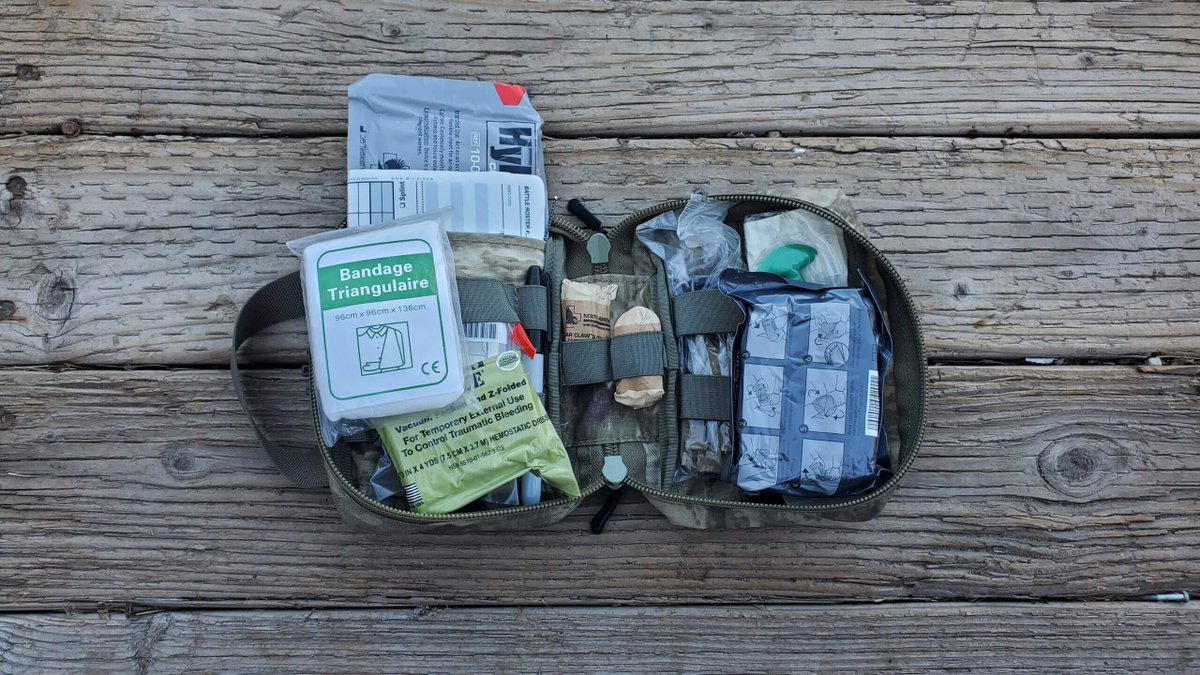
IFAK Packing List - A Thread (Part 1) In building off our previous "Line in the Sand" thread, we thought it would be good to dive deeper into the contents of a well rounded IFAK (Individual First Aid Kit). Obviously this subject requires training to pair with the equipment, but we wanted to provide a packing list with that talks about what goes in the kit in simple terms for not medical folks. If you’re putting together an IFAK (Individual First Aid Kit) for real-world use, organize it around MARCH. It’s simple, sequenced, and focused on what actually saves lives in the field. 👇 (Continued...)


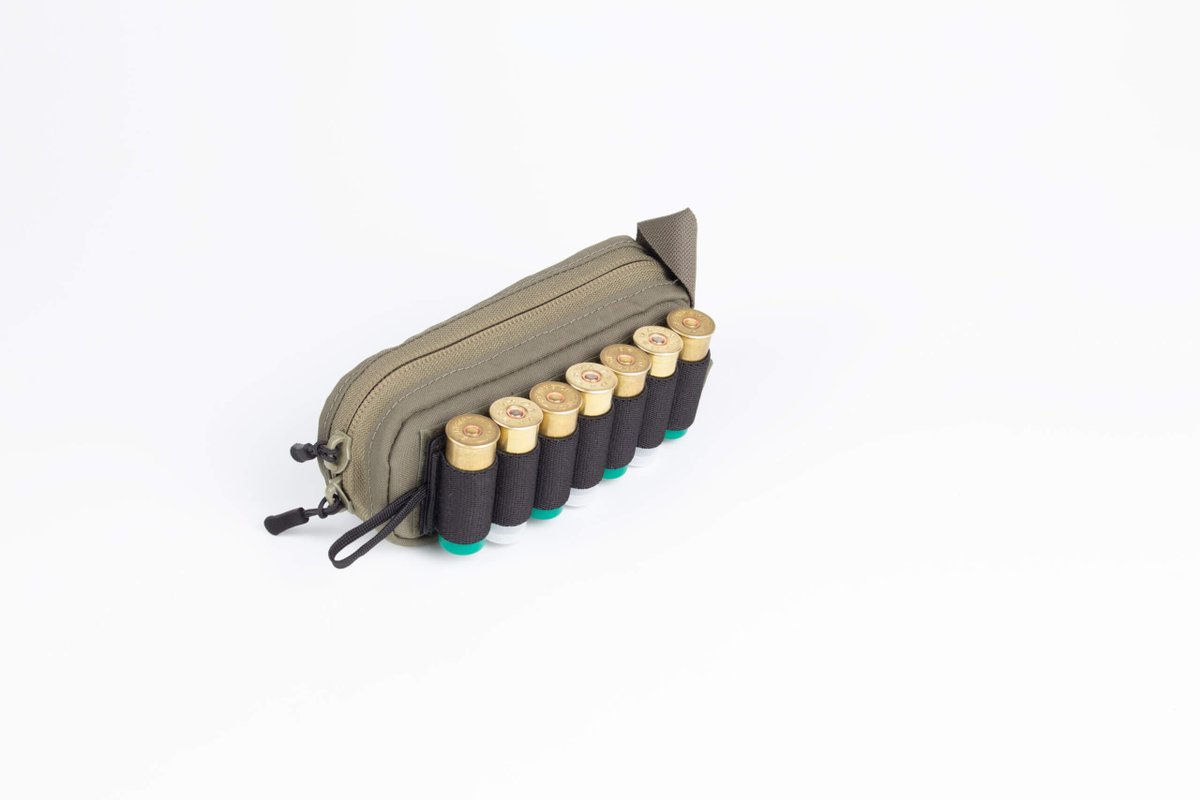
Did you know we make a cool shotgunner caddy that holds 21 rounds of 12 gauge shot shells (designed for 2-3/4" shells). This caddy also comes with an extra shell card to put an additional 7 rounds on a tear-off style side saddle. 100% Made in the USA.