

Zhi Yang
107 posts
Zhi Yang
@yangzcit
Brandeis🦉 / Caltech 🦫 / Berkeley 🐻
Pasadena, CA Katılım Mayıs 2016
310 Takip Edilen88 Takipçiler

I sequenced my genome at home, on my kitchen table.
I wrote up exactly how I did it - the equipment, protocol, theory, and cost:
iwantosequencemygenomeathome.com
English
Caltech’s legendary President. RIP
Christopher Michel@chrismichel
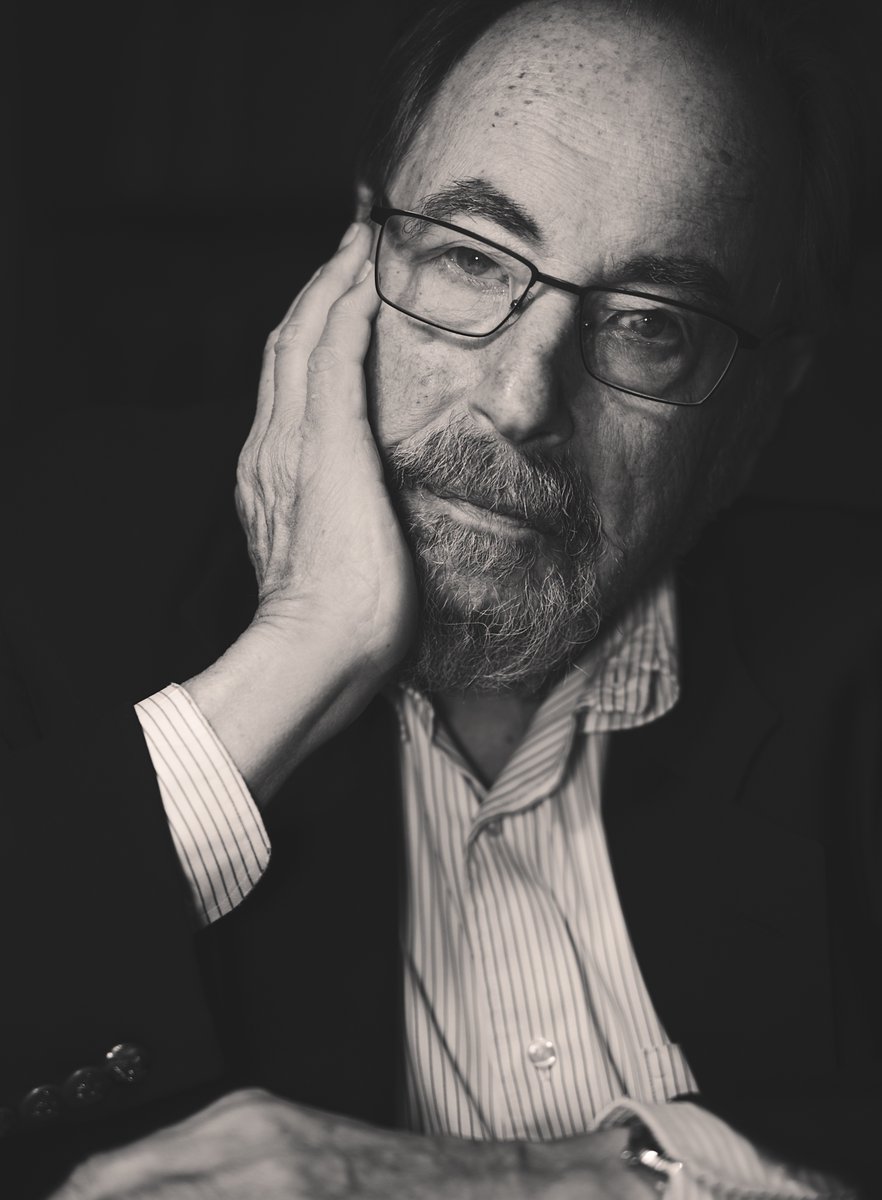
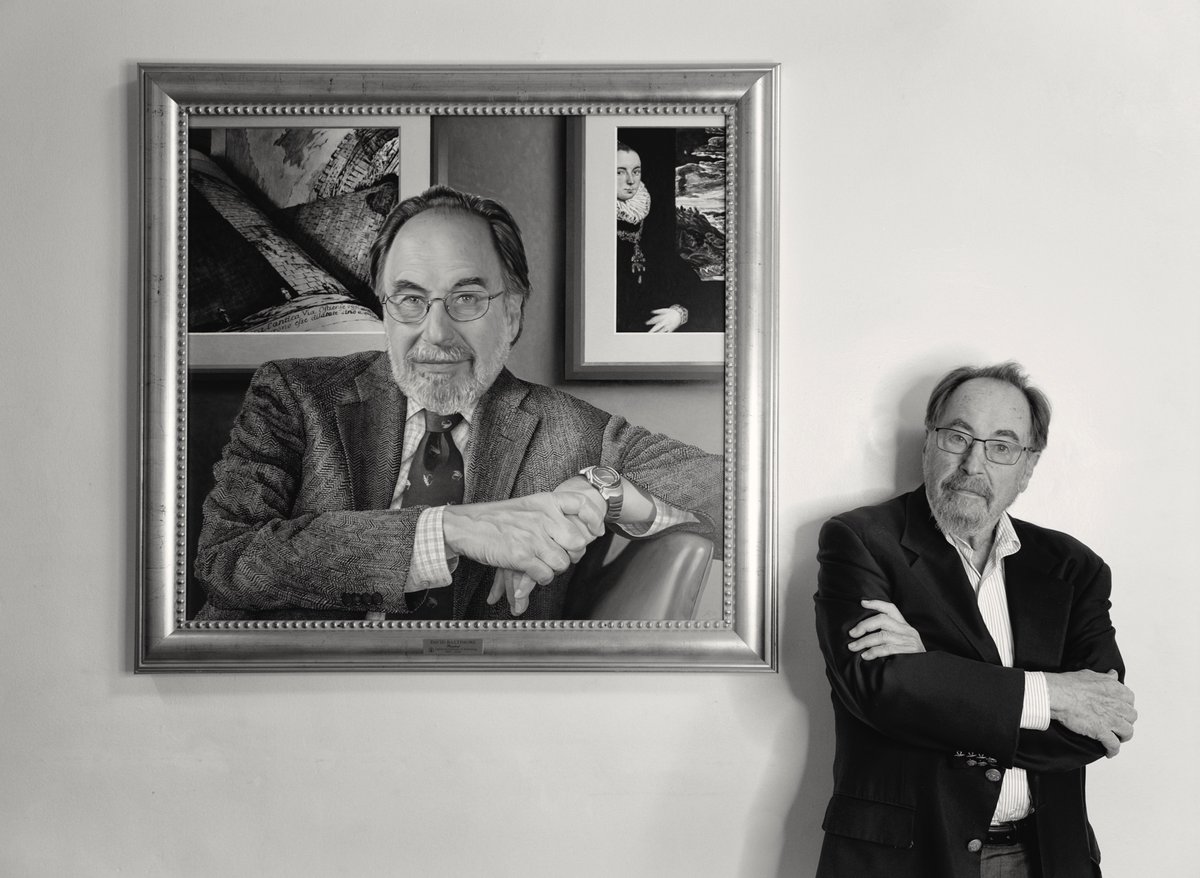
Rest in peace, David Baltimore. Dr. David Baltimore, Nobel Prize–winning biologist, was one of the most influential scientists of our time. His work reshaped modern molecular biology and immunology, altering our understanding of viruses and immune responses and laying the foundation for advancements in gene therapy, cancer research, and vaccine development. His influence extended far beyond the lab: through his leadership at major research institutions and his guidance of scientific inquiry, he helped shape the very landscape of modern biology. I photographed Dr. Baltimore on November 2, 2021, at Caltech’s Athenaeum, a setting befitting his legacy. Our conversation was wide-ranging, touching on molecular biology, the evolving challenges of university administration, and the responsibilities of scientific leadership in a rapidly changing world. His insights carried the weight of experience, tempered by a continued passion for discovery and mentorship. We sat for portraits beneath his own painted likeness in the Athenaeum, a moment that highlighted his enduring impact. Later, in the shadowed reading room, surrounded by art and the quiet weight of history, his presence felt both scholarly and deeply reflective. The setting underscored not just his scientific contributions but also his role as a custodian of knowledge, someone who expanded the frontiers of biology and ensured that those who followed would have the tools and guidance to push them further. Dr. Baltimore’s contributions to virology and immunology will remain central to the foundations of modern biomedical science. His leadership at Caltech and beyond influenced generations of researchers, making him a pivotal figure in both scientific discovery and institutional stewardship. His life’s work is a reminder that science is both a pursuit of knowledge and a responsibility, one that demands vision, integrity, and a commitment to the generations that inherit its discoveries. explorers.com/david-baltimor… @theNASEM @NobelPrize @theNASciences @Caltech
English
Zhi Yang retweetledi

Rest in peace, David Baltimore.
Dr. David Baltimore, Nobel Prize–winning biologist, was one of the most influential scientists of our time. His work reshaped modern molecular biology and immunology, altering our understanding of viruses and immune responses and laying the foundation for advancements in gene therapy, cancer research, and vaccine development. His influence extended far beyond the lab: through his leadership at major research institutions and his guidance of scientific inquiry, he helped shape the very landscape of modern biology.
I photographed Dr. Baltimore on November 2, 2021, at Caltech’s Athenaeum, a setting befitting his legacy. Our conversation was wide-ranging, touching on molecular biology, the evolving challenges of university administration, and the responsibilities of scientific leadership in a rapidly changing world. His insights carried the weight of experience, tempered by a continued passion for discovery and mentorship.
We sat for portraits beneath his own painted likeness in the Athenaeum, a moment that highlighted his enduring impact. Later, in the shadowed reading room, surrounded by art and the quiet weight of history, his presence felt both scholarly and deeply reflective. The setting underscored not just his scientific contributions but also his role as a custodian of knowledge, someone who expanded the frontiers of biology and ensured that those who followed would have the tools and guidance to push them further.
Dr. Baltimore’s contributions to virology and immunology will remain central to the foundations of modern biomedical science. His leadership at Caltech and beyond influenced generations of researchers, making him a pivotal figure in both scientific discovery and institutional stewardship. His life’s work is a reminder that science is both a pursuit of knowledge and a responsibility, one that demands vision, integrity, and a commitment to the generations that inherit its discoveries. explorers.com/david-baltimor…
@theNASEM @NobelPrize @theNASciences @Caltech
English
Thrilled and deeply honored to be named a 2025 Pew Biomedical Scholar!
Huge thanks to @pewtrusts for believing in our science and supporting our vision.
Grateful to my mentors—@RobertoZoncu, @SJMorrison_ and many more—for their guidance, inspiration, and unwavering support.
The Pew Trusts@pewtrusts
🎉Congrats to our 2025 biomedical scholars and fellows! These 37 early-career scientists are embarking on innovative research projects in neuroscience, microbiology, cancer research, and more. pewtrsts.org/4mg4l01
English
It’s great to see our @RapeLab paper being highlighted @CellChemBiol . Thank you @LanderLab for your comments!!
Cell Chemical Biology@CellChemBiol
Silencing stress: Structural insights into ISR termination by the SIFI ubiquitin ligase dlvr.it/TM03Rt
English

English
Our SIFI story just came out! Great teamwork @DianeHaakonsen, Michael Heider, Sam Witus from the @RapeLab and our collaborator Alex Zelter at UW.
nature.com/articles/s4158…
English
English
@aakritijain24 @DianeHaakonsen @RapeLab Haha, thank you! Just wanted to give science a bit more fun 🤩
English

@yangzcit @DianeHaakonsen @RapeLab Zhi- congrats on the paper but the more exciting part is this incredible video haha I love it!!
English
English
I am beyond thrilled to become a Searle Scholar!
Thank you @CRI_UTSW, @SJMorrison_ @RalphDeBerardinis (no longer on X), @RobertoZoncu for all your support and mentorship!
Children’s Research Institute at UT Southwestern@CRI_UTSW
Congrats, @HijaiShin 👏👏 CRI's newest investigator has been named a 2025 Searle Scholar to support her #relentlessdiscovery & innovative research on lysosomes. From her discovery of LYCHOS to future plans, read more ➡️cri.utsw.edu/shin-named-202…
English
English

Excited to share ‘Leucine Aminopeptidase LyLAP enables lysosomal degradation of membrane proteins’, by phenomenal superstar postdoc Aakriti Jain @aakritijain24 and amazing collaborators @rushika_perera, Guido Bommer, Charly Craik and @OlzmannLab: science.org/doi/10.1126/sc…
English
Congratulations Pamela!!! @bjorkmanlab @Caltech
Wolf Prize@WolfPrize_
‘For pioneering innovative strategies to overcome viral defenses through novel antibody-focused approaches.’: Pamela Bjorkman, Wolf Prize Laureate in Medicine 2025, has revolutionized our approach to viral defense with her novel, antibody-focused strategies. Join us in celebrating her groundbreaking impact! @Caltech #Medicine #wolfprize2025 #wolfprizelaureate #wp2025medicine #wp2025
Português
Excited to share one of my final projects from PhD! Through rational design and directed evolution, we've engineered LATeNT, a light-inducible protease for neuroscience and synthetic biology. Huge thanks to my advisor @aliceyting, Ji Won Um, Dongwook Kim, and all collaborators.
Alice Ting@aliceyting
Tetanus on demand! (not for bioweapons, but for neuroscience research) Tetanus toxin induces paralysis by using a protease to cleave VAMP2, a protein required for synaptic vesicle fusion and neurotransmitter release. To harness this toxicity and use it as a beneficial tool for neuroscience research, we fused a light-sensitive LOV domain from oat plants into tetanus’ protease domain and made its activity controllable by light. LATeNT (for light-activated tetanus neurotoxin) can be expressed in specific cell populations, and then turned on with a brief pulse of blue light. Synaptic inhibition is potently inhibited only in those cells expressing LATeNT while neighboring cells are unaffected. We used LATeNT in the mouse brain to discover a new cell population (SST+ interneurons in the hippocampus) that modulates anxiety. 24 hours after shutting off LATeNT by taking away the light, anxiety levels returned to normal. We are excited for neuroscientists to try this new tool! The inhibitory effect is stronger and more sustained than with other tools like halorhodopsin and DREADDs, but the timing and location of the effect are completely under your control. Preprint here: biorxiv.org/content/10.110… Very proud of amazing protein engineer @heegwangroh, our fantastic neuroscience collaborator Ji Won Um, co-first author Dongwook Kim from the Um lab, and our other wonderful co-authors. Image credit: painting by Sir Charles Bell depicting opisthotonos, which can be caused by tetanus (1809)
English
@OlzmannLab @UCBerkeley You always captured the best pictures of the campus James! 🤩
English
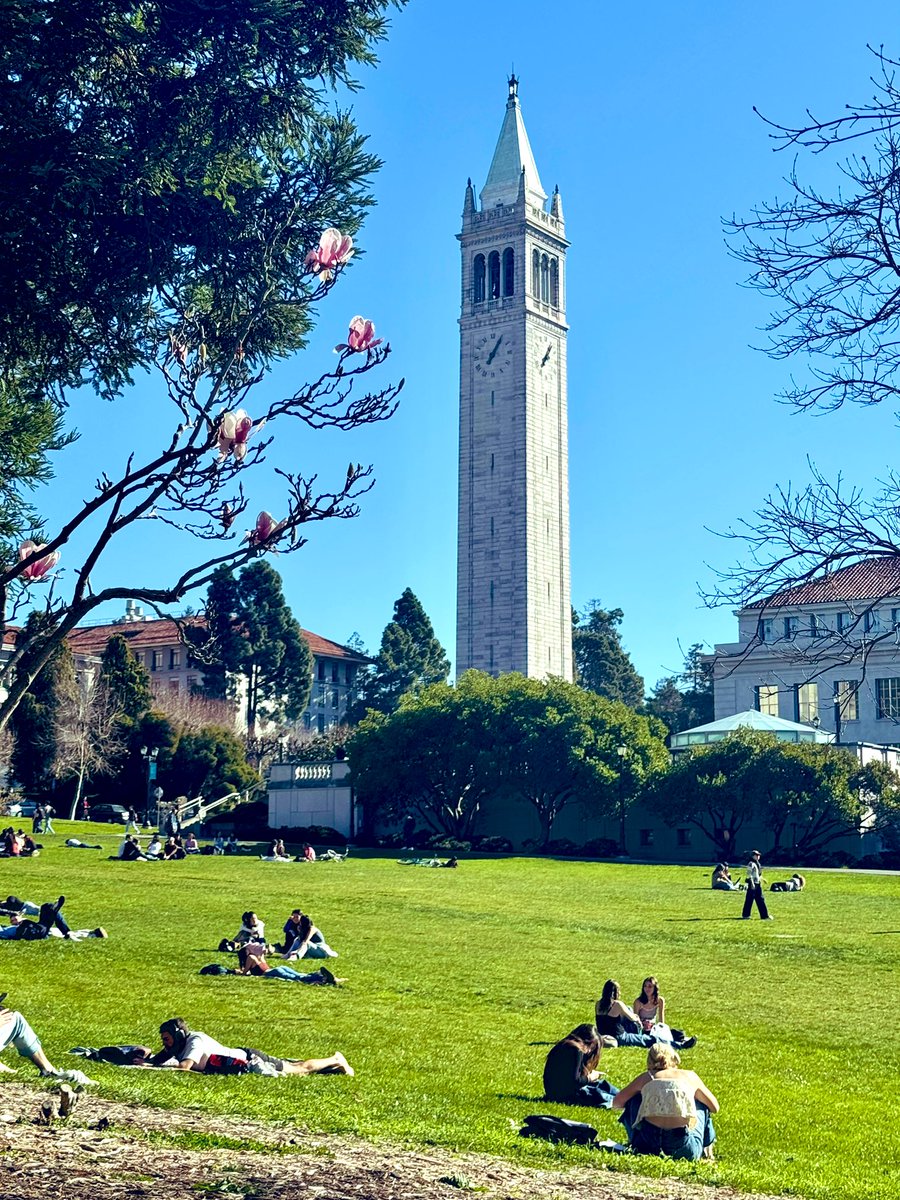
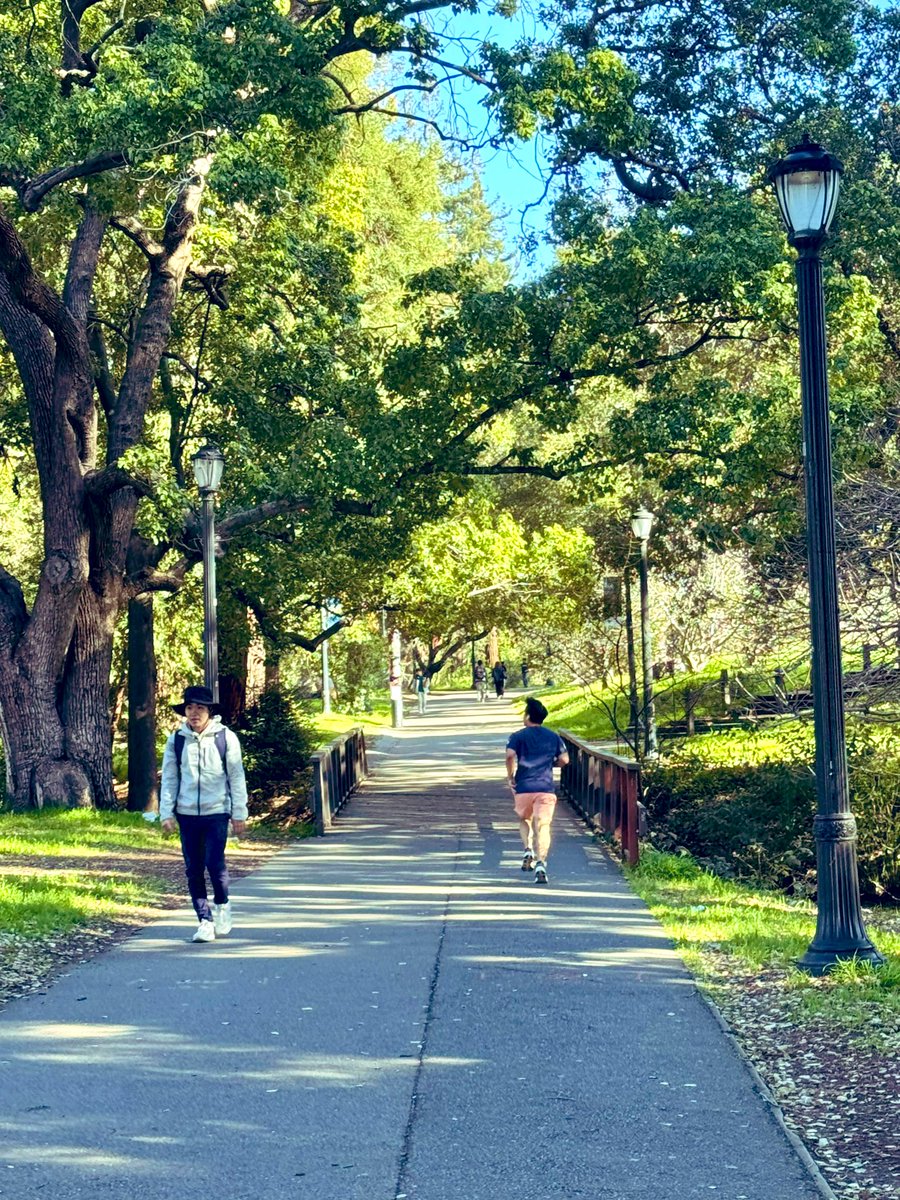
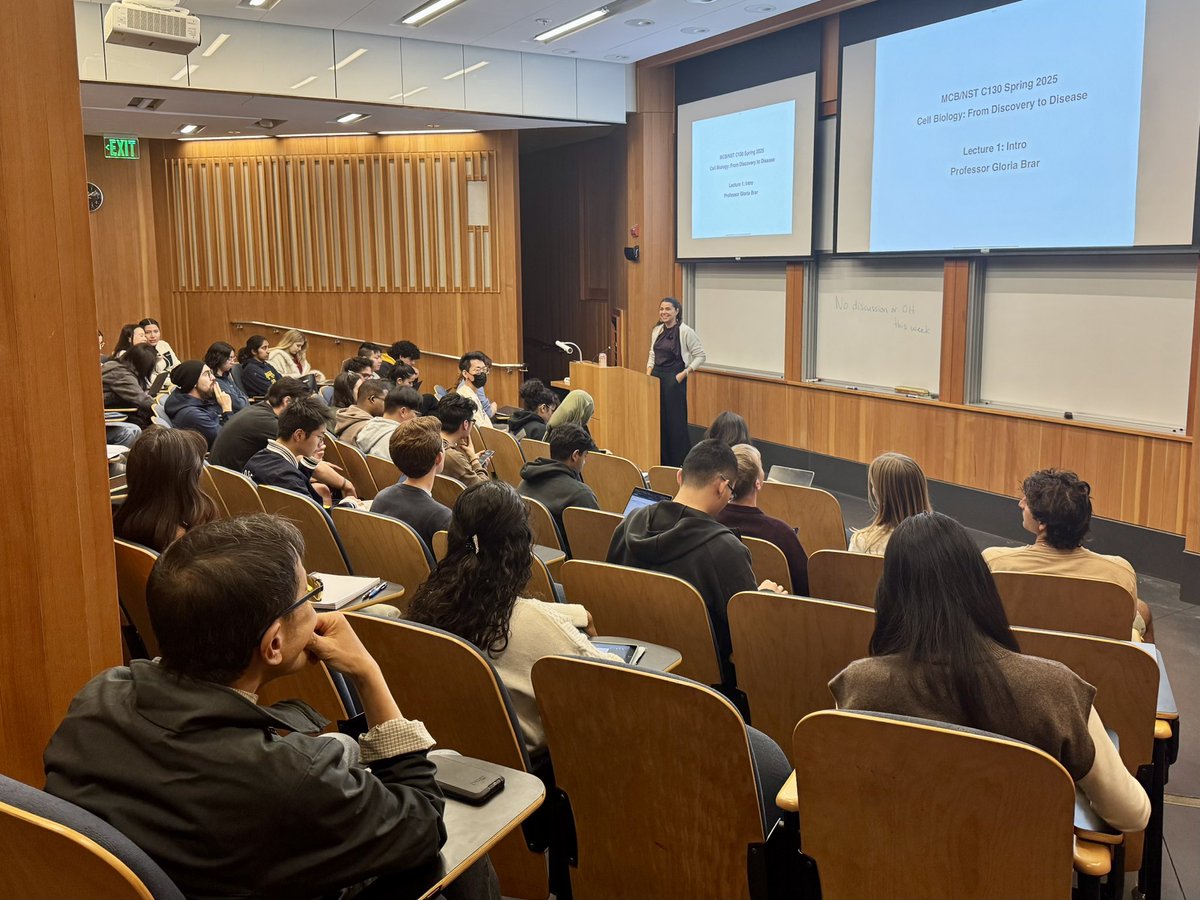
First week of the winter semester and great to see all the students back on @UCBerkeley campus. ☺️ ☀️
English



Zhi Yang retweetledi

Please consider making a contribution to this special fund that will be used by Caltech and JPL to directly support affected individuals and their families greatly impacted by this week's devastating fires in Southern California.
giving.caltech.edu/areas-to-suppo…

English
Zhi Yang retweetledi

In response to this week's devastating Eaton Fire, we have established the Caltech and JPL Together Relief Fund to support our affected colleagues. Please consider making a contribution to this special fund. Thank you from all of us at Caltech. ow.ly/cmTt50UEwFK

English
Excited to share our new preprint! Exceptional work by postdoc @MikeLange identifies the first #LipidDroplet lipid quality control pathway! Droplet-localized FSP1 safeguards stored neutral lipids, blocking their peroxidation & #ferroptosis induction.🤩biorxiv.org/content/10.110…
English
@PhysInHistory The scale of the universe is beyond our comprehension 🤯
English
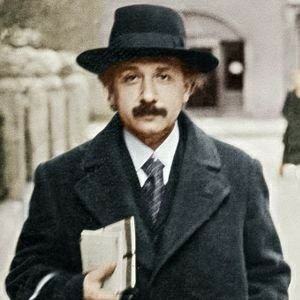
"We are like butterflies who flutter for a day and think it's forever."
- Carl Sagan, in Cosmos (1980)
English