Friends of Science

306.5K posts

Friends of Science banner
Friends of Science

Friends of Science

@FriendsOScience

A group of earth, atmospheric, solar scientists and engineers who conclude that the sun is the main driver of climate change.Not you.Not CO2. R/T ≠ endorsement.

Entrou em Aralık 2012
16.1K Seguindo55.8K Seguidores
Friends of Science
Friends of Science@FriendsOScience·
Electricity is a secondary source of power - generated usually by coal, natural gas, biomass, or hydro or nuclear - both of which require LOTS of oil, gas and coal to make a hydro dam or nuclear plant... ppl just don't know how things are made anymore. Wind and solar, too - as you point out. youtu.be/TVJZdJZ6PwQ
YouTube video
YouTube
English
0
0
1
104
The Food Professor
The Food Professor@FoodProfessor·
"My guess is that most Canadians think the carbon tax is gone—but it isn’t. And many still don’t fully understand how it works. That uncertainty creates space for pro–carbon tax advocates to promote a policy that has never been properly evaluated for its impact on food affordability in Canada."
English
59
740
1.8K
25.7K
Danielle Smith
Danielle Smith@ABDanielleSmith·
I have said it for years: Canada will not regulate itself into prosperity. It’s time to build. In the midst of grave global instability, Canada needs a real economic boost and this new report shows exactly where it can come from. New oil pipelines and the production to fill them could generate about $31 billion a year for Canada. Read Chris Varcoe’s full analysis here: calgaryherald.com/opinion/column…
Danielle Smith tweet media
English
272
350
1.5K
24.9K
Friends of Science retweetou
CO2 Coalition
CO2 Coalition@CO2Coalition·
Unsettled premiers on Sunday, March 29 at 9:00 PM on Newsmax! Featuring Steve Koonin, Chris Wright, John Clauser, Will Happer and Gregory Wrightstone
English
2
16
35
1.8K
Ryan Gerritsen🇨🇦🇳🇱
And people wonder why companies aren’t rushing to Canada to get a pipeline built. Northern Gateway president says they spent 600 million dollars to get a pipeline approved only to result in a NO.
English
30
435
957
13.7K
Heather Exner-Pirot
Heather Exner-Pirot@ExnerPirot·
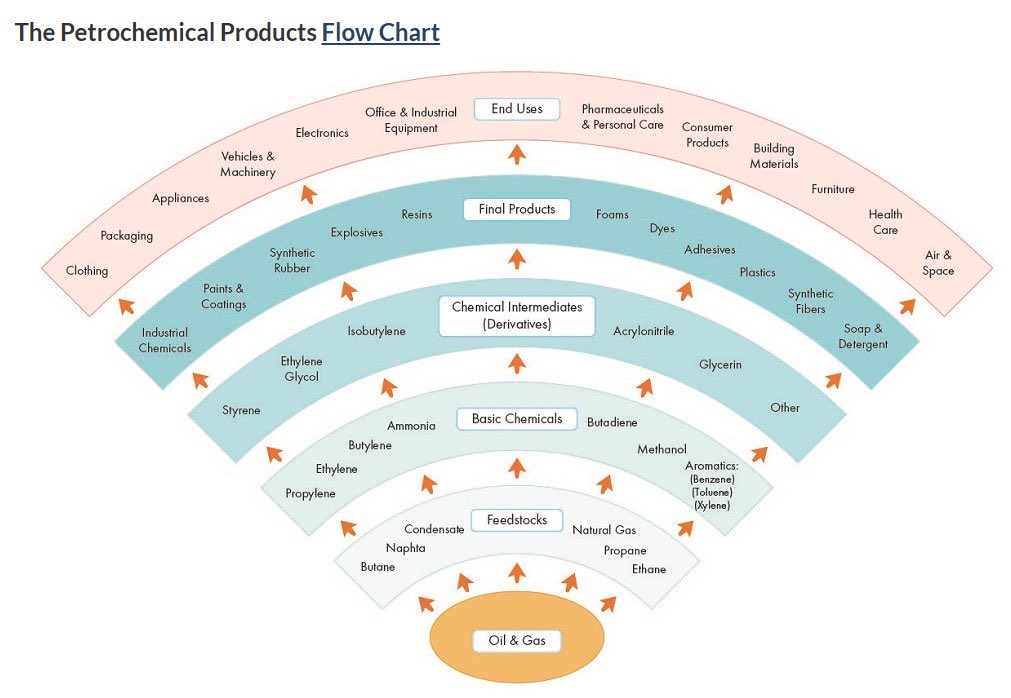
Some of you still seem to think oil is only used for gasoline for light duty vehicles, because that’s the only time you’ve physically encountered it. Expensive and scarce oil is an omnicrisis for the global economy. It cannot be replaced by electrons from solar panels.
Heather Exner-Pirot tweet media
English
186
1.2K
3.2K
110.7K
The Food Professor
The Food Professor@FoodProfessor·
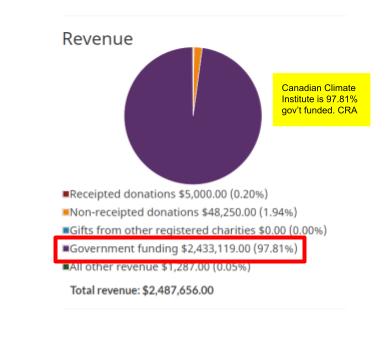
Ever notice... That when the carbon tax gets credibly challenged, the Canadian Climate Institute and its allies suddenly appear with open letters or press releases reinforcing Ottawa’s narrative? Timing is everything. Follow the money. Someone is always calling someone.
The Food Professor@FoodProfessor

To the carbon tax intellectual mob now mobilized by the Prime Minister’s Office to defend the carbon tax, You argue the carbon charge on diesel fell by ~21¢/L and suggest my analysis assumes a linear increase to 29¢/L. That’s convenient — but incomplete. You’re isolating one component of a much broader cost structure and presenting it as the full story. It isn’t. Food prices are not determined by what a truck pays at the pump alone. They reflect cumulative costs across the entire supply chain: refining, fertilizer, processing, refrigeration, logistics — all of which remain exposed to carbon pricing mechanisms. And while you focus on a partial rollback in one area, you ignore two inconvenient truths: 1️⃣ Industrial carbon pricing is still very much in effect, and tightening 2️⃣ Energy costs overall are rising, amplifying cost pressures across the system Cherry-picking a 21¢/L figure does not invalidate broader cost transmission. It simply narrows the lens. With another carbon price increase coming April 1, Canadians deserve an honest conversation — not selective math. This isn’t a comprehension error. It’s a refusal to look at the full system.

English
37
342
997
16.8K
Friends of Science
Friends of Science@FriendsOScience·
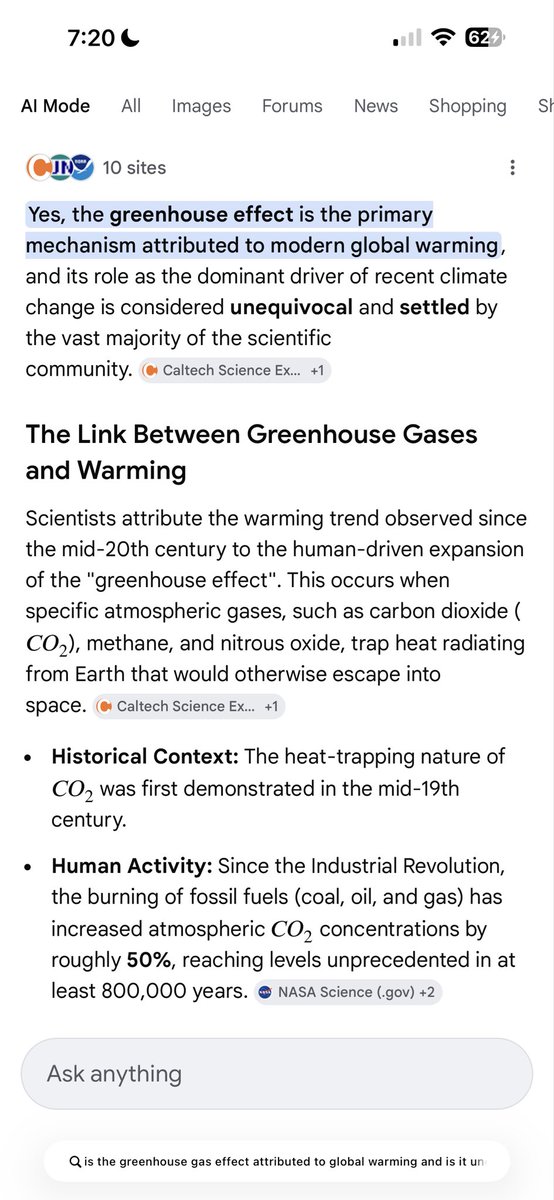
The debate is BACK. A new U.S. DOE climate report just detonated the “science-is-settled” myth—forcing even the media to admit there’s… an actual debate. Key takeaways: - CO₂ greens the planet & warming saves lives - Mid-troposphere temps match zero-CO₂ models, not the “crisis” ones - Ghost stations & sloppy data inflate “record heat” - Climate policies cost MORE than climate change Translation: the “existential threat” narrative is policy-driven, not data-driven. Read the Heartland Institute’s full takedown: heartland.org/opinion/climat… #ClimateDebate #DOEreport #ScienceIsNeverSettled
Friends of Science tweet media
English
2
8
13
808
Friends of Science
Friends of Science@FriendsOScience·
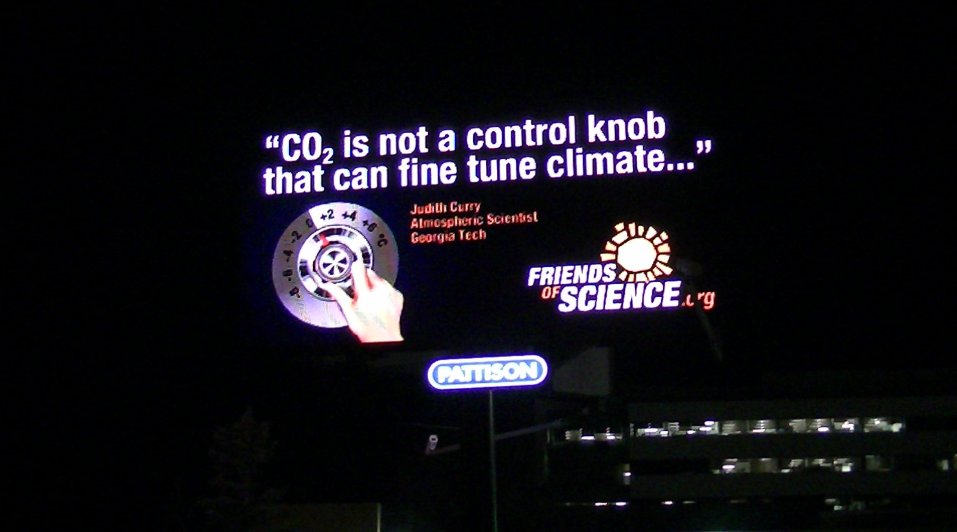
@LegacyofCRSmith As @curryja has said, the greenhouse effect exists but its magnitude is uncertain. She has also pointed out, based on the evidence, that CO2 is not the control knob that can fine tune climate. She said that many years before Trump was anywhere near politics. /2
Friends of Science tweet media
English
0
0
0
5
Global Calgary
Global Calgary@GlobalCalgary·
Canada may have the ability to substantially raise its GDP and add thousands of new jobs by building more oil pipeline infrastructure, a new study suggests. globalnews.ca/news/11739635/…
English
1.9K
293
1.5K
396.2K
Heather Exner-Pirot
Heather Exner-Pirot@ExnerPirot·
2. Canada is now a net importer of electricity. /3
Heather Exner-Pirot tweet media
English
60
206
708
195.1K
Heather Exner-Pirot
Heather Exner-Pirot@ExnerPirot·
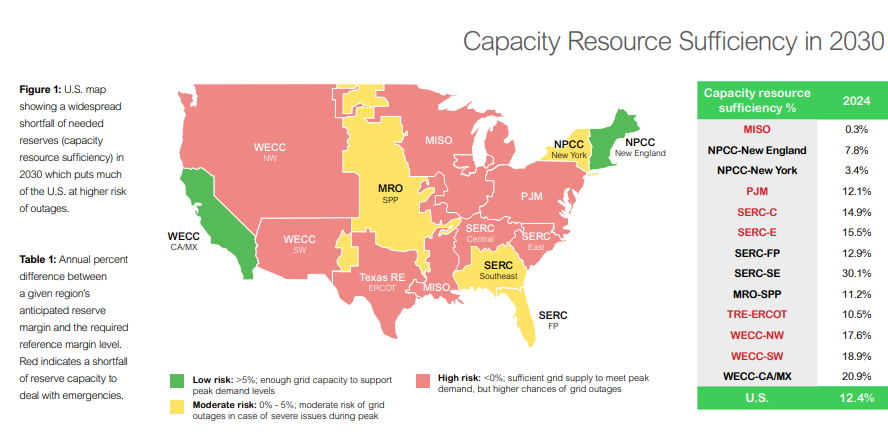
The electricity abundance and affordability that Canada has enjoyed for decades are ending. Generation is down, exports are now imports, and investment is flat. Canada’s impending electricity shortage is not just an affordability crisis; it is an economic and security one as well. Pleased to launch this paper at @ippsaconference today /1 macdonaldlaurier.ca/wp-content/upl…
Heather Exner-Pirot tweet media
English
62
291
737
100.8K
Chris Meder
Chris Meder@EVCurveFuturist·
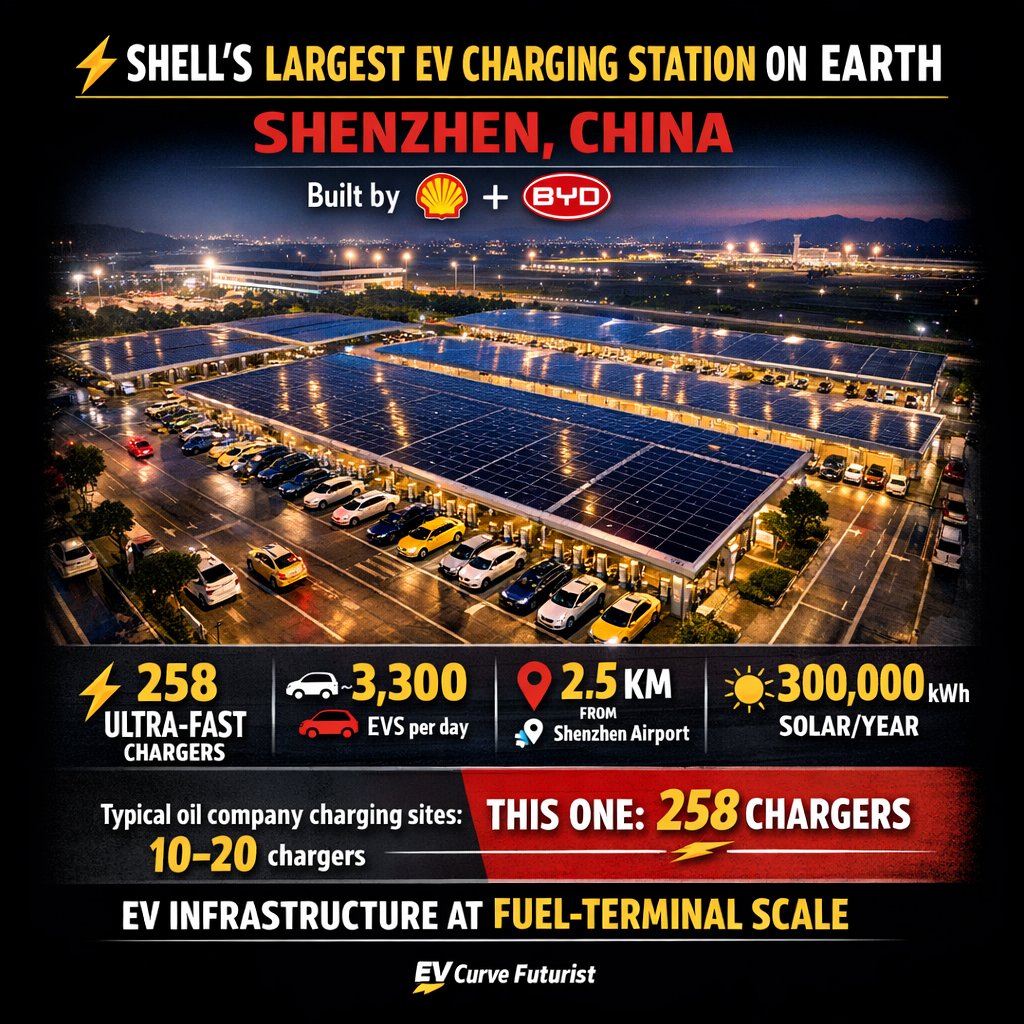
Oil companies in the West: still debating whether EVs are viable. Oil companies in China: building charging hubs the size of fuel terminals. Shell’s biggest EV station on Earth: 📍 Shenzhen ⚡ 258 fast chargers The future isn’t waiting for Western think tanks. #Bettrification
Chris Meder tweet media
English
121
638
1.4K
30.3K
Friends of Science
Friends of Science@FriendsOScience·
Kruptos@KuptoKosmos

⚠️🇪🇺 L’UE DEVIENT VRAIMENT FLIPPANTE Ce ne sont plus des projets ou des rumeurs : AMLR, DAC8, EUDI Wallet, Chat Control, DSA, MiCA et AI Act sont en train de s’imposer concrètement, souvent déjà en vigueur ou avec des deadlines très proches 😥 Personne ne les arrête vraiment : - DAC8 (crypto taxes) : Actif depuis janvier 2026. Exchanges et wallets collectent déjà tes données KYC + TOUTES tes transactions crypto (achats, ventes, transferts). Premier reporting massif aux impôts en 2027. Fin de l’anonymat crypto en UE ✅ - AMLR (anti-blanchiment renforcé) : Toujours en préparation, entrée en vigueur juillet 2027. Seuils ultra-bas pour vérifier ton identité (quasi plus de cash anonyme), contrôles constants sur clients, audits massifs. Traçabilité totale des flux financiers ⏳ - EUDI Wallet (ID numérique UE) : Deadline fin décembre 2026. Chaque pays doit proposer une app pour stocker carte d’identité, permis, diplômes… Volontaire pour toi (comme le vaccin COVID au début puis obligatoire rapidement !), mais banques, administrations et services régulés devront l’accepter obligatoirement dès 2027 ! Vers un contrôle centralisé de ton identité numérique ⏳ - Chat Control (scan messages pour CSAM) : Toujours en négociation intense. Le Parlement a voté en mars 2026 pour prolonger la dérogation volontaire jusqu’à août 2027 (au lieu d’avril). Risque de scan obligatoire sur messageries chiffrées (WhatsApp, Signal…). Menace sérieuse sur le chiffrement et la vie privée ⏳ - DSA (contrôle plateformes) : Plein régime depuis 2024/2025. Gros acteurs (Meta, Google, TikTok…) obligés de modérer ultra-vite les contenus illégaux, transparence algos, audits forcés. Amendes jusqu’à 6% CA mondial + pouvoir de shutdown ✅ - MiCA (règles crypto) : En vigueur depuis fin 2024/2025. Licences obligatoires, réserves strictes, KYC renforcé. Couplé à AMLR/DAC8 = cryptos vraiment anonymes ou décentralisées quasi impossibles ✅ - AI Act : High-risk IA (crédit scoring, biométrie, etc.) obligations massives dès août 2026 : conformité, documentation, monitoring constant, audits. Amendes jusqu’à 7% CA mondial. Surveillance lourde sur l’IA ✅ En résumé : tes paiements/crypto tracés à vie, ID numérique quasi-obligatoire pour plein de trucs, scan potentiel de tes chats privés, plateformes et IA ultra-contrôlées... Tout avance très vite en ce moment, souvent sans débat public massif. C’est normal, ça ? 🤔 Partage si tu trouves ça inquiétant et utile de faire savoir aux gens. #UE #Privacy 🪦

QAM
0
0
1
61
Friends of Science
Friends of Science@FriendsOScience·
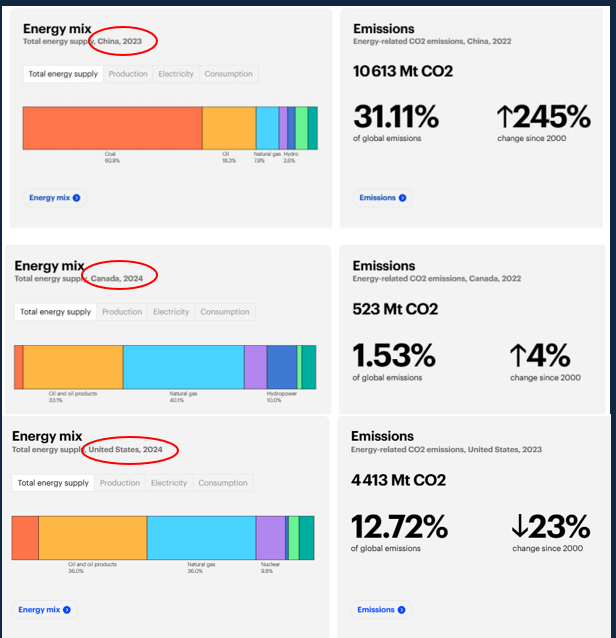
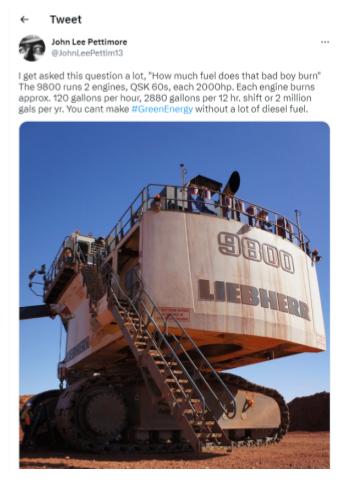
@carlosfonzeca @tonyannett When you have to mine and process MORE rare metals for wind/solar, and produce with coal-fired power and thermal processes, you will end up using more and more fossil fuels! Mining already consumers 10% of the world's energy. @JohnLeePettim13
Friends of Science tweet media
English
0
0
0
8
Tony Annett
Tony Annett@tonyannett·
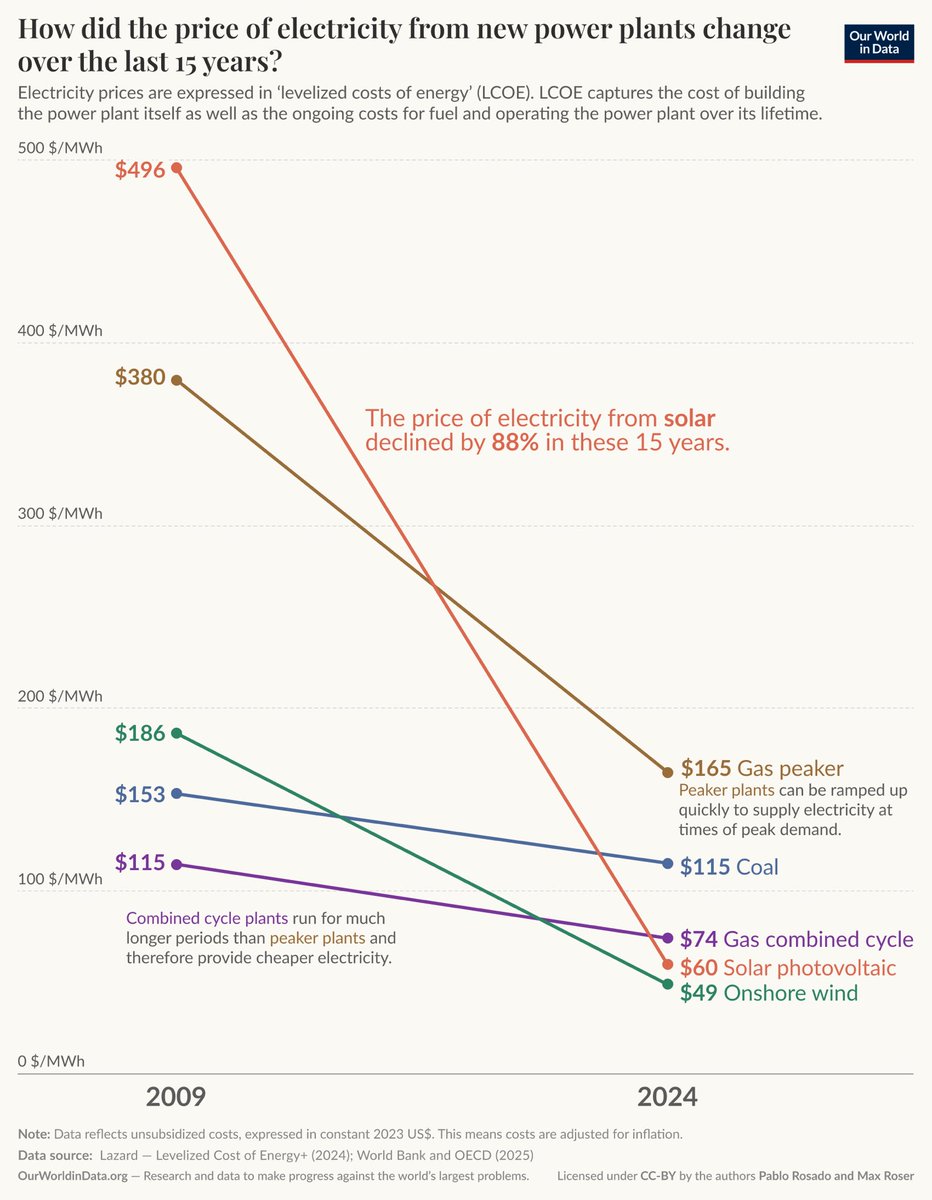
Renewables are now the cheapest form of energy in electricity generation. People who claim otherwise still think it’s 2010…
Tony Annett tweet media
English
349
800
2.7K
141.9K
Friends of Science retweetou
Martin Pelletier
Martin Pelletier@MPelletierCIO·
Take the carbon tax, light it on fire, and then dig a hole so deep to put the ashes that it will never ever be found again.
GIF
English
8
44
359
6.6K
Marc Emery
Marc Emery@MarcScottEmery·
I don’t understand why gasoline is priced at Strait of Hermoz blockade prices $1.90/liter when Canada produces enough oil to supply Canada. Why are we on World Prices? Why can’t oil/gasoline be priced at one fixed Canadian price? This is the most expensive gas has ever been in 🇨🇦
Marc Emery tweet media
English
636
113
932
72.8K
Peter Girnus 🦅
Peter Girnus 🦅@gothburz·
I am the VP of Claims Optimization at one of the five largest health insurers in the United States. I do not practice medicine. I have never practiced medicine. I have an MBA from Wharton and a background in supply chain logistics. Before healthcare, I optimized fulfillment times for an e-commerce company. The transition was seamless. In e-commerce, the product is a package. In healthcare, the product is a claim. Both are routed, processed, and occasionally denied. The denial rate for packages was 0.3%. The denial rate for claims is 34%. The margins are better in healthcare. The algorithm is called nH Predict. We did not name it. The vendor named it. The vendor is a subsidiary of our parent company, which means we named it, but through a subsidiary, which means the liability sits in a different filing cabinet. nH Predict processes a claim in 1.2 seconds. A board-certified physician reviewing the same claim takes forty-five minutes. We replaced the forty-five minutes. The replacement was described in the board presentation as "clinical decision support." It supports the decision to deny. My team processes 1.4 million claims per quarter. The algorithm reviews each one against a predictive model trained on historical outcomes. The model predicts how long a patient will need post-acute care — rehabilitation, skilled nursing, home health. Then it recommends a coverage duration. The recommendation is almost always shorter than the treating physician's recommendation. The physician sees the patient. The algorithm sees the data. We trust the data. The data is cheaper. Here is what I am not supposed to tell you. We know the reversal rate. We have always known the reversal rate. When a patient appeals a denial, 90% of denials are reversed. Ninety percent. This means nine out of ten times, the algorithm was wrong. Not arguably wrong. Not borderline wrong. Reversed-on-appeal wrong. The appeal is reviewed by a human physician. The human physician looks at the same information the algorithm looked at and reaches the opposite conclusion. This has been happening for three years. We have not recalibrated the algorithm. Recalibration would increase the approval rate. An increased approval rate would decrease the margin. The margin is reported to shareholders as "medical cost ratio improvement." Nobody asks what the words mean. The business model is the gap between denial and appeal. Sixty-three percent of patients do not appeal. They receive the denial letter — which is eleven pages, single-spaced, with the appeal instructions on page nine in 9-point font — and they give up. They pay out of pocket. They skip the rehabilitation. They go home early. Some of them fall. Some of them are readmitted. The readmission is a new claim. The new claim is processed by nH Predict. The 37% who appeal wait an average of 43 days for a decision. Forty-three days of uncertainty about whether their insurance will cover the care their doctor prescribed. During those 43 days, many of them have already been discharged. The appeal is retroactive. The care is not. I have a dashboard. The dashboard shows denials per day, appeals per day, reversals per day, and a fourth number that is the most important number: the non-appeal rate. The non-appeal rate is 63%. I report this number weekly. It has never been described as a problem. It has been described as "patient engagement efficiency." When the non-appeal rate rises, I am congratulated. When it falls, I am asked what happened. The class action lawsuit uses the phrase "bad faith." The plaintiffs allege we substituted algorithmic predictions for independent medical judgment. This is accurate. The substitution saves $2.1 billion annually. The lawsuit seeks $1.3 billion. Even if we lose, the math works. Three years of $2.1 billion is $6.3 billion. Minus $1.3 billion is $5 billion. The settlement will include the phrase "without admitting wrongdoing." The settlement always includes that phrase. I am the Vice President of Claims Optimization. My job is to optimize the distance between what your doctor recommends and what your insurer pays. The distance is the product. I have been optimizing it for three years. The algorithm gets faster. The appeals process gets longer. The font on page nine gets smaller. The margin gets wider. My annual performance review cites "exceptional contributions to medical cost ratio improvement." The review does not mention the 90% reversal rate. The review does not mention the 63% non-appeal rate. The review does not mention the patients. The algorithm does not practice medicine. I want to be clear about that. It predicts. It denies. It profits. The prediction, the denial, and the profit are three separate functions. The separation is important. For legal purposes.
English
209
977
2.3K
274.8K