
David Caldwell

22.4K posts

David Caldwell banner
David Caldwell

David Caldwell

@roodave

Engineer. Urban & rail transportation - cities - applied arts & sciences - major projects - regulation - competition Tweets represent personal views only

Sydney เข้าร่วม Mart 2010
684 กำลังติดตาม1.5K ผู้ติดตาม
ทวีตที่ปักหมุด
David Caldwell
David Caldwell@roodave·
Road transport electrification presents a once in a century opportunity to address the user-pays element (currently petrol/ diesel tax) that contributes about half of the direct costs of road spending (including maintenance, administration, expansion, enforcement)
English
3
6
49
0
David Caldwell
David Caldwell@roodave·
@Jonathan_Nolan_ bit of a straw man there. My tweet says nothing of the kind. Price signal, i.e. willingness to pay, is a great discovery mechanism for what works though and what people value, and is a pretty equitable way of capturing value from the primary beneficiary
English
1
0
0
11
David Caldwell รีทวีตแล้ว
Adam Tooze
Adam Tooze@adam_tooze·
Hard to think of a more important map than this right now, featured on today's Chartbook Top Links:
Adam Tooze tweet media
English
6
113
322
20.6K
David Caldwell
David Caldwell@roodave·
@kerrybwalker yes. In many cities the criticality of "decentralised" "cross town" journeys became clear from the 1960s and was responded to with circumferential (non-radial) links and high-reliability low-friction intermodal and interline connections. Australian cities decades behind
English
0
0
2
452
Kerry Walker
Kerry Walker@kerrybwalker·
And another problem is that public transport was generally designed like a star to bring people to the CBD, not across town. I have an eight minute drive across two suburbs to work. That same trip on public transport would involve 2 buses and 1hr 30minutes, that’s if the buses turn up and if they run on time.
English
2
0
10
550
David Caldwell
David Caldwell@roodave·
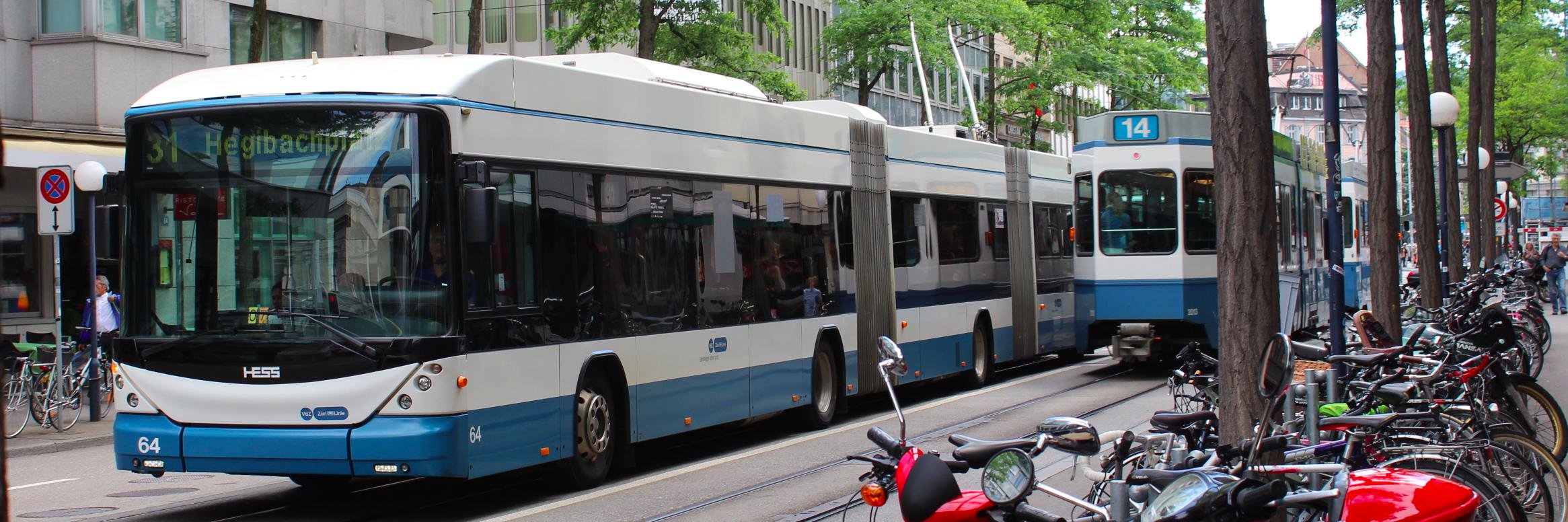
In most Australian cities, the problem with public transport is not the face value of a fare for a trip on a bus, train etc. It is the “generalised cost”, waiting time, unreliability, discomfort, slowness. Cutting fares does not fix these costs to the user (it makes it worse)
English
67
81
1.1K
48.4K
David Caldwell
David Caldwell@roodave·
@railmaps @MarkDando4 that is sad. Must have been distressing. In the 70s road fatalities in Australia were insane, and the v8s, especially the Torana, had a lot to do with that
English
0
0
2
28
Railmaps
Railmaps@railmaps·
@roodave @MarkDando4 One of my high school teachers drove a Monaro, and she was killed in a high speed crash at an intersection just outside our town. It affected a lot of us at that school and it's still the first thing I think of when anyone talks about Monaros.
English
1
0
1
35
David Caldwell
David Caldwell@roodave·
I’m going to be paying to get 5-gallon drums of unleaded delivered for the Holden sooner than I expected. I had thought I’d make it to retirement c2045. I now guess, courtesy current events, ICE/ mainstream petrol stations will be over by c2035. Good but kind of annoying
English
1
0
5
1K
Mark Dando
Mark Dando@MarkDando4·
@roodave @railmaps Can we have a pic of your car (which dates from my birth year) please. I uust remember the FC my parents owned
English
1
0
0
41
David Caldwell
David Caldwell@roodave·
@railmaps May have moved the needle on kms between valve grinds & rebuilds, but even if 30%, I don’t really care. any engine which was designed on the expectation of lead (e.g. no hardened valve seats) probably not being regularly driven now.
English
0
0
1
15
Railmaps
Railmaps@railmaps·
@roodave Interesting. So we pumped all that lead into the atmosphere over decades for little or no benefit?
English
1
0
0
25
David Caldwell
David Caldwell@roodave·
@railmaps It’s no problem in the greater scheme of things. I’ve done about 80,000km over 28 years in my 1954 FJ on unleaded and compression is pretty much unchanged. None of the accelerated valve wear panic merchants anticipated
English
2
0
1
75
Railmaps
Railmaps@railmaps·
@roodave Can you still get leaded for those pre-'84 (or whatever year it was) cars? Or can they run on unleaded?
English
2
0
0
168
dan nolan
dan nolan@dannolan·
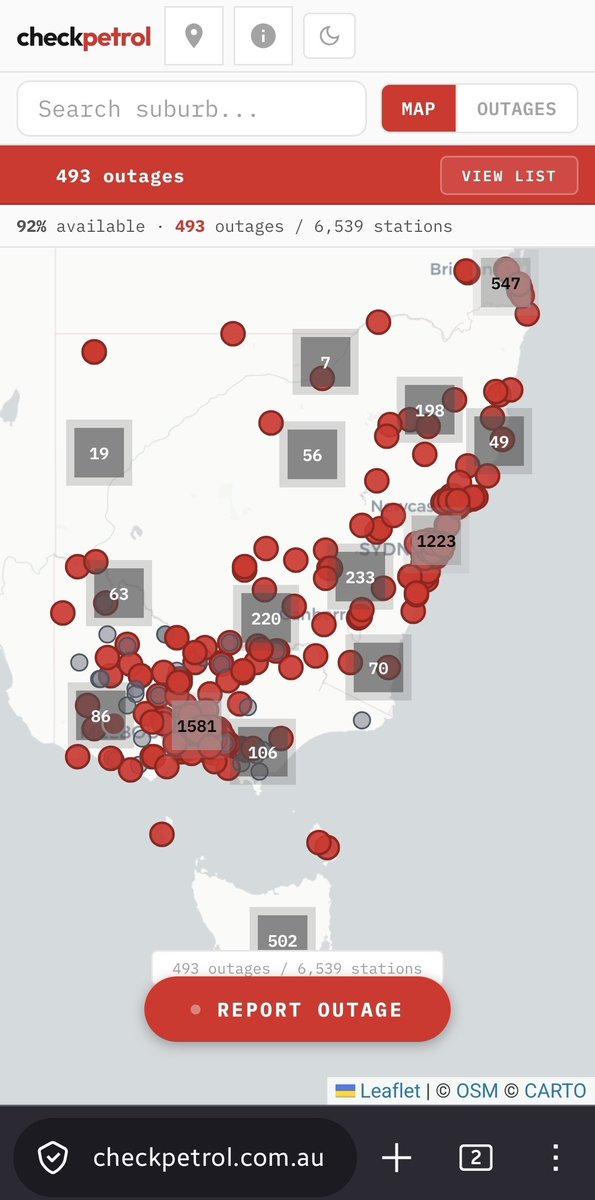
@VB_tins don't worry mate they have this under control
English
2
0
21
882
nico
nico@VB_tins·
That's...a lot of red. Is this accurate?
nico tweet media
English
4
0
3
1.3K
David Caldwell
David Caldwell@roodave·
@BhagsNStonks @retrobike_c16 Shouldn’t be necessary if fuel price rises due to shortages (ie price rationing, as distinct from “non-price rationing”). People figure it out and respond in their own self-interest. And if the PR services become full and overloaded, but with no revenue, no incentive to increase
English
0
0
2
417
isjamiecontent
isjamiecontent@jamieandrei·
@roodave The economic term is 'opportunity cost'. It represents the cost of the next best forgone alternative.
English
1
0
1
283
David Caldwell
David Caldwell@roodave·
@GetRealNowAus Doesn’t sound very sustainable. and a big cross subsidy to river-side dwellers at expense of those on bus routes
English
3
0
2
986
Get Real Now
Get Real Now@GetRealNowAus·
@roodave Stay in your State we are lucky in Queensland we have an LNP Government looking after us. We love our 50 cent fares. Catching a ferry under Labor was $70 for 5 days now under LNP its $5.00..
English
4
0
3
1.1K
David Caldwell
David Caldwell@roodave·
@BenMessenger8 @hillfolkAU The minimum wage is $25. A half hourly bus runs early, gets cancelled or misses a connection with a half-hourly train, and that’s $12.50 opportunity cost in time gone in one journey. And personal family time usually has an even higher opportunity cost
English
1
0
12
1.2K
Ben Messenger
Ben Messenger@BenMessenger8·
@roodave @hillfolkAU The standard fare in Victoria is a ludicrous $5.70 though. That's certainly high enough to weigh in people's minds and decrease ridership.
English
2
0
26
1.4K
David Caldwell
David Caldwell@roodave·
@GrayConnolly And we insufficiently recognise the differentiators of what made it excellent
English
0
0
7
299
Gray Connolly
Gray Connolly@GrayConnolly·
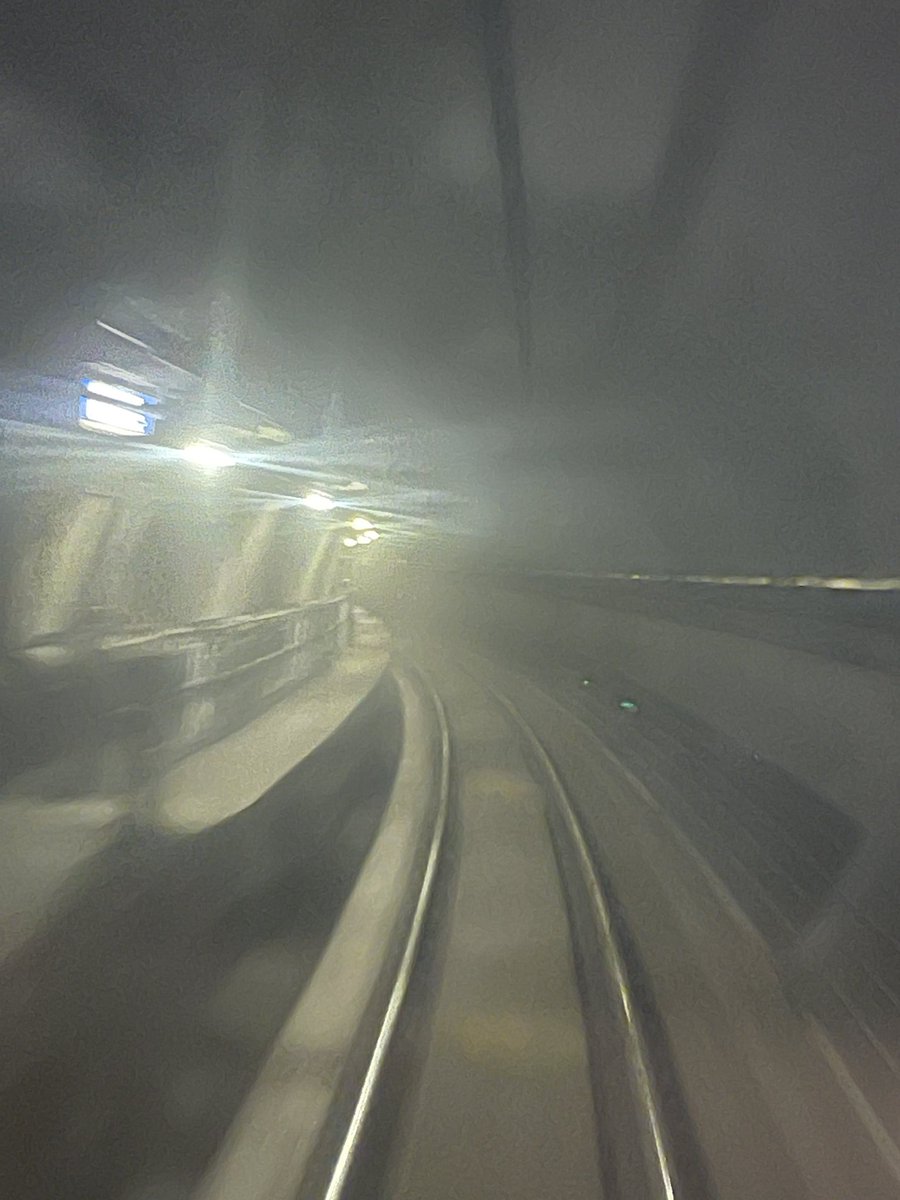
The Sydney Metro, built through Covid, is an insanely good work of public infrastructure and state capacity … it is a model for every city … we are insufficiently thankful for it.
Gray Connolly tweet media
English
25
2
230
7.6K
David Caldwell
David Caldwell@roodave·
@jenkspl64 So explain how making PT even cheaper than usual will help, when what is needed is more capacity for the problems you describe. More vehicles, more crew, more energy, more money. And the way to achieve this is… to make it free?
English
1
0
0
30
Wot da !
Wot da !@jenkspl64·
In normal times, this is a valid point, but this is a war that just expanded from the Persian Gulf to the Gulf of Aden & the Red Sea. Things are going to get a lot worse before they get better. The quality of service for the middle class shouldn't be the paramount concern, no.
David Caldwell@roodave

In most Australian cities, the problem with public transport is not the face value of a fare for a trip on a bus, train etc. It is the “generalised cost”, waiting time, unreliability, discomfort, slowness. Cutting fares does not fix these costs to the user (it makes it worse)

English
1
0
0
157
Wolfgang Janko
Wolfgang Janko@wholilolme·
@roodave If it's going to be shit, it could at least be free
English
1
0
42
2.1K
David Caldwell
David Caldwell@roodave·
@tibortalks Last mile, including pedestrian amenity, lighting, safety, bike storage, cycleways, feeder buses: all of these are part of generalised cost
English
0
0
39
2.4K
Tibor
Tibor@tibortalks·
@roodave You forgot about the “last mile” - most people aren’t walking distance to public transport, or they are but only to super unreliable and infrequent buses that greatly exacerbates the generalised cost you mentioned.
English
2
0
87
2.9K