Tiger Data - Creators of TimescaleDB@TigerDatabase
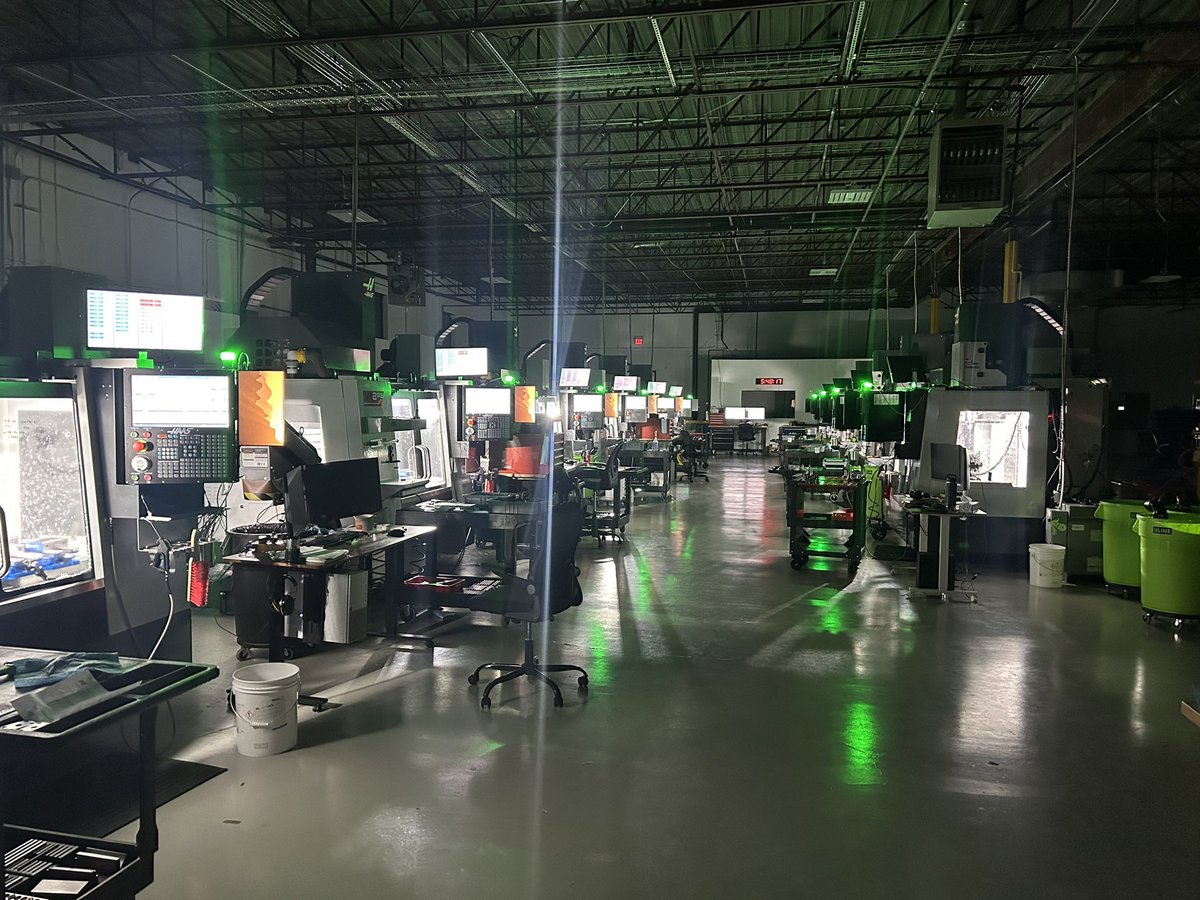
Most industrial machine monitoring is designed for large enterprises. High costs, rigid 10-device minimums, multi-year contracts. Small and mid-sized manufacturers, the backbone of the supply chain, are locked out.
Takton built Sense Manufacturing to change that. Affordable machine monitoring that starts at one device. Approximately 30% lower total cost in year one, up to 70% lower in subsequent years compared to competitors.
The team initially evaluated InfluxDB. It performed well for high-frequency data across a limited number of streams, but couldn't deliver on their production requirements: ingesting data from thousands of devices, each reporting power and vibration a few times per minute.
They also wanted to avoid stack fragmentation. Their first product ran on Supabase using standard SQL and Postgres. Adding InfluxDB would mean maintaining a second query language and storage paradigm for a small team.
Why they chose Tiger Data:
▪ Built on Postgres—kept a single SQL-based stack
▪ Designed for high-rate data ingestion from thousands of devices
▪ Tiger Cloud offloaded operational burden from a two-engineer team
▪ Hypertables provided automatic partitioning for reliable ingestion at scale
Two months from first commit to devices live in customer facilities. One pilot customer's CNC machine failed after Sense flagged anomalous vibration readings for four days, but notifications weren't enabled. The failure cost $50,000 and three months of downtime. With alerts on, it would have been a $3,000 part change.
How this startup shipped production IoT devices in 60 days, covered in this article by Farbod Moghaddam, CTO & Co-founder, Sense Manufacturing Inc:
tsdb.co/yaaa0rao