Pinned Tweet

taiwan guiado
5.3K posts

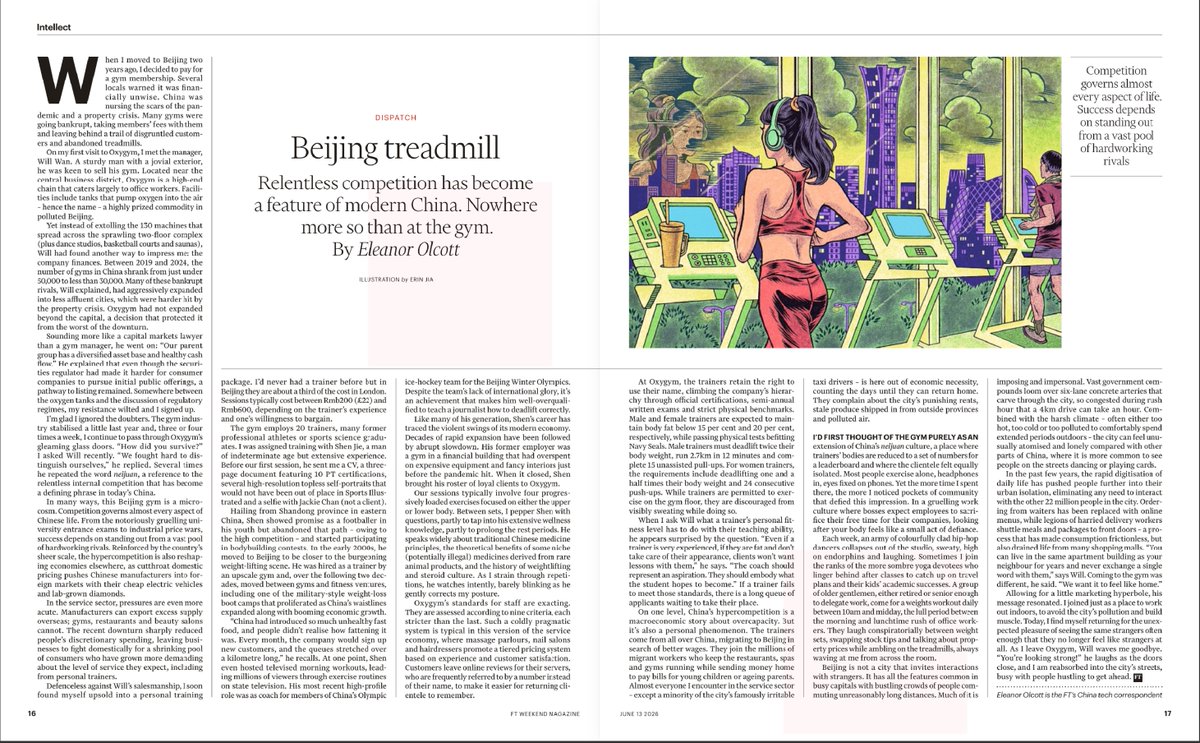



经济学人:为什么中国的足球这么烂? 成功的足球文化通常并非如此,往往是混乱的、本地化的、自然生长的,依赖孩子们在街头自由踢球,依赖社区俱乐部扎根成长,也依赖年轻球员沿着层层联赛体系逐步成长。 而中国治理体系的本能,是标准化、监管和规模化复制成功。 足球却往往恰恰在权力放松控制的地方蓬勃发展,在那些制度本身并不天然容纳的社区环境中成长。 👉 阅读全文: caus.com/all-articles/n…


Obviously, Vijay Gokhale is ignorant about how Chinese people view Indian democracy and why they would never see it as an ideological threat. Here is the reasoning. Even if democracy can be viewed as India’s foundational pillar, significantly preventing the worst outcomes, it has also brought about suffocating, if not deadly, costs. India adopted universal suffrage democracy while still economically and socially underdeveloped, thereby legitimising many deeply entrenched pre-modern social structures, which have become institutionalised and integrated into India’s governance today. Idealists like the first prime minister of India, Jawaharlal Nehru, and the early Congress party envisioned oppressed social groups utilising their numerical advantage through democratic elections to create pressure groups, driving gradual social reform and overcoming entrenched societal issues, thus paving the way for economic prosperity. Unfortunately, this ideal scenario didn’t materialise. Instead, groups formed around identities such as religion, caste, sub-caste, and ethnic affiliations have engaged in “vertical mobilisation” through electoral mechanisms, reinforcing traditional social structures and preserving vested economic interests. This has resulted in an institutionalised system that further hinders social dynamism and reinforces social rigidity. Consequently, vested interest groups representing antiquated social structures legitimately hijack democratic processes, obstructing reforms beneficial to the entire society, thus significantly hampering social progress and economic development over the long term. Nevertheless, most people have no better alternative than to tolerate this situation. What type of mistakes are the most challenging to correct? Those that everyone perceives as “correct”. This encapsulates the most profound constraint that democracy imposes on India.