Chuma Chike-Obi, MD

606 posts

Chuma Chike-Obi, MD banner
Chuma Chike-Obi, MD

Chuma Chike-Obi, MD

@360PlasticSurg

Plastic Surgeon | Named Top Cosmetic Surgeon by Allure | Specializing in Artistic Breast Augmentation, Body Sculpting, and Facial Rejuvenation.

Austin, TX Katılım Haziran 2023
50 Takip Edilen58 Takipçiler
Chuma Chike-Obi, MD retweetledi

Eric Topol
Eric Topol@EricTopol·
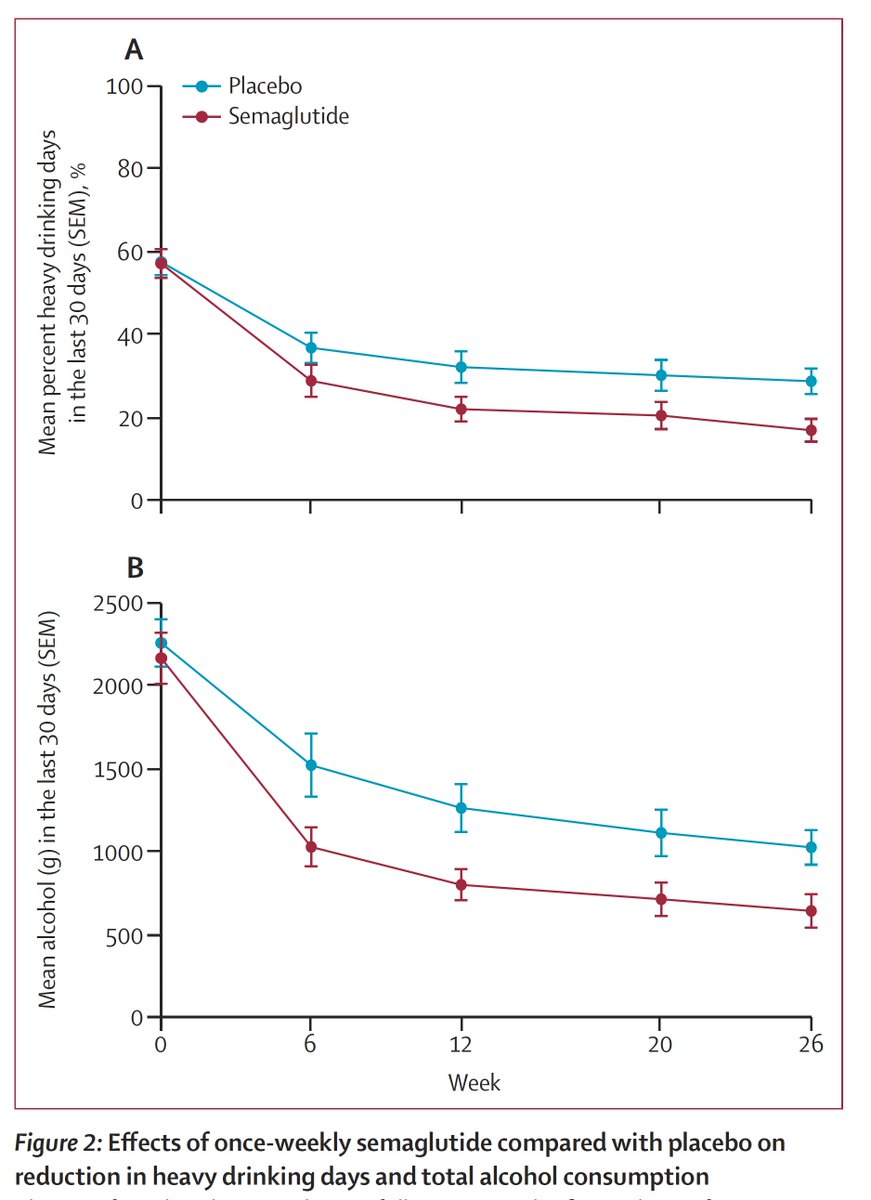
First randomized trial to show Ozempic reduces alcohol consumption in people seeking treatment for alcohol use disorder. Placebo-controlled, double-blind. Participants with BMI >30 kg/m2. thelancet.com/journals/lance… @TheLancet
Eric Topol tweet media
English
27
265
939
182.4K
Chuma Chike-Obi, MD
Chuma Chike-Obi, MD@360PlasticSurg·
Read @paulg’s On Brand essay → recalibrated “complications.” In surgery: deviation from plan. In watchmaking: added function by design. Same word. Opposite signal.
English
0
0
0
7
Encyclopaedia Britannica
Encyclopaedia Britannica@Britannica·
Redheads require about 20% more anesthesia than people with other hair colors. Scientists are unsure why anesthesia, both general and local, is less effective for redheads, but it may be linked to the MC1R gene mutation that causes hair to be red.
English
471
2.5K
30.2K
2.2M
Chuma Chike-Obi, MD retweetledi
David Sinclair
David Sinclair@davidasinclair·
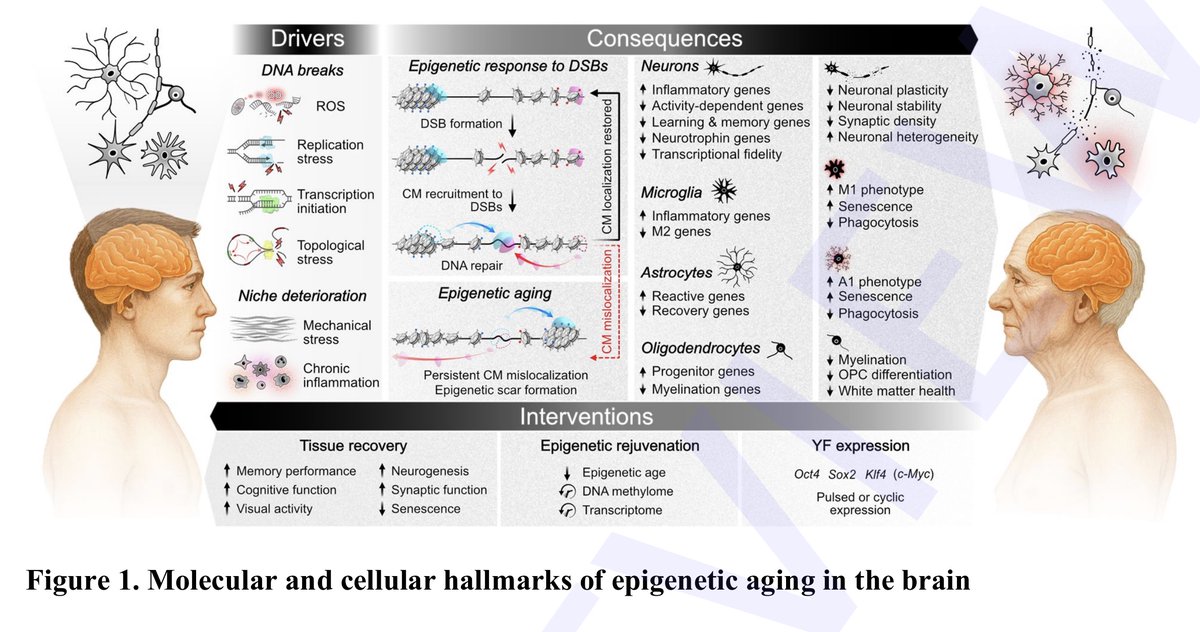
The future: Epigenetic Aging & Rejuvenation of the Brain: Drivers, Consequences & Interventions Download: tinyurl.com/y8be5xse
David Sinclair tweet media
English
12
79
524
30K
Bryan Johnson
Bryan Johnson@bryan_johnson·
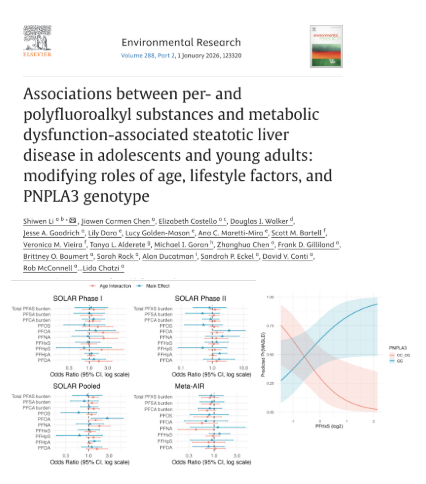
If you have a non-stick cookware. Get rid of it. New study: a 169% increase in the risk of fatty liver disease in adolescents is linked to PFOA, a forever chemical used in non-stick cookware, with every doubling of exposure. I've been meticulously measuring these toxin levels in myself and drinking water. Significant study findings: + PFOA showed the highest risk increase for fatty liver disease in adolescents; each doubling of PFOA plasma concentration was associated with a 169% increased odds of fatty liver disease. + In one cohort, each doubling of PFHpA was associated with a 73% increased risk of fatty liver disease in adolescents. + Age mediated the risk posed by PFOA in adolescents; each year increase in age added a 45% increased odds of fatty liver disease for every doubling of PFOA plasma concentration. + The high-risk PNPLA3 genotype significantly increased the risk of fatty liver disease with PFAS exposure in adolescents, particularly for PFHxS. Each doubling in PFHxS concentration was associated with a 552% increase in fatty liver disease odds in older adolescents carrying the PNPLA3 GG high-risk phenotype. + No basic association with increased risk was observed with increasing PFAS concentrations in young adults. + Smoking in young adults turned several PFAS, including PFDA, PFHpS, and PFNA, into significant risk factors for metabolic liver disease. Added Context: + MASLD definition: Having >5.5% liver fat in addition to at least one metabolic disease criterion (high BMI, fasting glucose, blood pressure, triglycerides, and/or low HDL). + PNPLA3: A gene involved in fat and cholesterol handling and storage in the liver and adipose tissue. The GG phenotype predisposes its carriers to an increased risk of developing fatty liver and metabolic (non-alcoholic) liver disease. Significance: Known as "forever chemicals," PFAS persist for years or decades in the human body (PFOA has a half-life of 1.5–5 years) and for decades to centuries in the ecosystem (PFOA has a half-life of 92 years in environmental water). PFAS are widely used as insulating and non-stick materials in non-stick cookware, clothing, electronics, and many other household and industrial applications. PFAS have long been known to cause metabolic and endocrine disruptions, affecting metabolism, insulin function, and liver fat metabolism. Adolescence and early adulthood are particularly sensitive phases due to hormonal changes around puberty and related rapid growth, making this age group especially vulnerable to the endocrine, hormonal, and metabolic damage caused by PFAS. This study successfully identified adolescents as an especially vulnerable risk group to specific types of PFAS (PFOA and PFHpA). Given that PFOA is used in non-stick ware and other food containers, this highlights the importance of avoiding these items in households with children, especially around and after the age of puberty. Furthermore, the study uncovered the exacerbation of genetic risk by PFAS, indicating that PNPLA3 GG carriers should be especially aware of the risk from PFHxS. This chemical is commonly used in firefighting foams, water-repellant clothing and polishes, as well as various electronics. Young adults showed no basic association between PFAS and liver disease risk, possibly indicating a special sensitivity before and around puberty. However, smoking altered this relationship, making young-adult smokers more susceptible to increased liver disease risk with PFAS exposure. Limitations While the study offers several actionable insights, more research is needed to determine if the findings hold for non-Hispanic adolescent populations (as the SOLAR adolescent cohort was solely of Hispanic background). Additionally, the somewhat small sample size limits the study's statistical power. Finally, the single-time point PFAS exposure assessment and the cross-sectional nature of the study make it impossible to assess cumulative exposures or draw any causative conclusions, limiting the insights to observational findings.
Bryan Johnson tweet media
English
480
630
6.5K
1.7M
Chuma Chike-Obi, MD
Chuma Chike-Obi, MD@360PlasticSurg·
@bryan_johnson another thing it did well: we’re finally having open discourse about the importance of nutrition for all.
English
0
0
1
763
Bryan Johnson
Bryan Johnson@bryan_johnson·
Overall, significant upgrade to the American diet. Some longevity tweaks: 0. Milk and dairy should be deprioritized and moved down the inverted pyramid, especially for adults. In adults, and particularly men, milk protein has an unfavorable amino acid composition, being high in Branched-Chain Amino Acids (BCAAs). BCAAs have been linked to metabolic disease and preclinically shown to accelerate cancer growth. BCAAs, especially leucine, are potent mTOR activators; while essential for growth, repair, and survival, mTOR hyperactivation accelerates aging and is a common mechanism underlying several chronic diseases. Milk protein has been associated with inflammation, blood glucose dysregulation, and weight gain in some mechanistic and observational studies; however, randomized controlled trials show inconsistent effects. In a longevity-focused context, high dairy-derived BCAA intake may nonetheless contribute to metabolic stress, including impaired glucose handling and weight gain, in susceptible adults and is therefore best moderated. Saturated fatty acids are another concern. The American Heart Association recommends limiting saturated fat to 5–6% of total energy (around 13 g/day at a 2,000 kcal intake) when targeting LDL reduction, which is particularly important for men over 40 and post-menopausal women, high-risk groups for cardiovascular disease, still the leading cause of death in developed societies including the US. 1. Legumes should have their own prominent category, placed high on the pyramid as a primary protein and dietary fiber source. Plant-based protein has been associated with better health and longevity outcomes in several large population studies across various societies, including the US. Legume fiber has health promoting qualities, including the reduction of colon cancer risk. 2. Meat belongs on the pyramid but with an emphasis on high-quality, non-processed sources. It should occupy a lower rank and be optional, especially for adult men. Red meat is associated with increased chronic disease and mortality risk in multiple large population studies. These results might be confounded by healthy user bias and a lack of specific information about meat sources. However, processed red meat is strongly implicated in driving chronic age-related disease and shorter lives in all studies. The same concern about saturated fats applies here, especially for men over 40 and post-menopausal women. 3. Healthy fats (unrefined cold-pressed oils, nuts, and fatty fish) belong at the top, next to legumes and vegetables. Olive oil, avocados, and macadamia nuts are rich in healthy Monounsaturated Fatty Acids (MUFAs) shown to reduce heart disease and all-cause mortality risk as part of Mediterranean-style dietary patterns demonstrated in large randomized controlled trials. Fatty fish and walnuts are rich in Omega-3 fatty acids, which are essential for lowering cholesterol, providing systemic and vascular anti-inflammatory protection, and slowing down biological aging in interventional studies, along with vitamin D. What it did well: shifted away from highly processed starches and added sugars toward protein and fat rich foods Children are well positioned to benefit from the highly anabolic effects of milk and red meat proteins and are least affected by the risk of saturated fats, provided these are part of a relatively balanced diet.
HHS@HHSGov

Introducing: The New Pyramid

English
556
385
5.5K
1.3M
Chuma Chike-Obi, MD
Chuma Chike-Obi, MD@360PlasticSurg·
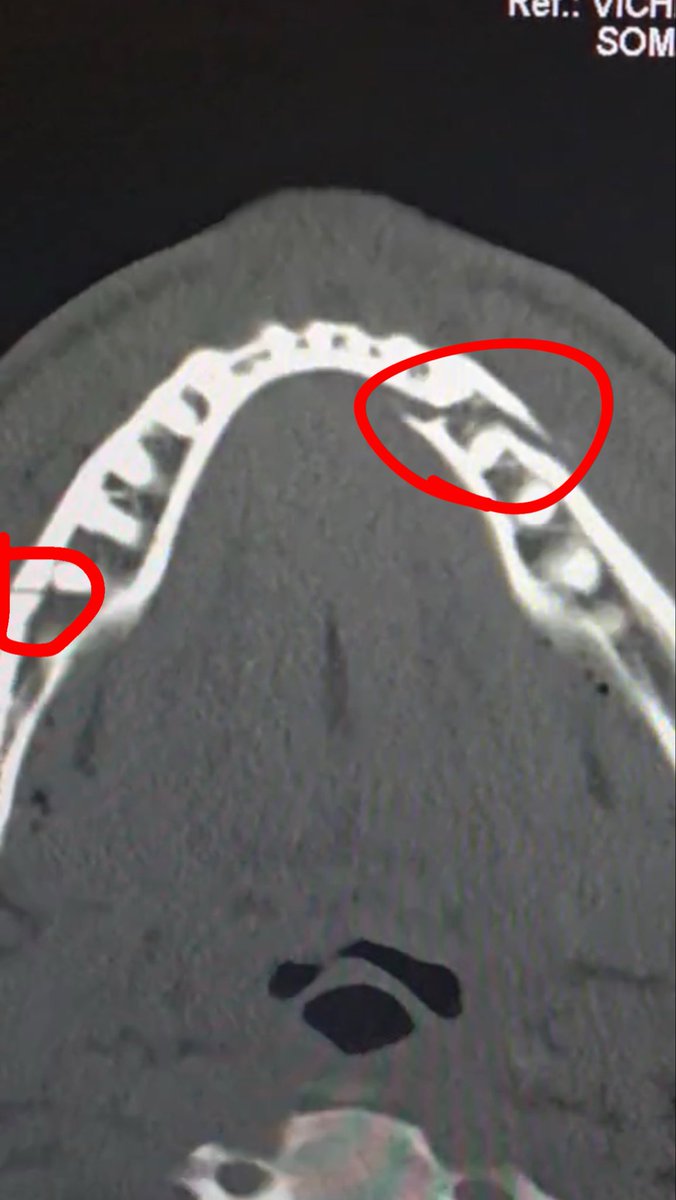
@jakepaul the mandible usually breaks in two places. fractures demonstrated at: left body right angle next step: open reduction internal fixation gg
English
1
0
3
22.8K
Jake Paul
Jake Paul@jakepaul·
Double broken jaw. Give me Canelo in 10 days.
Jake Paul tweet media
English
8.5K
5.5K
115.5K
17.1M
DieselBabe🌟
DieselBabe🌟@DieselBABE20·
🚨 BREAKING NEWS: Alcohol consumption in the U.S.A has dropped to 54%, the lowest level in 86 years. Why do you think this is happening? 🤔
English
6K
448
7.3K
1.1M
Dr. Eric Berg DC
Dr. Eric Berg DC@dr_ericberg·
Which fermented food is easiest to incorporate into your daily routine?
English
229
16
208
34.9K
Chuma Chike-Obi, MD retweetledi
Avi Roy
Avi Roy@agingroy·
After 50 years and 389,627 papers on aging, we still can't agree on why we age. 30+ scientists just mapped the 100 biggest unanswered questions in longevity science. The most-studied problems? Still unsolved. The least-explored? Might be most tractable. @jpsenescence @prof_horvath 📚 The research: ↳ Original paper (30+ authors) - Full list of 100 problems with NLP methodology: link.springer.com/article/10.100… ↳ Interactive database - Explore all problems by theme: longevityknowledge.app ↳ Code repository - Reproducible analysis pipeline: github.com/angelotalay/op…
Avi Roy tweet media
English
7
20
114
9.6K
Chuma Chike-Obi, MD retweetledi
David Sinclair
David Sinclair@davidasinclair·
There’s no upper limit to human life
English
100
70
1K
61.4K
Chuma Chike-Obi, MD retweetledi
Bryan Johnson
Bryan Johnson@bryan_johnson·
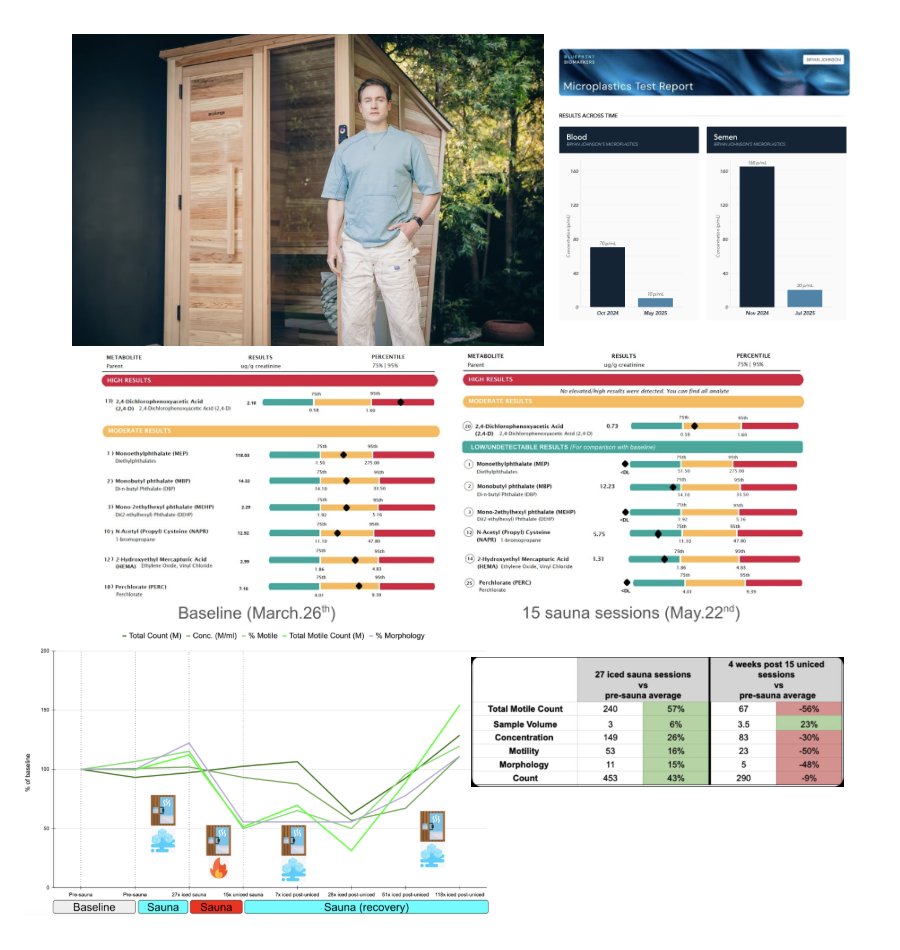
Sauna is one of the most effective health protocols I've done. Here is everything I've learned; it's the most robust characterization ever produced. Results: 1) Fifteen sessions of sauna dramatically reduced environmental toxins in my body: + 65% drop in 2,4-D + 100% drop in MEP + 15% drop in MBP + 100% drop in MEHP (undetectable post sauna) + 56% drop in NAPR + 56% drop in HEMA + 100% drop in Perchlorate (undetectable post sauna) 2. Sauna eliminated 85% of microplastics from my ejaculate. Nov 2024: 165 particles/mL July 2025: 20 particles/mL Nearly identical drop in my blood same time period: Oct 2024: 70 particles/mL May 2025: 10 particles/mL 3. Sauna, without ice on the boys, devastated my fertility markers. Total Motile Count: –56% Concentration: –30% Motility: –50% Morphology: –48% Count: –9% 4. Sauna coincided with my fertility markers being at an all-time high. I have more total and motile sperm than 99.6% of men of any age, including men under 25. + total count: 600 M + concentration: 162 M + motility: 55% + total motile count: 330M + morphology (normal): 10% We do not know what to make of these improvements. Was it the sauna? Sauna + ice? Ice only? We don't know but we did not identify any other protocols or lifestyle changes during this interval that would plausibly account for the change. 5. My vascular function improved by a ten year reduction in age. Now I have the vascular age of an elite 18-early 20s. + Central Systolic Blood Pressure: 96 mmHg + Central Pulse Pressure: 20 mmHg + Pulse Pressure Amplification: 160% + SEVR: 227% + Augmentation Pressure: 1 mmHg + Augmentation Index Wave: 3% + Traditional blood pressure: 107/75 mmHg 6. What type of sauna? Use a dry sauna with high temperatures between 80-100°C (176 to 212°F) and 5-20% relative air humidity. Aim for the lower end of this spectrum, especially as a beginner. Higher temperatures closer to the boiling point can cause side effects like headaches and severely dried nose and eyes. Note: Steam baths, hot tubs, and infrared saunas fail to replicate the same effects because they do not allow you to safely reach the required high temperatures and do not induce the same level of sweating, the necessary inverted (skin-to-core) temperature gradient, and the massive re-direction of blood to the skin with resulting vasodilation. Dry sauna is unique, and very likely superior to wet (steam bath) and infrared saunas. By heating up your skin way faster than your core, dry hot sauna flips your core skin temperature gradient, eliciting the following hormetic benefits: + enhanced blood flow: the heart pumps up to 70% more blood, similar to intense aerobic exercise (zone 2-+ increased sweating for detoxification: to maintain a stable core temperature, the skin produces 0.6-1 liter of sweat per hour, facilitating significant detoxification. + improved heat tolerance: the body becomes better at handling heat, leading to a lower core body temperature (offering metabolic advantages) + safe activation of heat shock proteins: the skin experiences substantial heat shock protein activation, while a modest 1°C increase in core temperature is sufficient to activate these proteins without the risk of hyperthermia. + extended Exposure at higher temperatures: dry saunas are more tolerable for longer durations and at higher temperatures, maximizing the benefits. 7. Sauna protocol and frequency Type: hot dry sauna Temperature: 176–212°F ( I do 200°F) Relative air humidity: very low, 5-20% Duration: 20 min Frequency: 4–7x a week 8. Heat Protection If you'd like, you can protect your head from the heat by wearing a sauna hat or wrapping it with a towel (use only cotton or other 100% natural material). You can breathe through a towel or cloth if needed to protect your nose. I am personally fine not doing this. Most importantly, ice the balls. Icing the testicles is absolutely required to prevent heat from damaging fertility markers. + Ice the testes during the sauna session. + Use a non-toxic, reusable ice pack material. + Wear cotton boxers and shorts. + Place ice packs in between the boxers and shorts. + Keep them in place for the entire session. Men should care about preserving fertility markers even when they are not trying to conceive. Sperm quality is tightly coupled to testicular function, which governs testosterone production, metabolic health, and long term endocrine stability. When fertility parameters decline, the same upstream dysfunction often drives lower testosterone, higher inflammation, and increased cardiometabolic risk. 9. Hydration Dry sauna induces sweating as part of its beneficial mechanism. Be sure to hydrate properly. In general, you might need to rehydrate with up to 16–32 oz (0.5–1 L) of fluid after a sauna session. Be sure to add electrolytes. If you want to be precise, measure your sweat amount and electrolytes (saltiness) using a patch (e.g., from Gatorade) to quantify your liquid and electrolyte loss, and rehydrate accordingly. Some people have saltier sweat than others and must ensure they replenish electrolytes as well as water. My results: my body sweats 18 oz during a 20 min sauna at 200 °F, with a sodium concentration of 25-39 mg/oz. A single sauna session flushes 450–700 mg of sodium out of my body. # I wish you all the best in life my friend. A new era or being human is here. One where existence is the highest virtue. Prioritize sleep, daily exercise and eat well and you'll be in a strong position. Try to avoid the bad stuff. Anything that takes away your agency. Be a warrior and caretaker of existence. Don't Die.
Bryan Johnson tweet media
English
928
1.6K
20.1K
5.1M
Cobie
Cobie@cobie·
It has been 3 years since up only ended. I was in my 20s when it started, now I have grey hair. We will rename it Unc Only and I will spend $25m on cosmetic surgery. See ya soon
English
922
331
9.6K
667.8K