
Center for Advanced Imaging and Longevity
125 posts

@CAIALOfficial
At CAIAL—Center for Advanced Imaging & Longevity, we detect health issues early with high‑res imaging and screening, then guide your care for better health.


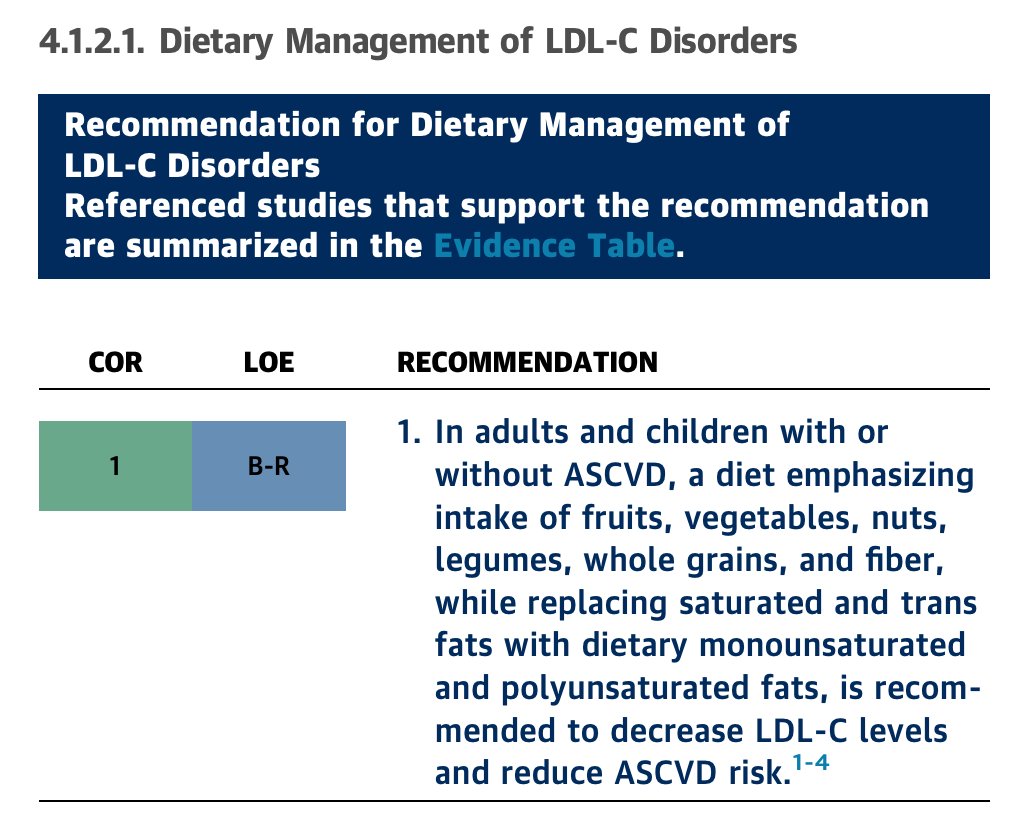
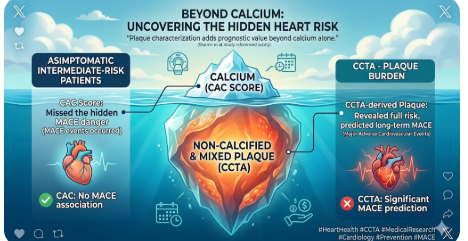
One of the most meaningful evolutions in the 2026 ACC/AHA dyslipidemia guideline is the continued elevation of CAC as a central tool in preventive decision-making. We have come a long way. 1. In the 2013 guidelines, CAC was effectively sidelined. 2. By 2019, it re-emerged as a decision aid. 3. In 2026, it is now clearly embedded in the framework of risk assessment, treatment initiation, and treatment intensity. Two messages stand out. 1. First, CAC has become the preferred decision aid when treatment decisions are uncertain. This is not an uncommon situation. In real-world practice, uncertainty is the rule rather than the exception, especially in borderline or intermediate-risk individuals. #PowerOfZero provides a clear distinction who is and not at risk that for the decision whether lipid-lowering therapy should be initiated. 2. Second, the guideline goes beyond initiation. CAC is increasingly used to guide the intensity of therapy. Increasing plaque burden corresponds to progressively more aggressive LDL targets and therapeutic strategies. For example, individuals with CAC ≥300–1000 are recommended to pursue LDL reduction strategies approaching secondary prevention intensity, reflecting event rates comparable to treated ASCVD populations. This is a MAJOR shift. CAC is no longer simply a tie-breaker for statin decisions. It is evolving into a disease-guided framework for preventive intensity. From a practical standpoint, this matters.Risk equations estimate probability. CAC visualizes disease. 1. When uncertainty exists, seeing the burden of atherosclerosis often changes the conversation for both clinician and patient. 2. It also aligns therapy more closely with biology (GREATER DISEASE, MORE INTENSE THE TREATMENT) rather than risk-factor projections alone. IN 2026. CAC has moved from the margins of guidelines to the center of preventive cardiology. For clinicians, that represents one of the most practical advances in translating risk assessment into actionable care. Congrats @rblument1 @RonBlankstein @DrMichaelShapir & rest of the guideline authors @AJPCardio @ASPCardio @MichaelJBlaha @Sadeer_AlKindi @HMethodistCV